Brass Hose Fittings: The Specialist’s Guide to Durable Garden Irrigation
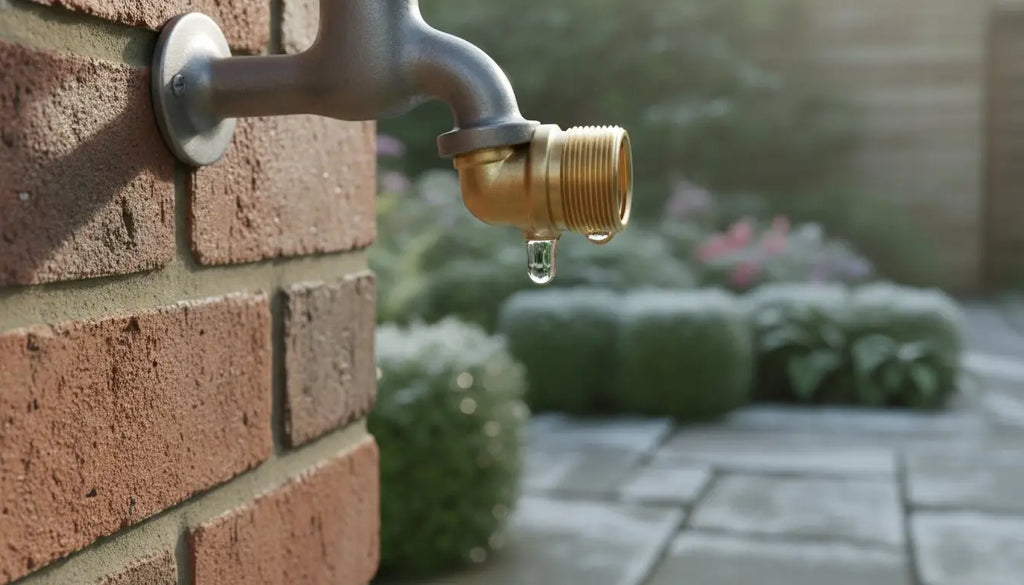
Last January, thousands of UK gardeners walked out to their outdoor taps only to find their plastic connectors had shattered after a single night of sub-zero temperatures. It's a frustratingly common sight that ruins a crisp morning in the garden. If you've ever dealt with a brittle connector snapping in your hand or a constant drip at the tap connection, you know that standard plastic often fails when you need it most. Switching to high-quality brass hose fittings transforms your irrigation from a seasonal headache into a professional-grade system that stands up to the unpredictable British weather.
We agree that your time is better spent enjoying your garden than fixing leaks. You likely already own a range of Hozelock tools and need a solution that works seamlessly with your current equipment. This guide reveals why brass is the professional choice for a leak-free, frost-resistant watering system that lasts for years. We'll explore how these durable components provide the ultimate "fit and forget" reliability and why they're the best way to ensure your garden thrives through every season.
Key Takeaways
- Understand why professional landscapers choose heavy-duty brass over standard plastic for superior frost resistance and long-term durability in the UK climate.
- Learn how to safely combine metal components with your existing Hozelock equipment to eliminate leaks without causing wear to your plastic click-locks.
- Discover how to audit your tap size and hose diameter to select the perfect brass hose fittings for the high-stress points in your garden.
- Identify the essential internal components, such as high-quality O-rings, that ensure your irrigation setup remains efficient and maintenance-free.
- Explore our expert recommendations for the ultimate brass-enhanced watering kit to future-proof your garden irrigation for 2026 and beyond.
Why Brass Hose Fittings are the Choice for Serious Gardeners
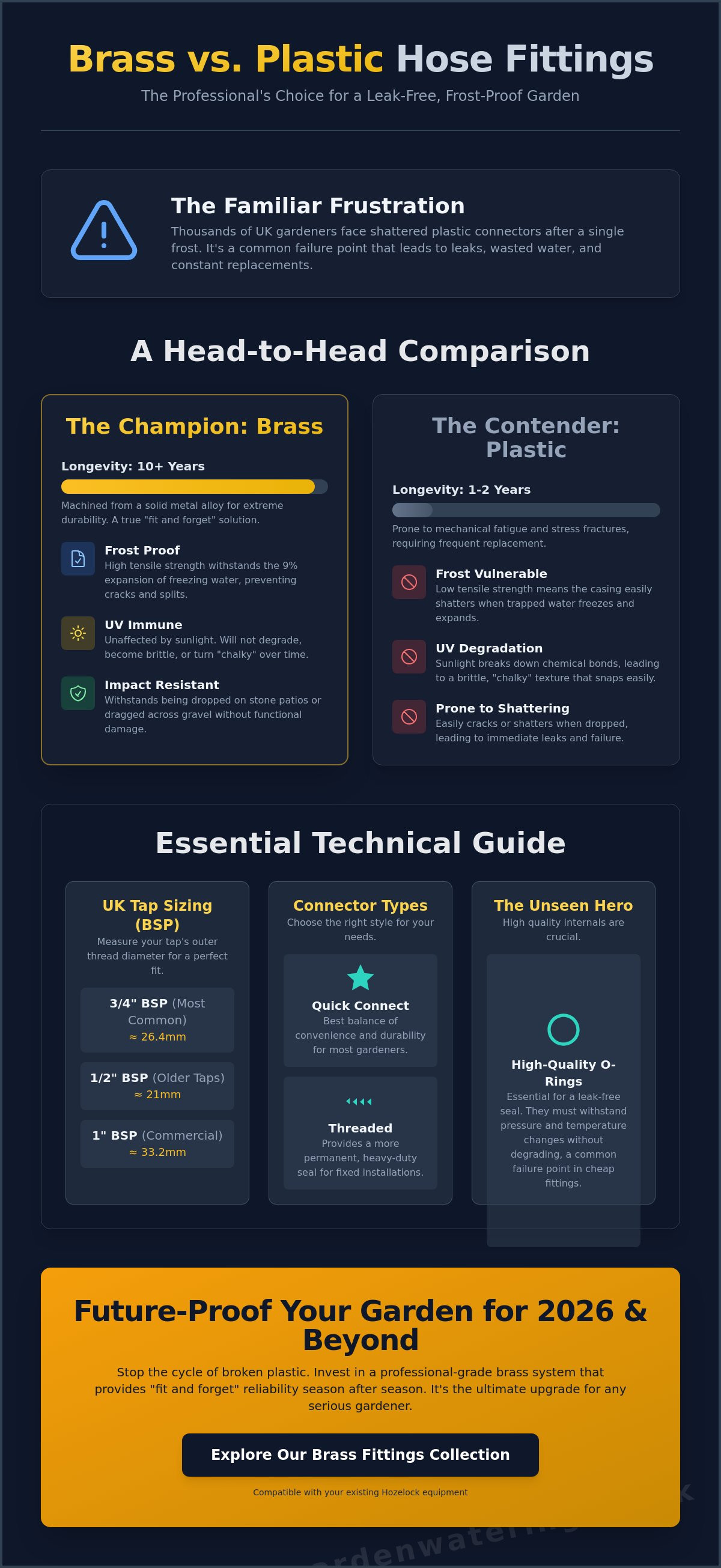
Serious gardeners eventually reach a point where standard plastic components fail to meet the demands of a busy growing season. Brass hose fittings represent a significant upgrade in durability. These heavy-duty connectors are machined from solid brass, a metal alloy that offers naturally high resistance to corrosion and mechanical wear. While plastic is often the default for casual use, it lacks the structural density required for high-pressure systems or frequent handling.
Commercial landscapers rarely rely on plastic connectors for a simple reason: reliability. If you look at a professional irrigation setup, you'll see metal components that can withstand being dragged across gravel or dropped on stone patios. A plastic connector dropped on a stone surface often shatters or develops hairline cracks that lead to leaks. Brass is impact-resistant; it might suffer a minor cosmetic scratch, but the internal threads and various Hose coupling types remain functional. This structural integrity ensures a secure, leak-free seal that doesn't "blow off" when the water pressure spikes.
The longevity of brass is particularly evident when looking at the UK weather cycle. With the 2026 climate projections suggesting more volatile temperature swings, garden equipment needs to be resilient. Brass fittings are built to last for a decade of service, whereas budget plastic alternatives often require replacement every 12 to 24 months due to mechanical fatigue.
Frost Resistance and Winter Durability
In the UK, winter temperatures frequently drop below zero, causing trapped water to freeze. When water turns to ice, it expands by approximately 9 percent. This expansion force is enough to split plastic casings instantly. Brass possesses the tensile strength to withstand these internal pressures, making it the only choice for "permanent" outdoor tap setups. While a plastic fitting might cost £4 and last one winter, a brass version lasts 10x longer, offering a much better cost-per-year benefit for your garden budget.
UV Stability and Material Degradation
Sunlight is a primary cause of failure for outdoor polymers. Constant exposure to UV rays breaks down plastic chemical bonds, resulting in a "chalky" brittle texture that snaps under pressure. Brass is entirely immune to UV-induced failure. This makes it ideal for south-facing gardens where connectors may sit in direct sunlight for 15 hours a day during June and July. Choosing metal also has an eco-friendly advantage; it significantly reduces the amount of cracked plastic waste sent to landfills. To find the right components for your setup, you can browse our professional irrigation fitting adaptors designed for long-term performance.
The Technical Guide to UK Brass Connector Types
Selecting the correct brass hose fittings is the first step toward a professional grade irrigation system. A typical UK garden setup requires a tap connector, hose end connectors, and often a joiner to reach the bottom of the garden. High quality internal O-rings are essential in these components. These seals must withstand constant pressure and temperature fluctuations without degrading. While plastic fittings often crack after a single frost, brass remains stable for upwards of 15 years. Precision machining in brass components also reduces internal turbulence. This allows water to move more efficiently through the fitting, maintaining the pressure needed for popup sprinklers or long-reach spray lances.
You will generally choose between "Quick Connect" and "Threaded" styles. Quick connect fittings use a spring-loaded collar for speed, while threaded options provide a more permanent, heavy duty connection. For most domestic users, quick connect brass fittings offer the best balance of convenience and durability. Because brass is a denser material than plastic, it absorbs the vibration of high-pressure water flow, leading to a quieter and more stable watering experience.
Tap Connectors and BSP Thread Sizing
In the UK, tap threads are measured using the BSP (British Standard Pipe) scale. Most modern outdoor taps are 3/4 inch BSP, which measures approximately 26.4mm across the thread. Older taps might be 1/2 inch (21mm), while larger commercial outlets use 1 inch (33.2mm) threads. It's vital to measure the outside diameter of your tap thread before buying to ensure a leak-free fit. If you're unsure, our range of Hozelock Connectors includes various adaptors to bridge these size gaps securely. A snug fit here is the best way to prevent the "spraying tap" syndrome that wastes water and reduces system pressure.
Hose Joiners and Repairers
Brass joiners are essential for extending your reach across larger lawns by connecting two lengths of hose pipe. A standard joiner connects two hoses with male ends, while a repairer allows you to cut out a damaged section and splice the hose back together. Because brass doesn't warp under summer heat or crack in the winter frost, these joiners are the preferred choice for high-pressure automatic systems that remain pressurised for long periods. They provide a rock-solid connection that won't pop off when a water timer triggers a sudden surge of water. This reliability is why professionals choose brass for 90% of permanent installations.
Brass vs. Plastic: Navigating Hozelock Compatibility
The most frequent question we receive at Garden Watering is whether you can mix and match materials. Specifically, gardeners often wonder if they can use brass hose fittings with their existing plastic Hozelock spray guns. The short answer is yes. The standard "click-lock" system has remained the industry benchmark for over 50 years, meaning the geometry of a brass male end is identical to its plastic counterpart. You can confidently snap a brass connector into a plastic accessory without any immediate compatibility issues.
There is a persistent myth that metal connectors will quickly "chew up" or damage plastic spray guns. In reality, the connection relies on a rubber O-ring and a spring-loaded locking collar. The brass doesn't actually grind against the plastic components. Because brass is precision-machined, it often lacks the sharp "mould lines" found on cheaper plastic alternatives, which can actually help preserve the life of the internal seals in your handheld tools. While the plastic teeth of a spray gun might show minor superficial marks over several years, the functional integrity of the seal remains intact.
Weight is the primary factor to consider when choosing your setup. A standard brass female connector weighs approximately 150g, while a plastic version is often less than 50g. If you're using a lightweight plastic spray gun for long periods, the extra weight of the brass can make the tool feel unbalanced. For this reason, we often recommend a strategic mix of materials to get the best of both worlds.
The Hybrid System Approach
We typically suggest using brass at the tap end of your system where durability and UV resistance are most critical. At the handheld end, many of our customers prefer sticking with plastic connectors to keep the spray gun light and easy to manoeuvre. To ensure a secure click every time, always check that the O-ring is lubricated with a small amount of silicone grease. This prevents the brass from sticking and ensures a watertight seal. For more advice on building a reliable setup, see our Hozelock Automatic Watering System guide.
Auto-Stop Features in Brass Fittings
Brass "Auto-Stop" connectors are a game-changer for high-pressure systems. These fittings contain an internal plunger that shuts off the water flow the moment you disconnect a tool. While plastic versions use a simple plastic valve, brass versions feature a sturdier internal mechanism that can handle pressures exceeding 4 bar without leaking. This is particularly useful if you're frequently switching between a spray gun and a sprinkler. The heavy-duty spring in a brass auto-stop fitting provides a more positive shut-off, ensuring you don't get a face full of water when changing accessories at the end of a long hose.
How to Choose and Maintain Your Brass Fittings
Selecting the right brass hose fittings requires a methodical approach to ensure your irrigation system remains leak-free for years. We recommend a four-step audit to get your setup right the first time. First, measure your tap and hose diameter. Most UK garden taps are 3/4 inch BSP, though older homes may feature 1/2 inch outlets. Standard garden hoses are typically 12.5mm, while larger 15mm or 19mm hoses are used for high-flow requirements. Ensure your fittings match these specific dimensions to avoid pressure drops.
Second, identify the high-stress points in your garden. The tap connector and the hose-end connector take the most mechanical strain, especially if you move your hose reel frequently. These are the priority areas for brass upgrades. Third, verify "Quick-Click" compatibility. Quality brass fittings are designed to be fully interchangeable with your existing plastic tool range. Finally, focus on the seals. A brass fitting is only as good as its O-ring, so check that these are seated correctly before use.
Installation Best Practices
To achieve a professional, watertight seal on threaded connections, always use PTFE tape, also known as plumber’s tape. Wrap the tape clockwise around the male thread three or four times before screwing on the fitting. This fills the microscopic gaps between the metal threads. When tightening, hand-tight is usually sufficient. Avoid using heavy wrenches that can strip the threads or damage your brass hose fittings. If you find your tap size doesn't match your new hardware, you can find the right solution in our collection of Irrigation Fitting Adaptors.
Seasonal Maintenance and Storage
Brass is incredibly durable, but it isn't immune to the physics of freezing water. Water expands by approximately 9% when it turns to ice, which can crack even heavy-duty metal. Always drain your fittings and store them in a shed or garage before the first deep freeze of the winter. If a fitting begins to weep, don't throw it away. Replacing a perished O-ring is a simple 50p fix that makes an old brass fitting perform like new again.
In hard water areas across the UK, mineral deposits can build up on brass threads over time. This makes them difficult to unscrew. A quick soak in a mild white vinegar solution for 30 minutes will dissolve the limescale and restore the smooth action of the threads. This simple bit of care ensures your equipment remains a pleasure to use season after season.
Ready to build a more resilient watering system? Shop our full range of durable hose connectors to find the perfect fit for your garden.
Expert Recommendation: The Ultimate Brass-Enhanced Setup
Our curated list for 2026 focuses on reinforcing the potential failure points in a standard irrigation setup. After 15 years of testing various configurations, we've found that swapping standard plastic components for professional brass hose fittings at high-pressure junctions is the most effective way to prevent leaks. We recommend starting with a solid brass tap connector and moving through the system to high-wear areas like spray gun inlets where mechanical stress is highest.
Integrating these durable upgrades with Hozelock watering kits offers the best of both worlds. You benefit from the innovative design of Hozelock's distribution systems while gaining the industrial strength of brass at the primary connection points. This hybrid approach ensures your system remains watertight even during the peak of the UK summer when water pressure can fluctuate significantly.
Our "Specialist Selection" prioritises Italian-made brass components. We choose these specifically for their precision milling and high copper content. Unlike cheaper alternatives that may contain impurities, these Italian fittings provide a superior thread match and don't degrade under intense UV exposure. They offer a level of reliability that plastic simply can't match over the long term.
The Perfect Tap Setup
A robust irrigation system always starts at the water source. We suggest combining a heavy-duty brass manifold with an automated water timer. This configuration allows you to split your supply into multiple zones with total confidence. Using brass splitters ensures the weight of multiple hoses doesn't snap the tap connection or strip the threads. For more detailed advice on planning your layout, see our Garden Watering Systems Guide.
Custom Solutions for Professional Landscapes
Larger UK gardens often require higher flow rates to maintain healthy, green spaces. For these professional-grade projects, we advise moving to 19mm (3/4") brass connectors. These fittings provide a significantly higher water volume compared to standard 13mm lines, which is vital for feeding a high-performance lawn sprinkler. Using brass hose fittings for these feed lines ensures the system stays secure under high mains pressure. You can browse our full range of professional brass fittings to find the right match for your landscape.
Choosing brass isn't just about immediate performance; it's a sustainable choice for your garden. While plastic fittings often need replacing every few seasons due to frost damage or wear, quality brass lasts for decades. It's a fully recyclable material that represents a genuine long-term investment. By reducing waste and ensuring maximum water efficiency, you're helping your garden thrive for years to come.
Upgrade Your Garden with Professional-Grade Durability
Investing in your garden's infrastructure saves time and prevents water waste. High-quality brass hose fittings offer a level of durability and leak protection that standard plastic connectors can't provide over the long term. By choosing heavy-duty brass, you're opting for a professional-grade solution that stands up to years of seasonal use and high-pressure demands.
We specialise exclusively in Hozelock compatibility, ensuring your existing system integrates perfectly with our expert-selected components. Our team brings over 15 years of irrigation expertise to every project, offering free UK advice on system design to help your garden thrive. Whether you're upgrading a single tap or designing a full irrigation network, the right connectors make all the difference. You'll enjoy a reliable, efficient watering routine that keeps your plants lush and healthy throughout the year.
Shop our Expert-Selected Brass Hose Connectors
Frequently Asked Questions
Do brass hose fittings rust over time?
Brass hose fittings do not rust because they contain no iron. While they won't develop red rust, they will eventually form a green or brown patina through a process called oxidation. This layer acts as a protective shield that prevents deeper corrosion, allowing high quality brass components to last for over 20 years in a typical UK garden environment without losing their structural integrity.
Are all brass hose fittings compatible with Hozelock?
Yes, most high quality brass hose fittings use the standard "Quick Connect" system that's fully compatible with Hozelock, Claber, and Gardena equipment. They feature the same click-lock mechanism found on plastic versions but offer a more secure, heavy duty connection. We specialise in these durable metal alternatives to ensure your irrigation system remains watertight even under high water pressure conditions common in British households.
How do I know what size tap connector I need (1/2" or 3/4")?
You can identify your tap size by measuring the diameter of the threaded outlet; a 3/4 inch BSP thread measures approximately 26.4mm, while a 1/2 inch thread is about 21mm. In the United Kingdom, 95% of modern external garden taps use the 3/4 inch size. If your tap is an older model or located under a kitchen sink, it's more likely to require the smaller 1/2 inch connector.
Is brass better than stainless steel for hose fittings?
Brass is generally the preferred choice for garden irrigation because it's more malleable than stainless steel, which helps it create a tighter seal on threaded taps. Stainless steel is harder and more expensive, but it's prone to "galling," where the metal threads lock together permanently. Brass hose fittings provide the perfect balance of durability and ease of use, ensuring they won't seize onto your brass or copper tap over time.
Can I leave brass hose fittings outside during winter?
You can leave brass fittings outside during the winter months, provided you drain all water from the pipes and connectors first. When water freezes, it expands by approximately 9% in volume, which can exert enough pressure to crack metal housings. To keep your fittings in top condition, we recommend removing them during the coldest months and storing them in a dry shed to protect the internal rubber seals from frost damage.
Why is my brass hose connector leaking from the click-lock?
A leak at the click-lock point is almost always caused by a worn or dry O-ring on the male end of the connector. These small rubber rings cost less than £1 each and should be replaced every 12 months to maintain a drip-free seal. If the leak continues after replacing the O-ring, check for lime-scale build-up inside the female connector, which can prevent the internal spring from locking into place correctly.
Does brass contain lead, and is it safe for watering vegetables?
Standard brass contains approximately 2% to 3% lead to make the metal easier to machine, but it's safe for watering your vegetable patch. Since water passes through the fitting at high speed, it doesn't stay in contact with the metal long enough to absorb harmful levels of lead. For absolute safety, run your tap for 10 seconds to flush out any water that's been sitting in the fitting before you start watering your crops. If you are interested in ensuring the highest quality for your residential supply, learn more about Your Water Guy for professional water treatment insights.
How do I remove a stuck brass fitting from my outside tap?
To remove a seized fitting, apply a penetrating oil like WD-40 to the threads and wait for 15 minutes before attempting to unscrew it with a pair of adjustable pliers. If the seizure is caused by hard water deposits, you can wrap a cloth soaked in white vinegar around the joint for 30 minutes to dissolve the limescale. Avoid using a hammer, as the vibration can damage the internal ceramic valves inside your outdoor tap.
`-
Posted in
brass hose fittings