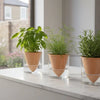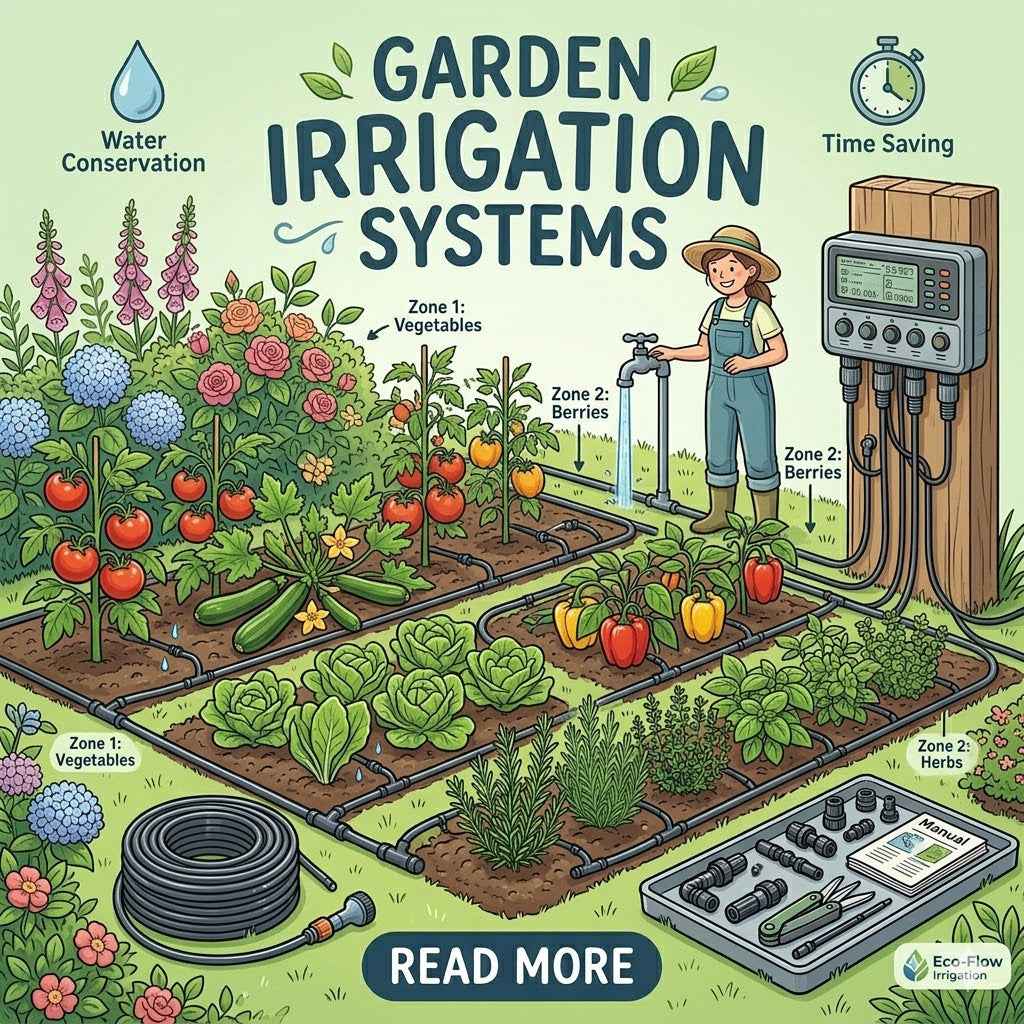
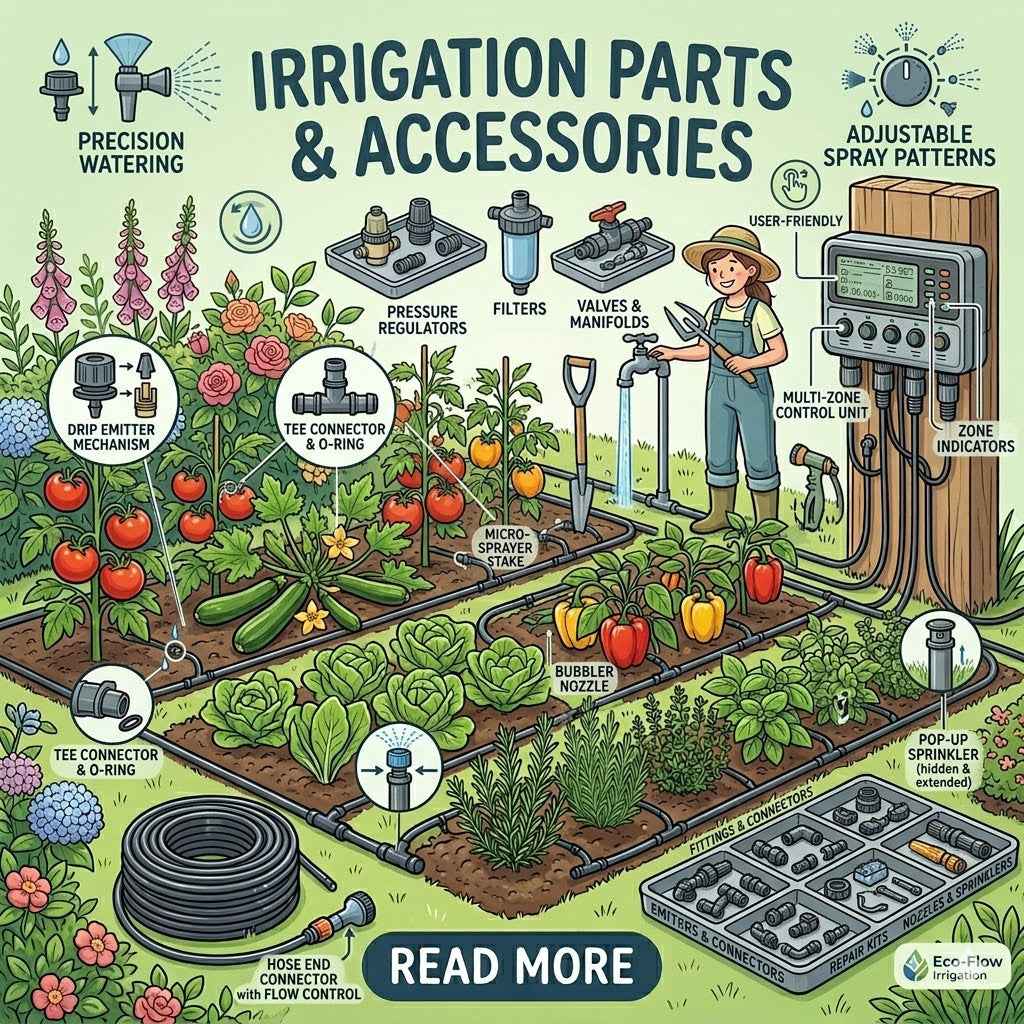
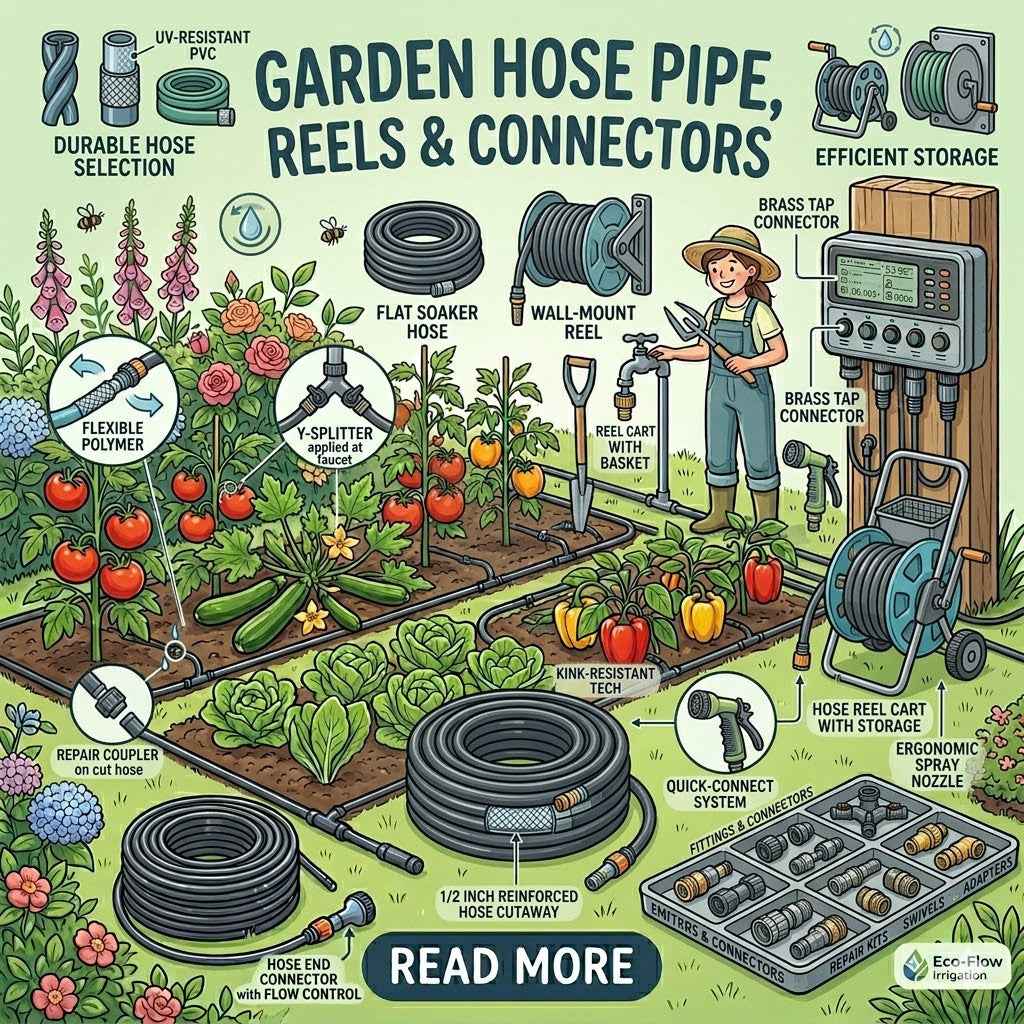
Self-Watering Systems for Greenhouses: The Ultimate 2026 Guide
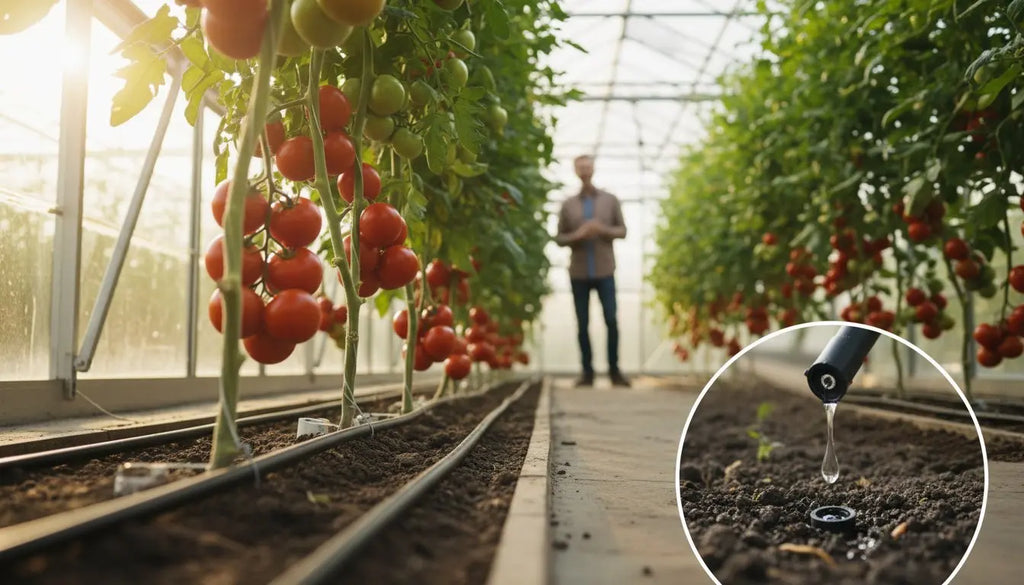
Imagine a greenhouse brimming with lush, healthy plants, without the daily chore of watering. No more worrying about your prized tomatoes while you're on holiday, and no more returning to wilted leaves or waterlogged roots. This peace of mind is not only possible, it's straightforward to achieve with the right self watering system for greenhouse cultivation. These efficient solutions deliver the perfect amount of moisture directly where it's needed most, ensuring your plants thrive consistently.
But with so many options available, from simple wicking beds to sophisticated drip irrigation, choosing the best one can feel overwhelming. In this ultimate 2026 guide, we provide the expert advice you can trust. We will walk you through everything you need to know-from selecting the perfect system for your specific plants and budget to straightforward installation and essential maintenance tips. Prepare to save time, conserve water, and enjoy a flourishing greenhouse with complete confidence.
Key Takeaways
- Learn how consistent, automated watering eliminates guesswork and protects your plants from common issues like root rot and stress.
- Discover the main types of automated systems-from drip lines to capillary matting-and identify which solution is most efficient for your setup.
- Follow a simple framework to confidently plan and choose the perfect self watering system for greenhouse plants, ensuring you invest correctly from the start.
- Gain the confidence to install and maintain your system with our practical tips, saving you both time and effort for a thriving greenhouse.
Why Manual Watering is Holding Your Greenhouse Back
Every dedicated greenhouse gardener understands the daily challenge of providing the perfect amount of water. Manual watering with a hose or can, while a labour of love, is often inconsistent. One day you might overwater, risking root rot and fungal diseases; the next, you might underwater during a surprise heatwave, causing your plants to wilt and stress. An effective self watering system for greenhouse environments is the expert solution to this common problem, offering consistency and efficiency that helps your plants thrive.
To see how a modern automated system can solve these problems, this video provides an excellent real-world example:
The Key Benefits of a Self-Watering System
Automating your greenhouse irrigation provides a range of immediate and long-term advantages. By moving away from manual methods, you create a more stable and efficient growing environment. The core benefits include:
- Consistent Moisture: Automation delivers precisely the right amount of water directly to the plant's root zone, exactly where it's needed. This eliminates the damaging wet-and-dry cycle that stresses plants.
- Water Efficiency: By minimising evaporation and runoff, high-quality drip irrigation systems can reduce water consumption by up to 70% compared to traditional watering cans or sprinklers.
- Time-Saving: Reclaim your evenings and weekends. An automated system frees you from the daily chore of watering, giving you more time to enjoy your garden.
- Healthier Plants: Consistent watering encourages stronger root development and more vigorous growth, leading to healthier plants and more abundant yields.
Problem Solved: Holiday and Busy Schedule Plant Care
Perhaps the greatest benefit is freedom. A reliable self watering system for greenhouse cultivation provides complete peace of mind. You can go on holiday, manage a busy work schedule, or simply take a day off without worrying if your plants are suffering. This 'set it and forget it' advantage is also ideal for gardeners with physical limitations, making a thriving greenhouse accessible to everyone.
Types of Greenhouse Watering Systems: Which is Best for You?
Choosing the right self watering system for your greenhouse is the first step towards a healthier, more productive garden. The ideal solution depends on what you grow, your greenhouse layout, and your budget. To help you make an expert choice, we've broken down the three most common and effective types of automated watering systems. Understanding how each one works will ensure your plants get the exact hydration they need to thrive.
Drip Irrigation Systems: The Precision Choice
This high-efficiency system uses a network of tubes to deliver water drop by drop directly to the base of each plant. Emitters release water slowly, ensuring it soaks deep into the root zone with minimal evaporation. This precision makes it the best choice for plants in individual pots, grow bags, and organised rows like tomatoes or peppers. By keeping foliage dry, it significantly reduces the risk of fungal diseases. Proper setup is key, and resources for planning your irrigation system can help you account for details like filtration, which is vital to prevent emitters from clogging over time.
Soaker Hose Systems: Simple and Effective for Beds
A soaker hose is a wonderfully straightforward solution. Made from a porous material, it 'weeps' water along its entire length, creating a consistently damp strip of soil. This makes it perfect for watering long raised beds or dense plantings, such as salad greens or root vegetables, where individual precision isn't necessary. Installation is as simple as laying the hose where you need it, making it a popular and cost-effective choice for beginners.
Misting & Micro-Sprinkler Systems: For Humidity and Seedlings
Misting and micro-sprinkler systems create a fine spray that covers a wide area from above. Their primary role is often managing the greenhouse environment. They are an excellent tool for increasing ambient humidity for tropical plants, cooling the structure on hot days, and providing gentle hydration for delicate seedlings during germination. It's important to ensure good air circulation when using this system, as constantly wet leaves can encourage mildew.
| System Type | Pros | Cons | Best For |
|---|---|---|---|
| Drip Irrigation | Highly water-efficient; keeps foliage dry. | Emitters can clog without a filter. | Individual pots, grow bags, tomatoes, peppers. |
| Soaker Hose | Very easy to install; good for uniform rows. | Less precise for spaced-out plants. | Raised beds and dense, long plantings. |
| Misting/Sprinklers | Great for humidity, cooling, and seedlings. | Can increase the risk of fungal disease. | Germination, raising humidity, cooling. |
The Essential Components of Your Automatic System
Understanding a self watering system for greenhouse growing might seem technical, but it’s actually quite straightforward. Think of it as a body, with four core parts working together to keep your plants perfectly hydrated. By understanding the function of each component, you can confidently choose the right parts for a reliable and efficient setup.
The Brain: Water Timers and Controllers
This is the command centre of your system, telling it when and for how long to water. Your choice here dictates the system's automation level.
- Tap-mounted timers: These simple, battery-powered units are incredibly easy to program for daily or weekly schedules. They are a dependable, set-and-forget solution.
- Smart controllers: For ultimate control, Wi-Fi enabled controllers allow you to adjust schedules from your phone and can even link to weather forecasts to prevent overwatering.
A reliable timer is the cornerstone of a dependable system. Brands like Hozelock are known for producing high-quality, user-friendly controllers that give you peace of mind.
The Heart: Water Source and Pressure
Your system needs a consistent supply of water to function correctly. The most common method is connecting directly to a mains tap, which provides reliable pressure. Alternatively, an eco-friendly water butt can be used. For this, you can opt for a simple gravity-fed system or add a small pump to ensure adequate pressure. For any drip irrigation setup, a pressure reducer is essential; it connects to your tap to lower the mains pressure, protecting your smaller pipes and drippers from damage.
The Arteries: Tubing and Pipes
A network of pipes carries water from the source to your plants. This is typically a two-part system:
- Main supply pipe (13mm): This is the backbone of your system, running the length of your greenhouse and carrying the main flow of water.
- Micro-tubing (4mm): This smaller, more flexible tubing branches off the main pipe, delivering water directly to individual pots, grow bags, or plant roots.
The Delivery: Drippers, Emitters, and Sprayers
These are the final components that release water to your plants. The type you choose depends on what you’re growing.
- Adjustable drippers: Perfect for greenhouses with a mix of plants, as you can control the flow rate for each one, from thirsty tomatoes to delicate herbs.
- In-line drippers: These have pre-set flow rates and are ideal for watering uniform rows of plants, ensuring each one gets the same amount of water.
- Misters and spray jets: Best for seedlings and cuttings that thrive in high humidity, providing a fine, gentle spray over a wider area.
How to Choose and Plan Your Perfect Greenhouse System
Selecting the right components is the key to creating an efficient and reliable self watering system for greenhouse growing. Taking a few moments to plan will ensure your setup meets your specific needs, saving you time and preventing common mistakes like buying a kit that is too small. With our expert advice, you can confidently choose a system that helps your plants thrive. Follow these three simple steps to design your perfect irrigation solution.
Step 1: Assess Your Greenhouse Size and Layout
Before buying any components, get a clear picture of your space. A common error is underestimating the amount of tubing required. A quick sketch can prevent this and help you visualise the most efficient layout.
- Measure the length and width of your greenhouse to determine the main supply pipe length.
- Count the exact number of pots, grow bags, or trays you need to water.
- Sketch a simple plan showing your tap or water butt, the main pipe run, and where each dripper will be placed.
Step 2: Consider Your Plant Types
Not all plants have the same thirst. Grouping plants with similar watering needs together makes your system far more effective. For example, thirsty tomato plants require more water than hardier herbs. For maximum control and water efficiency, we recommend using adjustable drippers. This allows you to fine-tune the water flow for each specific plant, ensuring none are over or under-watered.
Step 3: Check Your Water Source and Pressure
Your water source dictates the type of system you can use. If you are connecting to a mains tap, ensure it's conveniently located and that you have adequate water pressure. If you plan to use a water butt for a more sustainable approach, remember it must be raised at least one metre off the ground to create enough gravity-fed pressure for the system to work effectively. Crucially, always install a filter to prevent debris from clogging your drippers.
By following this straightforward plan, you'll have all the information you need to build a high-quality self watering system for greenhouse success. You can confidently select the right parts, knowing they will fit your layout and cater to your plants perfectly. Browse our Hozelock irrigation kits to see these components in action.
Simple Installation and Maintenance Tips
One of the greatest benefits of a modern irrigation kit is its simplicity. Installing your self watering system for greenhouse growing is a straightforward DIY project that requires no specialist tools. With a little planning, you can have an efficient and reliable system running in an afternoon. Our expert advice is designed to give you the confidence to get it right the first time, ensuring your plants thrive with minimal effort.
Easy DIY Installation Guide
Setting up your system is a logical, step-by-step process. We recommend laying out all your components before you start to visualise the final layout. Follow these simple steps for a professional result:
- Connect to Source: Start by attaching your water timer to your tap, followed by the pressure reducer and filter. This is the control centre of your entire system.
- Lay the Main Pipe: Roll out the main 13mm supply pipe, positioning it along your staging, greenhouse border, or between grow bags according to your plan.
- Run Feeder Lines: Use the hole punch tool to make a clean hole in the main pipe where needed. Insert a connector and attach the 4mm micro-tubing, running it to each individual pot or plant.
- Attach Emitters: Push your chosen drippers, misters, or soakers onto the end of the micro-tubing and secure them in place with the provided stakes.
Testing, Adjusting, and Fine-Tuning
Once assembled, the next step is to fine-tune the system for your specific plants. Turn the water on for a few minutes and walk the line, checking each connection for leaks. A tight fit should prevent any drips. Now, adjust the flow rate on your emitters; thirsty plants like tomatoes may need a faster drip rate than herbs. After the first full watering cycle, check the soil moisture with your finger to ensure it’s damp, not waterlogged. This initial adjustment is key to efficient watering.
Seasonal Maintenance for a Long-Lasting System
A high-quality self watering system for greenhouse requires very little upkeep, but a few seasonal checks will guarantee years of trouble-free operation.
- Check the Filter: Regularly unscrew the filter housing and rinse the mesh inside to remove any sediment that could cause blockages.
- Inspect Emitters: Periodically check that all drippers and misters are working correctly and haven't become clogged with soil or algae.
- Winterising: Before the first frost, it is crucial to drain the system completely. Disconnect it from the tap and bring the timer indoors. This prevents water from freezing and cracking the pipes or components.
By following these simple steps, you can ensure your greenhouse irrigation system remains a reliable and valuable asset for seasons to come. For expert advice and a full range of high-quality components, explore the complete collection at gardenwatering.co.uk.
Your Path to a Thriving, Effortless Greenhouse
Leaving inconsistent manual watering behind is the first step towards a healthier, more productive greenhouse. By understanding the different types of automated systems and carefully planning your layout, you can ensure your plants get the precise hydration they need to flourish. Choosing the right self watering system for greenhouse cultivation is a strategic investment in the success of your garden, saving you time and eliminating guesswork.
Making that investment with confidence is key. At Garden Watering, we specialise exclusively in high-quality Hozelock irrigation systems. With over 15 years of dedicated expertise, we provide expert advice you can trust to help you select and install the perfect solution for your space. We're not just a retailer; we're your partner in creating a thriving garden.
Find the perfect Hozelock system for your greenhouse with our expert advice.
A lush, healthy, and low-maintenance greenhouse is well within your reach. Happy growing!
Frequently Asked Questions
How much does a self-watering system for a greenhouse cost?
The cost varies depending on the size of your greenhouse and the complexity of the system. A basic gravity-fed drip kit for a small greenhouse can start from as little as £30 to £50. For a more comprehensive solution with an automatic water timer, you might expect to pay between £70 and £150. Larger, more advanced systems from high-quality brands like Hozelock can cost more, but they offer greater efficiency and control for your plants.
Can I run a greenhouse watering system from a water butt?
Yes, absolutely. Many drip irrigation systems are specifically designed to be low-pressure and can run efficiently from a water butt. This is an excellent, environmentally friendly solution. For best results, raise your water butt at least one metre off the ground to create sufficient gravitational pressure. We also highly recommend installing an inline filter between the butt and your system to prevent debris from clogging the emitters and ensure your plants get the water they need.
Do I need electricity to run an automatic watering system?
Not necessarily. While some advanced controllers and pumps require mains power, many excellent solutions do not. Battery-operated water timers are extremely popular and can run for an entire season on one set of batteries. There are also solar-powered options available, which use a small solar panel to power the timer and pump. Gravity-fed systems, which rely on pressure from a raised water butt, require no electricity at all, offering a simple and reliable off-grid solution.
How do I stop my drip emitters from getting clogged?
Clogging is usually caused by sediment, algae, or mineral deposits from the water source. The single most effective solution is to install an inline filter at the start of your system, especially when using water from a water butt. Regularly flushing the lines by removing the end cap and letting water run through for a few minutes can also help clear out any build-up. Using high-quality, anti-clog drippers from the start will also significantly reduce maintenance issues.
Is it difficult to install a self-watering system myself?
Most modern kits are designed for easy DIY installation and require no specialist tools or plumbing skills. Components are often push-fit, and the supply pipe is easy to cut to your desired length. A typical self watering system for greenhouse setups can be installed in an afternoon. All our recommended systems come with clear, step-by-step instructions. We believe in providing solutions that are both effective and accessible, empowering you to get your system running with confidence and minimal effort.
How long should I run my greenhouse watering system for each day?
The ideal watering duration depends on your plants, soil type, and the time of year. A good starting point is to run a drip system for 15-20 minutes each day during the growing season. The key is to observe your plants and check the soil moisture. The soil should be consistently moist but not waterlogged. You may need to adjust the timer for longer on very hot days or reduce it during cooler, overcast periods to ensure your plants thrive.
`-
Posted in
self watering system for greenhouse