Boskke Till Planter: The Expert Guide to Self-Watering Indoor Herbs
How many times have you returned from a four-day bank holiday to find your kitchen basil has transformed into a wilted, brittle shadow of its former self? It's a frustrating cycle that many of us face, as roughly 33% of indoor gardeners admit to losing plants annually due to simple watering mistakes. We understand that finding the balance between parched soil and the soggy conditions that cause root rot can feel like a constant struggle. You deserve a vibrant indoor garden that looks elegant and stays healthy without requiring a daily commitment.
In this guide, we'll demonstrate how the Boskke til planter uses porous terracotta technology to provide a self-regulating water supply that keeps your herbs thriving for up to 14 days. This eco-friendly system mimics natural moisture diffusion to ensure your plants receive the precise amount of hydration they need. We'll explain the simple maintenance requirements and show you how to cultivate a lush, sustainable herb garden that remains productive even when you're away from home.
Key Takeaways
- Understand the science of terracotta technology and how capillary action delivers a consistent water source to keep your indoor herbs healthy.
- Discover why the Boskke til planter is the premier sustainable solution for urban gardeners looking to maintain lush greenery with minimal effort.
- Learn the essential "Established Plant" rule and how to select the correct compost to ensure your self-watering system functions perfectly from the start.
- Compare passive self-watering pots with active Hozelock irrigation systems to determine the most efficient solution for your specific windowsill or garden.
- Gain expert maintenance tips on descaling and cleaning your planter to prevent mineral build-up and ensure years of high-quality growth.
What is the Boskke Till Planter?
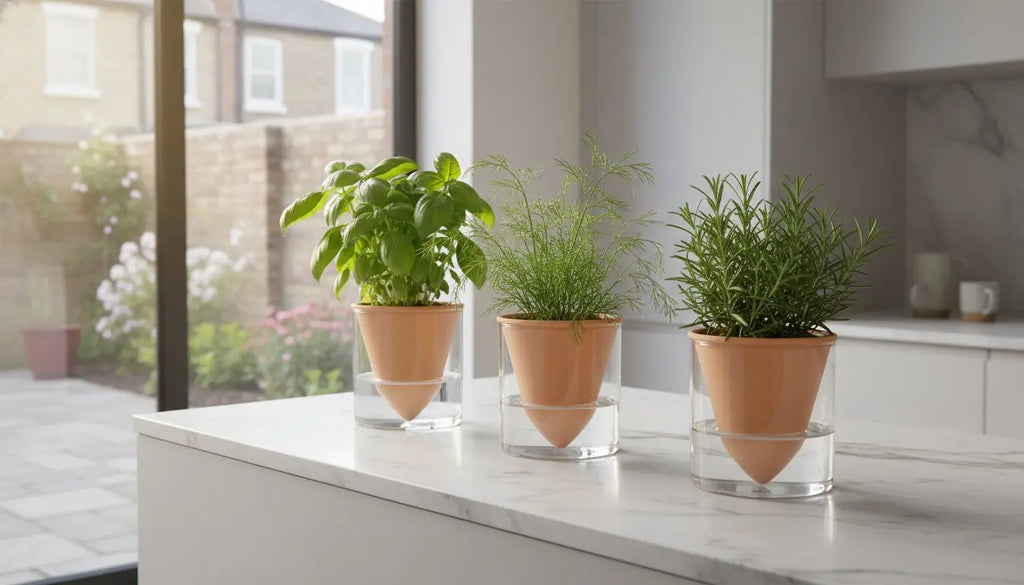
Boskke is a brand built on the "Nature in the City" philosophy. Their mission is to bridge the gap between urban living and the natural world by creating products that make indoor gardening accessible for everyone. The Boskke til planter is a primary example of this vision. It's a sustainable, self-watering solution designed specifically for the challenges of keeping herbs and small plants alive in a home environment. Unlike standard pots, it uses a clever internal reservoir system that mimics natural groundwater seepage.
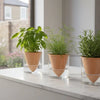
This design isn't just about looks; it's about high-quality engineering. The system features a porous terracotta disc that sits between the water reservoir and the soil. As the soil dries out, it naturally draws moisture through the terracotta at a steady, controlled rate. This functional approach to urban gardening earned the brand global acclaim, including the prestigious Red Dot Design Award. It provides a reliable way to ensure your plants thrive with minimal effort.
- Internal Reservoir: Holds enough water to keep plants hydrated for up to two weeks.
- Terracotta Disc: Regulates moisture levels to prevent root rot or dehydration.
- Recyclable Materials: Made from 100% recyclable components to reduce environmental impact.
The Problem with Traditional Indoor Watering
Standard top-down watering often causes more harm than good. When you pour water directly onto the surface, it can lead to soil compaction, which prevents oxygen from reaching the roots. Many gardeners also fall into a "feast or famine" cycle. They might forget to water for several days and then overcompensate by drowning the plant. This inconsistency is the leading cause of death for indoor herbs. Additionally, the thin plastic nursery pots used by most retailers are rarely durable and often end up in British landfills after a single use.
Design Meets Functionality
The sleek aesthetic of the Boskke til planter is designed to fit perfectly into modern British interiors. Whether it's a minimalist kitchen or a busy windowsill, the clean lines and neutral colours don't clash with your decor. The "Triple" variant is a standout choice for kitchen herb organisation. It allows you to keep three different herbs, such as basil, coriander, and mint, in one tidy and efficient unit. By opting for 100% recyclable materials, Boskke ensures that your indoor garden remains environmentally friendly while staying lush and healthy.
How the Boskke Self-Watering Mechanism Works
The Boskke til planter range uses a clever passive irrigation system to remove the guesswork from plant care. At its core, the design features an internal reservoir that holds a dedicated supply of water separate from the soil. This reservoir acts as a buffer, ensuring your herbs have access to moisture without ever sitting in a stagnant pool. It's a system built on balance rather than a constant flow, providing a reliable foundation for delicate indoor greens.
The real magic happens through the terracotta disc located at the base of the inner pot. This disc facilitates capillary action, a physical process where water moves against gravity through narrow spaces. As the soil dries out, it creates a tension that pulls water through the microscopic pores of the ceramic. This means the plant only receives water when it's needed, mimicking the natural moisture cycles found in the ground. It's an intuitive way to manage hydration that adapts to the specific needs of each herb.
Overwatering is the primary cause of plant death for indoor gardeners, contributing to root rot in approximately 70% of houseplant failures. The Boskke mechanism solves this by maintaining a precise moisture level. Because the soil isn't saturated by manual pouring, oxygen remains present in the root zone. This balance of air and water is vital for healthy herb growth and prevents the anaerobic conditions that allow rot to take hold.
The Science of Porous Ceramics
Terracotta is the perfect medium for moisture regulation because of its natural permeability. Water molecules travel through the material's internal network of pores, which typically measure between 0.1 and 10 micrometres in diameter. To keep the system efficient, you should occasionally wipe the disc to prevent mineral salts or limescale from blocking these pathways. Maintaining this permeability ensures your Boskke til planter continues to function at peak performance for years.
Reservoir Life: How Long Does It Last?
The duration between refills depends heavily on the size of your planter and the environment. A Small Till Planter typically supports a plant for 7 to 10 days, while the Large version can often go longer due to its higher volume. During the peak of summer or in rooms with high central heating, plants will naturally consume water faster. Under standard indoor conditions in the UK, the reservoir typically lasts for an average of two weeks before requiring a top-up. If you're looking to expand your setup, you can browse our range of watering kits to find more ways to automate your garden care.
Setting Up Your Boskke Till Planter for Success
Selecting the right growing medium is the first step toward a thriving indoor garden. For the Boskke til planter system, you should avoid heavy garden soil that compacts easily. Instead, use a high-quality, peat-free multi-purpose compost mixed with a small amount of perlite. This combination ensures the capillary action can pull water upwards effectively without suffocating the roots. A light, airy structure is essential for the self-watering mechanism to function as designed.
Success with this system relies on the "Established Plant" rule. You shouldn't use small seedlings or delicate plugs in the Till. A seedling's root system isn't developed enough to reach the moisture delivered by the internal reservoir. For the best results, use herbs or houseplants already established in 10cm or 12cm nursery pots. This ensures the root ball is mature enough to engage with the moisture levels provided by the reservoir immediately.
Follow these steps to repot your plant into the Boskke system:
- Remove the plant from its original plastic pot with care.
- Place a thin layer of fresh compost at the base of the Till's inner container.
- Position your plant and fill the remaining gaps with compost.
- Press down gently to remove large air pockets; don't pack it too tightly.
- Give the plant a thorough "top-down" soak. This first watering is vital. It settles the soil and creates the necessary hydraulic link between the reservoir and the root system.
Choosing the Best Plants for Your Planter
Soft-stemmed herbs are the top choice for the Till Triple. Basil, Mint, and Coriander are particularly successful because they crave consistent moisture to maintain their flavour and prevent wilting. If you prefer decorative greenery, Ferns, Peace Lilies, and Pothos thrive in these steady conditions. You should avoid cacti and succulents. These desert species require their soil to dry out completely between waterings, and the constant moisture of a self-watering system will likely lead to root rot.
Managing Your Home’s Microclimate
British homes present specific challenges, particularly during the winter months. When central heating is set to 21°C, it can double the evaporation rate from your reservoir. You'll need to check the water level indicator every 7 to 10 days during peak heating periods. Conversely, placing your Boskke til planter in a kitchen is often beneficial. The natural humidity from cooking can extend your watering interval by 15% compared to a dry hallway. Always aim for a spot with bright, indirect light to ensure your herbs don't become leggy or weak.
Boskke vs. Hozelock: Which Irrigation Method is Best?
Choosing between a Boskke til planter and a comprehensive Hozelock system depends on your specific indoor environment. A Boskke pot uses a passive, gravity-fed reservoir that relies on a terracotta disc to regulate moisture. It's a perfect choice for a single herb plant on a kitchen windowsill where space is limited. However, if your indoor garden has expanded to include 10 or 15 different pots, managing individual reservoirs becomes a daily chore. Our 15 years of experience in the irrigation industry shows that once a collection grows beyond 5 plants, most gardeners benefit from a more centralised solution.
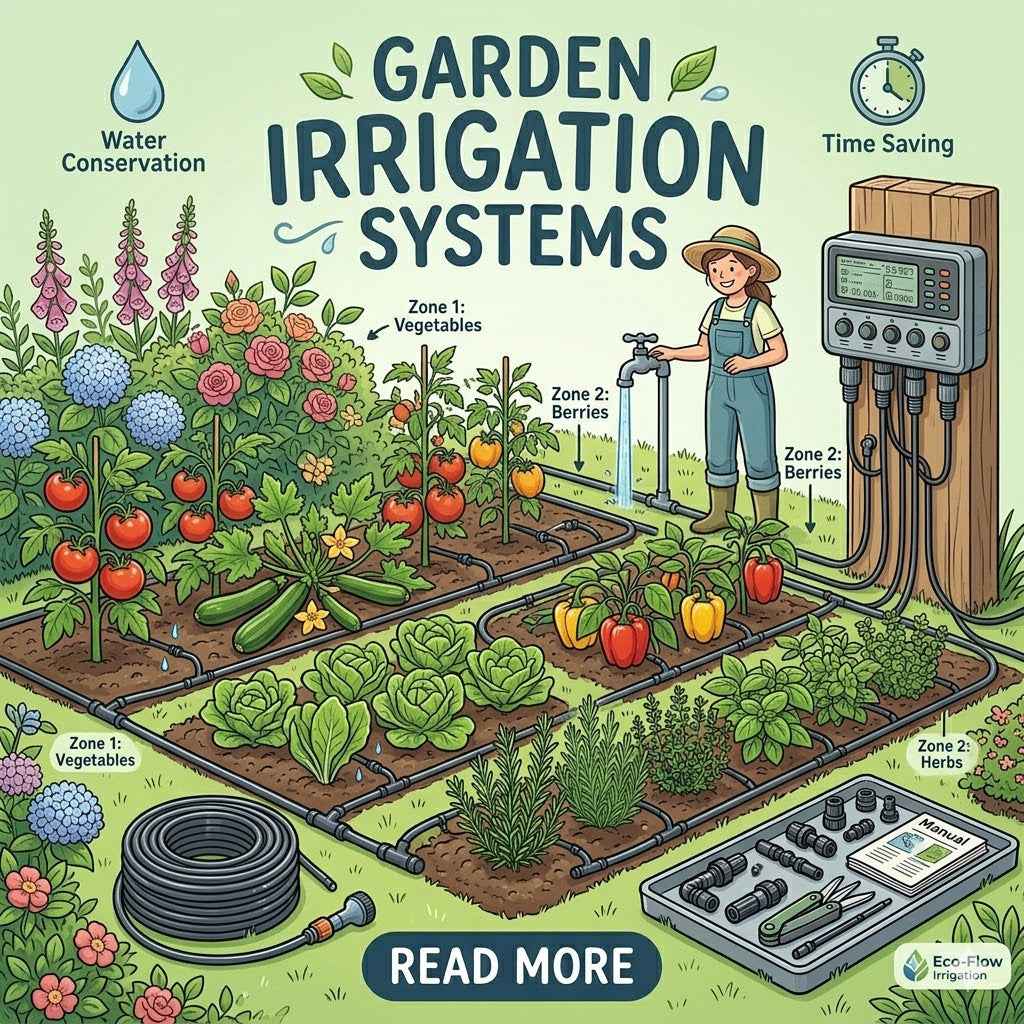
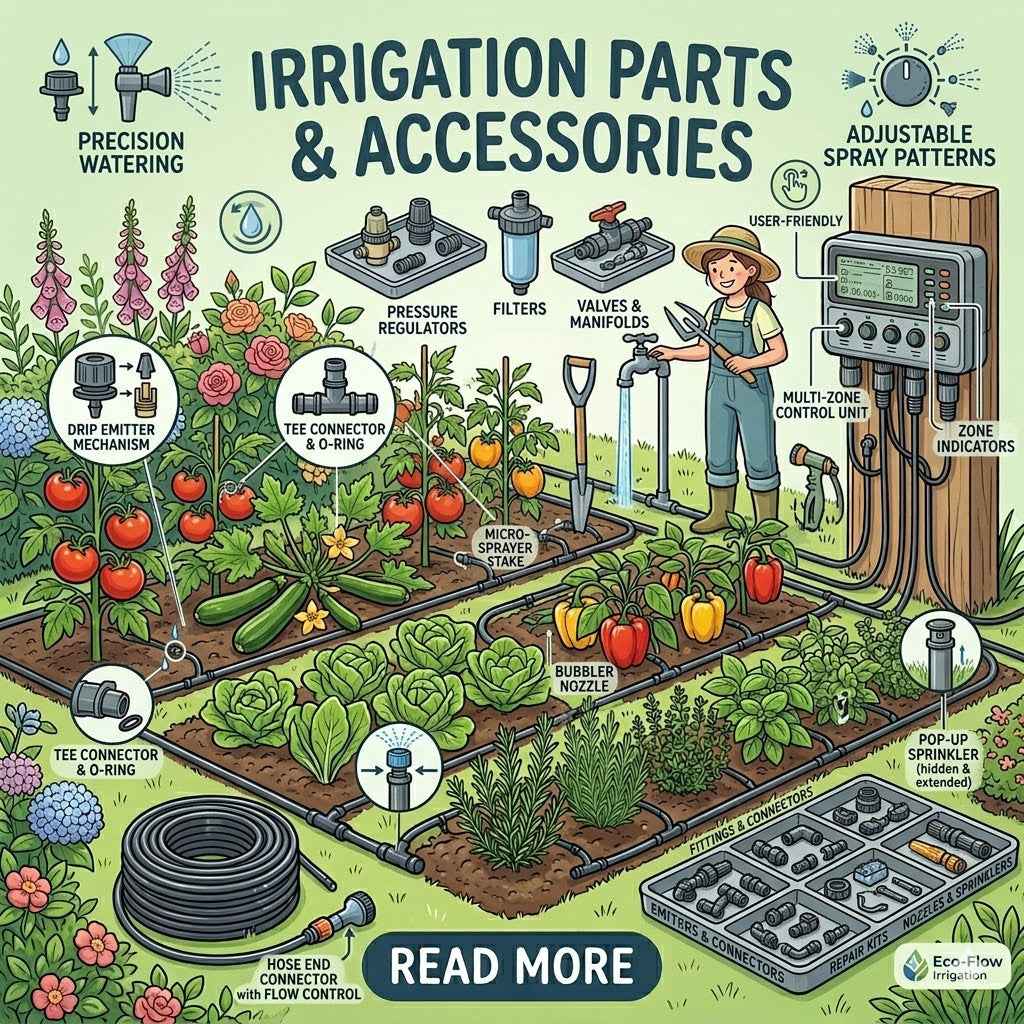
For larger indoor collections or lush greenery in a conservatory, a Hozelock watering kit offers a scalable alternative. These kits use active irrigation, where water is pushed through thin 4mm pipes directly to each pot. This transition from standalone pots to a linked system is the most efficient way to ensure every plant receives the exact amount of water it needs without you having to lift a watering can. While a Boskke til planter is excellent for aesthetics and small-scale convenience, Hozelock systems are built for those who want to automate the health of a larger botanical display.
Maintenance and Longevity Comparison
Maintenance requirements differ significantly between these two methods. To keep a Boskke reservoir functioning, you'll need to scrub the ceramic disc every 3 to 4 months to remove mineral deposits. It's a simple task that takes less than 5 minutes. Conversely, an active Hozelock automatic watering system requires an annual flush of the drip lines to prevent biofilm or limescale from blocking the emitters. While the terracotta discs are durable, they can crack if dropped; the plastic Hozelock emitters are virtually indestructible under normal indoor conditions. Beginners often prefer the "plug and play" nature of Boskke, but experts value the customisation that drip lines provide.
The Role of Water Timers
The Boskke system is "always on," meaning the plant draws water through the disc whenever the soil is dry. This is reliable but lacks the precision needed for specific growth cycles. By using garden irrigation water timers with a Hozelock setup, you can schedule watering for 2 minutes at sunrise when evaporation is lowest. This is particularly useful for holiday-proofing. You can even combine methods by using a timer-controlled pump to refill your Boskke reservoirs while you're away, creating a truly fail-safe indoor garden. This level of control ensures your herbs thrive even during a two-week summer break.
Ready to upgrade your plant care routine? Shop our professional Hozelock watering kits today.
Maintaining Your Boskke Planter for Years of Growth
To keep your Boskke til planter performing at its peak, regular maintenance is essential. Over time, the minerals found in UK tap water can accumulate on the ceramic surfaces. You should clean the reservoir every three months using a soft cloth and a mild solution of white vinegar and water. This prevents limescale from clogging the system and ensures your herbs always have access to clean hydration.
The terracotta disc is the engine of the self-watering mechanism. If you notice a white, powdery crust forming on the disc, it's time for descaling. Soak the disc in a 50/50 water and vinegar mix for 30 minutes to dissolve mineral deposits. If the disc remains brittle or water stops seeping through after cleaning, replace it to avoid stressing your plants. A healthy disc should feel slightly porous to the touch.
Soil nutrients naturally deplete as your herbs grow. Every six months, replace the top 2 to 3 centimetres of soil with fresh, high-quality compost. During the winter months in the UK, plant growth slows significantly due to reduced light levels. You'll find the reservoir lasts twice as long as it does in July. Don't force water into the system during this dormant phase; let the plant's natural intake dictate the pace.
Troubleshooting Common Issues
If the soil feels dry despite a full reservoir, an air pocket might be preventing contact between the soil and the terracotta disc. Gently press the soil down to ensure a firm connection. For fungus gnats, which thrive in moist environments, try adding a 1cm layer of decorative grit to the soil surface. This prevents them from laying eggs. If you're refilling the reservoir more than twice a week, your plant has likely outgrown the pot and requires repotting into a larger Boskke til planter model.
Expert Advice for a Thriving Indoor Garden
We recommend using liquid fertilisers at half-strength directly in the reservoir every third refill during the growing season. This ensures even nutrient distribution to the root zone. To prevent salt build-up from these fertilisers, flush the soil once every three months by pouring fresh water through the top of the soil until it drains out. This maintains a healthy pH balance for your herbs. Use this final checklist to keep your system efficient:
- Monthly: Wipe leaves with a damp cloth to remove dust and improve photosynthesis.
- Quarterly: Inspect the terracotta disc for mineral blockage or cracks.
- Seasonally: Adjust watering frequency based on indoor temperatures and light levels.
- Annually: Perform a deep clean of the entire unit to remove all organic residue.
Following this routine ensures your indoor garden remains a low-maintenance, high-reward feature of your home for years to come. By treating the system with the same care as your plants, you'll enjoy a lush, healthy herb garden regardless of the season.
Transform Your Home With Effortless Indoor Gardening
Using a Boskke til planter simplifies indoor herb care by providing a consistent water supply through its clever ceramic reservoir. You've seen how this system prevents overwatering and supports healthy root development with minimal daily effort. It's the perfect solution for keeping kitchen staples like basil and mint fresh throughout the year. We understand that success comes from using the right tools designed for specific environments.
As specialists with over 15 years of irrigation experience, our team at Garden Watering provides the expert advice you need to ensure every plant thrives. We focus exclusively on high-quality systems and offer dedicated UK-based support for all your hydration queries. Whether you're tending to a small windowsill collection or a large outdoor border, we're your trusted irrigation partner. Take the next step in perfecting your garden's hydration by exploring our professional equipment.
Browse our full range of Hozelock Watering Solutions for your garden to find the ideal match for your outdoor space. With the right setup, you'll enjoy a lush, healthy garden that remains vibrant in every season.
Frequently Asked Questions
How often do I need to refill the Boskke Till Planter reservoir?
You typically need to refill the reservoir every two to four weeks depending on the plant species and your home's humidity levels. For example, a thirsty basil plant in a sunny 20°C kitchen might require a top-up every 14 days, while a hardy rosemary could last nearly a month. The transparent water level indicator allows you to check the status at a glance so your herbs never go thirsty.
Can I use any type of soil or compost in the Boskke planter?
You should use a high-quality, peat-free potting compost to ensure the best results with your Boskke til planter. Standard garden soil is often too dense and may compact, which prevents the terracotta disk from effectively wicking water to the roots. A well-draining mix containing perlite or vermiculite helps maintain the 30% air porosity that indoor herbs need to thrive without rotting.
Is the Boskke Till Planter suitable for outdoor use in the UK?
The Boskke Till Planter is designed specifically for indoor use and isn't recommended for outdoor gardens in the UK. Because the reservoir doesn't have an overflow outlet, a typical British rain shower of 5mm or more could quickly flood the system and saturate the soil. Keeping it on a windowsill ensures you can control the moisture levels precisely, protecting your herbs from unpredictable weather.
What is the difference between the Small and Large Till Planter sizes?
The primary difference lies in the external dimensions and the total water capacity of the internal reservoir. The Small Till Planter measures 13cm in height and width, making it ideal for standard 10cm supermarket herb pots. The Large version measures 15cm, providing extra space for established plants with larger root systems. Both sizes utilise the same efficient terracotta wicking technology to keep your greenery healthy.
Why is my plant wilting even though there is water in the reservoir?
Wilting often indicates that the terracotta disk is blocked or the roots have become waterlogged from over-saturation. If the disk is covered in white mineral deposits, it can't wick water effectively, leaving the soil dry despite a full reservoir. Alternatively, if the soil feels soaking wet, your plant might be suffering from root rot. We recommend checking the disk every 6 months to ensure consistent water delivery.
How do I clean the terracotta disc if it becomes clogged with minerals?
You can clean the terracotta disk by soaking it in a solution of one part white vinegar to four parts warm water for 30 minutes. This mild acid breaks down the calcium and lime scale that builds up from hard tap water in many UK households. After soaking, gently scrub the surface with a soft brush and rinse it thoroughly before reassembling your Boskke til planter to restore its capillary action.
Can I grow seeds directly in the Boskke Till Planter?
You can grow seeds directly in the planter, though you must manually water the soil surface for the first 7 to 10 days. Since the wicking system delivers water to the bottom of the pot, newly sown seeds at the surface won't reach the moisture until their roots grow deeper. Once the seedlings are 3cm tall, the self-watering system will take over and provide the consistent hydration needed for growth.
Is the Boskke Till Planter really 100% recyclable?
Yes, the Boskke Till Planter is fully recyclable because it's constructed from high-quality, BPA-free plastic and natural terracotta. The outer shell is made from a durable polymer that's accepted by most UK kerbside recycling schemes. By choosing this system, you're investing in a sustainable solution that reduces the waste associated with disposable plastic herb pots found in supermarkets. It's a choice that helps both your garden and the environment.
`-
Posted in
Boskke til planter