The Ultimate Guide to Brass Hose Connectors: Why Professionals Upgrade in 2026
A plastic fitting that shatters after one cold night isn't just a nuisance; it's a fundamental failure in your irrigation's foundation. While standard connectors are often treated as disposable, professionals know that the right brass hose connector is the only way to ensure a truly permanent, leak-free system. It's common to feel frustrated when a hose pops off under pressure or a tap connection starts spraying water everywhere but the garden. You likely want equipment that works as hard as you do, surviving both UV exposure and the harshest winter frosts without cracking.
This guide shows you exactly why upgrading to brass is the definitive choice for anyone serious about a high-performance garden. We'll look at how these heavy-duty fittings integrate with your Hozelock automatic watering or drip irrigation systems to provide total reliability. You'll discover the technical advantages of brass over plastic and why this simple change is the key to a professional-grade setup that lasts a lifetime.
Key Takeaways
- Learn why solid brass is the professional choice for longevity, outlasting plastic fittings through many freezing winters.
- Discover how a high-quality brass hose connector maintains a secure grip even under the highest UK mains water pressure.
- Master the technical details of BSP threads and hose diameters to select the perfect fit for your specific garden tap.
- Find out how to achieve a zero-leak connection by following a simple, professional installation method.
- Understand the best way to combine heavy-duty brass components with your current Hozelock setup for maximum efficiency.
Why Professionals Choose Brass Hose Connectors for UK Gardens
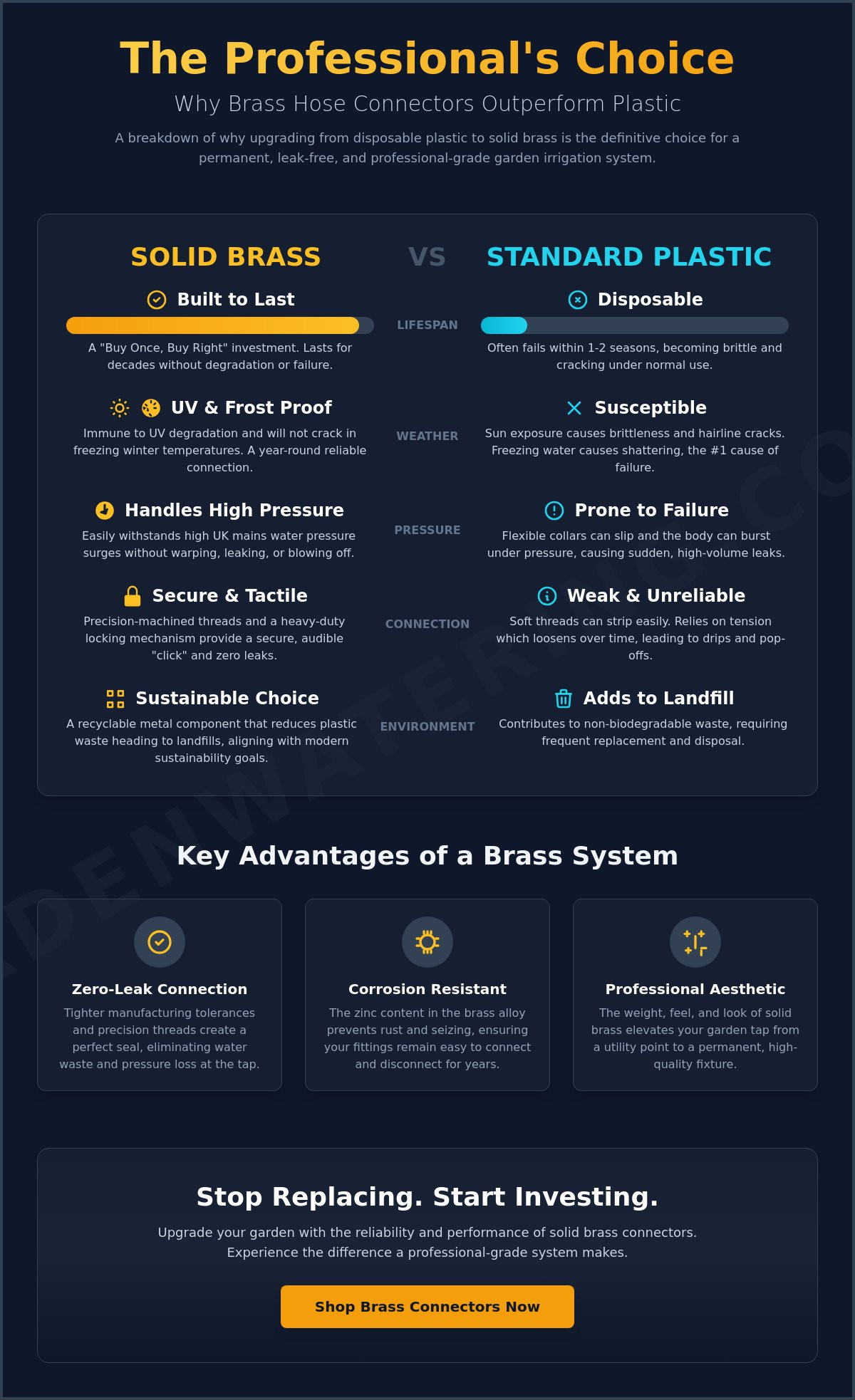
A brass hose connector is a heavy-duty garden fitting engineered from solid brass, a robust alloy of copper and zinc. While plastic alternatives often dominate the market, professionals consistently choose brass for its incredible longevity. This preference is rooted in a "Buy Once, Buy Right" philosophy. Instead of replacing brittle plastic parts every season, you invest in a component that can serve your garden for decades without failing. It's the simplest way to upgrade a standard tap into a high-performance irrigation point.
The physical resilience of these fittings is unmatched. If you accidentally step on a plastic connector or catch it with a lawnmower, it usually shatters immediately. Brass remains intact under the same pressure. Choosing metal also supports sustainability goals for 2026. By moving away from disposable plastic and opting for recyclable metal components, you significantly reduce the amount of non-biodegradable waste heading to landfills. It's a choice that benefits both your garden's efficiency and the environment.
To better understand the benefits of these durable fittings, watch this helpful video:
Brass vs. Plastic: The Durability Breakdown
The primary enemy of outdoor equipment is the sun. UV exposure causes plastic to become bleached and brittle over time, leading to hairline cracks that eventually burst under pressure. Brass is entirely UV stable. Its structural integrity doesn't degrade regardless of how many summers it spends in direct sunlight. This stability extends to the threads. Unlike plastic, which can easily cross-thread or strip if tightened too quickly, brass threads remain sharp and secure for years. This is crucial for maintaining UK garden hose standards and ensuring a watertight seal at the tap. Additionally, brass handles the fluctuating UK climate with ease. It won't crack during a deep winter frost, which is the most common cause of failure for standard garden fittings. You don't have to worry about rushing outside to disconnect everything at the first sign of ice.
The Professional Aesthetic and Feel
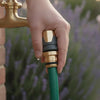
There's a distinct tactile advantage to using premium materials. You'll immediately notice the reassuring weight and the crisp, audible "click" when you attach a brass fitting to your equipment. Professional landscapers prefer these systems because they offer a level of reliability that matches their own expertise. A solid brass tap connector also provides a cleaner, more integrated look for your outdoor space, improving the overall kerb appeal of your home's exterior. It looks like a permanent fixture rather than a temporary plastic add-on. To see how these integrate with your existing setup, you can explore our range of Hozelock connectors designed for professional performance. This small change transforms the entire user experience, making your daily watering routine feel effortless and dependable.
Key Performance Advantages: Pressure and Weather Resistance
UK mains water pressure can be surprisingly high, often reaching levels that push plastic fittings to their breaking point. A solid brass hose connector provides the structural strength needed to withstand these surges without warping or failing. Brass uses precision-machined threads and heavy-duty locking mechanisms. This is a significant upgrade from plastic, which relies on tension from a flexible collar that can easily slip. This high-grade engineering ensures that the connection remains secure even when you're using high-flow equipment or commercial-grade irrigation pumps.
Corrosion resistance is another critical factor for any outdoor system. The zinc content in the brass alloy acts as a protective agent, preventing the metal from rusting or seizing over time. This follows modern brass fitting standards, ensuring that your equipment remains easy to disconnect even after years of exposure to the elements. These tighter manufacturing tolerances mean you won't deal with the annoying "drip-drip" at the tap that wastes water and ruins your pressure. It creates a truly leak-free environment for your garden.
Handling High-Pressure Irrigation Systems
When you use automatic watering systems, the network faces unique stresses. One common issue is "hose pop-off," where a sudden surge of pressure causes the hose to fly off the connector. Brass fittings use a more aggressive internal grip on the hose wall to prevent this failure. They are also vital for managing the "water hammer" effect. This happens when an automatic valve shuts off quickly, sending a shockwave of pressure back through the pipes. Metal fittings absorb this energy without cracking, protecting your entire irrigation investment.
Weatherproofing Your Watering Setup
UK weather is notoriously unpredictable, but brass is built to handle the shifts. Metal has a natural ability to expand and contract during temperature changes without losing its shape or shattering. This frost resistance is a major advantage for year-round outdoor tap connections. If you live in a coastal area, you'll also appreciate the resistance to saltwater corrosion. Salt air can degrade plastic and cheaper metals rapidly, but high-quality brass remains unaffected. It's a reliable choice for maintaining a permanent connection in any environment. If you're looking to build a truly resilient system, consider pairing these fittings with our range of garden irrigation water timers for complete peace of mind.
Choosing the Right Size: 1/2" vs 3/4" Brass Fittings
Understanding UK plumbing standards is the first step toward building a truly reliable irrigation network. Most outdoor taps in the UK follow the BSP (British Standard Pipe) thread system. A frequent point of confusion for many gardeners is that the named size of a fitting doesn't match its physical measurement with a ruler. For example, a 3/4" BSP thread actually measures approximately 26.4mm across. Selecting the correct brass hose connector depends on matching these thread sizes accurately so the internal rubber washers can compress fully and create a watertight seal.
Modern brass adaptors have perfected the "Quick Click" system, which is the standard snap-on connection used across the industry. This design allows you to swap between different accessories in seconds. If you're managing a complex garden layout, you might also need reducers or adaptors. these components allow you to bridge the gap between different pipe sizes, such as connecting a high-flow main line to a smaller domestic hose without risking a leak at the junction point.
The 3/4 Inch Tap Connector Standard
The 3/4" BSP size is the most common standard for modern UK outside taps. If you aren't sure what size you have, you can use a simple coin measurement test. A £1 coin has a diameter of roughly 23mm. If your tap's threaded outlet is slightly wider than the coin, you almost certainly need a 3/4" fitting. For older properties with smaller taps, you might require a 1/2" BSP version. Choosing a threaded tap connector made of solid brass ensures the threads won't strip or cross-thread when you tighten them, which is a common failure point with plastic alternatives.
Selecting Connectors for Your Hose Diameter
After securing the tap connection, you must match the fitting to the internal diameter of your hose. Most domestic hose pipes use a 1/2" (12.5mm) diameter, which is perfectly suited for standard garden tasks. However, for professional-grade irrigation or larger gardens, you might opt for a 3/4" (19mm) heavy-duty hose to maintain higher water volume. When choosing your brass hose connector, always look for an "Auto-Stop" feature for the accessory end. This internal valve stops the water flow the moment you disconnect a spray gun. It saves you from walking back to the tap and prevents the hose from whipping around and wasting water while you switch tools.
How to Install and Maintain Brass Fittings for Zero Leaks
Once you've pushed the hose firmly into the connector, tighten the locking nut by hand. A common mistake is using a heavy wrench or pliers to crank the fitting down. Because brass threads are so robust, it's easy to over-tighten them. This can actually distort the rubber washer or damage the threads on your outdoor tap. In most cases, a firm "finger-tight" seal is all you need to achieve a completely watertight connection. If you're building a complex network, you might find our range of irrigation fitting adaptors helpful for connecting different system components together securely.
Achieving a Watertight Installation
If you notice a drip at the tap, don't immediately reach for the tools. Check the internal rubber washer first. These small components are the most common cause of leaks. Over time, grit or mineral deposits from the water can prevent the washer from seating correctly. Unscrew the fitting, wipe the tap face and the washer with a clean cloth, and reattach it. If the leak persists, it's often a "50p fix" simply replace the rubber O-ring or washer to restore the seal to factory standards. This simple maintenance task keeps your professional-grade fittings performing like new for years.
Long-Term Maintenance Tips
A specific challenge with metal fittings is "seizing," where two brass components become bonded together over time due to mineral build-up from hard water. To prevent this, apply a tiny smear of silicone grease to the threads once a year. This keeps the movement smooth and ensures you can always disconnect your equipment when needed. While we've discussed the frost resistance of a brass hose connector, it's still good practice to drain your hoses before the first deep freeze. The metal won't crack, but expanding ice inside the hose can still put unnecessary stress on the internal seals. You can find everything you need to maintain your system in our collection of premium Hozelock connectors, ensuring your garden remains leak-free throughout the seasons.
Upgrading Your Hozelock System with Premium Brass
Many gardeners assume they must choose between an all-metal system or an all-plastic one. In reality, the most efficient approach is a hybrid setup. By using a brass hose connector at the tap, you secure the most vulnerable part of your irrigation network. Brass handles the stress. You still benefit from the universal snap-on compatibility that connects seamlessly with all major brands. The tap connection is the most critical point for an upgrade because it bears the full weight of the hose and the constant pressure of the mains supply.
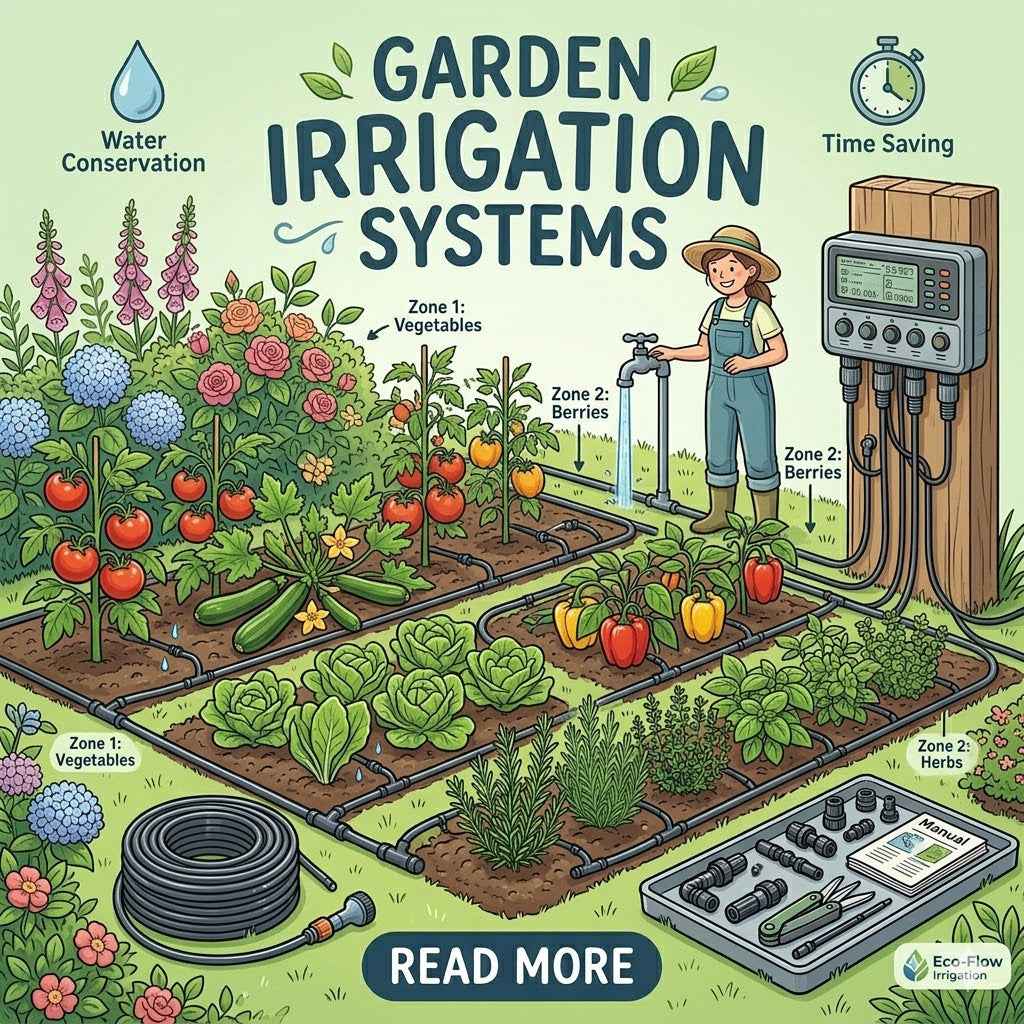
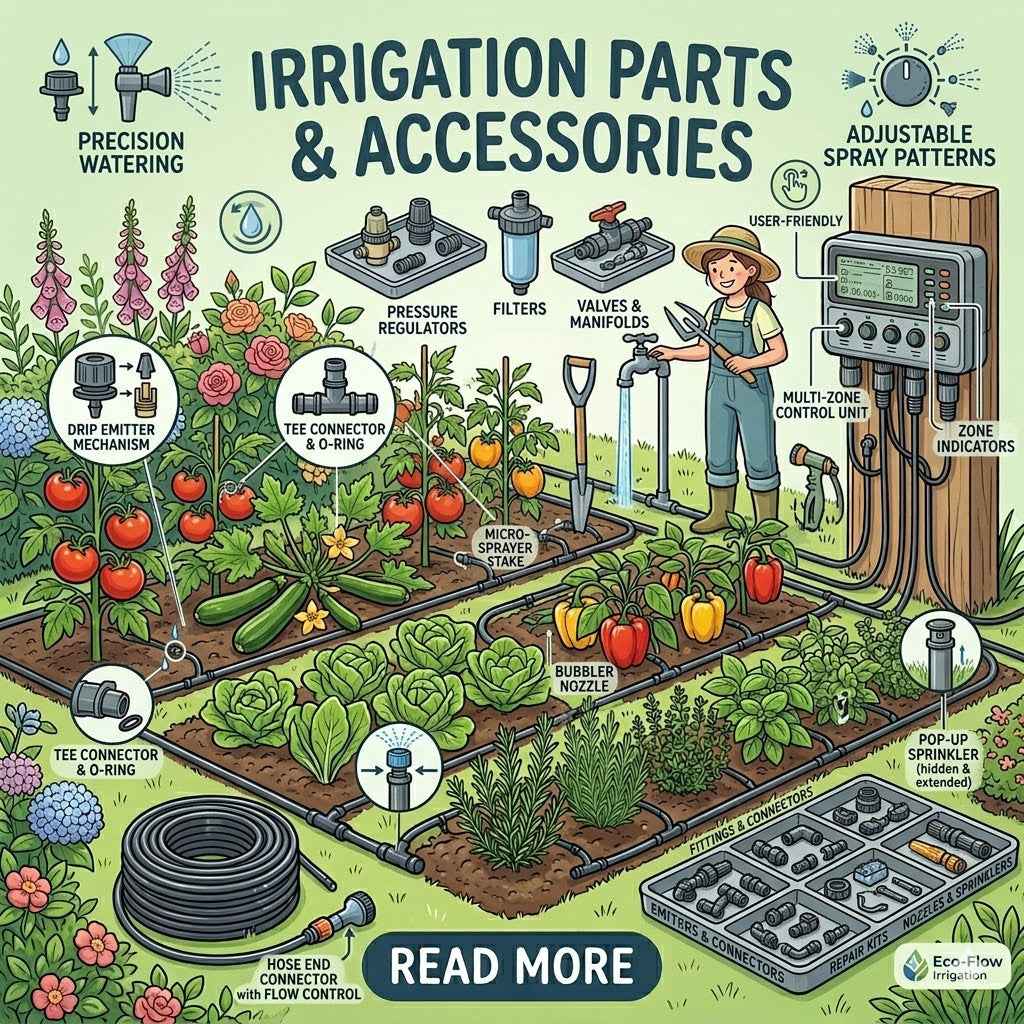
When you're creating a high-flow manifold, brass splitters are essential components. They manage the constant pressure of multiple outlets much better than plastic alternatives, which can bow or leak over time. You can combine these robust splitters with our watering kits to distribute water across different garden zones. This ensures your system remains stable even when multiple lines are running simultaneously. It's a simple way to bring professional-grade reliability to a domestic setting.
The Perfect Hozelock-Brass Hybrid Setup
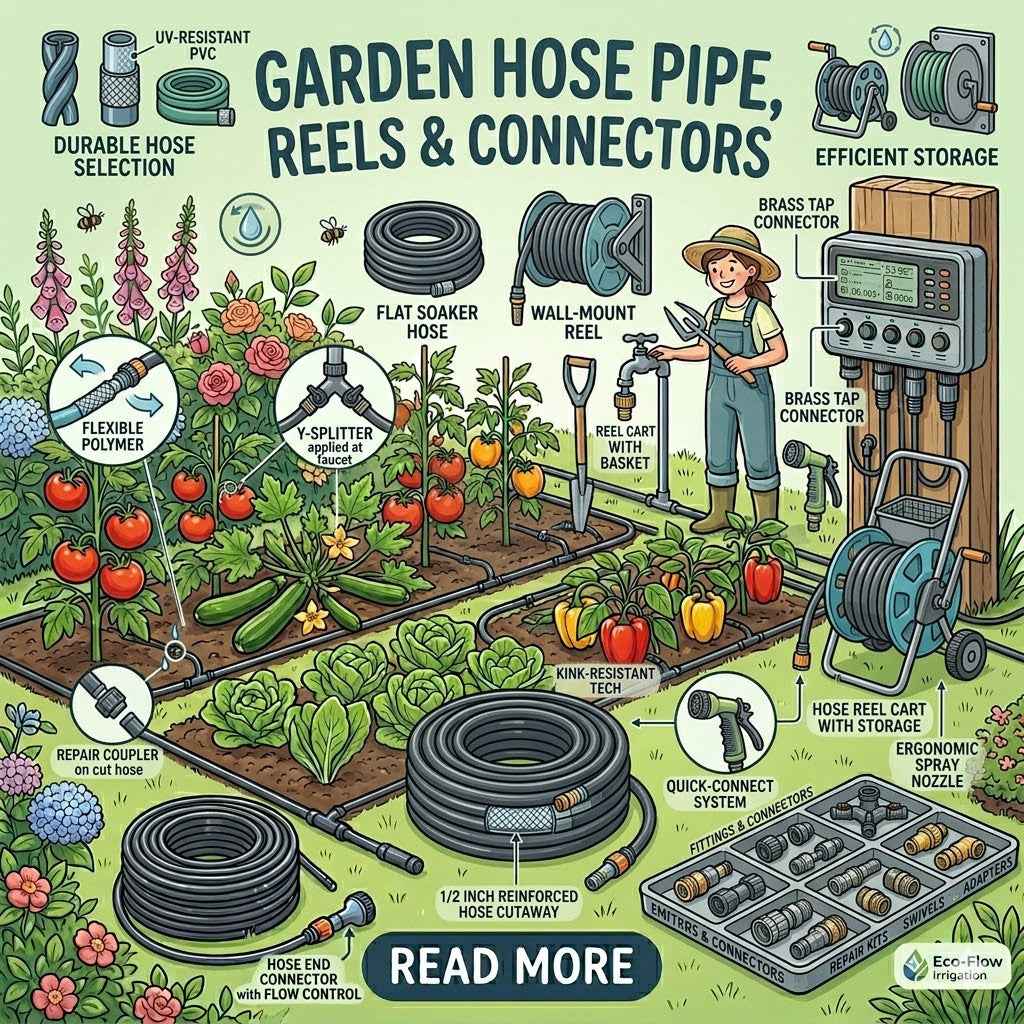
Professionals often use brass at the tap for maximum strength while keeping Hozelock spray guns at the end of the hose. This gives you the durability of metal where it's needed most and the lightweight, ergonomic handling of plastic for manual watering. It is also the ideal way to integrate high-quality fittings into your Hozelock automatic watering layout. Brass tap splitters are particularly superior for multi-zone systems. They don't flex or vibrate when automatic timers shut off, which protects your tap and your pipework from unnecessary wear.
Expert Advice from Garden Watering
Our 15 years of experience in the industry shows that heavy-use gardens always perform better with brass foundations. While plastic is excellent for handheld accessories, the constant torque and water pressure at the tap require something more substantial. If you're beginning an upgrade, we recommend selecting the right irrigation fitting adaptors to bridge your current equipment with new metal components. A brass hose connector used at the start of your hose line is the best investment for long-term success. This foundation ensures you won't deal with the frustration of cracked fittings or mid-summer leaks. You'll enjoy a dependable, high-performance setup that is built to last a lifetime.
Build a Leak-Free Foundation for Your Garden
Upgrading your outdoor setup is about more than just buying new parts; it's about investing in peace of mind. You've seen how a solid brass hose connector provides the structural integrity needed to handle high UK water pressure and harsh winter frosts. By choosing metal over disposable plastic, you're building a system that is both sustainable and incredibly reliable. Remember to match your tap size accurately and perform simple annual maintenance to keep your connections performing like new.
At Garden Watering, we bring over 15 years of UK irrigation expertise to every product we select. We are specialists in Hozelock-compatible solutions, ensuring your new brass fittings integrate perfectly with your current equipment. If you're ready to eliminate leaks for good, we offer same-day dispatch on our premium components. Browse our range of professional Brass Hose Connectors today to secure your irrigation network. Your garden deserves a foundation that lasts a lifetime.
Frequently Asked Questions
Are brass hose connectors better than plastic ones?
Brass hose connectors offer superior durability and impact resistance compared to plastic alternatives. While plastic often becomes brittle under UV exposure, a high-quality brass hose connector maintains its structural integrity for decades. Professionals prefer brass because it handles higher water pressures without warping or cracking. This makes it a more sustainable choice, as you won't need to replace your fittings every season due to wear or frost damage.
Will a brass connector fit my plastic Hozelock spray gun?
Yes, brass connectors are fully compatible with plastic Hozelock spray guns and accessories. They use the same "Quick Click" snap-on mechanism that has become the industry standard for garden irrigation. This allows you to benefit from a heavy-duty metal connection at the tap while still using lightweight plastic handheld tools. It's the ideal hybrid approach for a professional-grade watering system that remains easy to handle during daily use.
Why is my brass hose connector leaking from the tap?
A leaking connection at the tap is usually caused by a worn rubber washer or debris trapped in the threads. If your brass hose connector drips, first check that the internal washer is seated flat and hasn't perished. You should also ensure the tap threads are clean before reattaching. Hand-tightening is typically sufficient. If the leak persists, replacing the rubber O-ring often solves the problem immediately without needing to buy a new fitting.
Do brass hose fittings rust over time?
Brass fittings do not rust because they contain no iron, which is the primary requirement for rust to form. Instead, brass may develop a natural patina or surface oxidation over time, which actually protects the metal from further corrosion. This makes it an excellent choice for coastal gardens where salt air quickly destroys cheaper metals. While they won't rust shut, they can seize if mineral deposits build up in the threads.
What size brass connector do I need for a standard UK garden tap?
Most modern UK outside taps require a 3/4" BSP threaded tap connector. Although the name suggests a physical measurement, a 3/4" BSP thread actually measures about 26.4mm in diameter. If you have an older or smaller tap, you might need a 1/2" BSP fitting instead. You can confirm your size by checking if a £1 coin fits loosely inside the threaded outlet; if it does, you likely need the 3/4" standard.
Can I leave brass hose connectors outside during winter?
You can safely leave brass fittings outside during the winter because they are naturally frost-resistant. Unlike plastic, which can shatter when frozen water expands inside it, brass has the strength to withstand temperature fluctuations. However, it's still best practice to drain your hose and disconnect accessories. This protects the internal rubber seals and O-rings from being damaged by ice, ensuring your system remains watertight when spring arrives.
How do I stop my brass fittings from seizing together?
To prevent brass fittings from seizing, apply a small amount of silicone grease to the threads once a year. This is especially important in hard water areas where lime and mineral deposits can act like glue over time. Avoid using petroleum-based lubricants, as these can degrade the rubber washers inside the connector. A quick annual application ensures that your metal components remain easy to unscrew and adjust whenever you need to modify your layout.
Is brass safe for drinking water (LBO)?
Standard brass fittings may contain small amounts of lead to improve machinability, so you should check for specific lead-free certifications if you intend to use them for drinking water. For general garden irrigation and watering plants, standard brass is perfectly safe and widely used. If your application involves filling a motorhome tank or a drinking bowl, look for fittings that meet modern UK standards for potable water safety to ensure total peace of mind.
`-
Posted in
brass hose connector, garden maintenance, gardening tips, heavy duty fittings, Hozelock, irrigation systems, leak-proof, watering systems