Self-Watering Systems: The Ultimate Guide for a Thriving, Low-Maintenance Garden
Imagine leaving for a holiday with complete peace of mind, knowing your garden will be just as lush and healthy when you return. For many gardeners, the daily question of 'have I watered too much, or not enough?' can be a constant source of stress. This is where the quiet efficiency of a self watering system becomes an invaluable garden ally—a reliable, high-quality solution designed to eliminate the guesswork and deliver the perfect amount of moisture directly to your plants' roots, precisely when they need it.
As irrigation specialists, we understand you want a thriving garden with minimal effort. In this ultimate guide, we provide the expert advice you can trust to make that a reality. We will explore how these clever systems work, help you choose the best type for your specific needs and budget, and provide clear, step-by-step instructions for a successful setup. Get ready to save time, conserve water, and enjoy a flourishing, worry-free garden all year round.
Key Takeaways
- Understand how a self watering system provides consistent moisture to your plants, and compare the main types to find the most efficient solution for your garden.
- Discover how to create a simple, low-cost watering solution yourself with our easy-to-follow DIY projects using common household materials.
- Learn the key factors for choosing the right pre-made kit, ensuring you get a reliable and effective system perfectly suited to your garden's size and needs.
- Get a straightforward maintenance checklist to keep your system in top condition, ensuring your plants thrive with minimal effort for years to come.
What Is a Self-Watering System and Why Does Your Garden Need One?
At its core, a self watering system is a smart and efficient solution designed to provide your plants with a consistent supply of water, without daily manual effort. It elegantly solves one of the most common gardening challenges: inconsistent watering. Whether it's the rush of a busy week or a simple oversight, both overwatering and underwatering can stress your plants. A reliable irrigation system removes the guesswork, delivering the right amount of moisture directly where it's needed most.
To see a simple DIY version in action, this video offers a great visual explanation of the core concept:
The Simple Science: How Do Self-Watering Systems Work?
The technology behind these systems is remarkably straightforward and often mimics nature. Most self-watering pots and containers use a reservoir of water at the base and a wicking mechanism. Through a process called capillary action—much like how a paper towel draws up a spill—the soil pulls water from the reservoir as it dries out. This ensures the roots take only the moisture they need, when they need it. More advanced setups, like drip irrigation, use gravity or low pressure to deliver water directly to the base of each plant, eliminating waste. The fundamental principle of what is a self-watering system is that the plant, not the gardener, dictates the watering schedule.
Key Benefits for Every Gardener
Integrating an automated watering solution offers practical advantages that help any garden thrive. As irrigation specialists, we've seen first-hand how these systems transform garden maintenance and plant health.
- Time-Saving Convenience: Spend less time with the hose or watering can and more time enjoying your garden. These systems offer a 'set it and forget it' approach to a daily chore.
- Healthier, Happier Plants: By providing a consistent water supply, you prevent the cycle of drought and drenching that leads to stress and root rot. Plants grow stronger and more resilient.
- Outstanding Water Efficiency: Water is delivered directly to the roots, drastically reducing loss from evaporation. This is not only environmentally friendly but also crucial during the UK's summer hosepipe bans.
- Holiday-Proof Your Garden: Enjoy your time away with complete peace of mind, knowing your plants are being cared for. You'll return to a garden that's just as lush and healthy as when you left.
Types of Self-Watering Systems: From Simple Spikes to Smart Kits
Choosing the right self watering system depends entirely on your garden's unique needs. From a single houseplant on your windowsill to an entire vegetable patch, there is an efficient solution available. Understanding the main categories will help you select the most effective and practical option, ensuring your plants receive consistent moisture with minimal effort from you. Let's compare the most popular types to find the perfect fit for your space.
Reservoir & Wicking Systems for Pots and Planters
This is often the simplest entry point into self-watering. These systems use a reservoir of water, typically in the base of a pot or a tray underneath, and a wicking material like a cord or mat. The wick draws water up into the soil via capillary action as the plant needs it, preventing both over- and under-watering. These are widely available as all-in-one self-watering planters, but it's also possible to create your own DIY Self-Watering Systems with basic components.
- Best for: Individual potted plants, houseplants, container gardens, and hanging baskets.
- Pros: Very easy to set up, low-cost, and ideal for keeping plants hydrated during holidays.
- Cons: Reservoirs need manual refilling and are best suited for individual pots rather than large areas.
Automated Drip Irrigation Kits for Garden Beds
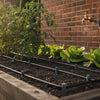
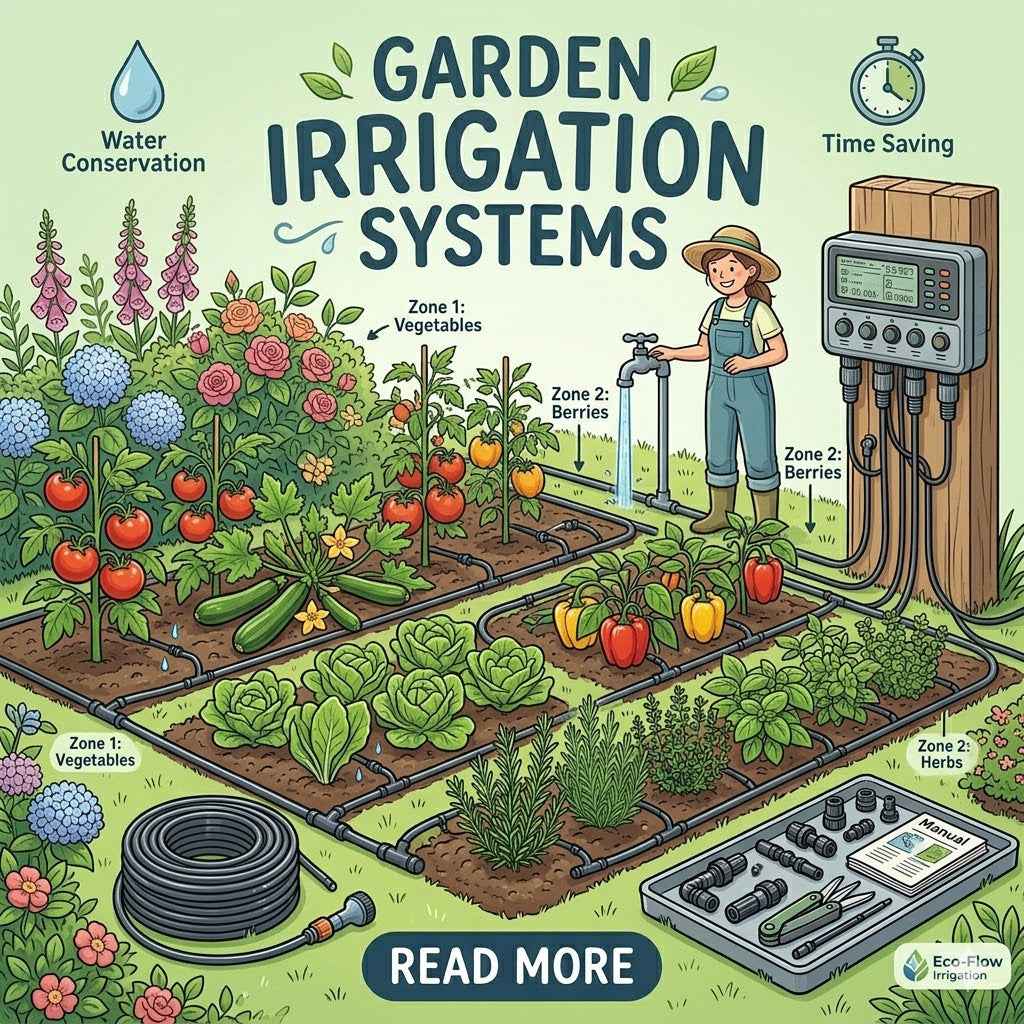
For larger areas like vegetable patches, borders, or greenhouses, an automated drip irrigation kit is the gold standard. These systems use a network of pipes and small emitters to deliver water slowly and directly to the base of each plant. This targeted approach is incredibly water-efficient. By connecting the system to a water timer, such as those from a trusted brand like Hozelock, you can create a fully automated schedule for a truly low-maintenance garden.
- Best for: Vegetable gardens, flower beds, greenhouses, and rows of hedges or shrubs.
- Pros: Highly efficient, minimises water waste, scalable, and fully customisable to your garden layout.
- Cons: Higher initial setup cost and requires more planning than simpler methods.
For those looking to move beyond seasonal outdoor gardening, the principles of automated watering are perfected in indoor hydroponic setups. These systems, often housed in grow tents, provide complete environmental control for year-round cultivation. To see what's possible with this technology, you can learn more about Discount Hydro, a UK-based specialist in the field.
Slow-Release Solutions: Globes, Spikes & Ollas
These simple devices provide a passive, gradual supply of water. Decorative glass watering globes or plastic spikes are filled with water and inserted into the soil, releasing it slowly as the soil dries. A more traditional method is the olla (pronounced 'oy-ya'), an unglazed terracotta pot that is buried in the soil and filled with water, which seeps out through the porous clay to irrigate nearby plant roots. This is an excellent, low-tech self watering system for targeted hydration.
- Best for: Watering a few specific plants, short holidays, or providing deep watering in arid spots.
- Pros: Inexpensive, often decorative, requires no plumbing or electricity, and very easy to use.
- Cons: Limited water capacity, needs frequent refilling, and is not suitable for large-scale irrigation.
DIY Self-Watering Systems: 3 Simple Weekend Projects
Creating your own self-watering system is a rewarding and cost-effective way to care for your plants, especially if you're just starting out or have a few pots to manage. These simple projects use common household items, making them an accessible entry point into automated garden care. With just a little time this weekend, you can build a functional system that gives your plants the consistent moisture they need to thrive.
Project 1: The Classic String Wicking System
This method is brilliantly simple and perfect for individual potted plants, both indoors and out. It operates on the principle of capillary action, where water is drawn along the string from a reservoir directly into the soil. This consistent, gentle hydration is incredibly effective, a fact supported by research on wicking bed efficiency which demonstrates its value in maintaining optimal soil moisture.
- Materials: A water container (jar or bucket), absorbent cotton string or shoelace, and your potted plant.
- Step 1: Place your water container next to the plant pot, ensuring the water level is below the top of the pot.
- Step 2: Carefully push one end of the string a few inches into the plant's soil, near the roots.
- Step 3: Submerge the other end of the string completely in the water reservoir. The string will now slowly wick water to your plant as the soil dries out.
Project 2: The Upcycled Bottle Drip Irrigator
An excellent way to repurpose plastic bottles, this technique creates a slow-drip irrigator that delivers water directly to the plant's root zone, minimising evaporation. It's ideal for thirsty plants in containers or vegetable patches during a warm spell.
- Materials: A clean plastic bottle (1-2 litre), a small nail or pin.
- Step 1: Puncture several small holes in the bottle's cap. For a slower release, you can pierce a hole or two in the side of the bottle near the top instead.
- Step 2: Fill the bottle with water and secure the cap.
- Step 3: Invert the bottle and push it a few inches into the soil next to your plant. The water will slowly drip out, providing a steady supply of moisture.
When to Upgrade from DIY to a Professional Kit
While DIY solutions are fantastic for small-scale needs or short holidays, they have limitations. They often lack the scalability for larger gardens, the reliability for long-term use, and may not offer the clean aesthetics you desire. Monitoring and refilling individual reservoirs can also become a chore. When you need a dependable, efficient, and discreet solution for your entire garden, patio, or greenhouse, a professional kit offers far better performance and peace of mind. These systems are engineered for even water distribution and can be automated with timers for a true set-and-forget experience.
Ready for a reliable solution? Shop our Hozelock automatic watering kits.
Choosing and Installing a Pre-Made Self-Watering Kit
While building a system from scratch can be a rewarding project, a pre-made kit offers a reliable, efficient, and surprisingly simple solution for busy gardeners. These kits remove the guesswork, providing all the compatible components you need to create an effective self watering system. They are designed by experts to ensure optimal performance, giving you peace of mind and more time to enjoy your thriving garden.
What to Look for in a High-Quality Kit
Choosing the right kit is the first step towards effortless watering. With over 15 years of experience, we know what makes a system last. Look for these key features:
- Durability: Your system will be exposed to the elements, so ensure all pipes and connectors are made from high-grade, UV-resistant materials. This prevents them from becoming brittle in the sun and ensures longevity.
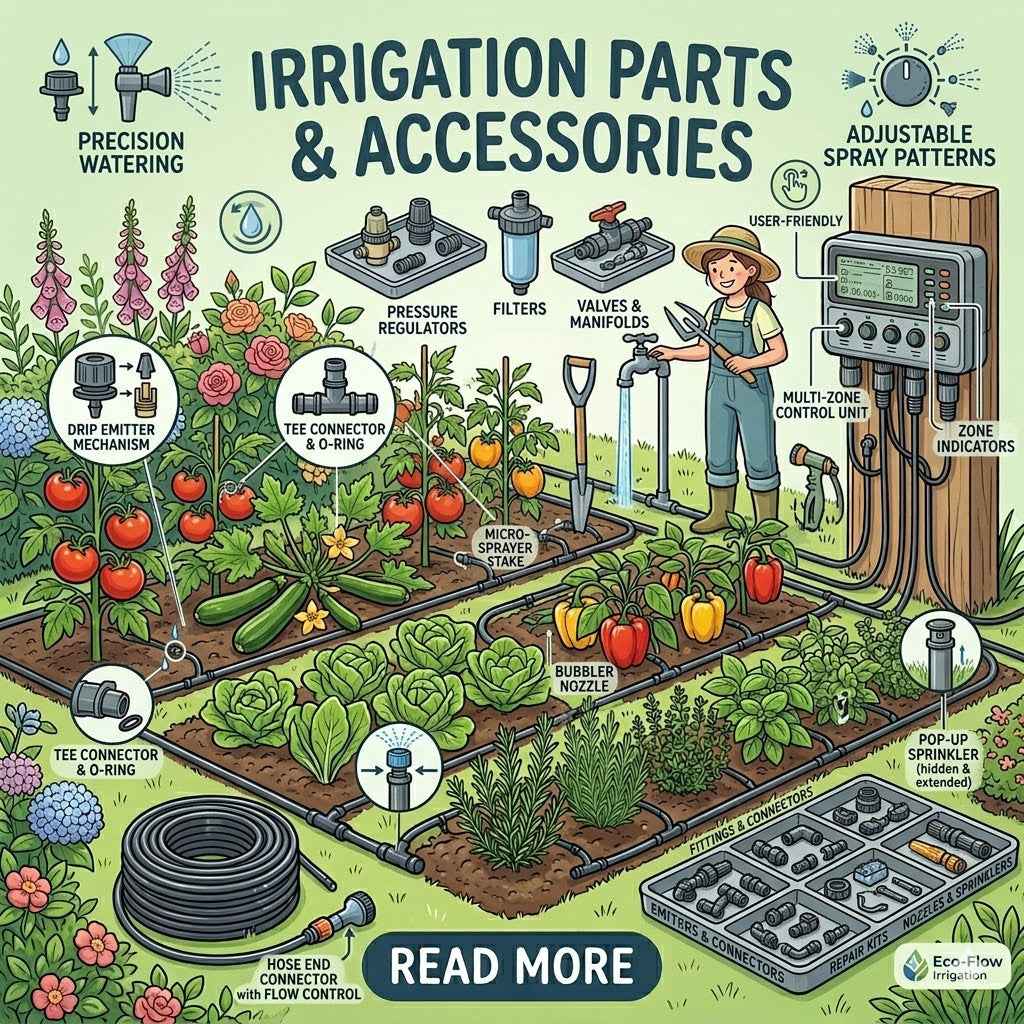
- Completeness: A good kit should be ready-to-go, including the main supply pipe, micro-drippers, connectors, stakes, and a pressure reducer. This saves you from making multiple trips to the garden centre.
- Brand Reputation: We specialise in trusted brands like Hozelock for a reason. Their components are engineered for reliability and compatibility, ensuring your system works flawlessly from day one.
- Expandability: Your garden grows, and your system should be able to grow with it. Choose a modular kit that allows you to easily add more pipes or drippers in the future.
Setting Up Your First Drip System: A Quick Start Guide
Getting started is often the biggest hurdle, but modern kits are designed for straightforward, tool-free assembly. Here’s a simplified overview of the process:
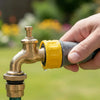
- Connect to Source: Attach the system to your outside tap, usually with a pressure reducer included in the kit to ensure a gentle, even flow.
- Lay the Pipe: Roll out the main 13mm supply pipe, laying it along the length of your flowerbeds, vegetable patch, or pots.
- Insert Drippers: Use the provided tool to puncture the supply pipe where needed and push in the drippers, positioning one near the base of each plant.
- Secure and Flush: Use the ground stakes to secure the pipe. Before connecting the final end stop, turn the tap on for a minute to flush out any debris, then seal the system.
The Brains of the Operation: The Importance of a Water Timer
A drip system waters your plants efficiently, but a water timer makes it truly automatic. This simple device connects between your tap and the irrigation pipe, giving you complete control. You can set the watering frequency (e.g., every day) and duration (e.g., for 15 minutes), ensuring your plants receive consistent moisture even when you're on holiday. Advanced models even offer rain delay functions to conserve water. This ‘little and often’ approach is far healthier for plants than sporadic deep soaks, encouraging strong roots and lush growth. It's the final piece of the puzzle for a low-maintenance, flourishing garden.
For these advanced smart timers to function correctly, they rely on a stable connection to your home's wireless network. If your Wi-Fi signal struggles to reach the garden, it can undermine the reliability of the whole system. Ensuring you have a robust network setup is a crucial first step, and specialists like WaveFox can design and implement solutions to extend seamless connectivity outdoors.
Find the perfect Hozelock water timer for your system.
Maintaining Your System for Long-Term Success
Your new self watering system is designed for minimal effort and maximum efficiency, but a little seasonal care goes a long way to ensure it performs perfectly for years to come. Think of it as a quick health check for your garden's life support. These simple, proactive steps will prevent common issues and protect your investment, guaranteeing your plants continue to thrive.
Regular Checks to Prevent Clogs and Leaks
Performing a quick inspection every few weeks during the growing season can prevent problems before they start. It’s a simple routine that ensures every plant gets the water it needs.
- Check Emitters and Drippers: Visually inspect the drippers while the system is running. If you notice any that are blocked or delivering less water, they can often be cleaned with a small pin or by unscrewing and rinsing them.
- Inspect Pipes and Connectors: Walk the length of your system, looking for any visible signs of damage, pinching, or leaks, particularly where connectors join the pipe.
- Clean the Filter: The filter at the tap connection is your system's first line of defence against debris. Simply unscrew the housing, remove the filter mesh, and rinse it thoroughly under a tap before reassembling.
Winterising Your System to Prevent Frost Damage
In the UK, preparing your system for winter is essential. Frozen water expands, which can easily crack pipes and damage expensive components. Before the first frost, take these steps to protect your system:
First, turn off the water supply and drain the system completely by opening any end caps or taps. Disconnect your water timer and pressure reducer from the tap and bring them indoors. Storing these sensitive electronic components in a dry, frost-free place like a garage or shed will ensure they are ready to go again in the spring.
Adjusting Water Flow for Different Seasons
A smart garden is a responsive one. Your plants' watering needs change dramatically throughout the year, requiring more water during hot, dry summer spells and significantly less in the cooler, wetter months of spring and autumn. The beauty of an automated self watering system is how easy it is to adapt. Simply adjust the schedule on your water timer—increase the frequency or duration in summer, and reduce it in the shoulder seasons. Most importantly, observe your plants and the soil. They are the best indicators of whether you are over or under-watering.
By following this straightforward maintenance schedule, you ensure your system remains a reliable, efficient partner in creating a lush and healthy garden. Should you ever have questions or need specific advice, remember that our team is here to help. We specialise in providing expert irrigation advice you can trust.
Take the Next Step Towards a Thriving, Low-Maintenance Garden
As we've explored, implementing an automatic watering solution is the key to unlocking a healthier garden with far less effort. From simple DIY projects to sophisticated kits, the right self watering system ensures your plants receive consistent moisture, allowing them to truly flourish. You can finally say goodbye to daily watering chores and hello to a lush, vibrant outdoor space that thrives in any weather.
Choosing the perfect setup can seem complex, but you don't have to do it alone. As exclusive Hozelock specialists with over 15 years of irrigation expertise, we are passionate about helping you find the ideal solution. We provide expert advice you can trust, ensuring you have complete confidence in your choice.
Ready to transform your garden? Shop our complete range of Hozelock automatic watering systems and discover the difference expert-backed quality makes. Here's to enjoying a beautiful, low-maintenance garden all season long.
Frequently Asked Questions
How long can a self-watering system keep plants alive while I'm on holiday?
The duration depends on the system's reservoir size, your plants' needs, and the weather. Simple self-watering pots may last 1-2 weeks, perfect for a standard holiday. For longer trips, a drip irrigation kit connected to a water timer and an outdoor tap or a large water butt can keep your garden thriving indefinitely. This provides peace of mind, ensuring your plants receive consistent, reliable moisture while you are away, regardless of how long you're gone.
Do self-watering systems lead to root rot from overwatering?
This is a common concern, but a high-quality self watering system is expertly designed to prevent this very issue. Rather than flooding the soil, these systems use capillary action or a wicking mechanism, allowing the plant to draw up water only as it's needed. This ensures the soil remains moist but not waterlogged, promoting healthy aeration around the roots. It's a far more efficient and safer method than simply leaving plants standing in a tray of water.
Can you use liquid plant feed or fertilizer in a self-watering system?
Yes, using a water-soluble liquid fertilizer is an excellent way to provide consistent nutrients to your plants. However, it is crucial to follow the manufacturer's guidelines for both the feed and the irrigation system. Always ensure the feed is fully dissolved to prevent clogging in narrow tubes or wicks. We recommend periodically flushing the system with plain water to maintain optimal performance and ensure your plants stay lush and healthy throughout the season.
Are self-watering systems suitable for all types of plants, including succulents?
They are highly effective for most plants, especially thirsty varieties like tomatoes, ferns, and leafy greens. For drought-tolerant plants such as succulents or cacti, success depends on the setup. You must use a very well-draining soil mix and ensure the system allows the soil to dry out between waterings. A wicking-based system is often suitable, as it only provides moisture when the soil begins to dry, preventing the constant wetness that succulents dislike.
How much does a typical self-watering drip kit cost in the UK?
The cost varies based on the size and complexity of the kit. An entry-level kit for a small patio or a few containers, like those from Hozelock, typically starts from around £25 to £40. For a more comprehensive solution to cover a larger vegetable patch or greenhouse, often including an automatic water timer, you can expect to invest between £50 and £100. This initial outlay provides excellent value by saving water, time, and ensuring your garden's health.
Do I need good water pressure for a self-watering system to work?
Not necessarily, as it depends entirely on the type of system. Gravity-fed systems that run from a water butt operate on very low pressure and do not require a mains connection at all. Most drip irrigation kits connected to a standard outdoor tap are designed to work efficiently with typical household water pressure. High pressure is generally only a requirement for pop-up lawn sprinklers, not for the discreet and efficient drip systems used for beds and pots.
`-
Posted in
self watering system