Lawn Care During Drought UK: How to Protect Your Grass in 2026
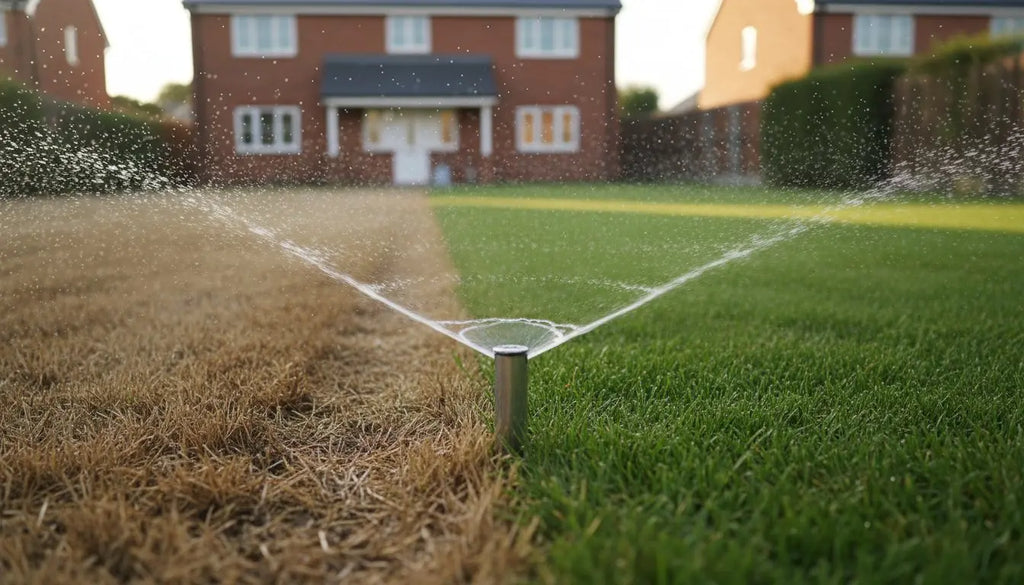
A brown, dormant lawn isn't a sign of failure; it's a natural survival mechanism that protects your grass from the peak of a British summer. After the record-breaking heat of 2025, many homeowners are understandably anxious about lawn care during drought uk as we head into the warmer months of 2026. While reservoir levels recovered to 92.8% this February, the risk of new restrictions remains high for the South East if dry spells persist.
We understand how frustrating it is to watch your garden suffer while trying to navigate complex water regulations. You want a garden that stays healthy without wasting a single drop. This guide provides expert strategies to build a resilient lawn that bounces back quickly once the rain returns. We'll explore how precision tools like Hozelock automatic watering systems and drip irrigation systems can keep your soil moist efficiently, ensuring your landscape survives even the toughest dry spells.
Key Takeaways
- Understand the biological shift to dormancy and why brown grass is often a sign of survival rather than a dead lawn.
- Master the "Tuna Can" test to measure water output accurately; learn why deep, infrequent watering outperforms daily sprinkling.
- Compare the efficiency of manual hoses against timed Hozelock automatic watering systems or drip irrigation to maintain your garden during water restrictions.
- Learn why keeping your grass blades longer protects the soil from evaporation and prevents common maintenance mistakes during dry weather.
- Discover how to future-proof your landscape with drought-tolerant seed and permanent popup sprinkler systems for effective lawn care during drought uk.
Understanding Drought Stress: Why UK Lawns Turn Brown
Drought stress occurs when the moisture lost through grass blades exceeds what the root system can pull from the soil. In the UK, our common cool-season grasses like Perennial Ryegrass and Fescues are well-adapted to frequent rain, making them particularly sensitive to the rising temperatures documented in the history of UK droughts. When the ground dries out, the plant enters a protective state to prevent total dehydration.
Your garden's foundation plays a massive role in how quickly this happens. Clay soils, common across the South East and Midlands, hold significant moisture but can bake into a concrete-like crust that repels water once dry. Conversely, sandy soils drain rapidly, meaning your grass might show signs of stress much sooner. Effective lawn care during drought uk starts with knowing whether your soil acts as a sponge or a sieve. This understanding helps you tailor your watering schedule to match the specific drainage needs of your land.
It's vital to remember that a brown lawn isn't necessarily a dead one. Most established UK lawns can survive in a dormant state for several weeks. Think of it as a biological "sleep" mode where the plant prioritises its life-support systems over its appearance. You don't need to panic at the first sign of yellowing; instead, focus on maintaining the health of the plant's core.
The Science of Grass Dormancy
To save precious energy, grass halts chlorophyll production, which is why it loses its vibrant green colour. It redirects all remaining sugars and moisture to the "crown". This is the whitish, compressed stem at the base of the plant where the blades meet the roots. If you can keep this crown alive, the lawn will recover once the rain returns. Dormancy is a temporary state of suspended growth used to survive extreme environmental stress.
When to Worry: Signs of Heat Scorching
You can test your lawn's resilience using the "footprint test." Walk across the grass; if the blades stay flat instead of springing back, the plant is dangerously dehydrated and likely entering deep dormancy. This is different from fungal issues like Red Thread, which often leaves pinkish, needle-like growths on the blades even when the soil feels moist. While dormancy is a uniform fading, scorching often appears as irregular, brittle patches.
Age matters here. A lawn that's ten years old has a deep, complex root system that can find water in lower soil layers. New turf or recently seeded areas lack this depth and can reach a "permanent wilting point" much faster. These younger lawns require more careful monitoring and precise moisture management using tools like Hozelock watering kits to ensure the roots don't dry out completely and die.
The 4 Pillars of Drought-Resistant Lawn Care
Effective lawn care during drought uk relies on precision rather than volume. While many gardeners reach for the hose daily, this often does more harm than good. A resilient lawn is built on four critical pillars: deep watering, strategic timing, soil management, and resourcefulness. By following these principles, you ensure your grass remains healthy without falling foul of local water restrictions or wasting a precious resource.
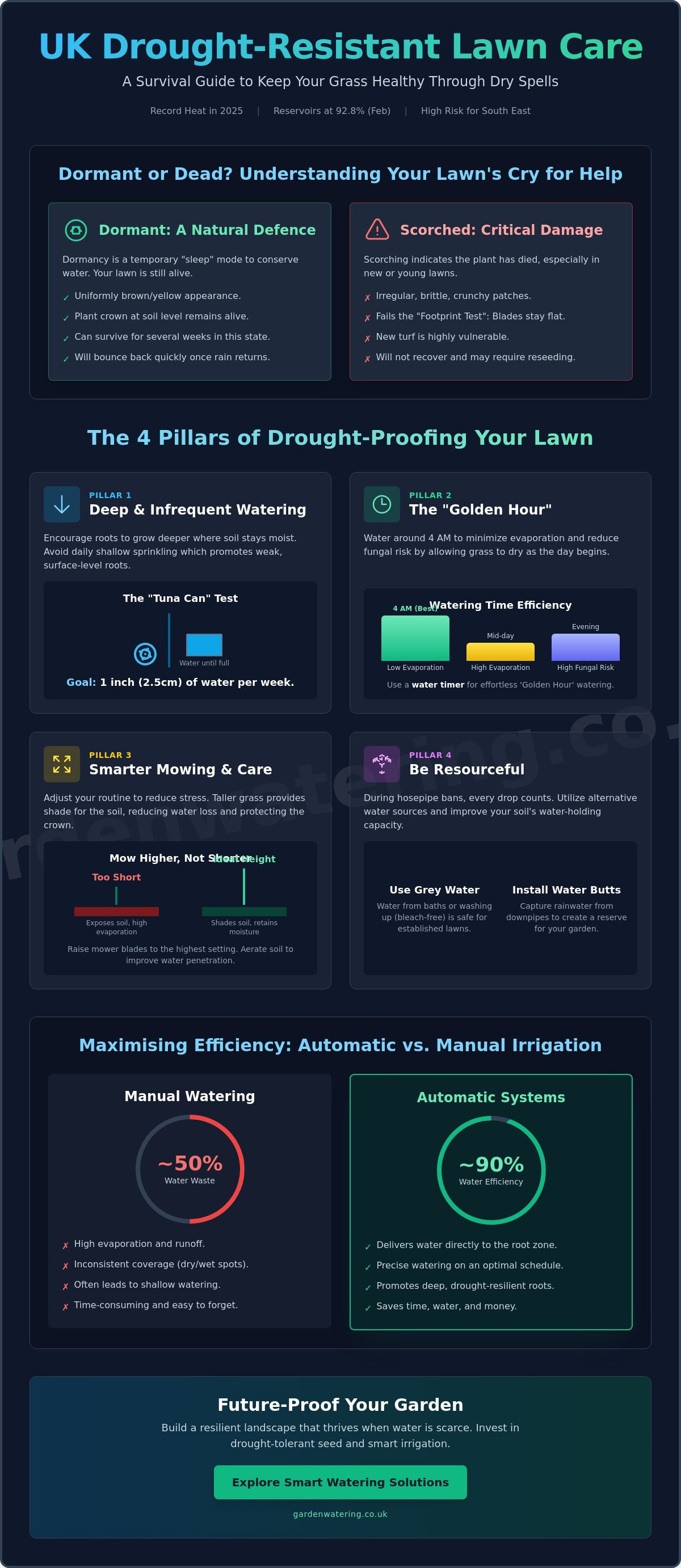
The first pillar is depth. To encourage roots to push deep into the soil where moisture remains, you must provide a substantial soaking. Use the "Tuna Can" test to measure this accurately. Place an empty tuna can on your lawn while your sprinkler is running. Once the can is full, you've applied roughly one inch of water. This is the ideal weekly target for most UK lawns during a dry spell. This method ensures moisture reaches the lower root zone rather than just dampening the surface and evaporating.
Timing is the second pillar. We call 4 AM the "Golden Hour" for UK gardens. Watering at this time allows moisture to soak into the soil before the sun rises and triggers evaporation. Unlike evening watering, which can leave blades damp overnight and encourage fungal diseases, early morning irrigation allows the grass to dry quickly as the day warms up. Using garden irrigation water timers makes hitting this window effortless, even while you're asleep.
The final pillars involve resourcefulness and soil care. When hosepipe bans loom, don't overlook "grey water" from baths or washing up, provided it's free of bleach or harsh chemicals. It's safe for established lawns when used occasionally. Additionally, integrating water butts into your downpipes allows you to store rainfall from those sudden summer thunderstorms, giving you a dedicated reserve for your most vulnerable garden patches.
Mastering Watering Frequency and Depth
Shallow, daily sprinkling is a common mistake. It encourages roots to stay near the surface, making them incredibly vulnerable to heat. By letting the soil dry slightly between deep soakings, you force the grass to grow longer, more resilient roots. This approach is a cornerstone of professional lawn care during drought uk. Calculate your needs by monitoring the weather; if temperatures stay above 25°C for several days, stick to your one-inch weekly goal in a single session rather than spreading it across seven days.
Soil Health and Wetting Agents
During extended dry periods, soil can become "hydrophobic." This means it actually repels water, causing it to pool on the surface or run off into flower beds. Wetting agents, or surfactants, break this surface tension and allow water to penetrate the soil profile effectively. Adding organic matter through autumn top-dressing also improves long-term water-holding capacity. To ensure this moisture is applied evenly across the entire surface, Hozelock watering kits provide consistent pressure and coverage, preventing dry spots that lead to unsightly patchiness.
Maximising Efficiency: Automatic vs. Manual Irrigation
Manual watering with a standard garden hose is often the least efficient way to manage your garden during a dry spell. It's difficult to judge exactly how much water you've applied, which frequently leads to overwatering in some areas and under-saturation in others. This human error often results in "run-off," where water flows onto the pavement or patio instead of soaking into the roots. Switching to automated systems is a significant step forward for lawn care during drought uk, as it removes the guesswork and ensures every drop is used effectively.
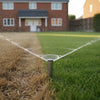
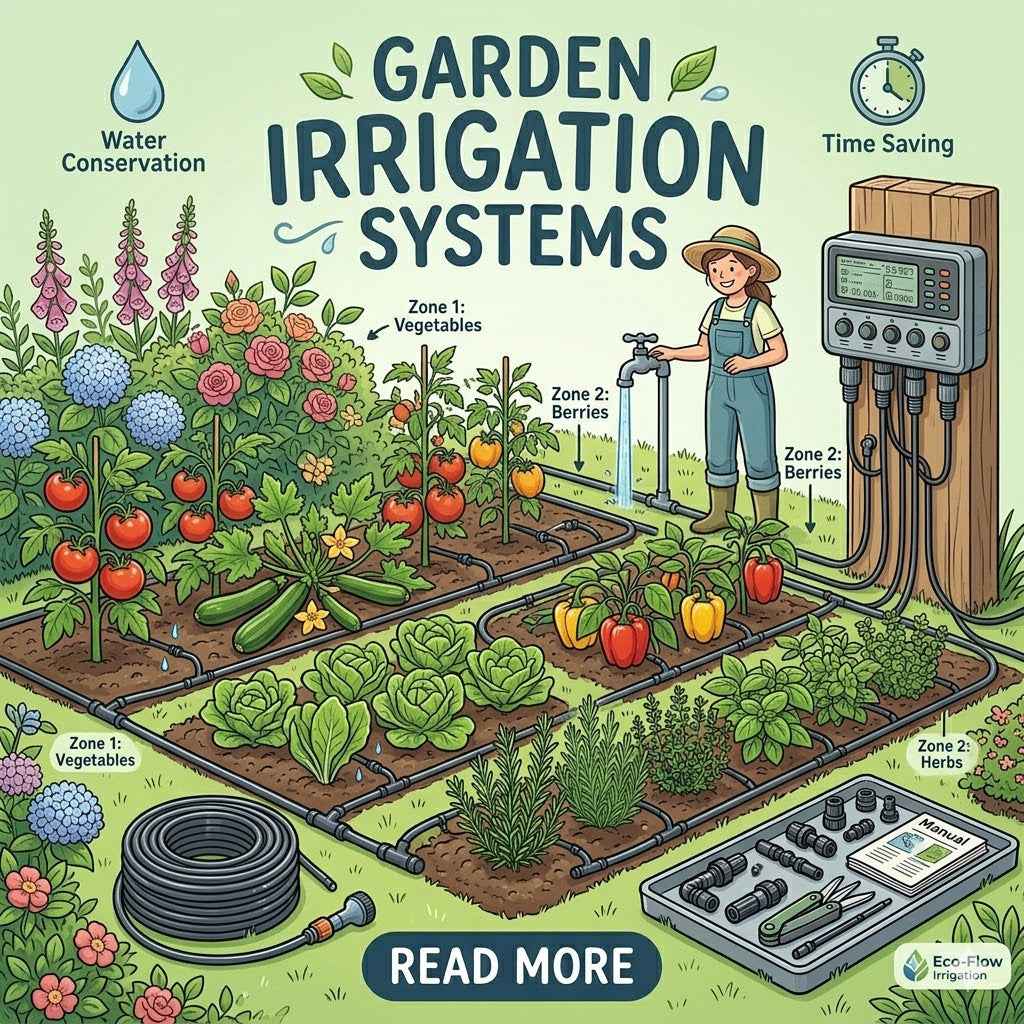
Popup sprinkler systems offer a professional solution for targeted lawn coverage. These sprinklers sit flush with the ground and rise only when the water pressure is activated, delivering a precise spray pattern that covers the grass without wasting water on your driveway. To further improve efficiency, you can use drip irrigation systems for your flower borders. These systems deliver water directly to the base of your plants, reducing evaporation and ensuring your ornamental borders stay healthy while you reserve your main water allocation for the lawn.
Many homeowners worry about navigating water restrictions, but automation actually helps you stay compliant. By using a timer, you can strictly limit your watering to the exact duration required. This level of control is impossible with a manual hose, where it's easy to lose track of time. Precision tools allow you to maintain a healthy landscape while demonstrating environmental responsibility.
The Benefit of Hozelock Sensor Controllers
One of the most effective ways to manage your garden is by using light-sensitive technology. Hozelock water timers with built-in sensors automatically trigger your system at sunrise or sunset. This is the most efficient time to water because the air is cool and the wind is usually calm, which dramatically reduces evaporation. It's a "set and forget" solution that maintains consistency during intense heatwaves, ensuring your lawn doesn't suffer from missed sessions while you're busy or away.
Precision Sprinklers: Reducing Evaporation
For those with large rectangular lawns, oscillating sprinklers provide the most uniform coverage. You can easily adjust the width and length of the spray to fit your garden's exact dimensions, preventing the common problem of watering the fence or the patio. If you notice specific dry patches that need extra attention, Hozelock spray guns allow for targeted spot-treating. This precision ensures you aren't overwatering the healthy areas just to reach one thirsty corner, keeping your total water consumption as low as possible.
Maintenance Tweaks: Mowing and Aeration in Dry Weather
Precision irrigation is only half the battle. How you physically maintain your grass during a heatwave determines whether that water actually reaches the roots or simply evaporates from the surface. For successful lawn care during drought uk, you must adjust your maintenance routine to support the plant’s natural defenses. While it's tempting to keep the lawn short for a tidy look, scalping the grass during a dry spell is one of the most damaging mistakes a gardener can make.
The 'Rule of One Third' is your most important guideline. Never remove more than one third of the grass blade height in a single session. During a drought, it's better to let the grass grow even longer than usual. Aim for a height of 50mm to 75mm. These longer blades act as a living parasol, shading the soil surface and keeping the temperature around the root zone significantly cooler. When the soil stays shaded, evaporation rates drop. This ensures the moisture delivered by your irrigation system stays in the ground where it's needed most.
You should also practice 'grasscycling.' Instead of collecting clippings in a box, let them fall back onto the lawn. These fine clippings break down quickly and act as a natural mulch. They lock in moisture and return vital nitrogen to the soil, providing a slow-release fertiliser that doesn't risk chemical leaf burn during high temperatures. It's a simple, free way to boost your garden's resilience without any extra equipment.
Mowing Strategies for Heatwaves
Stop mowing on a strict weekly schedule. When grass growth slows down during dry spells, your mowing frequency should drop to once every two weeks or even less. It's also vital to ensure your mower blades are sharp. A dull blade shreds the grass rather than cutting it cleanly. These ragged, torn edges create a larger surface area for moisture to escape, causing the plant to dehydrate much faster than it would with a clean, precise cut. If the grass is struggling, it's often best to leave the mower in the shed until the next significant rainfall.
Aeration and Compaction Control
Avoid heavy foot traffic when the ground is parched. Dry soil is incredibly prone to compaction, which squeezes out the oxygen pockets that roots depend on. While you should never perform deep core aeration during the peak of a drought, as this allows deep-seated moisture to escape, you can use a garden fork for light 'spiking.' This creates narrow channels that help water from your Hozelock watering systems penetrate a hard-baked surface effectively.
If your lawn has suffered significant thinning despite your best efforts, start planning your recovery strategy early. You can browse our expert guides on lawn repair and renovation to prepare for the autumn growing season when temperatures drop and rainfall naturally increases.
Future-Proofing: Building a Drought-Resilient Garden
Building a landscape that thrives in a changing climate requires a shift from reactive fixes to proactive design. While previous sections focused on immediate survival tactics, long-term lawn care during drought uk is most effective when you integrate resilient plant choices with precision technology. By selecting the right grass species and installing permanent infrastructure, you can enjoy a lush garden even when summer temperatures peak.
Choosing the correct seed mix is your first line of defence. While standard Perennial Ryegrass is valued for its quick recovery, Fescues are the true champions of dry conditions. Their deep, expansive root systems allow them to access water stored far below the surface. A high-quality blend of these species creates a lawn that stays green longer and requires less supplemental irrigation during extended dry spells. This biological resilience means your garden won't just survive; it'll maintain its aesthetic appeal with far less effort.
Investing in Automatic Systems
Installing a permanent solution like a popup sprinkler system offers an impressive return on investment. These systems deliver water with a level of precision that manual methods simply cannot match, preventing the waste associated with runoff and evaporation. The efficiency of Hozelock automatic watering ensures that your lawn receives exactly what it needs to stay healthy, which can lead to significant savings on your water bills over time. It's a professional-grade approach that takes the guesswork out of garden maintenance.
To ensure your system remains efficient for years, focus on the quality of your components. A leak-free setup is essential for water conservation. Using the correct irrigation fittings and adaptors ensures that every drop of water reaches the grass rather than seeping into the ground where it's not needed. This attention to detail prevents pressure loss and maintains the performance of your sprinklers, ensuring they operate at their peak proficiency even during the hottest months of 2026.
Water Conservation and Sustainability
Sustainability is becoming a core part of British gardening. Integrating water butts and rainwater tanks into your irrigation plan allows you to harvest free water during the wetter winter months. By connecting a pump to these reserves, you can run your sprinklers or drip lines "off-grid," providing a vital lifeline for your lawn during potential hosepipe bans. This creates a closed-loop system that reduces your reliance on the mains supply.
Reliability is key when managing these systems. High-quality Hozelock connectors are engineered to withstand the pressures of modern garden pumps without failing. These components are a favourite among UK specialists because they provide a secure, dependable link between your water source and your distribution network. Preparing for future UK summers involves a final checklist of resilience:
- Overseed in autumn with drought-tolerant Fescue mixes to build a deeper root zone.
- Install a smart timer to automate early morning watering and reduce evaporation.
- Check all fittings and connectors for leaks before the summer heat arrives.
- Maintain a dedicated rainwater reserve to stay prepared for high-risk periods.
Prepare Your Lawn for a Resilient Future
Protecting your garden doesn't require excessive water; it requires a smarter approach. By understanding that brown grass is simply in survival mode and focusing on deep, infrequent watering during the early morning hours, you can maintain a healthy landscape without waste. Effective lawn care during drought uk is about working with nature through precision and timing. It's about using the right technology for the job—a philosophy that applies whether you're in the garden or out in the wild; discover Wood To Water Outdoors for high-quality equipment designed for outdoor resilience.
We've been specialists in Hozelock for over 15 years, providing expert technical advice to gardeners across the country. Our full range of water-saving timers and sensors ensures your irrigation system operates with the highest proficiency. Shop the full Hozelock Automatic Watering range at Garden Watering to find a dependable solution for your outdoor space. With the right equipment and a few simple maintenance tweaks, your lawn will stay strong and bounce back quickly when the rain returns.
Frequently Asked Questions
Is it better to water my lawn in the morning or evening during a drought?
Morning is the superior choice for watering your garden. Early sessions, ideally between 4 AM and 8 AM, allow water to soak deeply into the root zone before the sun causes high evaporation rates. Unlike evening watering, which leaves blades damp and susceptible to fungal diseases like Red Thread, morning irrigation ensures the foliage dries quickly as temperatures rise during the day.
Can my lawn recover after turning completely brown?
Most established UK lawns will recover fully after turning brown. This change in colour is a survival tactic called dormancy, where the plant shuts down leaf growth to protect the crown and root system. Once consistent rainfall returns, the grass typically greens up within two to three weeks. You don't need to replace the turf unless the roots have become completely desiccated and brittle.
How long should I run my sprinkler for during a heatwave?
You should run your sprinkler until the soil receives roughly one inch of water. The exact time varies depending on your water pressure and the type of device used, but this often takes between 30 and 60 minutes per session. Using the "Tuna Can" test mentioned earlier in this guide is the most reliable way to measure output and ensure deep root penetration without wasting water.
Do hosepipe bans apply to automatic drip irrigation systems?
Hosepipe bans, officially known as Temporary Use Bans, typically apply to all hose-fed equipment, including automatic drip irrigation systems. While some water companies offer limited exemptions for specific types of low-flow systems or newly laid turf, you must check the specific rules of your local water provider. Using a timed controller helps you stay within allowed hours if your region permits restricted use during certain windows.
Should I fertilise my lawn during a dry spell or drought?
You should avoid applying fertiliser during a dry spell or drought. Most fertilisers contain salts that can scorch dehydrated grass blades if they aren't watered in immediately and thoroughly. Since the grass is dormant and not actively growing, it cannot absorb the nutrients effectively. Wait until the weather breaks and significant rain is forecast before resuming your feeding schedule for effective lawn care during drought uk.
How can I tell if my lawn is dead or just dormant?
Identifying the difference involves checking the base of the plant. Dormant grass has a whitish, firm "crown" at the soil level, while dead grass will be entirely brown, shrivelled, and easy to pull out of the ground. If you tug a handful of brown grass and it resists, the root system is likely still alive and waiting for moisture to restart the growth cycle.
What is the best height to cut grass during a UK summer?
The ideal height for a UK lawn during summer is between 50mm and 75mm. Keeping the blades longer provides essential shade for the soil, which lowers the ground temperature and slows down the rate of moisture evaporation. If you cut the grass too short, you expose the delicate crowns to direct sunlight and heat stress, significantly increasing the risk of permanent scorching during 2026 heatwaves.
Does 'grasscycling' actually help keep the lawn green?
Grasscycling is an excellent way to keep your lawn resilient during dry periods. By leaving your clippings on the grass instead of bagging them, you create a thin layer of organic mulch that helps retain soil moisture. These clippings are roughly 85% water and contain valuable nitrogen, providing a natural, slow-release moisture boost that helps the lawn stay greener for longer compared to lawns where clippings are removed.
`-
Posted in
drought, drought tolerant grass, gardening uk, Hozelock, lawn care, lawn care during drought uk, summer lawn care, water restrictions, water saving tips