Automatic Irrigation Systems: The Ultimate 2026 UK Planning Guide
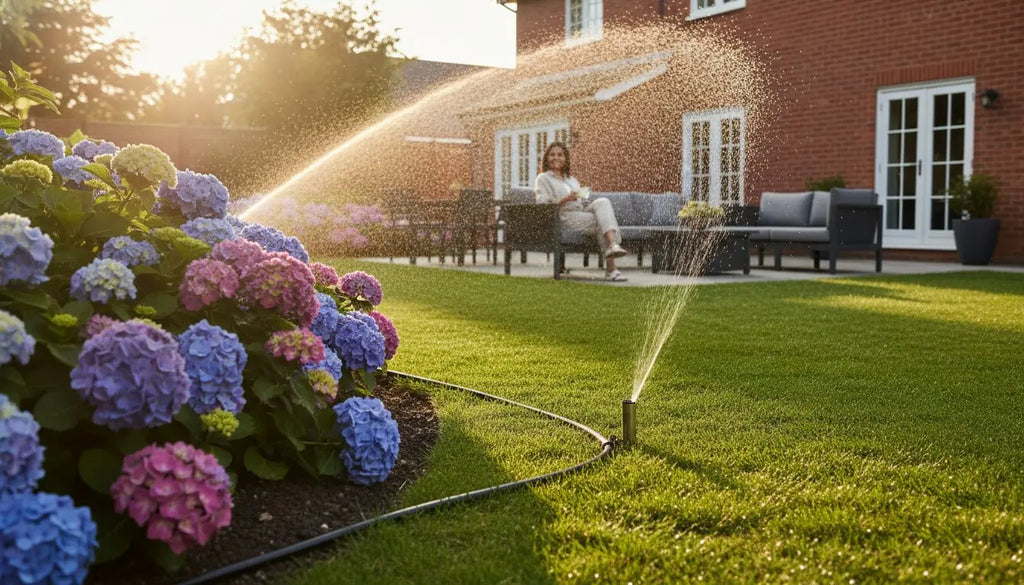
Imagine returning from a two-week summer holiday to find your prized hydrangeas withered and your lawn scorched brown. For many of the 34 million gardeners in the UK, this heartbreak is a common reality of manual watering. It’s frustrating to watch your hard work disappear during a heatwave, but an automatic irrigation system offers a reliable way to protect your investment. You want a vibrant outdoor space, but you're likely tired of dragging heavy hoses across the patio or feeling confused about which connectors are compatible with your setup.
We'll show you how to master the art of effortless gardening while lowering your water bills through precision efficiency. This guide covers everything from choosing the right irrigation kits for your layout to understanding 2026 water regulations. Whether you need a simple drip irrigation kit or a solar-powered solution, we'll help you build a resilient garden that looks stunning with zero daily effort. From planning your first timer to maintaining a system that lasts for years, you're in expert hands.
Key Takeaways
- Understand why precision distribution networks are the most sustainable choice for the UK climate. They use significantly less water than manual hoses.
- Identify the ideal hardware for your landscape by comparing the specific benefits of drip irrigation for borders and popup sprinklers for lawns.
- Learn how to accurately map your garden zones and perform a DIY pressure test to ensure your automatic irrigation system provides consistent coverage.
- Follow our expert setup guide to correctly install timers and pressure reducers for a reliable, tool-free installation that lasts for years.
- Discover the long-term advantages of investing in modular Hozelock components. They'll allow your system to grow alongside your garden over time.
Understanding Automatic Irrigation: Why Your Garden Needs a System in 2026
Weather patterns in 2026 have brought unpredictable dry spells to the UK, making consistent garden care more challenging than ever. An automatic irrigation system is no longer a luxury reserved for professional landscapers; it's a precision tool for any domestic garden. At its simplest, these systems combine programmable water timers with a network of distribution pipes to deliver water exactly where it's needed most. For a comprehensive overview of irrigation and its historical development, you can see how technology has evolved from basic flooding to modern micro-delivery methods.
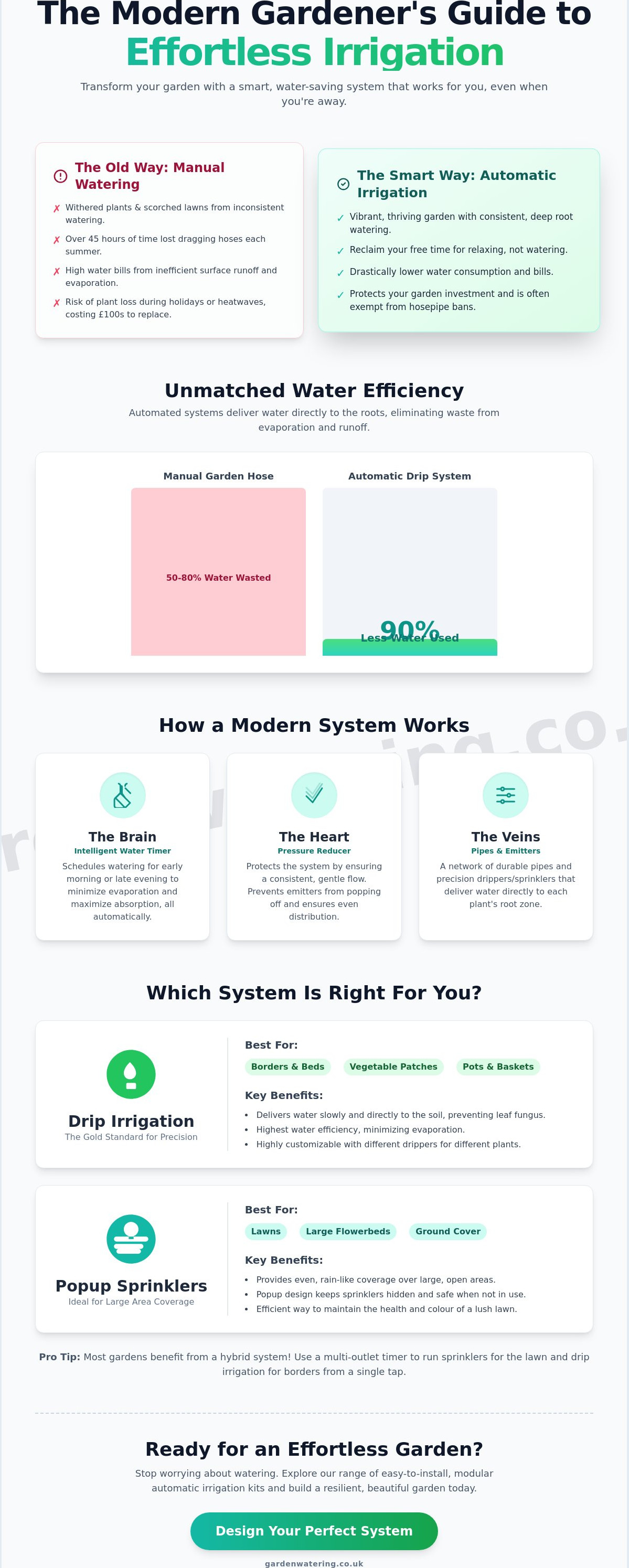
Precision watering is the most effective way to maintain a healthy landscape while respecting the environment. These systems use up to 90% less water than a traditional garden hose. When you water manually, much of the liquid evaporates or runs off the surface before reaching the roots. Automated delivery provides a slow, steady soak at the soil level. This consistency prevents the cycle of drought and drowning that causes plant stress and root rot, ensuring your garden thrives even when you're away.
Many UK gardeners worry about "Temporary Use Bans," often called hosepipe bans. During these periods, water authorities typically focus on high-volume, wasteful usage. Because drip irrigation is exceptionally efficient, many local regulations treat a properly installed hozelock automatic watering system differently. These setups are often exempt from standard bans, allowing you to keep your plants alive legally and responsibly during the height of summer.
The Core Components of a Modern System
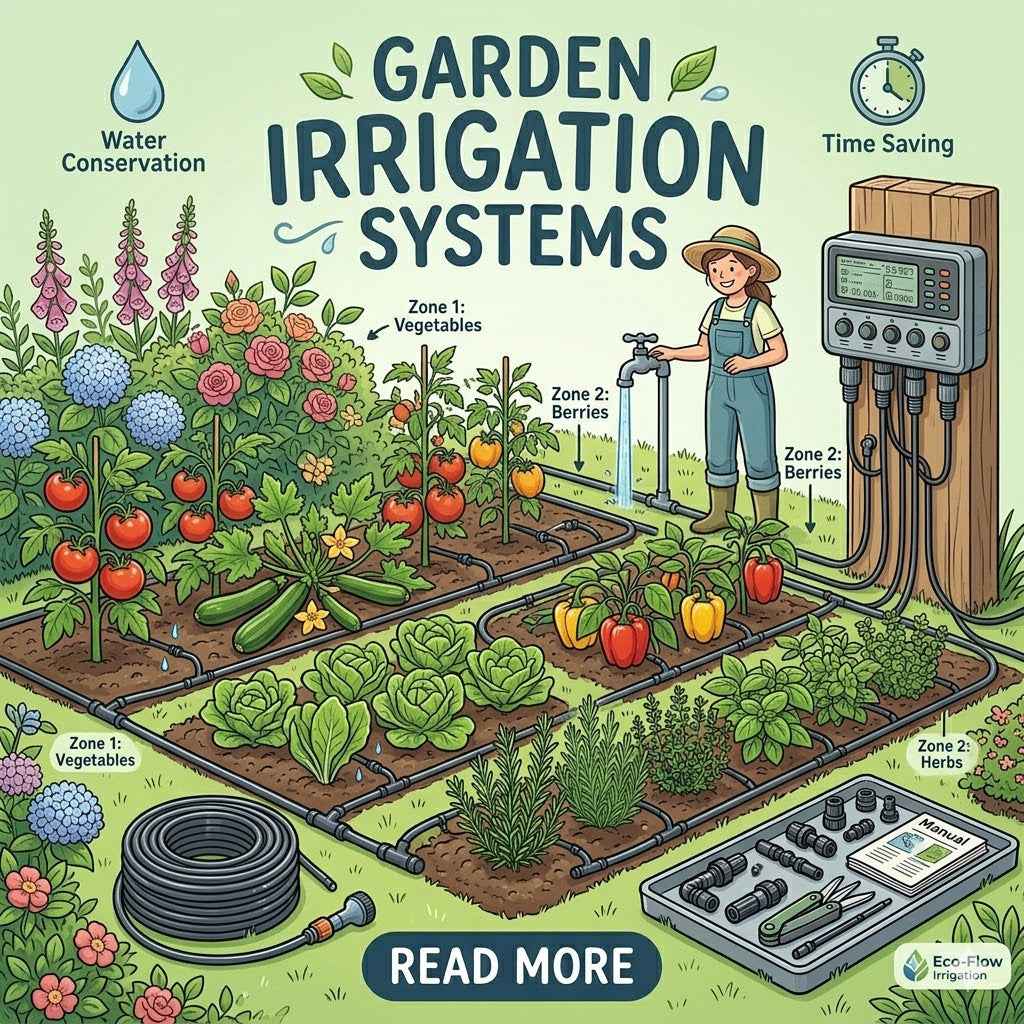
- The Brain: Intelligent water timers act as the control centre. They allow you to schedule watering for the early morning or late evening when evaporation is at its lowest.
- The Heart: Pressure reducers and backflow preventers protect your home's water supply and ensure that delicate emitters don't pop off under high mains pressure.
- The Veins: This network of supply pipes, micro-bore tubing, and connectors carries water directly to every pot, border, and hanging basket in your garden.
Manual vs. Automatic: The Cost of Doing Nothing
The time spent manual watering adds up quickly. If you spend just 30 minutes every evening during a standard UK summer, you'll lose over 45 hours of your free time in just three months. There's a financial impact to consider too. Replacing an established specimen tree or a collection of mature perennials can cost hundreds of pounds, far exceeding the initial investment in a quality kit. Evapotranspiration is the process where water is lost through soil evaporation and plant transpiration; automation effectively counters this by replenishing moisture during the cooler, high-absorption hours of dawn.
Comparing Drip Irrigation vs. Sprinkler Systems: Which is Right for You?
Choosing the right delivery method depends entirely on what you're growing. Most UK gardens aren't just one thing; they're a mix of lush lawns, colourful borders, and patio pots. A high-quality automatic irrigation system handles these diverse needs by using different hardware for different zones. While one area might need a gentle mist, another might require a deep, ground-level soak. Understanding these distinctions ensures you don't waste water or under-hydrate your prize specimens.
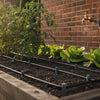
Drip irrigation is widely considered the gold standard for borders, vegetable patches, and container gardening. It delivers water slowly, allowing it to soak deep into the soil. Sprinkler systems, on the other hand, are essential for maintaining the health of large-scale ground cover and lawns. If you have a complex layout, you don't have to choose just one. Hybrid approaches allow you to manage multiple zones with a single multi-outlet timer. This means you can schedule your lawn sprinklers for dawn and your vegetable drippers for late evening, all from the same tap.
Before you begin your purchase, consider your flow rate. Your tap pressure must match your system ambitions. If your pressure is low, running multiple sprinklers simultaneously might result in poor coverage. It's often better to split your garden into smaller zones that run at different times. If you're unsure which setup fits your space, you can browse our full range of Hozelock watering solutions to compare features.
Drip Irrigation Deep Dive
Drippers are designed to deliver moisture directly to the root zone. This approach minimises evaporation, which is vital during the dry springs we've seen leading into mid-2026. For dense hedging or established flower beds, soaker hoses are an excellent alternative. They weep water along their entire length, ensuring no plant is left thirsty. If you're just starting out, exploring a range of Hozelock watering kits is a great way to see how these modular components fit together.
When to Choose Pop-Up Sprinklers
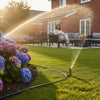
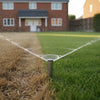
Pop-up sprinklers offer a clean finish because they disappear below the grass line when not in use. This makes mowing easier and keeps your garden looking tidy. When selecting heads, consider your lawn shape. Oscillating heads are perfect for rectangular spaces, while rotary heads handle circular or irregular areas with better precision. For a deeper look at specific models, our Lawn Sprinkler Guide 2026 provides a breakdown of the best options for UK gardens.
Designing Your Layout: Overcoming Common Installation Hurdles
Designing a functional layout is the most critical step in creating a resilient automatic irrigation system. Many gardeners make the mistake of connecting every plant to a single line, but a logical approach ensures that water pressure remains consistent from the first dripper to the last. Start by mapping your garden into specific hydro-zones. Grouping high-water plants, like leafy vegetables or hydrangeas, separately from drought-tolerant shrubs allows you to tailor your watering schedules precisely. This prevents over-watering your lavender while your tomatoes go thirsty.
Before laying any pipework, measure your "Bucket Fill" rate. Place a standard 10-litre bucket under your outside tap and time how long it takes to fill. If it takes 40 seconds, your flow rate is 15 litres per minute. This data is vital; it determines exactly how many sprinklers or drippers your system can support simultaneously without a drop in performance. If your garden is large, you might need to split your layout into multiple zones that run at different times to maintain the necessary pressure.
Use a 13mm supply pipe as the backbone of your installation. This thicker "mainline" should run the full length of your garden, acting as a high-pressure reservoir. You can then branch off this spine using smaller connectors to reach individual plants. When handling elevation, such as reaching hanging baskets or raised beds, always run your mainline as close to the base of the structure as possible before heading upwards. Gravity naturally resists water flow, so keeping the vertical "climb" as short as possible ensures the emitters at the top still receive adequate pressure.
Planning for Potted Plants and Hanging Baskets
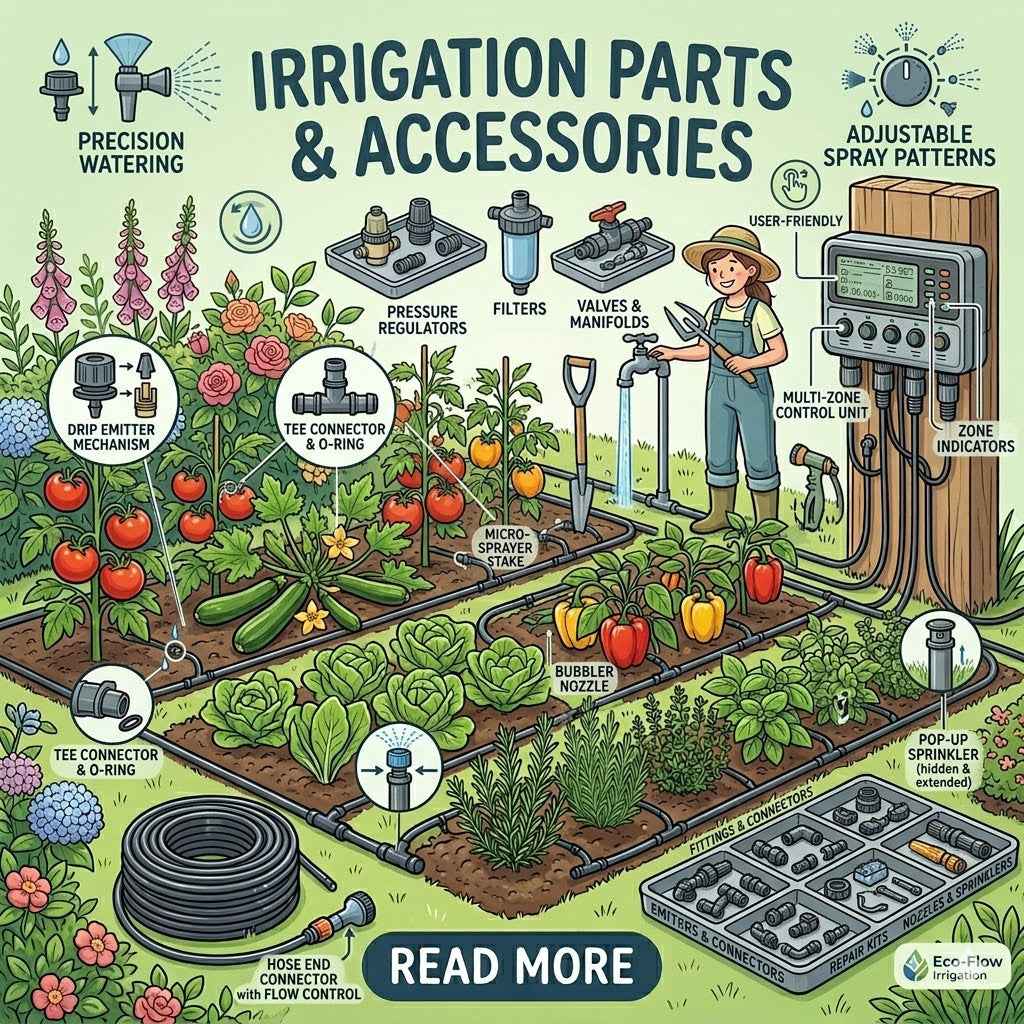
Patios and vertical spaces require a more delicate touch. Use 4mm micro-tubing for these areas because it is flexible and easy to hide along brickwork or behind foliage. Secure these lines with wall clips and use stakes to keep drippers exactly where they belong in the soil. To ensure these transitions remain watertight and reliable, invest in high-quality Hozelock connectors. These components are designed for tool-free assembly, making it easy to adjust your layout as your container collection grows or changes each season.
Smart Zoning and Water Timers
Managing different zones effectively requires the right control unit. A dual-outlet timer is a game-changer for UK gardens. It allows you to run a lawn sprinkler on one schedule and a drip line for your pots on another, all from a single tap. Setting your system to "Sunrise" or "Sunset" modes ensures maximum absorption before the sun's heat causes evaporation. For more visual inspiration on how to structure these zones and overcome specific garden shapes, explore our design ideas and plans.
Step-by-Step Setup and Essential Maintenance for Longevity
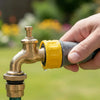
Installing your automatic irrigation system doesn't require a specialist toolkit or professional plumbing experience. Most high-quality components are designed for a simple, push-fit assembly that allows you to build a custom network in a single afternoon. Start at the outside tap by attaching your water timer first. Directly below the timer, you must install a pressure reducer. This component is vital; it regulates the high mains pressure to a level that won't blow the emitters off your pipes. Use a dedicated tap adapter to transition from the reducer to your 13mm supply pipe.
When laying your pipework, aim for a clean and unobtrusive finish. If you're running lines across a patio, tuck them into the expansion joints. For borders, use plastic stakes every metre to secure the supply line and cover it with a thin layer of mulch to protect the plastic from UV degradation. When you're ready to add drippers, use a punching tool to create a clean entry point in the pipe. Push the dripper or micro-spray into the hole until you hear a click. Before you fit the final end-plug, turn the water on to flush the lines. This clears out any soil or plastic shavings that could clog your emitters later.
Troubleshooting Common Issues
If you notice a specific zone isn't performing well, check for kinks in the supply line or debris in the dripper heads. Most performance issues stem from simple blockages or loose connections. You can easily repair accidental punctures or extend your network by using irrigation fitting adaptors to create a watertight seal. Fitting an inline filter is a non-negotiable step for any system drawing from a water butt to prevent sediment from seizing your drippers. If the pressure seems low across the whole garden, ensure you haven't exceeded the maximum number of emitters for your specific flow rate.
Winterising Your System
The UK's winter frost is the single biggest threat to your hardware. You must remove your water timer and store it in a shed or garage before the first hard frost. If water freezes inside the internal valves, it will expand and crack the casing beyond repair. Open the end-plugs of your pipework and run the system for a few seconds to drain as much standing water as possible. When spring arrives, inspect all seals for signs of wear and clear any debris from the spray heads before your first scheduled watering. To ensure you have all the components needed for a successful spring startup, browse our range of garden watering kits today.
Choosing the Best Hardware: Why Hozelock Systems Lead the UK Market
Selecting the right hardware is the final piece of the puzzle for a successful automatic irrigation system. While many generalist DIY stores offer basic parts, choosing a brand with over 15 years of specialist heritage ensures long-term reliability. Hozelock has spent decades refining its components specifically for the UK climate. Their pipes are UV-stabilized, which is a critical feature that prevents the plastic from becoming brittle and cracking under the summer sun. Investing in quality from the start means you won't be digging up and replacing pipework every two years.
Interchangeability is another reason why Hozelock remains the market leader. Their modular design allows your system to grow alongside your garden. You might start with a small patio kit this year and add lawn sprinklers or border drippers next season without needing to replace your original timer or mainline. This flexibility is rarely found in "value" brands, where parts are often incompatible with other ranges. Buying from a specialist retailer gives you access to this entire ecosystem of spare parts and extensions, ensuring your automatic irrigation system remains functional for a decade or more.
Top Hozelock Solutions for 2026
Technology has advanced significantly, and the latest Hozelock water timers now feature cloud connectivity. This allows you to adjust your watering schedule from your phone, which is perfect if a sudden UK heatwave hits while you're away. For those who prefer a simpler approach, the Sensor Controller remains the best "set and forget" option. It uses an integrated light sensor to trigger watering at dawn or dusk, precisely when evaporation is lowest. For a deeper dive into these specific models, read our Hozelock Automatic Watering System Guide.
The Garden Watering Difference
We pride ourselves on being more than just a shop. Our team is dedicated to providing tailored advice that helps you avoid common installation pitfalls. We maintain an extensive stock of Hozelock watering components, from individual drippers to complex multi-zone controllers, all available with fast UK delivery. We're here to ensure your gardening remains a joy rather than a chore. Explore our full range of Hozelock Automatic Watering Systems today and take the first step toward a more effortless, sustainable garden.
Build Your Drought-Resilient Garden Today
As a specialist Hozelock retailer with over 15 years of UK irrigation expertise, we're here to support you through every stage of the process. We offer comprehensive design and planning advice to ensure your layout is efficient, durable, and leak-free. Our team is genuinely invested in your gardening success, providing the reliable hardware and specialist knowledge you need to create a lush sanctuary with zero daily effort.
For those managing larger rural properties, maintaining your outdoor space often goes hand-in-hand with ensuring your broader water infrastructure is functioning correctly; Best Cistern Septic Solutions provides professional septic field and cistern services to keep your property's essential systems in top condition.
Shop our Expert-Selected Hozelock Watering Kits and start building your effortless, drought-resilient garden today.
Frequently Asked Questions
Is an automatic irrigation system easy to install myself?
Yes, most modern kits are designed specifically for DIY installation without the need for professional plumbing. You'll find that push-fit connectors and flexible piping make the process straightforward and tool-free. Most gardeners can set up a basic network for their patio or borders in just a few hours. It's a simple case of cutting the pipe to size and clicking the components together.
Can I use an automatic watering system during a hosepipe ban?
Drip irrigation systems are frequently exempt from Temporary Use Bans because they are incredibly water-efficient. Unlike oscillating sprinklers that spray water into the air, drip lines deliver moisture directly to the soil. You should always verify the current rules with your local UK water provider, but these systems are generally viewed as a responsible way to maintain a garden during dry spells.
How much water does an automatic drip system actually save?
An automatic irrigation system using drip emitters can save up to 90% more water compared to using a traditional hose. This efficiency comes from targeting the root zone directly and reducing evaporation. By automating the process, you also avoid the common mistake of over-watering, which helps lower your utility bills while keeping your plants in peak health throughout the summer.
Do I need a water pump if my garden has low water pressure?
You probably don't need a pump if you're connected to the UK mains supply, as most homes have sufficient pressure. If you experience low flow, it's better to divide your garden into smaller zones using a multi-way tap or a dual-outlet timer. This allows you to water different areas at different times, ensuring each zone receives the full pressure required for the emitters to work correctly.
What happens to my irrigation system in the winter?
You must disconnect your water timer and store it in a frost-free place like a shed or garage during the winter months. If water freezes inside the timer's valves, the expansion can cause permanent damage to the unit. It's also a good idea to open the end-plugs of your pipework to allow any trapped water to drain away before the first hard frost hits.
Can I connect my automatic system to a water butt?
Yes, you can water your garden from a water butt, but you'll need a specialised solar-powered pump or a low-pressure timer. Standard timers usually require a minimum amount of mains pressure to open their internal valves. Using harvested rainwater is an excellent way to boost your garden's sustainability, provided you use an inline filter to keep the drippers clear of any debris.
How many drippers can I run off a single garden tap?
A standard garden tap can usually support around 30 to 50 drippers on a single line, depending on your home's flow rate. If your system is too large, the pressure will drop and the plants at the end of the line won't get enough water. For larger gardens, we recommend splitting the layout into multiple zones that run on separate schedules to maintain performance.
Is it better to water my garden in the morning or the evening?
Early morning is the ideal time to water because it allows the plants to take up moisture before the heat of the day. This timing reduces evaporation and ensures the foliage dries out quickly, which helps prevent diseases. Evening watering is a suitable alternative if you're busy, but morning schedules are generally preferred for the long-term health and vigour of your plants.
`-
Posted in
automatic irrigation system, DIY Gardening, Drip Irrigation, Garden Tech, Gardening Tips, Hozelock, Irrigation Systems, Lawn Care, Sustainable Gardening, Water Saving