Choosing the Best Garden Hose Pipes: A Professional Guide
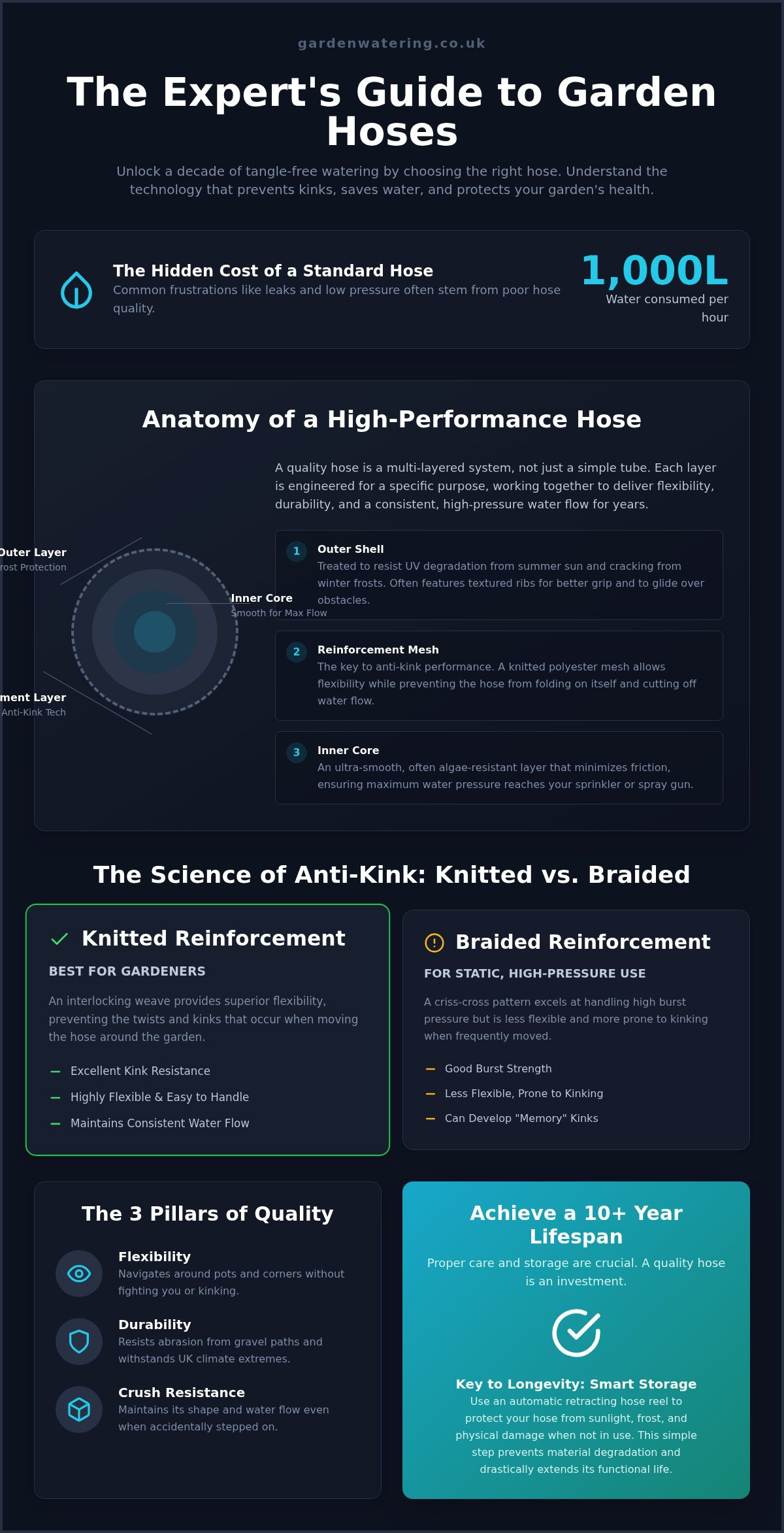
Did you know that a single hour of using standard garden hose pipes can consume up to 1,000 litres of water? With widespread hosepipe bans affecting millions across the UK in July 2026, every drop counts more than ever. You've probably experienced the annoyance of a hose that kinks just as you reach the far corner of the lawn, or a connector that sprays more water on your shoes than your plants. It's a common frustration that can make garden maintenance feel like a battle against your own equipment rather than a relaxing hobby.
We're here to help you master the art of selecting a hose that offers a tangle-free experience and lasts for more than a decade. You'll learn how to identify quality through British Standard BS 3746:1990 and why the right material prevents UV degradation and frost damage. We'll also look at how to achieve seamless connections to Hozelock automatic systems and sprinklers to maintain efficiency. This guide provides the expert knowledge you need to ensure your garden thrives while removing the technical headaches of poor water pressure and leaking joints.
Key Takeaways
- Learn to identify high-quality, multi-layered hose construction that withstands the rigours of the UK climate.
- Discover how knitted reinforcement technology prevents the frustration of kinks and ensures a consistent water flow.
- Master the selection of the correct diameter and length to maintain high water pressure for your sprinklers and irrigation kits.
- Extend the lifespan of your garden hose pipes to 10+ years by using professional storage solutions like automatic retract reels.
- Understand how to transform your manual hose into a reliable supply line for a Hozelock automatic watering system.
Understanding Garden Hose Pipe Quality: Beyond the Basics
True quality relies on three pillars: flexibility, durability, and crush resistance. A professional-grade hose should be supple enough to navigate around flower beds without snagging, yet tough enough to resist abrasion from gravel paths. Durability isn't just about thickness; it's about how the layers interact. For instance, a crush-resistant hose uses a specific spiral or braided pattern that maintains the internal diameter even under external weight. This ensures your water flow remains constant even if the hose is momentarily trapped under a garden gate. In the UK, UV and frost protection are non-negotiable. Intense summer sun can make cheap plastics brittle, while winter frosts cause water left inside to expand and crack the pipe walls. Premium hoses are treated to endure these temperature extremes, ensuring they remain functional year after year.
The Evolution of the UK Hosepipe
The landscape of garden maintenance has changed significantly over the last few decades. We've moved away from heavy, cumbersome rubber tubes toward sophisticated, multi-layered PVC systems. Modern hoses are lighter and easier to handle, yet they offer superior burst pressure ratings. This evolution is driven by advances in common garden hose materials that allow for thinner, stronger walls. As a Hozelock specialist, we've seen a clear shift toward sustainability, with the brand now incorporating recycled materials into their manufacturing processes without compromising on performance or longevity.
Why Quality Matters for Your Garden Health
Your choice of hose directly impacts the health of your landscape. High-quality garden hose pipes provide consistent water pressure, which is vital when using Hozelock spray guns for delicate seedlings. Poor quality hoses often suffer from pinhole leaks or split seams, leading to significant water waste and reduced pressure at the nozzle. When your hose maintains its integrity, it integrates perfectly with sprinklers and automatic systems, ensuring every plant receives the exact amount of hydration it needs to thrive. Choosing a professional-grade tool means investing in the long-term health of your outdoor space while avoiding the frustration of constant equipment failure.
The Science of Anti-Kink: Materials and Reinforcement
Understanding the internal architecture of your equipment is the first step toward a frustration-free garden. Premium garden hose pipes aren't just single tubes of plastic; they're sophisticated, multi-layered tools designed to handle high pressure while remaining flexible. The innermost layer is engineered with a smooth surface to encourage laminar flow, which reduces friction and maintains water pressure even at the end of a long run. Surrounding this core is the reinforcement layer, which is where the real science of "anti-kink" performance happens. High-quality hoses often feature ErgoRibs on the outer surface. These textured ridges provide a superior grip for your hands and connectors, while also adding a layer of structural support that helps the pipe glide over obstacles without catching.
Anti-Twist technology is a system of interlocking fibers that prevent torsional strain. This specific innovation ensures that as you pull the hose across your lawn, it doesn't build up the internal tension that leads to those annoying loops and tangles. By managing the way the hose reacts to being pulled and coiled, these advanced materials ensure that the water flow remains constant, regardless of how many corners you turn.
Braiding vs. Knitting: Which is Better?
There are two primary ways manufacturers reinforce garden hose pipes: braiding and knitting. Braided hoses use a criss-cross pattern of high-tenacity fibers. This method is excellent for providing strength in high-pressure environments, making them ideal for professional use where the hose stays relatively static. However, for most UK gardeners who need to move around flower beds and garden furniture, knitted technology is the superior choice. Knitted reinforcement, often referred to as TNT (Trico-Non-Torsion), uses a series of loops that can slide slightly against each other. This allows the hose to be incredibly flexible and virtually impossible to kink, providing the ultimate user experience for complex garden layouts.
Material Safety and Environmental Impact
The materials used in your hose impact more than just durability; they affect the safety of your garden. Modern professional hoses are phthalate-free and contain no heavy metals, making them safe for watering vegetable patches or filling paddling pools. High-quality PVC is also opaque, which is a critical feature because it blocks sunlight and prevents algae from growing inside the pipe. This keeps your water clean and prevents your spray guns from clogging. Safety is also a concern during the height of summer. When water sits in a hose under the sun, there is a documented risk of scalding from hose water, so it's always best to drain your system after use. If you're looking for a complete solution that combines these high-tech materials with ease of use, exploring our range of Hozelock watering kits is an excellent place to start.
Sizing Your Hose: Diameter and Length for UK Gardens
Choosing the right dimensions for your garden hose pipes is a critical step in building an efficient irrigation system. In the UK, the most common diameter is 12.5mm, which is approximately half an inch. This size is the standard for most domestic tasks because it's lightweight and easy to handle. However, for larger gardens or professional applications, a 19mm (three-quarter inch) hose is often the better choice. The larger diameter allows for a significantly higher volume of water to pass through, which is essential if you're running multiple sprinklers or have low mains water pressure.
Measuring your garden correctly prevents the common mistake of buying a hose that is far too long. Use a piece of string to trace the most likely path from your outdoor tap to the furthest corner of your garden, including any paths around obstacles like sheds or greenhouses. Once you have this measurement, add about 10% to account for curves and Slack. If you have a small urban patio, a 15m hose is usually ample. For large country estates, you might look at 50m options, but remember that water pressure drops the further it has to travel. This friction loss can turn a powerful spray into a weak trickle by the time it reaches your plants.
Diameter and Water Flow Rates
The internal diameter of your hose determines the flow rate, measured in litres per minute. While 12.5mm is perfect for standard spray guns, a 19mm hose is vital for high-flow requirements. If you're installing a complex automatic irrigation system, using a larger diameter for the main supply line ensures that every dripper or sprinkler receives adequate pressure. When selecting these high-capacity hoses, always look for quality materials that meet lead-free safety standards. This is particularly important if you use your hose to water edible crops or fill animal troughs, as it ensures no harmful chemicals leach into your water supply.
Choosing the Right Length Without Wasting Space
Buying a hose that is too long is a frequent error that leads to unnecessary weight and storage headaches. A coiled 50m hose is heavy and prone to tangling if you only ever use the first 10 meters. Instead, consider using a short "leader hose" to connect your tap to a wall-mounted reel. This keeps the area around your tap tidy and reduces strain on the fittings. If you occasionally need to reach a distant hedge or a front driveway, it's much more efficient to use high-quality hose connectors to join two shorter lengths of garden hose pipes together. This modular approach gives you the flexibility you need without the daily burden of managing excess hose.
Maximising Longevity: Storage, Maintenance, and Connectors
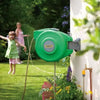
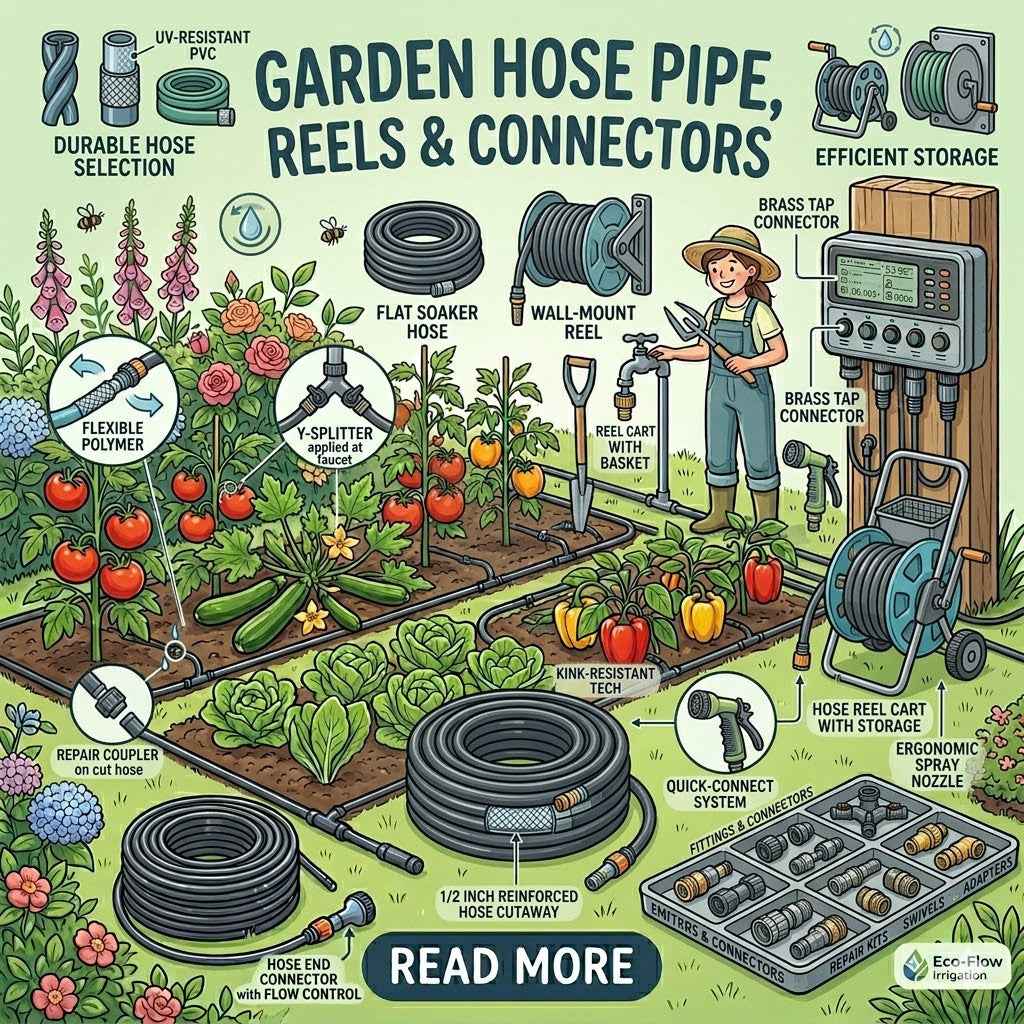
Protecting your investment in garden hose pipes starts with proper storage. Leaving a hose exposed on the lawn leads to accidental damage from mowers and degradation from direct sunlight. A dedicated hose reel keeps the pipe neatly coiled, preventing the internal structural damage that occurs when a hose is left in a tangled heap. You have three main choices for storage systems: manual wind, easy-reel, and automatic retract. Manual reels are cost-effective but require effort, while easy-reel systems use a layering mechanism to ensure the hose winds back without overlapping. Automatic retract systems are the premier choice, using a spring-loaded mechanism to pull the hose back into a protective housing with a single tug.
Maintenance is equally vital for ensuring your equipment performs year after year. Draining your hose before the first frost in 2026 can double its lifespan. This simple step prevents residual water from expanding inside the layers and causing microscopic tears in the PVC. You should also check your fittings regularly. Small leaks at the tap or nozzle are usually caused by a perished O-ring or a build-up of limescale. Keeping these components clean and replacing seals when they become flattened or cracked will maintain the high water pressure your garden requires.
Hose Reels: Wall-Mounted vs. Free-Standing
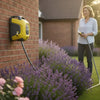
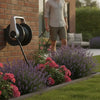
Wall-mounted units create a tidy, permanent workstation near your tap, which is ideal for smaller gardens or courtyards. These systems keep the ground clear and reduce trip hazards. Free-standing or wheeled reels offer maximum mobility, allowing you to move the entire unit across large lawns or between different garden zones. Enclosed reels provide an extra layer of security by shielding the hose from UV light. As we explored earlier, UV exposure is a primary cause of material brittleness, so an enclosed housing is a wise choice for south-facing gardens that receive intense afternoon sun.
The Role of Precision Connectors
Precision fittings are the unsung heroes of a successful watering system. Using Hozelock connectors ensures a secure, leak-free joint that maintains the pressure needed for your sprinklers and irrigation kits. One of the most useful innovations is AquaStop technology. This internal valve stops the water flow automatically when you disconnect a spray gun, allowing you to change attachments without walking back to the tap. If you're ready to upgrade your current setup, browse our full range of Hozelock watering equipment to find the perfect storage and connection solution for your garden.
Building Your Irrigation System: From Hose Pipe to Automatic Watering
Many gardeners view their garden hose pipes as standalone tools, but they are actually the vital foundation of a complete irrigation ecosystem. By using your hose as a primary supply line, you can easily transition from manual spraying to sophisticated automatic watering systems. This setup allows you to deliver water precisely where it's needed while you focus on other tasks. Integrating a water timer at the tap end automates the entire process. It ensures your plants receive hydration at the optimal times of day, such as dawn or dusk, when evaporation rates are at their lowest.
Connecting your hose to drip irrigation systems represents the ultimate in efficiency for a modern UK garden. Instead of soaking the entire surface of a bed, these systems deliver water directly to the root zone through a network of narrow tubes and drippers. This targeted approach significantly reduces water waste and discourages weed growth in the surrounding dry soil. It's a set-and-forget solution that protects your landscape during dry spells and ensures your garden continues to thrive even when you're away on holiday.
Pairing with the Right Spray Guns and Lances
While automation is ideal for large areas, manual control remains essential for specific tasks. Choose your spray guns based on the specific needs of your plants. Use a fine mist setting for delicate seedlings to avoid damaging their fragile structures, or switch to a high-pressure jet for cleaning muddy garden tools. Multi-pattern sprayers offer ergonomic benefits that reduce hand strain during longer watering sessions. For those hard-to-reach borders or high-hanging baskets, a watering lance provides the necessary extension to deliver water accurately without the need for a ladder.
Expert Advice for Custom Irrigation Layouts
Designing an effective system requires careful planning to ensure every zone receives the correct amount of water. Consulting an irrigation specialist can save you money on your water bills by identifying the most efficient layout for your specific property. A well-designed plan covers lawns, flower beds, and container pots simultaneously without overwatering any single area. This level of precision is what distinguishes a professional-grade setup from a basic length of hose. Ready to upgrade? Browse our expert-selected Hozelock watering kits to find the right components for your custom landscape project.
Achieving a Frustration-Free Garden Watering Experience
Selecting high-quality equipment is the first step toward a thriving, healthy landscape. By choosing garden hose pipes with advanced knitted reinforcement and the correct diameter for your specific needs, you ensure consistent water pressure and a tangle-free experience every time you step outside. Proper storage in an enclosed reel and simple maintenance like winter draining will protect your investment for a decade or more. Transitioning from manual watering to a Hozelock automatic system further simplifies your garden care, allowing you to enjoy your outdoor space without the constant struggle of leaking connectors or kinking lines.
As an official Hozelock specialist with over 15 years of expert irrigation experience, we're dedicated to helping you build the perfect system. We offer free UK expert advice on custom irrigation layouts to ensure you get the most from your setup. Ready to transform your watering routine? Shop the Full Hozelock Hose & Reel Collection today and take the first step toward a more efficient garden. With the right tools and a little specialist knowledge, you can create a beautiful garden that remains resilient throughout the seasons.
Frequently Asked Questions
What is the best garden hose pipe that does not kink?
The best garden hose pipes for preventing kinks are those featuring knitted reinforcement, often labelled as TNT (Trico-Non-Torsion) technology. Unlike braided hoses that can loop and catch, the looped structure of knitted pipes allows the internal layers to slide against each other. This ensures the water flow remains constant even if the hose is pulled around sharp corners or heavy garden furniture.
Are expanding hose pipes better than traditional rubber or PVC hoses?
Traditional PVC or rubber hoses are generally superior to expanding hoses for long-term durability and consistent water pressure. While expanding hoses are lightweight and easy to store, they are more prone to punctures and often have a shorter lifespan. For a reliable system that integrates with sprinklers and automatic timers, a high-quality traditional hose with multi-layered protection is the professional choice.
How long should a good quality garden hose last?
A high-quality garden hose should last between 10 and 20 years if it is maintained correctly. Premium garden hose pipes often come with long warranties, such as the 30-year guarantee found on some Hozelock Ultimate ranges. Longevity depends heavily on protecting the material from UV damage and ensuring the pipe is drained before temperatures drop below freezing to prevent internal cracking.
Can I leave my garden hose pipe outside during the winter?
You should avoid leaving your hose outside during the winter months to prevent frost damage. Water trapped inside the pipe expands when it freezes, which can cause the internal layers to split or the connectors to crack. It's best to drain the hose completely and store it in a shed or garage to ensure it remains functional for the following spring.
What is the difference between a 1/2 inch and a 3/4 inch garden hose?
The primary difference is the volume of water the hose can carry, with 1/2 inch (12.5mm) being the standard for most UK domestic gardens. A 3/4 inch (19mm) hose allows for a much higher flow rate, which is beneficial if you have low mains water pressure or need to run large, high-capacity sprinklers. Choosing the larger diameter reduces friction loss over long distances.
How do I stop my hose pipe connectors from leaking?
To stop leaks, you should first check the rubber O-rings and washers inside your connectors for signs of wear or flattening. Replacing these small seals often solves the problem instantly. Additionally, ensure that the hose is cut squarely before pushing it into the connector and tightening the nut firmly. Using precision-engineered fittings from a specialist retailer provides a much more secure, leak-free seal.
Are Hozelock hose pipes compatible with other brands of connectors?
Yes, Hozelock hose pipes and connectors use the standard "click" system which is compatible with most other major brands found in the UK. While the external designs vary, the internal coupling dimensions are universal for domestic 12.5mm systems. However, for the most reliable performance and a truly leak-free experience, it's recommended to use the same brand of connectors throughout your entire irrigation layout.
What length of garden hose do I need for a medium-sized UK garden?
A 25 to 30-metre hose is typically ideal for a medium-sized UK garden, as it provides enough reach for most lawns and borders without being too heavy to manage. This length allows you to navigate around obstacles while maintaining good water pressure at the nozzle. If you find you occasionally need more reach, it's more efficient to join two shorter hoses with a connector than to struggle with a single 50m coil every day.
`-
Posted in
Garden Equipment, garden hose pipes, Garden Maintenance, Gardening Tips, Hozelock, Kink-Free Hose, Water Conservation, Watering Systems