How to Choose the Right Hose Connection for Your Garden
You've just stepped outside to water your flowerbeds, but as soon as you turn the tap, a high-pressure spray hits your shoes instead of the lawn. It's incredibly frustrating when a simple task is ruined by a connector popping off or a constant drip that leaves your patio soaked. We understand that finding the right connection for hose setups can feel surprisingly technical, especially when you're faced with a confusing choice between 1/2 inch and 3/4 inch fittings that never seem to match.
As Hozelock specialists with over 15 years of experience, we believe a perfect irrigation system is a three-part harmony between your tap size, hose diameter, and accessory function. This guide will help you master the art of garden irrigation by choosing the perfect components for a secure, leak-free system that lasts for years. We'll walk you through how to identify your thread sizes and ensure every part of your system clicks together with ease. By the end, you'll have the confidence to build a professional-grade setup that keeps your garden lush and your patio dry.
Key Takeaways
- Identify the exact measurements of your outdoor tap and hose pipe to avoid the common frustration of mismatched fittings.
- Select the most reliable connection for hose setups by comparing the performance of frost-resistant plastic and heavy-duty brass materials.
- Master simple troubleshooting techniques, such as checking O-rings and cutting hose ends squarely, to maintain a completely leak-free system.
- Expand your irrigation capabilities by learning how to connect automatic water timers and efficient drip systems for a healthier garden.
- Gain the confidence to move beyond basic setups and create a professional, long-lasting irrigation network using expert specialist advice.
Understanding the Connection for Hose: More Than Just a Plastic Click
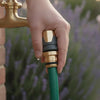
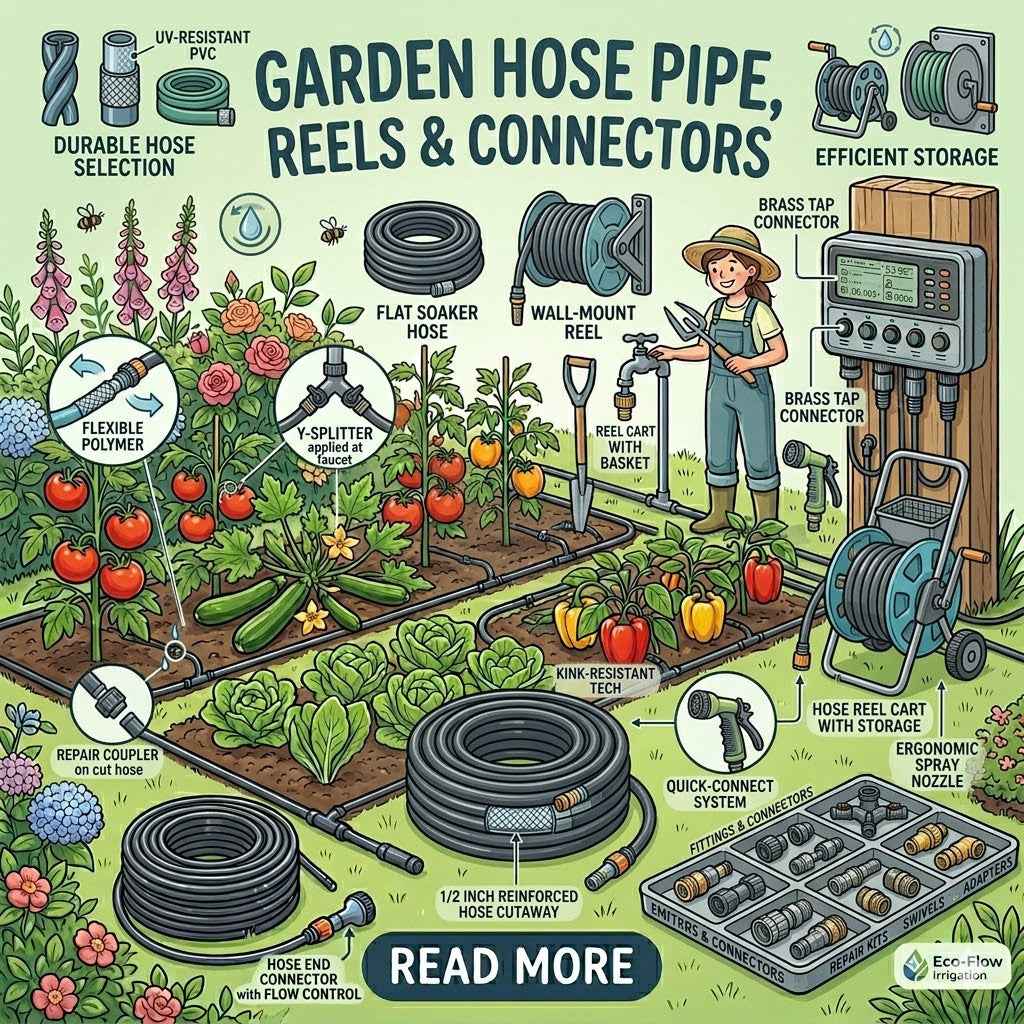
A connection for hose isn't just a simple plastic accessory; it's the vital bridge between your water source and your landscape. In the UK, the 'Quick Connect' system has become the gold standard for home irrigation. This modular approach allows you to snap components together in seconds, making it easy to swap between a spray gun and a sprinkler. Every setup typically consists of three distinct zones: the tap connector, the hose end connector, and the accessory connector.
Choosing high-quality fittings in these three zones is the best way to prevent pressure loss and stop water wastage. When a connector fits perfectly, it maintains the full force of your water supply, ensuring your sprinklers reach every corner of the lawn. Cheaper, ill-fitting alternatives often lead to slow drips that waste hundreds of litres of water over a season and leave your patio permanently damp.
To better understand this concept, watch this helpful video:
The Anatomy of a Modern Hose Fitting
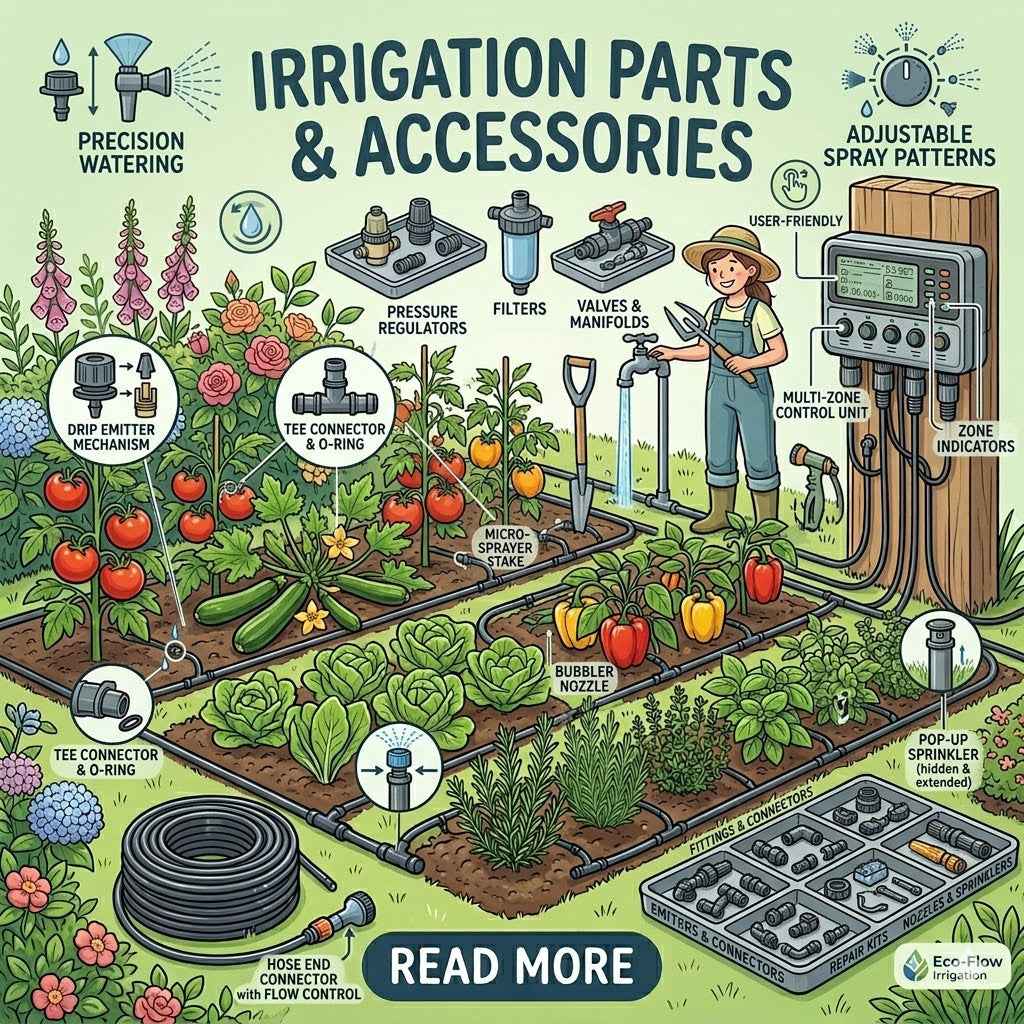
Understanding the internal components of a connection for hose helps you choose more dependable parts. The O-ring, a small rubber seal, creates the watertight barrier that prevents leaks at the join. Inside the connector, a ring of 'teeth' or 'claws' grips the hose pipe wall firmly. The outer nut then tightens this grip, which prevents the hose from blowing off when the water pressure spikes. These designs must meet specific Hose coupling standards to remain reliable under the varying pressures of domestic water mains.
Why UK Gardeners Trust the Hozelock Standard
Hozelock has defined the British garden for over half a century. Their iconic yellow and grey connectors are synonymous with reliability and ease of use. While many generic fittings claim to be compatible, using genuine parts ensures a tighter tolerance and fewer leaks. This is particularly crucial if you're integrating your hose with sophisticated Hozelock Automatic Watering Systems, where consistent performance is the key to a healthy, well-hydrated garden.
Navigating Different Types of Hose Connectors and Sizes
Choosing the right connection for hose systems starts with understanding the standard measurements used in British gardens. Most outdoor taps in the UK follow British Standard Pipe (BSP) thread sizes. You'll typically find 1/2 inch or 3/4 inch taps, though larger 1 inch BSP threads occasionally appear on commercial properties or older farm buildings. It's a common mistake to measure the physical width of the tap with a ruler and assume that's the size; however, the BSP rating actually refers to the internal diameter of the pipe. If you're unsure, a 3/4 inch tap connector is the most frequent fit for modern external taps.
The hose pipe itself also comes in different diameters. The standard domestic size is 12.5mm (roughly 1/2 inch). If you have a very large garden or need high water volume for a professional sprinkler, you might opt for 15mm or 19mm heavy duty hoses. Matching your connector to the hose diameter is essential. A connector designed for a 12.5mm hose won't fit a 19mm pipe, as the internal "teeth" that grip the hose wall are sized specifically for that thickness.
To build your system correctly, you must distinguish between 'Male' and 'Female' ends. In the world of irrigation, the male end is the pointed part with a rubber O-ring that pushes into a socket. The female end is the receptive part, usually featuring the clicking mechanism. Most tap connectors are male, while the fittings on the ends of your hose pipe are female.
Tap Connectors: Securing the Source
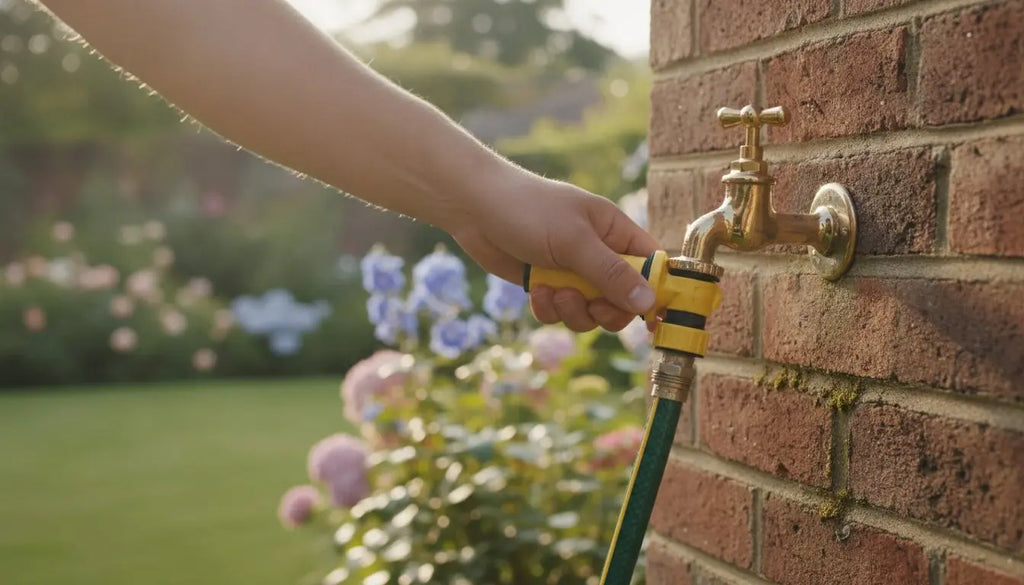
Your tap connector is the foundation of your system. Most people use threaded tap connectors that screw directly onto outside taps to provide a secure starting point. If you want to run a sprinkler and a hand spray gun simultaneously, a multi-tap splitter allows you to divide a single water source into two or more independently controlled outlets. For those living in flats or houses without an external point, mixer tap connectors can safely bridge the gap between your kitchen sink and your garden hose.
Hose End Connectors vs. Waterstop Connectors
There are two primary types of female connectors for the ends of your hose. A 'Standard' connector is best for the tap end because it allows water to flow freely. However, you should always use a 'Waterstop' connector at the accessory end where you attach your spray gun or sprinkler. A Waterstop valve is a pressure-activated internal plunger that automatically shuts off the water flow the moment you disconnect an accessory. This prevents you from getting soaked when you swap your nozzle for a lawn sprinkler.
Hose Joiners and Repairers
If your garden is particularly long, you can use double male connectors to 'daisy-chain' two hoses together. This extends your reach without the need for a new, expensive long-length pipe. If your hose develops a leak or a split, don't throw it away. A hose repairer provides a permanent, watertight fix by joining two cut ends of a pipe together. For more advice on choosing the right pipe for these fittings, see our Essential Guide to Garden Hose Pipes.
If you are ready to upgrade your garden setup, you can browse our full range of specialist hose connectors to find the perfect fit for your home.
Material Choice: Plastic vs. Brass Hose Fittings
Once you've identified the correct size, your next decision involves the construction material. The material you choose for your connection for hose will directly impact how well the system handles high water pressure and fluctuating temperatures. Most gardeners choose between high-grade engineering plastics or traditional brass. Each material has distinct advantages depending on your specific garden environment and how often you use your equipment.
Modern plastic connectors are incredibly resilient. High-quality versions use Polypropylene or ABS plastic, which are lightweight and naturally resistant to frost. Because plastic doesn't conduct heat as quickly as metal, these fittings are less likely to crack during a sudden UK cold snap. In contrast, brass fittings offer a professional feel and extreme durability. They are nearly impossible to crush and can withstand higher internal pressures, making them a favourite for heavy-duty use. However, they require more maintenance. If water is left inside a brass connector during a freeze, the metal doesn't flex. This often leads to a split fitting or a damaged tap.
When to Invest in Brass Fittings
If you use a high-pressure pump or have a complex irrigation network, brass is a wise investment. It provides a robust link that won't warp under constant stress. Many homeowners also prefer the aesthetic of brass for traditional gardens or luxury outdoor spaces. You should be careful when mixing materials, though. Screwing a metal connector onto a plastic tap thread can quickly strip the softer plastic. This leads to permanent leaks that are difficult to fix without replacing the entire tap unit.
The Case for High-Quality Engineering Plastic
Engineering plastics are the practical choice for most domestic setups. Leading Hozelock connectors use UV-stabilised polymers to ensure they don't become brittle after a summer in the sun. They also feature ergonomic 'soft touch' grips. These make it much easier to tighten or release a fitting when your hands are wet or cold. For many, the hybrid 'Pro' range offers the best of both worlds. These models feature a zinc die-cast core for strength, wrapped in a comfortable plastic exterior for better handling. This combination provides a secure connection for hose systems that need to last for many seasons without failing.

Troubleshooting: How to Fix Leaking Hose Connections
A leaking connection for hose setups is more than just a nuisance; it's a sign that your irrigation system is losing efficiency. Most leaks occur at the join between the tap and the connector or where the hose pipe enters the fitting. Fortunately, you can resolve the majority of these issues without needing to buy new parts. Following a methodical approach helps you identify the specific point of failure quickly.
Step 1: Check the O-ring. This small rubber seal on the male end of your connector is the most common culprit. Over time, O-rings can flatten, crack, or become coated in grit. If the ring looks damaged, replace it immediately to restore the watertight seal. Step 2: Ensure the hose pipe is cut 'square'. If you've pushed your hose into a connector and it still drips, the end of the pipe might be cut at an angle. Use sharp secateurs to make a perfectly flat, horizontal cut before reinserting it into the claws. Step 3: Inspect the tap thread. Limescale buildup or cross-threading on your outdoor tap can prevent a connector from sitting flush. Clean any white deposits with a stiff brush or a mild descaler. Step 4: Tighten the compression nut. You should feel firm resistance or hear a distinct 'click' when tightening the nut. This ensures the internal claws have a full 360-degree grip on the hose wall.
Why Your Connector Keeps Popping Off
If your connection for hose accessory suddenly flies off when you turn on the tap, you're likely dealing with a pressure or sizing issue. High mains water pressure, especially in some UK regions, can exceed the holding power of standard plastic fittings. If this happens frequently, you might need to install a pressure reducer at the tap. Another common cause is using the wrong diameter hose. Trying to force a 15mm hose into a 12.5mm fitting will never result in a secure join. Finally, check the 'claws' inside the connector. If they look white or stressed, the plastic has reached the end of its life and can no longer maintain a grip.
Maintenance Tips for 2026 and Beyond
A little preventative care significantly extends the life of your irrigation equipment. During the winter months, always remove your connectors from the tap and store them in a shed or garage. This prevents residual water from freezing and splitting the internal housing. You can also apply a small amount of silicone grease to your O-rings once a year. This keeps the rubber supple and ensures a much smoother 'click' when you attach your spray gun. You should replace all rubber washers annually for optimum performance.
If your tap thread is damaged by limescale or wear, you can find a high-quality replacement threaded tap connector here to restore your system's integrity.
Building a System: Beyond the Basic Hose Pipe
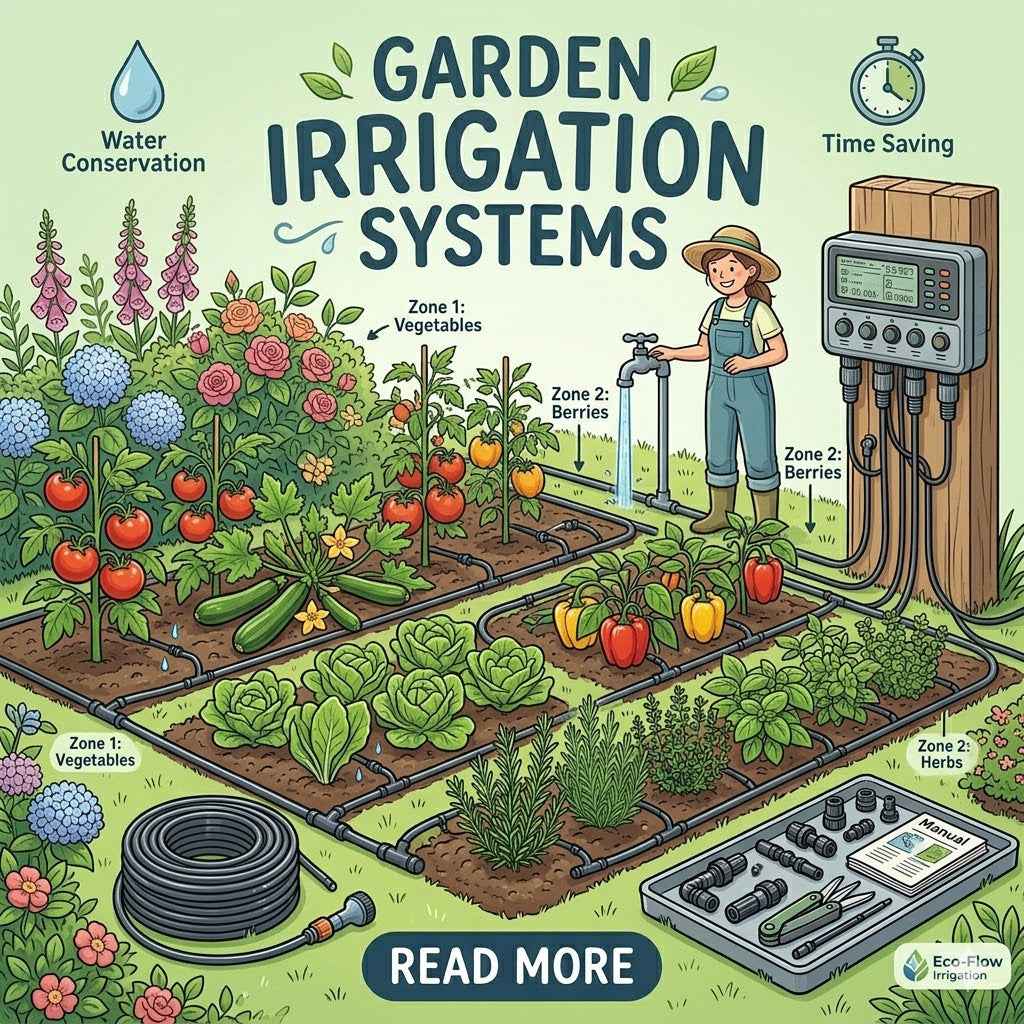
Once you've mastered the basics, you can begin to build a more sophisticated network. A single connection for hose setups is often just the starting point for a well-managed garden. For larger landscapes or those with varied planting, manifold connectors are invaluable. These allow you to run multiple lines from one tap, each serving a different purpose. You might have one line dedicated to a lawn sprinkler while another feeds a complex irrigation network for your vegetable patch.
You must consider the flow rate when designing these expanded systems. Every extra connection for hose systems adds a small amount of resistance to the water stream. If you join too many hoses or add multiple splitters, the water pressure at the final nozzle can drop significantly. It's essential to plan your layout so that your most water-hungry accessories receive the pressure they need to function correctly. This methodical approach ensures your garden stays lush without straining your plumbing.
Connecting to Spray Guns and Lances
Watering by hand is much more efficient when you use the right tools for the job. Matching your connector to the flow requirements of your equipment is vital for performance. High-performance Hozelock Spray Guns work best when paired with high-flow connectors that don't restrict the stream. The quick-click system makes it incredibly easy to switch between a delicate rose spray for seedlings and a powerful jet for cleaning the patio. This convenience encourages you to use the correct tool for every task, which ultimately saves water and protects your plants.
The Role of Connectors in Automatic Irrigation
The true benefit of a modular system is the ability to integrate automation. By adding water timers, you can ensure your plants get the hydration they need at the optimal time of day, even when you aren't home. These timers act as the brain of your system, sitting securely between the tap and the hose line.
When moving into the world of drip irrigation systems, you'll need specialised adaptors. These allow you to transition from a standard garden hose to 13mm supply pipes or 4mm micro-pipes. Because these are 'set and forget' systems, the security of every join is paramount. A single loose fitting could lead to a flooded flowerbed or a dry greenhouse. For large-scale projects, seeking professional advice ensures your system is balanced and reliable. We've spent 15 years helping gardeners design these setups, and we know that the right connectors are the foundation of any successful automatic garden.
Ready to Build Your Perfect Irrigation System?
Choosing the right connection for hose systems doesn't have to be a guessing game. By matching your tap's BSP thread to the correct connector and selecting materials that suit your garden's environment, you've already solved the most common irrigation headaches. Remember that a small investment in maintenance, like replacing O-rings or winterising your brass fittings, will keep your system performing at its peak for years. You now have the technical foundation to move from simple hand-watering to a more efficient, automated setup.
We've provided specialist Hozelock advice since 2011 and offer expert-curated watering kits designed for every garden size. Whether you're fixing a persistent leak or designing a complex network of drip lines, our team is here to support your success. With fast UK shipping on all irrigation components, you can upgrade your equipment and start your project without delay.
Browse our full range of Hozelock Connectors and Fittings to find the high-quality components your landscape deserves. You're now ready to create a secure, dry, and efficient watering system that will last for seasons to come. Happy gardening!
Frequently Asked Questions
Do all garden hoses have the same fittings?
Garden hoses do not all share the same fittings because hose diameters and tap threads vary. While the "Quick Connect" system is a standard in most UK gardens, you must choose a connector that matches your specific hose width, typically 12.5mm, 15mm, or 19mm. Additionally, tap connectors must be sized correctly to fit either a 1/2 inch or 3/4 inch BSP thread to ensure a secure join.
What is the difference between a hose connector and a waterstop?
A standard hose connector allows water to flow freely through the pipe at all times. In contrast, a waterstop connector features an internal valve that automatically shuts off the water flow when you disconnect an accessory. Using a waterstop at the end of your hose is highly efficient because it allows you to swap between a spray gun and a sprinkler without heading back to the tap to turn the water off.
How do I know what size tap connector I need for my outside tap?
You can identify the correct size by measuring the external diameter of your tap's threaded outlet. A standard 3/4 inch BSP thread measures approximately 26mm across, while a smaller 1/2 inch BSP thread measures about 21mm. Most modern UK outdoor taps use the 3/4 inch standard, and many high-quality connectors include a removable adaptor so they can fit both common sizes.
Can I use Hozelock connectors with other brands of hose pipe?
Hozelock connectors are designed to be compatible with almost any standard PVC or reinforced hose pipe. The connection for hose systems relies on universal diameters, so as long as you match a 12.5mm connector to a 12.5mm hose, the brand of the pipe doesn't matter. We find that using genuine fittings often results in a more reliable, leak-free seal due to tighter manufacturing tolerances.
Why is my hose connector leaking at the tap?
Leaks at the tap are usually the result of a worn rubber washer or a connector that has been cross-threaded. Inspect the black rubber washer inside your tap connector for any signs of flattening or perishing and replace it if necessary. You should also check the tap threads for limescale buildup, as even a small amount of debris can prevent the connector from forming a perfectly watertight seal.
What does a male and female hose connector mean?
A male connector is the part with a protruding "plug" and a rubber O-ring, while a female connector is the socket that clicks onto it. In a standard garden setup, your tap connector and accessory inlets are male, and the fittings on the ends of your hose are female. This configuration creates a modular connection for hose accessories, allowing you to snap different tools onto your hose in seconds.
How do I connect two hose pipes together to make them longer?
The simplest way to join two hoses is to use a double male connector. This small accessory features a male plug at both ends, allowing you to click two female hose end connectors together instantly. If you want a more permanent solution that doesn't need to be disconnected, a hose repairer can join two lengths of pipe into one continuous line.
Are brass hose connectors better than plastic ones?
Brass connectors are often better for high-pressure systems because they are incredibly durable and won't crack under stress. However, high-quality engineering plastic is superior for frost resistance and is generally lighter and easier to grip with wet hands. We suggest using a brass connector at the tap for a robust foundation and UV-stabilised plastic connectors for your hose ends to ensure comfortable, everyday use.
`-
Posted in
connection for hose, garden hose, garden maintenance, gardening tips, hose fittings, Hozelock, irrigation systems, leak-proof, outdoor plumbing