How to Plan Your Garden Irrigation System UK
Master Your Garden Irrigation
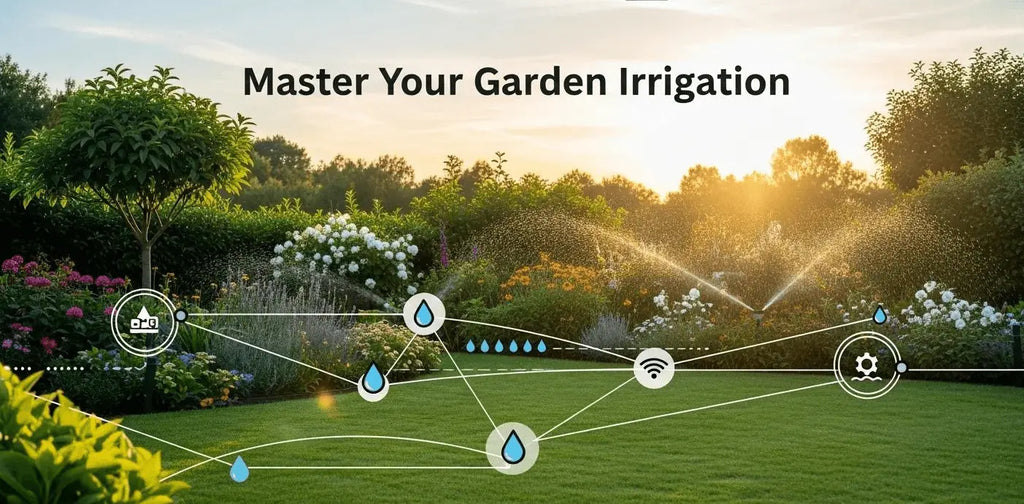
Planning an effective garden irrigation system is essential for maintaining a healthy and vibrant garden. This comprehensive guide will walk you through the key steps to assess your garden's water needs, choose the right irrigation system, and design a layout that maximizes efficiency. Many gardeners struggle with inconsistent watering, leading to dry patches or over-saturation. By implementing an automatic watering solution, you can ensure your plants receive the right amount of water at the right time. This article will cover the essential steps for assessing your garden, the best irrigation system types for UK gardens, and best practices for installation, along with insights into smart controllers.
What Are the Key Steps to Assessing Your Garden and Water Needs for Irrigation Planning?
The key steps to assessing your garden and water needs for irrigation planning include:
- Measure Your Lawn: Determine the size of your garden or lawn area.
- Mark Sprinkler Positions: Identify and mark where you will place the sprinklers to ensure even coverage.
- Plan Hose Route: Decide on the route for the hose from your outdoor tap to the sprinkler positions.
- Create a Sketch: Drawing a simple layout can help visualize and ensure efficient water distribution.
These steps will help in planning an effective irrigation system.
Further research highlights the importance of tailoring water delivery to specific areas based on detailed garden assessments.
Site-Specific Irrigation for Optimal Water Delivery
Site-specific irrigation is defined as delivering different prescribed depths of water to specific areas in irrigated fields. Since the 1990s, site-specific irrigation research has been expanded to include the delivery of water and nutrients to specific field areas based on soil type, soil moisture status, crop needs, and other user-defined objectives. Quantifying water application depth and uniformity from the site-specific irrigation system is essential to documenting the systems performance and interpreting experimental results.
How Do You Map Your Garden Layout and Identify Water Sources?
Mapping your garden layout involves creating a visual representation of your garden's dimensions and features. Start by sketching the boundaries of your garden, noting any existing plants, trees, and structures. Identify potential water sources, such as outdoor taps or rainwater collection points. This will help you determine the most efficient way to distribute water throughout your garden.
How to Measure Water Pressure and Flow Rate for Your Garden Irrigation System?
Measuring water pressure and flow rate is crucial for ensuring your irrigation system operates effectively. Use a pressure gauge to check the water pressure at your outdoor tap. For flow rate, fill a container of known volume (e.g., a bucket) and time how long it takes to fill. This data will help you select the right irrigation system and components that match your garden's needs.
Which Irrigation System Types Are Best Suited for UK Gardens?
The best-suited irrigation system types for UK gardens include:
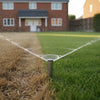
- Pop-Up Sprinkler Systems: Such as the Claber Colibri Lawn Pop-Up Kit, which provides even coverage and is ideal for small to medium-sized lawns.
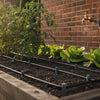
- Drip Irrigation Systems: These are efficient for watering plants directly at the roots, minimizing water waste.
- Soaker Hoses: These allow water to seep out slowly along their length, ideal for garden beds.
- Automatic Watering Kits: Like the Hozelock Automatic Watering Kits, which can be set to water plants automatically.
These systems are designed to be efficient and user-friendly, making them suitable for various garden types in the UK.
What Are the Benefits and Uses of Drip Irrigation Systems?
Drip irrigation systems offer several advantages, including:
- Water Efficiency: They deliver water directly to the plant roots, reducing evaporation and runoff.
- Targeted Watering: Ideal for gardens with diverse plant types, ensuring each plant receives the appropriate amount of water.
- Reduced Weed Growth: By watering only the plants, drip systems help minimize weed growth in non-watered areas.
These benefits make drip irrigation a popular choice for environmentally conscious gardeners.
How Do Pop-Up Sprinkler and Micro Spray Systems Compare for Garden Watering?
| System Type | Coverage Area | Water Efficiency | Best Use Case |
|---|---|---|---|
| Pop-Up Sprinklers | Large areas | Moderate | Lawns and open spaces |
| Micro Spray Systems | Small areas | High | Flower beds and vegetable gardens |
Pop-up sprinklers are ideal for larger lawns, while micro spray systems excel in smaller, more intricate garden layouts.
How Do You Design Your Garden Irrigation Layout and Select Essential Components?
To design your garden irrigation layout and select essential components, consider the following steps:
- Assess Your Garden: Determine the size and shape of your garden, as well as the types of plants you have, to understand their watering needs.
- Choose an Irrigation System: Decide between options like drip irrigation systems, pop-up sprinklers, or soaker hoses based on your garden's requirements.
- Select Components: Gather necessary components such as: Sprinklers: Claber or Rainbird pop-up sprinklers for lawns. Hoses: Hozelock or Tricoflex hoses for water supply. Fittings: Hozelock connectors, tap splitters, and anti-leak fittings for secure connections. Water Timers: Hozelock water timers for automated watering schedules.
- Layout Planning: Create a layout plan that includes the placement of hoses, sprinklers, and any other components to ensure even coverage.
- Installation: Follow the installation instructions for each component, ensuring everything is securely connected and positioned correctly.
- Testing: Once installed, test the system to ensure it operates as intended and adjust as necessary.
For more specific product recommendations or detailed design ideas, refer to resources like garden watering blogs or product reviews.
What Components Are Needed for a DIY Garden Irrigation System in the UK?
To create a DIY garden irrigation system in the UK, you will need the following components:
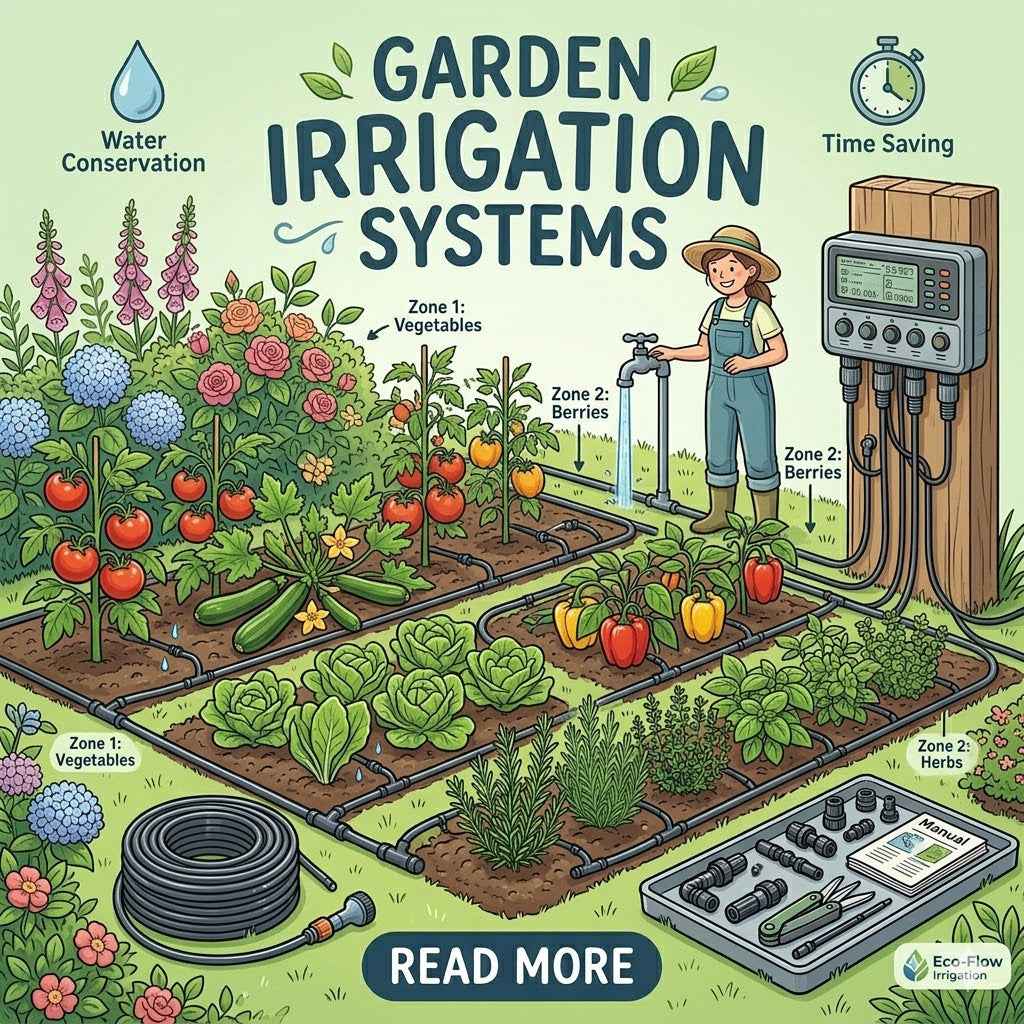
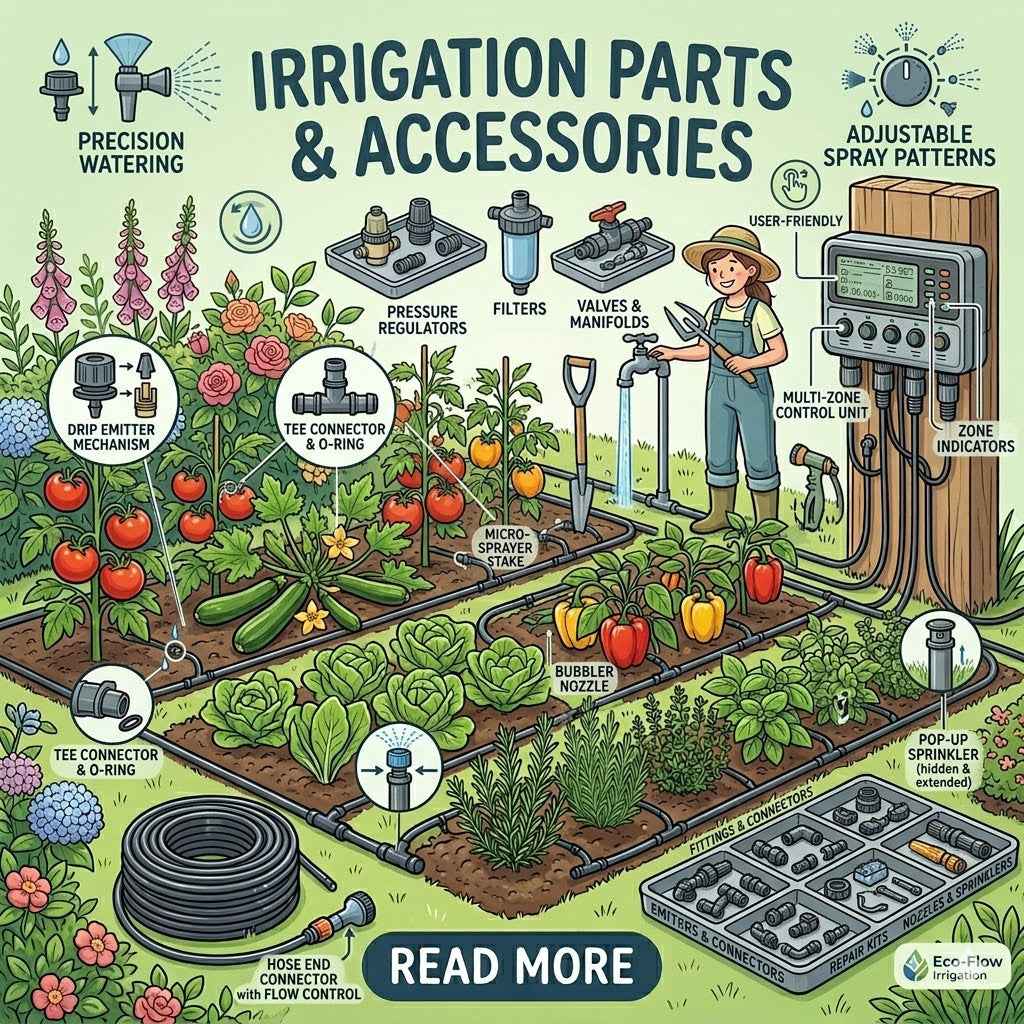
- Sprinklers: Options include pop-up sprinklers (e.g., Claber or Rainbird), oscillating sprinklers, and impact sprinklers.
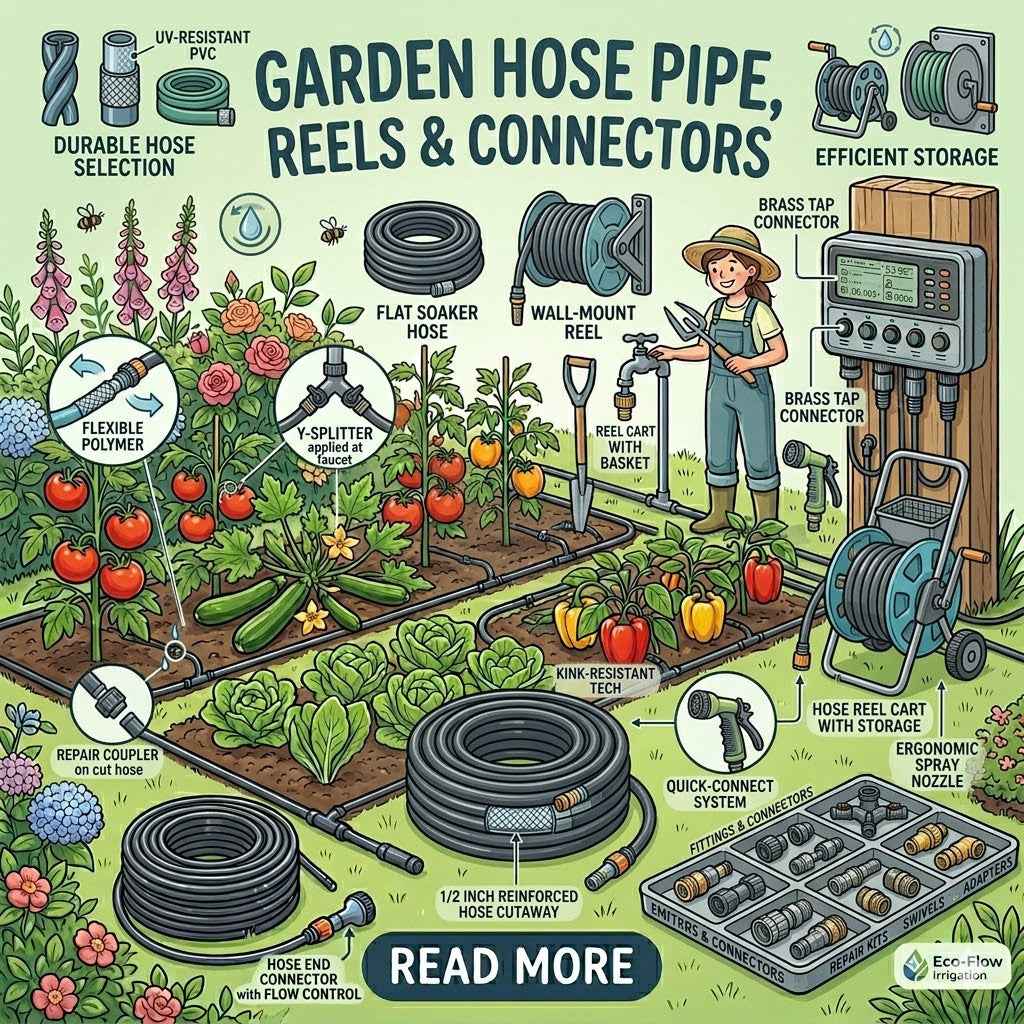
- Hose Pipes: Garden hose pipes (e.g., Hozelock or Tricoflex) and hose reels.
- Hose Fittings: Various fittings including Hozelock connectors, tap splitters, and brass fittings.
- Irrigation Systems: Drip irrigation systems, soaker hoses, and sprinkler hoses.
- Irrigation Parts: Drippers, micro sprays, mini sprinklers, stakes, and risers.
- Water Timers: Mechanical or sensor controllers to automate watering.
- Connectors and Adapters: Main supply hose connectors and anti-leak fittings.
These components will help you set up an efficient and effective irrigation system for your garden.
How to Create a Detailed Irrigation Plan Including Pipes, Timers, and Pumps?
To create a detailed irrigation plan including pipes, timers, and pumps, consider the following steps:
- Select the Right Components: Choose the appropriate pipes: Use main supply hoses (typically 13mm) and micro supply hoses (4mm) for different areas of your garden. Incorporate connectors and converters: Ensure you have anti-leak fittings and tap fittings/adapters for a secure connection.
- Design the Layout: Plan the layout of your irrigation system, considering the placement of drippers (inline, end of line) and sprinklers (microjets, oscillating, impact).Use stakes and risers to position your sprinklers effectively.
- Install Water Timers: Choose between single outlet timers or multi outlet timers to automate your watering schedule. Consider using mechanical or sensor controllers for more precise control.
- Incorporate Pumps if Necessary: If your water source requires it, include a pump in your system to ensure adequate water pressure.
- Test the System: After installation, test the entire system for leaks and ensure that all plants receive the correct amount of water.
- Adjust as Needed: Monitor the system and make adjustments to the timers and drippers to optimize water usage and plant health.
This plan will help you set up an efficient irrigation system tailored to your garden's needs.
What Are the Best Practices for Installing Your Garden Irrigation System Yourself?
The best practices for installing your garden irrigation system yourself include:
- Plan Your Lawn Irrigation Layout: Measure your lawn, mark sprinkler positions for even coverage, and plan the hose route from your outdoor tap. Creating a simple sketch can help ensure efficient water distribution.
- Dig Shallow Trenches: Cut shallow trenches approximately 5–10 cm deep and lift the turf carefully to replace it later, minimizing disruption to your lawn.
- Choose a DIY-Friendly System: Consider systems like the Claber Colibri Lawn Pop-Up Kit, which is designed for easy installation without the need for plumbing skills or specialist tools.
- Use Automatic Timers: Combine your irrigation system with a hose timer for automatic watering, which saves time and ensures consistent watering even when you’re away.
- Ensure Even Coverage: Make sure the sprinklers distribute water evenly to prevent dry patches and over-watering.
- Check for Water Efficiency: Opt for designs that allow water to soak into the soil effectively, reducing waste and runoff.
Following these steps can help you successfully install your garden irrigation system.
Which Tools and Steps Are Required for Installing Drip Irrigation in UK Gardens?
Installing drip irrigation in UK gardens requires specific tools and steps:
- Tools Needed: Drill: For making holes in the main supply line. Pipe Cutter: To cut hoses to the desired length. Measuring Tape: For accurate measurements of hose lengths. Pliers: To secure fittings and connectors.
- Installation Steps: Plan the Layout: Determine where the drip lines will be placed based on plant locations. Cut the Main Supply Line: Use a pipe cutter to create openings for the drip lines. Attach Emitters: Connect emitters to the drip lines at appropriate intervals for even watering. Secure Connections: Use pliers to ensure all fittings are tight and leak-free. Test the System: Run the system to check for leaks and ensure proper water distribution.
These tools and steps will help ensure a successful installation of your drip irrigation system.
When Should You Consider Professional Installation for Your Garden Watering System?
You should consider professional installation for your garden watering system if you lack the necessary plumbing skills or tools, if the installation process seems too complex, or if you have a large or intricate garden layout that requires specialized knowledge for optimal water distribution.
How Can Smart Controllers and Rainwater Harvesting Enhance Your Garden Irrigation?
Smart controllers and rainwater harvesting can enhance garden irrigation by providing precise, consistent hydration tailored to the specific needs of plants. Smart controllers allow for flexible watering schedules and manual adjustments, ensuring that plants receive the right amount of water without the hassle of daily manual watering. Rainwater harvesting can supplement irrigation systems, utilizing natural resources to reduce water usage and promote sustainability in gardening. Together, these technologies help maintain plant health and vitality while saving time and resources.
The integration of smart technology and sustainable practices is further explored in studies on advanced irrigation systems.
Sustainable Smart Irrigation with Rainwater Harvesting & IoT
The project aims to develop a sustainable smart irrigation system (SIS) for the indoor plant irrigation by integrating photovoltaic (PV), internet of things (IoT), and rainwater harvesting techniques. The addressed problem involves the inconsistency and tediousness of manual watering, emphasizing the need for a sustainable design for a SIS. The IoT system consists of soil moisture sensor with GSM module powered by PV and an algorithm was developed to adjust irrigation schedules based on soil moisture data. The objectives of this project are to design and optimize the PV-powered irrigation system and implement an Arduino-enabled automatic system with SMS-triggered functionality. The methodology involves system modelling for water requirements and sizing of PV, battery, pump, and MPPT based on the load demand. The rainwater harvesting structure designed ensures water sustainability for plants’ irrigation. The system is then implemented using moisture and ultrasonic sensors manage
What Are the Advantages of Using Water Timers and Smart Irrigation Controllers?
Water timers and smart irrigation controllers offer several advantages:
- Automation: They automate the watering process, ensuring plants receive consistent hydration.
- Customization: Users can set specific schedules based on plant needs and weather conditions.
- Water Conservation: Smart controllers can adjust watering based on rainfall, reducing water waste.
These features make them invaluable tools for modern gardeners.
How to Integrate Water Butts and Rainwater Harvesting into Your Irrigation System?
Integrating water butts and rainwater harvesting into your irrigation system involves several steps:
- Install Water Butts: Position water butts under downspouts to collect rainwater from roofs.
- Connect to Irrigation System: Use hoses to connect the water butt to your irrigation system, ensuring proper fittings to prevent leaks.
- Use a Pump: If necessary, install a pump to ensure adequate pressure for your irrigation system.
- Monitor Water Levels: Regularly check the water levels in the butts and adjust your irrigation schedule accordingly.
This integration not only conserves water but also provides a sustainable source for garden irrigation.
What UK-Specific Regulations and Restrictions Affect Garden Irrigation Planning?
Understanding UK-specific regulations and restrictions is crucial for effective garden irrigation planning. These regulations can impact how and when you can water your garden, especially during drought conditions.
How Do UK Water Regulations and Hosepipe Bans Impact Irrigation System Design?
UK water regulations and hosepipe bans can significantly affect irrigation system design. During periods of drought, hosepipe bans may restrict the use of certain watering methods, requiring gardeners to rely on more efficient systems like drip irrigation or rainwater harvesting. It's essential to stay informed about local regulations to ensure compliance and avoid fines.
What Exemptions Exist for Drip and Micro-Irrigation Systems in the UK?
Certain exemptions exist for drip and micro-irrigation systems in the UK, allowing gardeners to use these methods even during hosepipe bans. These systems are often considered more water-efficient and environmentally friendly, making them a preferred choice for sustainable gardening practices. Understanding these exemptions can help gardeners maintain their gardens while adhering to regulations.
Frequently Asked Questions
What are the signs that my garden needs an irrigation system?
Signs that your garden may need an irrigation system include uneven plant growth, yellowing leaves, or dry patches in the soil. If you notice that some areas of your garden are consistently drier than others, or if you find yourself spending excessive time watering by hand, it may be time to consider an irrigation system. Additionally, if you live in a region with inconsistent rainfall, an irrigation system can help ensure your plants receive the necessary hydration throughout the growing season.
How can I ensure my irrigation system is environmentally friendly?
To make your irrigation system more environmentally friendly, consider using drip irrigation, which delivers water directly to the roots of plants, minimizing waste. Incorporating rainwater harvesting systems can also reduce reliance on mains water. Additionally, using smart controllers can optimize watering schedules based on weather conditions, preventing overwatering. Regularly checking for leaks and maintaining your system will further enhance its efficiency and sustainability, ensuring that you conserve water while keeping your garden healthy.
What maintenance is required for garden irrigation systems?
Regular maintenance is essential for keeping your garden irrigation system functioning effectively. This includes checking for leaks in hoses and fittings, cleaning filters and emitters to prevent clogs, and ensuring that sprinkler heads are not obstructed by plants or debris. Additionally, it’s important to adjust the watering schedule seasonally based on weather changes and plant needs. Inspecting the system at the beginning of each growing season can help identify any issues before they affect your garden.
Can I use a combination of different irrigation systems in my garden?
Yes, using a combination of different irrigation systems can be highly effective in meeting the diverse needs of your garden. For example, you might use drip irrigation for vegetable beds and flower borders while employing pop-up sprinklers for larger lawn areas. This approach allows you to tailor water delivery based on the specific requirements of different plants, optimizing water usage and promoting healthier growth. Just ensure that all systems are compatible and that the overall design allows for efficient water distribution.
What are the cost considerations for installing an irrigation system?
The cost of installing an irrigation system can vary widely based on factors such as the size of your garden, the type of system you choose, and whether you opt for professional installation or a DIY approach. Basic systems can start at a few hundred pounds, while more complex setups with smart technology and extensive coverage can run into the thousands. It's important to budget for both initial installation and ongoing maintenance costs, as well as potential upgrades in the future to enhance efficiency.
How do I winterize my irrigation system?
Winterizing your irrigation system is crucial to prevent damage from freezing temperatures. Start by turning off the water supply to the system and draining all hoses, pipes, and sprinkler heads to remove any remaining water. If you have a pressurized system, consider using an air compressor to blow out any residual water. Finally, store hoses and components in a dry, sheltered location to protect them from the elements. Proper winterization will extend the life of your irrigation system and ensure it’s ready for use in the spring.
`