Choosing the Best Garden Hose for Efficient Watering
What if your garden hose was the most reliable tool in your shed instead of the most frustrating? It's a common struggle to deal with hoses that kink the moment you move or cheap versions that split after just one summer. You've likely felt the exhaustion of dragging a heavy, stubborn pipe across the lawn, only for the water flow to vanish right when you reach the flower beds. We understand that you want a system that works with you, not against you.
In this guide, you'll discover how to select a durable, kink-resistant garden hose that perfectly integrates with your irrigation system for effortless watering. With 2026 research showing that over 40% of homeowners now prioritize flexibility and performance, choosing the right foundation for your landscape is more important than ever. We'll examine the benefits of high-quality materials, the necessity of lead-free fittings like those meeting NSF/ANSI 61 standards, and how to ensure your equipment is compatible with automatic timers. By the end, you'll have the confidence to invest in a solution that provides long-term value and a truly tangle-free experience.
Key Takeaways
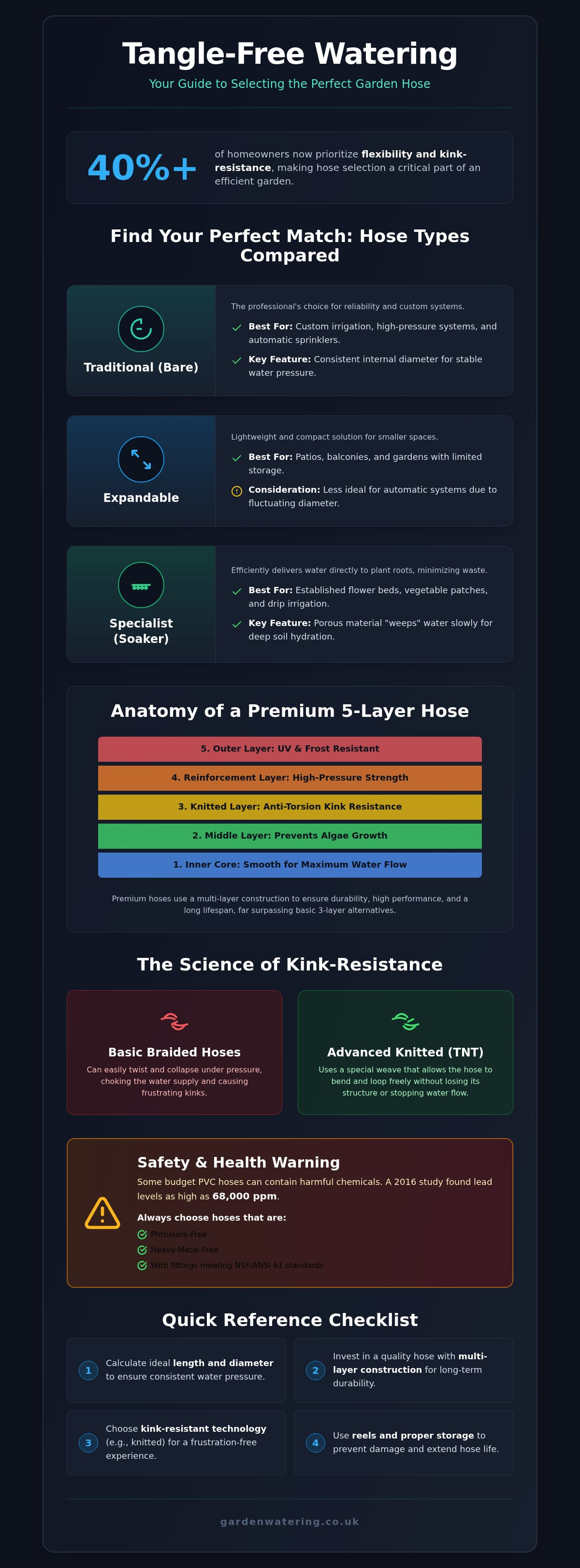
- Learn how to choose between traditional bare hoses for custom irrigation and lightweight expandable options for smaller spaces.
- Understand the science of kink-resistance and why a multi-layer garden hose provides the durability needed for long-term outdoor use.
- Discover how to calculate the ideal length and diameter to ensure consistent water pressure throughout your garden.
- Gain insight into how automatic reel technology and proper storage prevent damage and extend the life of your equipment.
- Learn why specialist quality is the foundation of a reliable Hozelock automatic watering system.
Types of Garden Hoses: Finding Your Perfect Match
Selecting the right foundation for your outdoor space starts with understanding that not all equipment is built to the same standard. While a basic green pipe might seem adequate at first, the variety of different types of garden hoses available today allows you to match the tool to your specific environment. The right choice ensures your watering routine remains a helpful part of your day rather than a frustrating chore. As specialists with 15 years of experience, we've seen how the correct hose choice can transform the efficiency of an entire landscape.
Traditional "bare" hoses are often the professional's choice for custom DIY setups. These hoses are usually sold without pre-fitted connectors, giving you the freedom to cut them to the exact length required for your irrigation layout. For maximum performance and durability, look for reinforced options with a five-layer construction. These are specifically engineered to resist high pressure and prevent the structural fatigue that causes cheaper versions to split after just one season of use.
Standard vs. Expandable: Which wins for you?
Expandable hoses are a popular solution for modern gardens where storage space is at a premium. They use a flexible inner core that stretches when pressurized and shrinks back to a compact size once the water is turned off. Market data from 2026 shows a 5.6% growth rate in this category, reflecting a strong preference for lightweight, space-saving tools. However, for long-term reliability and compatibility with automatic systems, traditional reinforced hoses still hold the crown. They offer a consistent internal diameter that won't fluctuate; this is essential for maintaining the steady water pressure required for high-quality sprinklers.
Specialist Hoses for Specific Tasks
Sometimes a standard garden hose isn't the most efficient way to hydrate your plants. Recent homeowner surveys indicate that over 40% of gardeners now prioritize a balance of flexibility and kink-resistance, leading many to explore specialist options. For established flower beds or vegetable patches, a porous soaker hose is a superior choice. These specialist pipes allow water to weep slowly through the material, delivering moisture directly to the soil surface where it's needed most.
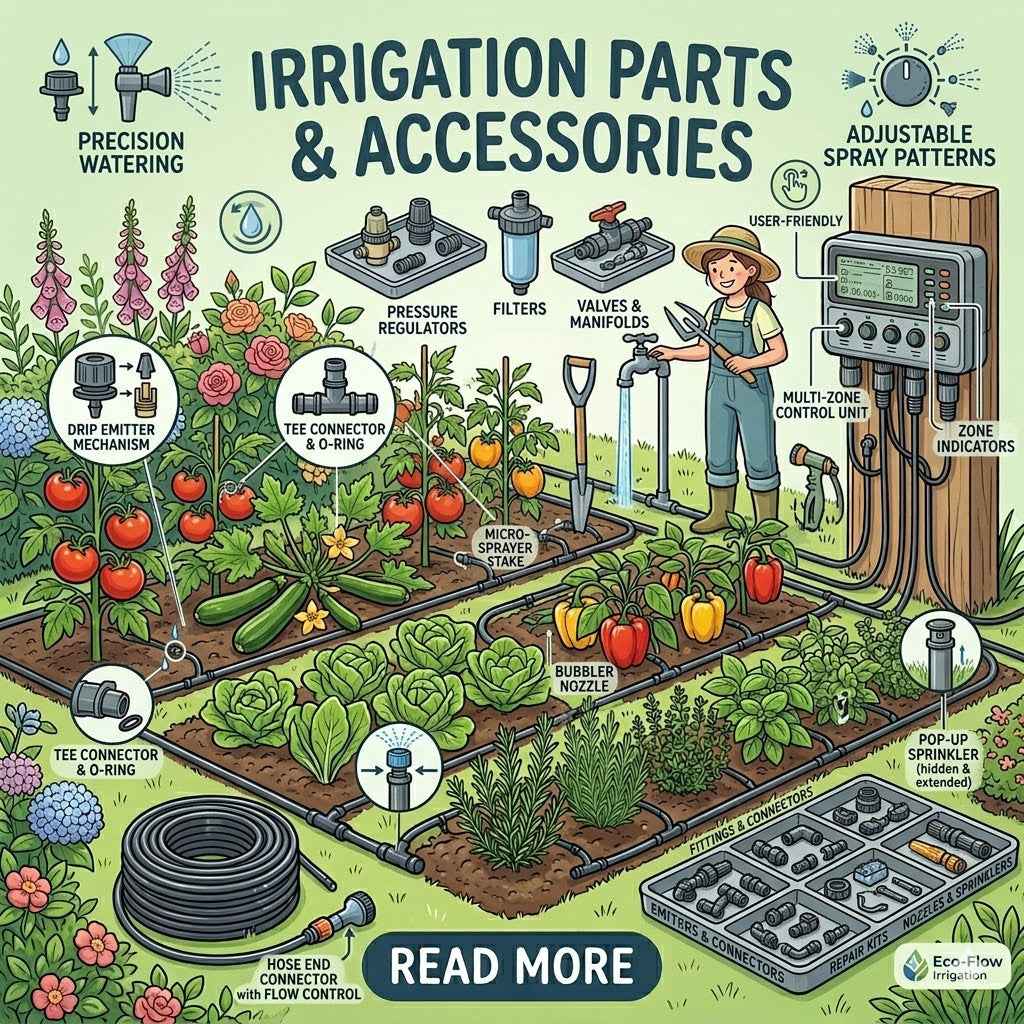
This targeted approach is often the first step toward building a comprehensive drip irrigation system. By choosing a hose designed for your specific tasks, you'll reduce water waste and protect the long-term health of your plants. Brands like Hozelock have spent decades refining these designs to ensure they integrate seamlessly with modern timers and connectors, providing the quiet confidence of a system that works perfectly every time.
Durability & Performance: Beyond the 'Green Pipe'
When you choose a professional-grade garden hose, you're investing in the structural integrity of your entire irrigation setup. Many budget options rely on thin PVC that hardens in the sun and cracks in the cold. For those who appreciate data-driven comparisons, in-depth garden hose reviews often highlight how multi-layer construction prevents the common failure points found in budget alternatives. As specialists with over 15 years in the field, we've found that performance is dictated by what's inside the walls of the pipe, not just its outward appearance.
Decoding Hose Layers and Materials
Quality equipment is built in layers. A standard 3-layer hose provides a basic foundation, but a 5-layer premium construction offers the reinforcement needed for high-pressure systems. These additional layers often include a smooth inner core for better flow, a middle layer to prevent algae growth, and a tough outer skin that resists UV damage and frost. This is particularly vital in the UK, where winter temperatures can cause cheaper materials to become brittle and split.
Safety is another critical factor. A 2016 study by the Ecology Center found that some PVC hoses contained lead levels as high as 68,000 parts per million, which is significantly higher than safety limits for consumer products. To protect your garden and family, we recommend choosing hoses that are phthalate-free and heavy-metal-free. To see how these durable materials perform in practice, explore our range of Hozelock watering equipment designed for the enthusiast.
The Science of Kink-Resistance
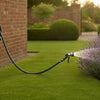
Kink-resistance is the ability of a hose to maintain flow even when looped. This is achieved through advanced reinforcement techniques like "TNT" (Tricoflex Non-Torsion) technology. Unlike basic braided hoses that can twist and choke the water supply, knitted structures use a specific weave pattern that allows the hose to bend without collapsing. This technology ensures that even if you pull the hose around a sharp corner or a garden bench, the water continues to reach your plants without interruption.
Flexibility also dictates how easy it's to manage your equipment at the end of the day. A hose that maintains its shape while remaining supple will wind onto a reel far more easily than a stiff, low-quality version. This ease of use reduces physical strain and prevents the internal damage that occurs when a hose is forced into a storage position it wasn't designed to hold. By focusing on these technical details, you ensure a reliable watering experience for many years to come.
Length, Diameter, and Pressure: The Technical Essentials
Finding the right technical balance ensures your watering system operates at peak performance. If your equipment is too short, you'll struggle to reach corner borders. If it's too narrow, your sprinkler won't have the power to cover the lawn. Choosing the correct garden hose involves more than just picking a length off the shelf. It requires a clear understanding of how physical dimensions interact with your home's water pressure.
Choosing the Right Hose Length
We always recommend buying 10% more length than your initial measurements suggest. This extra slack allows you to navigate around garden furniture, trees, and corners without creating tension on the tap. To get an accurate measurement, run a string from your outside tap to the furthest point of your landscape, then measure that string. If you find your garden requires 25 metres of reach, don't settle for a 25-metre reel; buy 30 metres instead. Avoid the temptation to "daisy-chain" multiple short hoses together. Every additional connector creates a potential leak point and causes a slight drop in pressure, which can undermine the efficiency of your entire setup.
Understanding Diameter and Water Flow
In the UK, 12.5mm (half-inch) is the standard diameter for most domestic gardens. It's lightweight and provides enough flow for typical tasks like hand-watering or running a small sprinkler. However, if you have a very large property or low mains pressure, upgrading to a 15mm or 19mm hose can significantly improve performance. A wider diameter allows a higher volume of water to move through the pipe at once. This is particularly important when using a Hozelock spray gun, as these tools require consistent flow to provide a powerful and even spray pattern.
You should also check the burst pressure rating, which indicates the maximum pressure the walls can withstand before failing. High-quality hoses typically feature ratings of 30 bar or higher. For those looking for verified performance data, Wirecutter's best garden hose recommendations offer a detailed look at how different brands handle these technical stresses. Managing a longer garden hose also requires a plan for storage to avoid trip hazards, which we'll explore in the following section. By matching the diameter to your specific flow requirements, you ensure your irrigation system remains both powerful and easy to handle.
Maximising Your Reach: Reels, Storage, and Automatic Integration
A garden hose acts as the primary artery for your landscape's hydration. While previous sections focused on the material science of the pipe itself, how you store and connect that equipment determines the longevity of your investment. Proper storage isn't just about keeping the garden tidy; it protects the internal layers from the structural stress of being left in a tangled heap. As specialists with 15 years of experience, we've found that a well-managed hose lasts significantly longer than one left exposed to the elements.
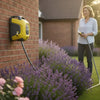
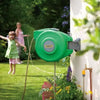
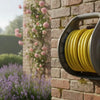
Manual reels offer a straightforward, cost-effective solution for many homeowners. They're reliable and easy to maintain, but they do require physical effort to wind correctly. In contrast, 'Auto-Reel' technology has changed the way we manage our equipment. These systems use a powerful spring-loaded mechanism to retract the garden hose smoothly and evenly. This eliminates the risk of internal kinking during storage and ensures the pipe is fully protected from UV exposure inside a tough outer casing. By keeping the hose off the ground, you also prevent accidental damage from lawnmowers or sharp garden tools.
Wall-Mounted vs. Portable Hose Reels
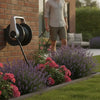
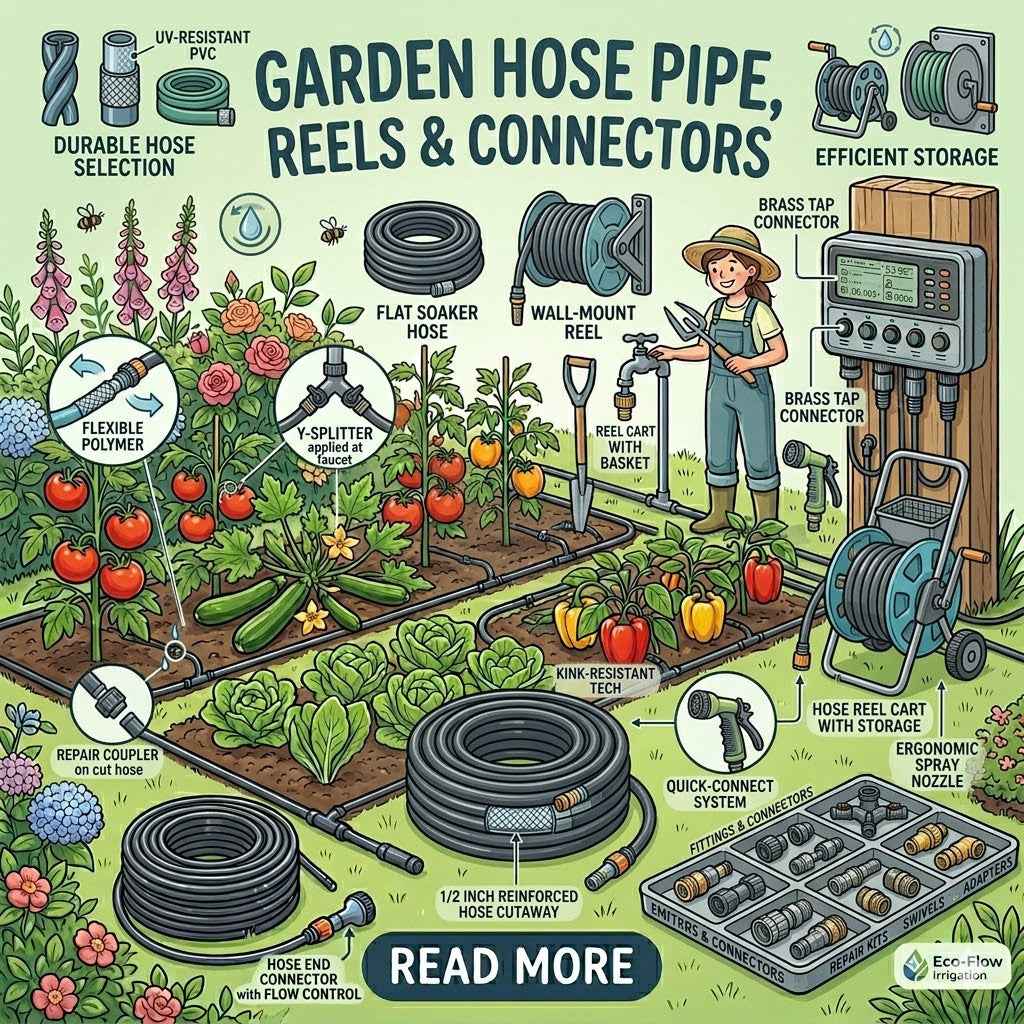
Wall-mounted reels are ideal for small, organized spaces where the tap is centrally located. They provide a permanent station that stays out of the way, which is perfect for maintaining clear paths. If you have a larger garden or need to move between the front and back of your property, a portable cart offers much-needed flexibility. These carts often feature larger wheels to navigate uneven turf and gravel easily. It's essential to select a reel that matches your specific hose length and diameter. An undersized reel will lead to overcrowding on the drum, which can crush the hose and restrict water flow over time.
Integrating with Automatic Irrigation
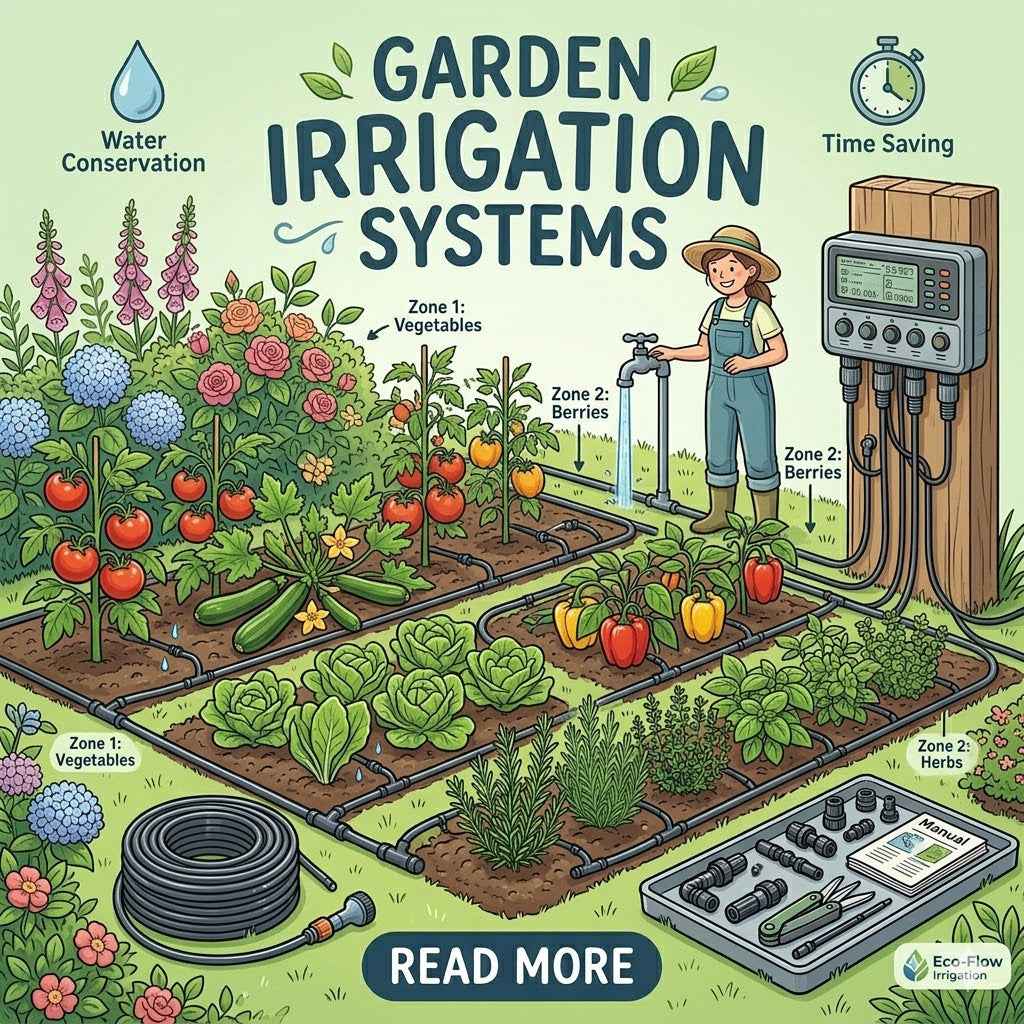
Your hose is the essential link to automatic watering systems. In a 24/7 automated setup, the system remains under constant pressure even when the water isn't flowing. This is why high-quality, reinforced hoses are non-negotiable for these configurations. Using a secondary hose to feed drip irrigation systems allows you to keep your main reel free for hand-watering while your borders are hydrated on a schedule. To maintain system integrity, you must use high-quality hose pipe connectors that won't pop off or leak under pressure. Ensuring your outside tap connection is secure and leak-free is the final step in creating a reliable, effortless watering routine.
Explore our range of Hozelock watering kits to find the perfect reel and hose combination for your garden.
Why Specialist Quality Matters: The Garden Watering Expert View
After 15 years of specializing in automatic irrigation, we've learned that your garden hose is the hardest-working tool in your shed. It's easy to be tempted by generic products found in local supermarkets, but these often fail to meet the demands of a high-pressure system. Our experience as Hozelock specialists has shown us that quality equipment isn't just a luxury; it's a necessity for anyone who values a reliable, leak-free watering routine. When you invest in a specialist product, you're buying the quiet confidence that your garden will stay hydrated without constant maintenance or hardware failures.
We often talk to customers about the "cost-per-year" value of their equipment. It's a simple calculation. A cheap £20 hose that splits after one summer of UV exposure and frost is a false economy. In contrast, a high-performance £60 hose designed with five-layer reinforcement can easily last a decade or more with proper care. Over time, the specialist option is significantly cheaper than replacing three or four budget versions. This long-term value is backed by comprehensive warranties and the reassurance of UK-based support, ensuring you're never left without help if you have a technical query.
One expert tip we share with every gardener: always keep a spare set of O-rings for your hose fittings. These tiny rubber seals are the most common cause of drips and pressure loss. Replacing them annually takes seconds and keeps your system performing like new. It's these small details that distinguish a specialist approach from a generalist one.
The Hozelock Ecosystem Advantage
The primary benefit of choosing a recognized industry leader is the seamless compatibility across the entire range. When you build a Hozelock watering kit, every component is engineered to work together. The hose connects perfectly to the timer, and the timer communicates effectively with the sprinklers. This integration prevents the "popping off" of connectors that often happens when mixing different brands. Hozelock’s innovation in anti-kink technology also ensures that even as your system grows more complex, your water flow remains steady and unobstructed.
Final Checklist for Your Purchase
For small patios or urban courtyards, the "Expert Choice" is a compact, wall-mounted Auto-Reel that keeps the space tidy. For larger landscapes, we recommend a 15mm or 19mm reinforced garden hose on a portable cart to ensure maximum flow over long distances. Always prioritize kink-resistance over the lowest price to ensure long-term satisfaction and a frustration-free experience. Before you buy, check your tap pressure and measure your furthest corner, adding that essential 10% slack we discussed earlier.
Ready to upgrade your irrigation setup? Explore our full range of Hozelock hoses and reels to find the perfect foundation for your garden.
Build Your Perfect Watering System
Selecting a high-performance garden hose is the most effective way to eliminate the frustration of kinks and low water pressure. By prioritizing multi-layer construction and technical compatibility, you ensure your equipment handles the demands of your landscape for years to come. Whether you're hand-watering delicate borders or feeding a complex automatic system, the right foundation makes all the difference. It's about more than just moving water; it's about protecting the long-term health of your plants and enjoying your outdoor space.
As an official Hozelock specialist with over 15 years of UK irrigation expertise, we're dedicated to helping you achieve a thriving garden with minimal effort. We provide expert advice on every order to ensure you find the exact solution for your unique space. Take the next step toward a more efficient outdoor routine today by choosing equipment designed for performance and longevity.
Shop our Expert-Selected Hozelock Hoses & Reels
We look forward to helping you create a simpler, more successful watering experience for many seasons to come.
Frequently Asked Questions
What is the best garden hose for high water pressure?
A reinforced 5-layer hose with a burst pressure rating of 30 bar or higher is the best choice for high-pressure environments. These premium hoses are designed to maintain their structural integrity even when the water flow is restricted by a spray gun or sprinkler. Using a lower-quality pipe in high-pressure setups often leads to bulges or splits at the connector points.
Are expandable garden hoses worth it in 2026?
Expandable hoses are excellent for small patios or balconies where storage space is limited. In 2026, they remain a popular lightweight choice, though they don't offer the same longevity as traditional reinforced models. For professional irrigation or high-pressure tasks, we still recommend a high-quality garden hose with a fixed diameter to ensure consistent water delivery.
How do I stop my garden hose from kinking?
To prevent kinking, invest in a hose featuring knitted "TNT" (Tricoflex Non-Torsion) technology. This specific weave allows the pipe to bend and loop without collapsing the internal water channel. Additionally, always store your equipment on a wall-mounted or portable reel to ensure it's wound without twists, which prevents permanent "memory" kinks from forming in the material.
What size hose connector do I need for a standard UK tap?
Most standard UK outside taps require a 3/4 inch (19mm) BSP threaded connector, though some older installations might use a 1/2 inch (12.5mm) size. It's helpful to check the diameter of your tap's threaded outlet before purchasing. Most Hozelock connectors come with an adaptor that fits both common sizes, ensuring a secure and leak-free attachment to your home's water supply.
Can I leave my garden hose outside during the winter?
While premium hoses often feature frost protection, you should ideally drain and store your equipment in a shed or garage during the winter. Water left inside a garden hose can expand when it freezes, which causes internal layers to stretch and weaken. Taking this small step at the end of the season will significantly extend the life of your irrigation tools.
What is the difference between a braided and a knitted hose?
The main difference lies in the weave of the reinforcement layer. A braided hose uses a simple criss-cross mesh that can still twist and kink under pressure. A knitted hose uses a series of interlocking loops that provide superior flexibility and structural memory. This knitted design is what allows the hose to remain supple while resisting the urge to twist or tangle.
How long does a high-quality Hozelock hose typically last?
A high-quality Hozelock hose can easily last 10 to 15 years if it's stored correctly on a reel and protected from extreme weather. These products are engineered for durability and often come with long-term guarantees. Regular maintenance, such as checking the O-rings in your connectors, ensures the entire system remains efficient and leak-free throughout its lifespan.
Can I use a garden hose with an automatic water timer?
You can certainly use a hose with an automatic timer, provided it's a reinforced model capable of handling constant pressure. When a timer shuts off, the hose remains pressurized between the tap and the valve. Cheaper, non-reinforced hoses may swell or burst under this continuous stress. Always ensure your connectors are high-quality to prevent leaks during 24/7 automated operation.
`-
Posted in
garden hose, gardening, gardening tools, Hozelock, irrigation, kink-free hose, lawn care, watering