What Is a Drip Watering System and How Does It Work?
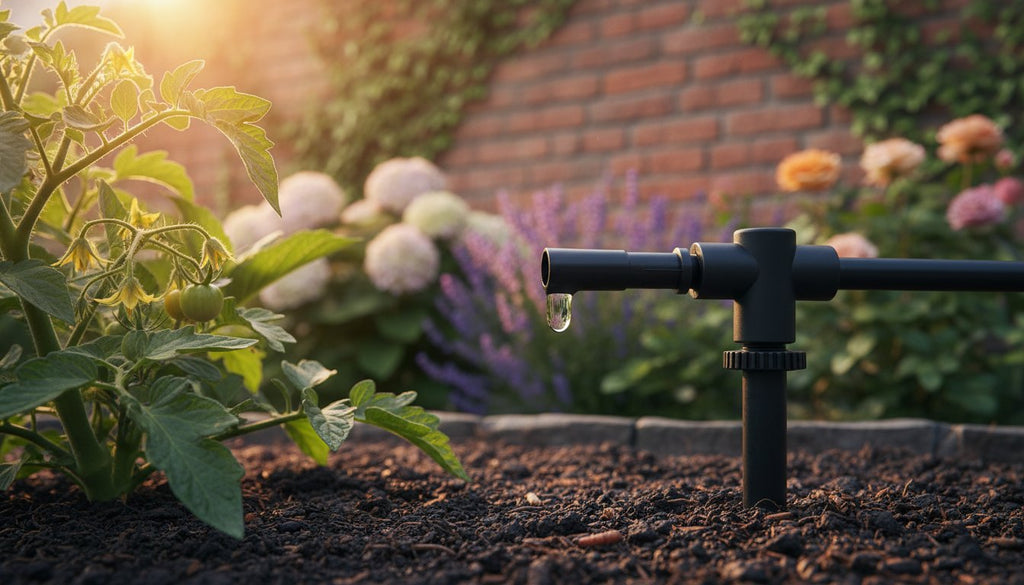
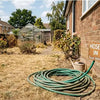
Are you tired of spending your evenings with the hose, worrying that you're watering the pavement more than your plants? It’s a common frustration for UK gardeners: trying to achieve a lush, healthy garden without the daily guesswork, wasted water, and the risk of over or under-watering. A drip watering system offers a simple, efficient solution, delivering water exactly where it's needed most-the roots.
But how do they actually work, and are they complicated to install? We understand these systems can seem technical at first, which is why this expert guide is here to demystify the entire process. We will break down the essential components without confusing jargon and show you how this revolutionary approach to watering can save you time, money, and effort.
By the end of this article, you will understand everything you need to choose and set up the right system with confidence. Get ready to discover how you can conserve water, lower your bills, and help your garden thrive like never before.
Key Takeaways
- Understand the core principle of drip irrigation: delivering water directly to the roots for maximum efficiency and minimal waste.
- Save time and reduce your water bills by learning how a targeted watering approach can transform your garden maintenance.
- Discover how a drip watering system not only conserves water but also helps prevent common plant diseases by keeping foliage dry.
- Identify the key components of a system and determine if it's the right solution for your garden, from vegetable patches to potted plants.
What is a Drip Watering System? The Basics Explained
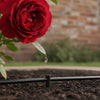
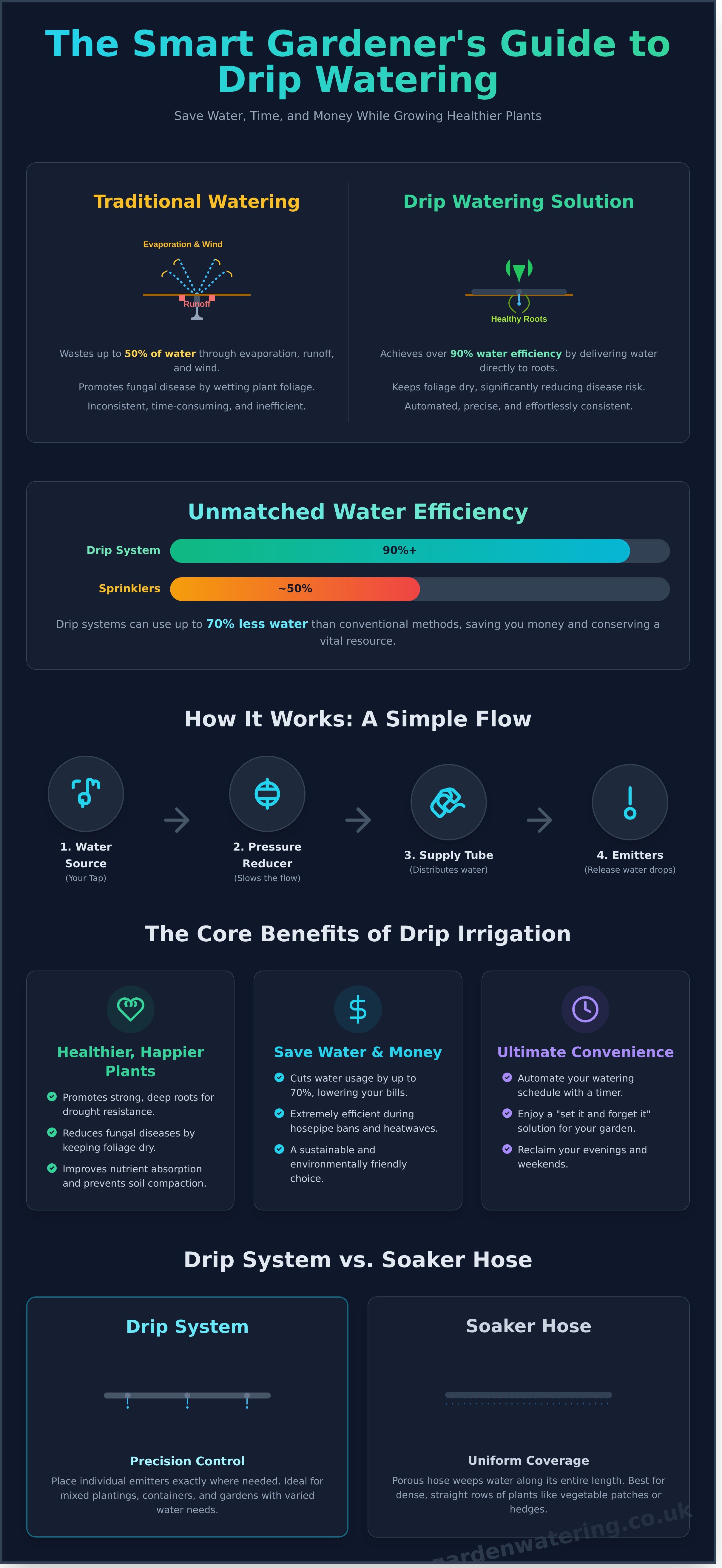
A drip watering system is a highly efficient, low-pressure irrigation solution designed to deliver water slowly and directly to the base of your plants. The core principle is simple yet revolutionary for gardeners: by applying water precisely where it's needed most-the root zone-it minimises waste through evaporation and runoff. This method stands in stark contrast to traditional sprinklers, which can lose a significant amount of water to wind and sun, or hand watering, which can be inconsistent and time-consuming.
At its heart, Drip irrigation is about precision and conservation. By providing a slow, steady supply of moisture, it ensures plants get the consistent hydration they need to thrive, often using up to 70% less water than conventional methods. It's a smart, effective, and often automated solution for the modern UK garden, from vegetable patches and flower beds to hanging baskets and pots.
This same technology is a cornerstone of modern hydroponics, a method of growing plants in a water-based, nutrient-rich solution instead of soil. To explore how drip systems are adapted for these advanced setups, you can read more.
To see how these components come together in a real garden, watch this helpful video:
How Does It Actually Work?
Understanding how a drip system functions is straightforward. The process is a simple, logical flow designed for maximum efficiency and minimal effort:
- Water travels from your outdoor tap through a main supply tube.
- A pressure reducer, a key component, slows the flow from your tap to a gentle, low-pressure level suitable for the system.
- This low-pressure water then moves through a network of smaller micro-tubing.
- Finally, emitters or 'drippers' placed near each plant release the water drop by drop directly onto the soil surface, allowing it to be absorbed right at the root zone.
Drip Irrigation vs. Soaker Hoses
While both are efficient watering methods, a key difference lies in control and precision. A soaker hose is a porous pipe that 'weeps' water along its entire length, which is great for dense, uniform rows of plants. However, a drip irrigation system uses individual emitters that you can place exactly where needed. This makes it a far more versatile and targeted solution for mixed plantings, containers, or gardens where plants have different watering requirements. Ultimately, drip systems offer superior water distribution and less waste, ensuring each plant gets exactly what it needs without over-saturating the surrounding soil.
The Core Benefits: Why Choose Drip Watering for Your Garden?
Switching to a drip watering system is more than just a new way to water; it’s a fundamental upgrade for your garden's health and your own convenience. The advantages are clear and immediate, centred around three core principles: saving water, promoting healthier plants, and saving you precious time. By delivering water directly to the base of each plant, you create an optimal growing environment that traditional methods simply cannot match.
Save Water, Save Money
A drip watering system is an exceptionally efficient solution that can drastically reduce your water consumption and, consequently, your water bill. Unlike sprinklers, which can lose up to 50% of their water to wind, runoff, and evaporation, drip irrigation boasts an efficiency rate of over 90%. This high level of precision is central to how drip irrigation works; by applying water slowly and directly to the soil, every drop is absorbed. During the UK's increasingly common summer heatwaves and hosepipe bans, this targeted approach ensures your garden can still thrive responsibly. It is, quite simply, a more sustainable and environmentally friendly way to garden.
Healthier, Happier Plants
The slow, steady supply of water from a drip system creates the perfect conditions for plants to flourish. Instead of the 'flood and famine' cycle of manual watering, plants receive consistent moisture that reduces stress and encourages robust growth. The key benefits include:
- Stronger Roots: Deep, consistent watering encourages roots to grow deeper into the soil, creating more resilient and drought-tolerant plants.
- Reduced Fungal Disease: By keeping foliage dry, you significantly lower the risk of common problems like black spot, mildew, and blight, which thrive on damp leaves.
- Better Nutrient Absorption: Water is delivered at a rate the soil can absorb, preventing soil compaction and ensuring essential nutrients aren't washed away.
Ultimate Convenience and Time-Saving
Imagine reclaiming the hours you spend dragging a hose around the garden. With a drip system, watering becomes an automated, background task. Add a simple water timer, and you can create a 'set it and forget it' schedule tailored to your garden's exact needs. This means you can go on holiday without worrying about your plants, and your garden receives perfect, consistent care whether you are home or not. Furthermore, because water is only applied where it's needed, the surrounding soil stays drier, which naturally suppresses weed growth. You’ll spend less time watering and weeding, and more time simply enjoying your beautiful, healthy garden.
The Key Components of a Drip System Explained
Think of a drip watering system like your garden's own circulatory system. It might sound complex, but each component has a simple, logical role in delivering water efficiently from the source to where it's needed most-the plant's roots. Understanding these parts helps demystify the process and shows just how customisable these solutions are for any garden layout.
While the list of individual parts can seem long, remember that many high-quality starter kits contain everything you need to get started, making the process incredibly straightforward.
The 'Heart and Brain': Tap Connector, Timer, and Filter
This is the control centre of your system, located right at your outdoor tap. It's the heart that manages the water flow and the brain that tells it when to work. Key parts include:
- Tap Connector: The simple starting point that securely attaches the system to your garden tap.
- Water Timer: The brain of the operation. This automates your watering schedule, ensuring your plants get a consistent supply of water even when you're on holiday.
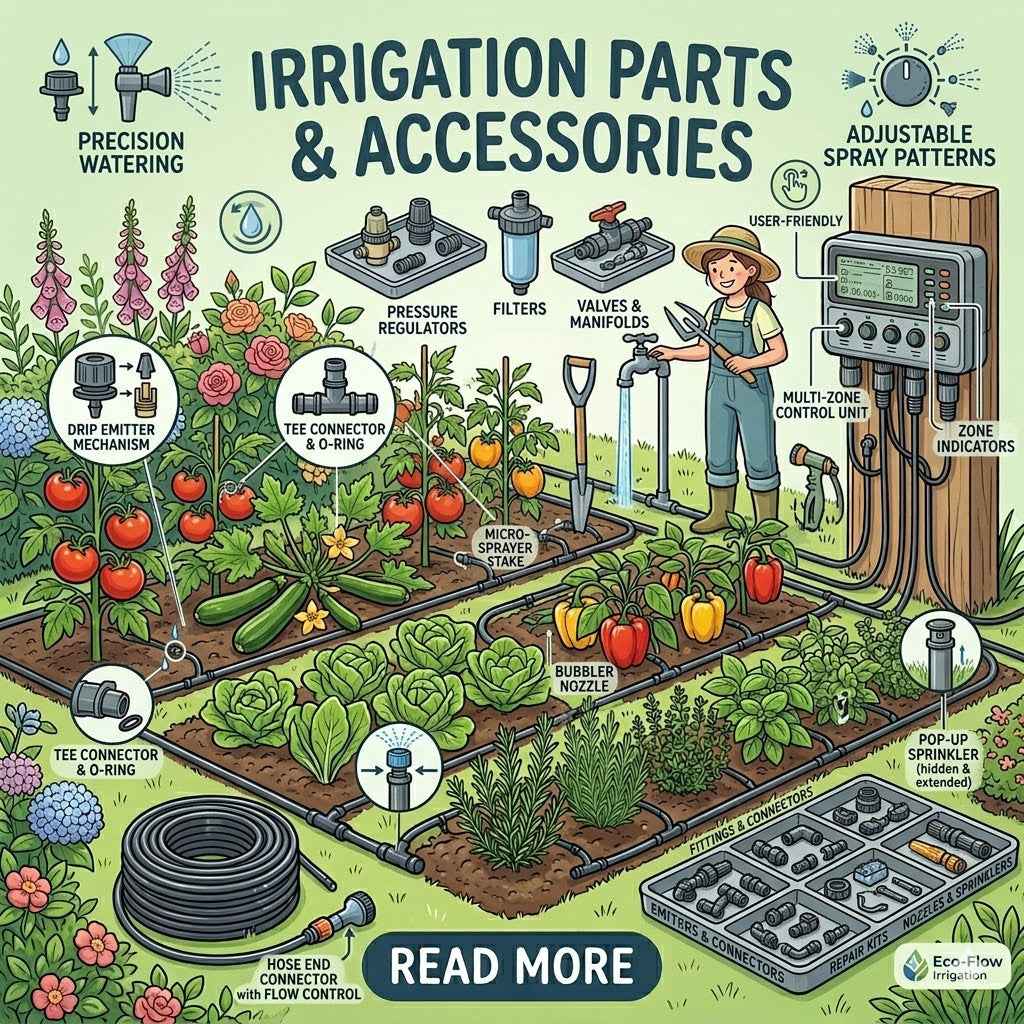
- Pressure Reducer: A vital component. Standard household water pressure is too high for drip irrigation and can damage fittings. This device reduces the pressure to a safe, steady level.
- Filter: Protects your entire system by catching any small particles of grit that could block the narrow drippers.
These principles of pressure control are fundamental in many fields beyond gardening. In industrial automation, for example, sophisticated pneumatic systems rely on precise regulation. For those curious about the engineering, VidoAir provides a detailed guide on how these advanced components work.
The 'Arteries': Supply Pipe and Micro Tubing
Once water leaves the control centre, it travels through a network of pipes, much like arteries carrying blood around the body. This is how you customise the layout to suit your garden perfectly.
- Main Supply Pipe (13mm): This is the main artery, a robust pipe that carries water from the tap to the key areas of your garden, such as a vegetable patch or along a run of patio pots.
- Micro Tubing (4mm): These are the smaller vessels. This flexible tubing branches off the main pipe to deliver water to individual plants. Planning this network is a key step, and this excellent DIY guide to drip irrigation provides a detailed look at the process.
The 'Taps': Drippers and Emitters
These are the final, and most important, parts of the system. They are the tiny taps that ensure water is delivered slowly and precisely to the base of each plant, minimising waste and evaporation.
- Adjustable Drippers: Perfect for mixed planting, as you can control the flow rate to suit the needs of a thirsty tomato plant or a small perennial.
- In-line Drippers: These are pre-installed within a length of tubing, making them an efficient solution for watering neat rows of plants or hedging.
- Micro Jets and Sprays: For areas that need wider coverage, like flower beds or greenhouses, these emitters provide a gentle, targeted spray.
While these components are designed for garden use, the underlying engineering principles of controlling flow and pressure are universal. In advanced industrial settings, similar but far more robust parts are used to automate complex machinery. For those interested in this technology, an industrial pneumatic components supplier offers a look into the high-precision world of automated fluid power systems.
Is a Drip Watering System Right for Your Garden?
A drip watering system is an incredibly efficient and versatile tool, but choosing the right irrigation method is key to a thriving garden. As irrigation specialists, we believe in providing honest, practical advice to help you find the perfect solution for your specific needs. Let's explore where a drip system truly excels and where another option might serve your garden better.
Perfect for These Garden Areas
The precision of a drip irrigation system makes it the ideal choice for targeted watering, ensuring every drop of water is used effectively. It is the superior solution for many common areas in a UK garden, including:
- Vegetable Patches and Allotments: By delivering water directly to the base of each plant, it keeps foliage dry, which helps to reduce the risk of common fungal diseases and promotes strong, healthy root development for your crops.
- Flower Beds and Borders: You can water the roots of your plants without soaking delicate petals and flowers. This prevents damage and keeps your floral displays looking their absolute best throughout the season.
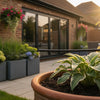
- Pots, Containers, and Hanging Baskets: These are notoriously quick to dry out, especially during warmer months. A drip system provides a consistent, slow supply of moisture, taking the daily chore and guesswork out of container gardening.
- Greenhouses and Polytunnels: Controlled environments demand controlled watering. Drip irrigation offers the ultimate precision, maintaining optimal soil moisture for seedlings and mature plants without excessively raising ambient humidity.
When to Consider Other Options
While drip irrigation is a fantastic solution for many applications, there are a couple of scenarios where a different approach is more practical and efficient. We are committed to helping you find the right system, not just any system.
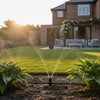
For large, open areas of grass, achieving even coverage with individual drippers is impractical. A dedicated pop-up sprinkler system is designed to distribute water evenly over a wide area, ensuring your lawn stays lush and green without dry patches. Explore our range of Lawn Sprinklers for greener grass.
Similarly, if you have large areas of densely planted, low-growing ground cover, a soaker hose can be a simpler alternative. It 'weeps' water along its entire length, providing a more uniform soaking for areas where placing individual drippers would be too complex.
Make the Switch to Smarter Watering
As we have explored, drip irrigation is a highly efficient and targeted method for keeping your garden hydrated. By delivering water directly to the roots, you not only conserve a significant amount of water but also promote healthier, more resilient plant growth and reduce common issues like weeds and fungal diseases. It is a simple, effective change that yields powerful results for gardens of all sizes.
Choosing the right drip watering system can feel like a big decision, but you don’t have to make it alone. As dedicated Hozelock specialists with over 15 years of irrigation experience, we are more than just a store-we are your trusted partner. We understand precisely what your garden needs to thrive and provide expert advice to ensure you find the perfect, high-quality solution.
Ready to transform your watering routine? Explore our expert-selected Hozelock drip irrigation kits. Take the first step towards a more beautiful, water-wise garden today.
Frequently Asked Questions About Drip Watering Systems
How much does a drip watering system typically cost to set up?
The cost is highly flexible and depends on the size of your garden. For a small patio or a few containers, a starter kit can cost as little as £25 to £50. For a medium-sized garden with vegetable patches and borders, you might expect to spend between £100 and £200 for all the necessary components. These initial costs are offset by long-term savings on your water bill, making it a highly efficient and cost-effective watering solution.
Is it difficult to install a drip system myself, or do I need a professional?
The great news is that most modern drip irrigation systems, especially kits from trusted brands like Hozelock, are designed for easy DIY installation. The components simply push-fit together, and you only need basic tools like scissors or pipe cutters to trim the tubing. With clear instructions, setting up a system for a typical garden is a straightforward weekend project. A professional is rarely needed unless you have a very large or complex garden layout.
Can I connect a drip watering system to a water butt or rain barrel?
Yes, you absolutely can, and it's an excellent way to create an environmentally friendly watering solution. However, as most drip systems require some pressure to work effectively, you will need a gravity-fed system. This typically means elevating your water butt at least one metre off the ground to create enough head pressure to push the water through the pipes and drippers. Some specialised low-pressure drippers are also available for this specific purpose.
How often and for how long should I run my drip system?
The ideal schedule depends on your soil type, climate, and the specific needs of your plants. A good starting point for loamy soil in a UK summer is to run the system for 20-40 minutes, two to three times per week. The key is to water deeply and infrequently to encourage strong root growth. We recommend checking the soil moisture a few inches down before and after watering to fine-tune your schedule until your plants are thriving.
Do drip systems get clogged easily, and how can I prevent it?
Clogging is a common concern with any drip watering system, but it is easily managed with a few simple steps. The single most effective way to prevent blockages from sediment or debris is to install an inline filter at the start of your system, right after the tap connector. It is also good practice to briefly flush the lines once or twice a season by removing the end caps or plugs and letting the water run freely for a minute.
What happens to the system in winter? Do I need to protect it from frost?
Yes, winterising your system is essential to prevent frost damage from water freezing and expanding inside the pipes and components. Before the first hard frost, disconnect the water timer and bring it indoors. Then, disconnect the main supply tube from the tap and open any end caps on your drip lines to allow all the water to drain out completely. This simple process will ensure your system is safe, secure, and ready for the next growing season.
`-
Posted in
drip watering system