Hosepipe Bans in the UK: A 2026 Guide to Keeping Your Garden Alive
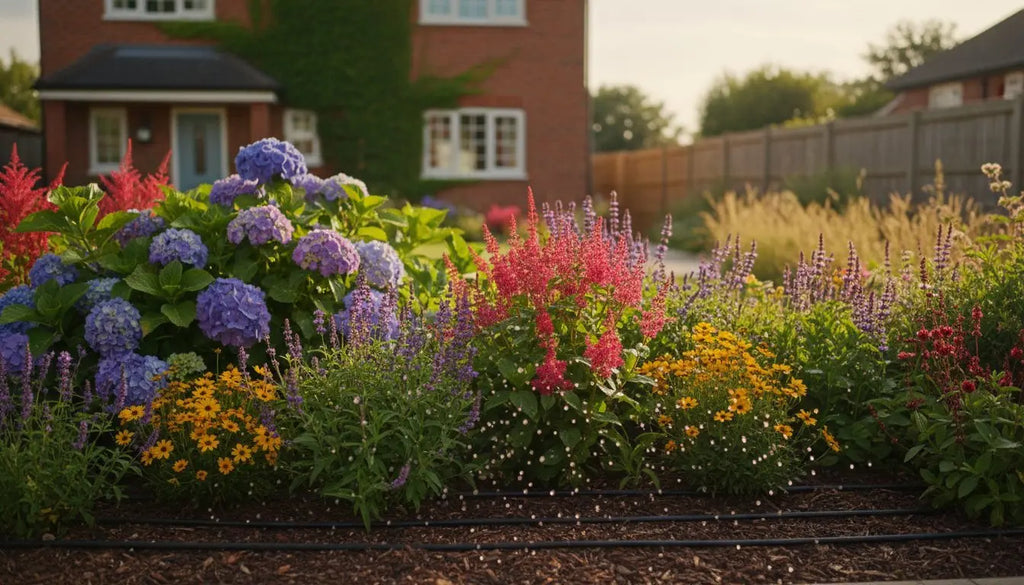
Last August, thousands of UK homeowners watched helplessly as over £450 worth of new border plants wilted in the heat, terrified that turning on the tap would trigger a £1,000 fine. It's a stressful situation we know all too well; the fear of accidental rule breaking often outweighs the desire to save a thirsty garden. We agree that the terminology surrounding **hosepipe bans** can be incredibly confusing, leaving you unsure if your expensive hydrangeas are allowed a drink or if you're destined for a summer of heavy buckets.
This 2026 guide provides the expert irrigation advice you can trust to ensure your garden remains lush and healthy. You'll learn exactly how to stay compliant with current UK water regulations while using smart Hozelock technology to deliver water directly to the roots. We'll explain why drip irrigation is often exempt from standard restrictions and show you the specific equipment that keeps your plants thriving while your neighbours' gardens turn brown. From understanding the latest local utility rules to installing water-efficient solutions, we have your back.
Key Takeaways
- Understand the legal framework of Temporary Use Bans and how to navigate the specific restrictions set by your local water company.
- Discover why drip irrigation systems often serve as a compliant "smart loophole" during hosepipe bans, keeping your plants healthy without breaking the rules.
- Learn how to use automatic timers and precision watering to deliver moisture directly to the roots, significantly reducing water waste.
- Implement expert soil-care strategies like mulching to retain moisture and help your most prized plants survive even the harshest UK heatwaves.
- Explore modular Hozelock solutions designed to future-proof your garden with efficient technology that adapts to your changing irrigation needs.
What are Hosepipe Bans and Why Do They Happen in 2026?
A hosepipe ban, officially known as a Temporary Use Ban (TUB), is a legal restriction established under the Water Industry Act 1991. These measures allow water companies to protect essential supplies when demand outstrips the available resource. The Environment Agency monitors national water security, but the power to trigger a ban rests with local providers like Thames Water or Southern Water. In 2026, reservoir levels in the South East have dropped to 74% capacity by early May, following two consecutive seasons of 15% below-average rainfall.
It's vital to distinguish between a voluntary request and a statutory ban. A voluntary restriction is a plea for gardeners to reduce usage through goodwill and community effort. A statutory ban is a legally enforceable order. If you're caught using a hosepipe for prohibited activities during a formal ban, you could face a fine of up to £1,000 under Section 76 of the Act. Understanding the mechanics of hosepipe bans helps you plan your garden maintenance more effectively while staying on the right side of the law.
The Legal Triggers for a UK Water Ban
Water companies don't implement hosepipe bans on a whim. They follow a strict "Drought Plan" consisting of four distinct stages. Most companies trigger a TUB during Stage 2, which occurs when groundwater levels fall below the 10th percentile for that specific time of year. Legally, a company must publish a notice in at least two local newspapers and on their website 72 hours before the restrictions begin. This notice period ensures every household has a fair chance to adjust their watering routines.
Why Traditional Watering is the First Target
Domestic gardens are the primary target for restrictions because of peak demand spikes. During a typical British summer evening between 6pm and 9pm, water demand can surge by 50% as thousands of households turn on their sprinklers simultaneously. A standard garden hose uses approximately 1,000 litres of water per hour. This is more than a family of four uses in two full days for drinking, washing, and cooking. High demand puts immense pressure on local pumping stations and reduces water pressure for essential services. Moving toward efficient solutions like automatic water timers and drip systems helps reduce this strain while ensuring your plants continue to thrive.
The Rules of Engagement: What is Prohibited Under a Ban?
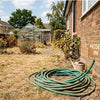
When a water company announces a Temporary Use Ban, commonly known as hosepipe bans, it's vital to understand exactly what activities are restricted. These rules are legally binding under the Water Industry Act 1991. They target high-volume water usage to protect the UK's dwindling reservoir levels. You're prohibited from using a hosepipe or sprinkler to water your garden, as a standard garden hose can discharge up to 1,000 litres of water per hour. This restriction covers any system connected to the mains, including automated lawn sprinklers and pressure washers.
The rules extend well beyond the flowerbeds. You cannot use a hose to clean a private motor vehicle, a leisure boat, or outdoor surfaces like paths and patios. Filling or maintaining a domestic swimming pool, paddling pool, or ornamental pond is also restricted. For those looking to keep their garden healthy while staying within the law, exploring efficient watering solutions like hand-held cans is a practical way to manage your plants during these dry spells.
Understanding the £1,000 Fine
Enforcement is a legal reality that water companies take seriously. Firms monitor usage through increased meter readings and respond to reports from the public. During the 2022 heatwave, some water companies reported a 30% increase in reports from neighbours regarding potential breaches. If you're caught, you'll likely receive a warning first. Repeat offenders face prosecution in a magistrate's court, leading to a maximum fine of £1,000. Claiming you didn't know the ban was in place isn't a valid legal defence. Companies must publish notices in local newspapers and on their websites at least 72 hours before the ban starts.
Exemptions You Might Not Know About
There are specific scenarios where the rules are relaxed to ensure safety and protect livelihoods. You can use a hose for health and safety reasons, such as removing a dangerous spill from a driveway or cleaning animal waste. Professional landscapers and commercial nurseries are also exempt for business purposes, ensuring the UK's horticultural industry isn't crippled by dry weather. Additionally, many water companies offer concessions for Blue Badge holders. These residents are often permitted to use a hosepipe to avoid the physical strain of carrying heavy watering cans, though you should always check your specific provider's policy first as rules can vary between regions.
The Smart Loophole: Drip Irrigation and Automatic Timers
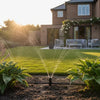
During hosepipe bans, many gardeners assume all outdoor taps are off-limits. However, most UK water companies distinguish between wasteful spray and "targeted" delivery. Drip irrigation systems are frequently exempt from these restrictions because they use a fraction of the water a standard hosepipe requires. These systems aren't just a way to follow the rules; they're a more effective way to garden.
The efficiency gap between methods is staggering. A standard hosepipe can blast through 1,000 litres of water in just 60 minutes. In contrast, a precision drip line uses approximately 2 to 4 litres per hour per emitter. While a watering can is technically compliant, it often leads to water running off the surface rather than soaking deep into the root zone. Drip systems ensure 90% of the water reaches the plant, compared to less than 60% for traditional sprinklers.
Why Drip Irrigation Often Remains Permitted
Regulatory documents usually define "targeted" watering as systems that deliver water directly to the soil at a low flow rate. To remain compliant, these setups must include a pressure-reducing valve. This component prevents water wastage by ensuring the system operates at the exact pressure required for the emitters to function without leaking. Drip systems are favoured by conservationists because they eliminate surface runoff and evaporation by placing water exactly where the plant can absorb it.
Integrating Smart Timers for Maximum Efficiency
Precision is only half the battle; timing is the other. Setting your system to run at 4:00 AM ensures your plants are hydrated before the sun causes rapid evapotranspiration. This early window is the most efficient time to water, as the air is cool and the soil is at its most receptive. You can further enhance this by using rain sensors that automatically cancel cycles if the British weather has already done the job for you.
It's vital to choose the right hardware to stay within the rules. You can explore the Hozelock automatic watering system for compliant gardening. We specialise exclusively in these high-quality solutions to help your garden thrive even during the strictest hosepipe bans. By combining a timer with a micro-irrigation layout, you create a system that is both legally sound and environmentally responsible.
- Hosepipe: Uses ~1,000 litres per hour; high evaporation loss.
- Watering Can: Labour intensive; prone to surface runoff.
- Drip Line: Uses ~2-4 litres per emitter; delivers water directly to roots.

Essential Strategies for a Water-Resilient Garden
Creating a garden that withstands hosepipe bans requires a shift from reactive watering to proactive moisture management. Soil health is your first line of defence. Soil with high organic matter acts like a biological sponge, retaining significantly more moisture than compacted or sandy earth. Applying a 5cm to 7cm layer of organic mulch, such as bark chippings or well-rotted compost, can reduce surface evaporation by as much as 70% during a typical UK heatwave. This layer keeps the root zone cool and prevents the soil from cracking under the sun.
You also need to prioritise your plants. Focus your limited water resources on high-value specimens, such as fruit trees, young saplings, and established roses. Lawns are remarkably resilient; they'll turn brown and go dormant to protect their root systems, usually bouncing back once the autumn rains arrive. For ornamental borders, consider greywater harvesting. Reusing "second-hand" water from baths or washing up is safe for most decorative plants, provided you use it within 24 hours to prevent bacterial growth. Avoid using greywater on edible crops to maintain food safety.
Cultural Changes for Your Plants
Stop feeding your lawn as soon as a dry spell begins. Fertilisers encourage rapid, lush growth that requires huge amounts of water to sustain. Instead, adopt the "Deep Soak" method. Rather than a nightly sprinkle that stays on the surface, provide a thorough soaking once or twice a week. This encourages roots to grow deeper into the cooler, damp subsoil where they're protected from heat. For future-proofing, look at drought-tolerant species like Lavender, Sedum, or Verbena bonariensis which thrive in drier conditions and require minimal intervention once established.
Hardware for Water Conservation
Capturing rainfall is vital for any gardener. A standard 200-litre water butt can fill up quickly even during a brief summer thunderstorm. To make the most of your stored water, precision is key. Using garden irrigation water timers allows you to schedule watering for 4:00 AM, when temperatures are lowest and evaporation is minimal. This ensures every drop reaches the roots rather than vanishing into the air.
Efficiency also depends on the integrity of your system. A single leaking joint can waste over 15 litres of water a day, which is a significant loss when hosepipe bans are in effect. Upgrading to high-quality Hozelock connectors ensures a secure, leak-free fit between your taps, hoses, and accessories. These small investments prevent waste and keep your garden thriving when restrictions are tight.
Looking for a more efficient way to water? Browse our range of Hozelock watering kits designed to deliver water exactly where it's needed.
Future-Proofing Your Garden with Hozelock Solutions
Hozelock remains the UK's top choice for water-efficient technology because they've spent 60 years engineering products specifically for British gardens. As hosepipe bans become a more frequent fixture of our summers, shifting your strategy from manual watering to automated, precision systems is the most effective way to protect your plants. At Garden Watering, we specialise exclusively in these systems because we know they work. Hozelock's modular approach means you can start with a simple kit for your patio and expand it across your entire landscape over time.
Traditional hoses can waste as much as 1,000 litres of water per hour. In contrast, micro-irrigation delivers water directly to the roots, reducing evaporation by up to 90%. This infrastructure is your best defence against drought. By installing a permanent network of 4mm and 13mm pipes, you create a ban-resilient garden that stays lush while using a fraction of the water.
Top Hozelock Kits for Efficient Watering
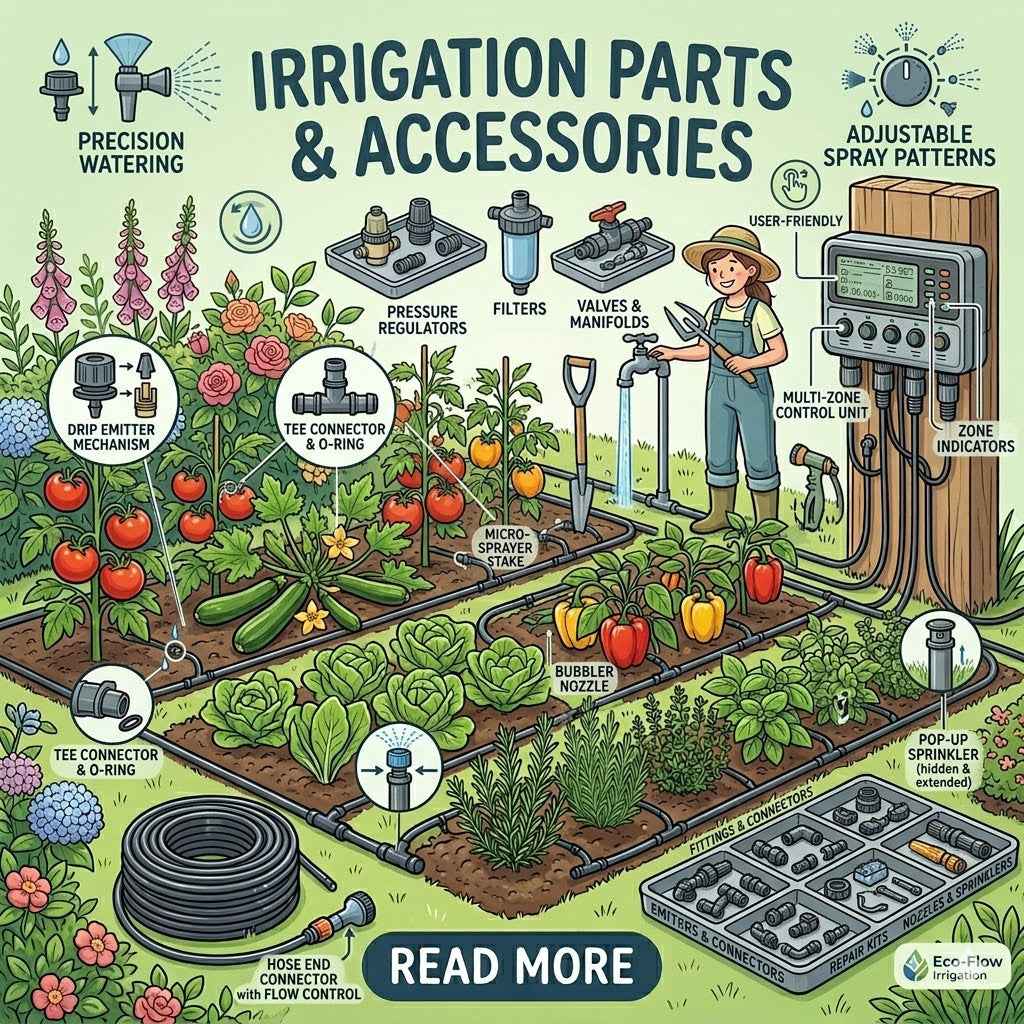
Choosing the right hardware is the first step toward efficiency. We recommend reviewing these Hozelock watering kits for pots and borders, which include everything from pressure regulators to drippers. A standout component is the Sensor Controller Plus. This smart timer uses a daylight sensor to trigger watering at sunrise or sunset, the exact times when evaporation is lowest. These components are built with high-grade, UV-stabilised plastics. This ensures they won't become brittle or crack during the intense heatwaves predicted for 2026.
Getting Started with Your New System
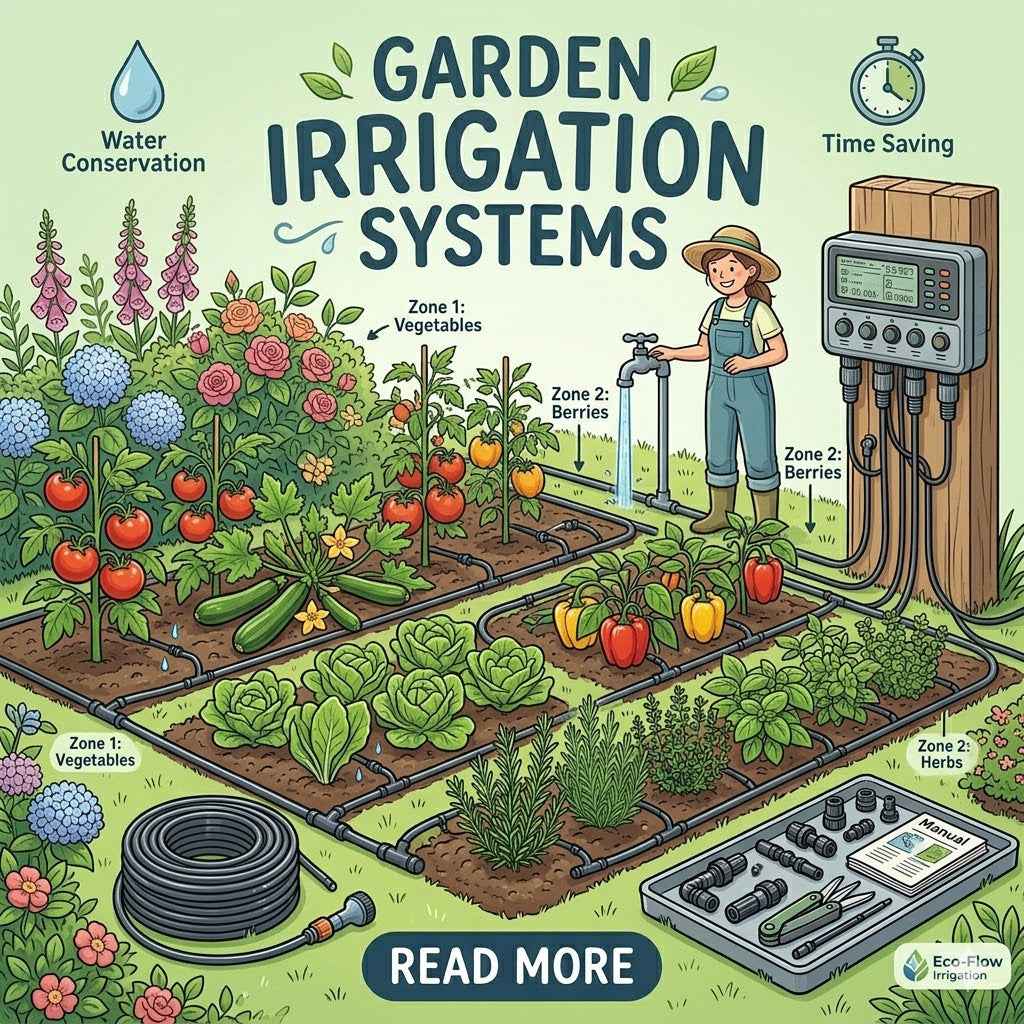
Converting your garden for automatic use is a straightforward process. You start by attaching a multi-way tap connector to your outside tap, allowing you to keep a manual outlet while dedicating one or more lines to your irrigation timer. We suggest planning your layout using our design ideas and plans to ensure every plant receives the right amount of moisture. To be fully drought-ready by 2026, follow this simple checklist:
- Install a smart timer: Automate your watering to occur during the coolest parts of the day.
- Lay drip lines: Position drippers at the base of high-value shrubs and perennials.
- Apply mulch: Use bark or compost over your pipework to lock in moisture.
- Check for leaks: Inspect your connectors every spring to prevent water waste.
We're more than just a store; we're your trusted irrigation partner. If you're unsure which kit fits your specific garden size, our team is here to provide the expert advice you need to keep your garden thriving through any hosepipe bans the future holds.
Secure Your Garden’s Future Against Drought
Adapting to hosepipe bans doesn't mean sacrificing your lush outdoor space. By installing a smart drip irrigation system, you can legally maintain your plants even during the strictest 2026 restrictions. These systems deliver water directly to the root zone, which reduces surface evaporation and cuts water waste by up to 90%. It's a practical way to ensure your garden thrives while remaining fully compliant with local utility rules. We specialise exclusively in Hozelock solutions and bring over 15 years of irrigation expertise to every customer query. Our team understands exactly what British gardens need to remain resilient during prolonged dry spells. You don't have to worry about complicated setups or parched borders when you have the right equipment in place.
Ready to protect your lawn and flowerbeds? Browse our range of water-efficient Hozelock Irrigation Systems today. As dedicated specialists, we provide next-day UK delivery to help you start saving water immediately. Your garden deserves the best care, and we're here to help you achieve it.
Frequently Asked Questions
Is a drip irrigation system allowed during a hosepipe ban?
Drip irrigation systems are typically permitted during a hosepipe ban if they are fitted with a timer and operate with high efficiency. Most UK water companies, including Thames Water and Southern Water, allow these systems because they deliver water directly to the soil. This reduces waste by up to 90% compared to traditional methods. We specialise exclusively in high-quality drip systems that ensure your plants thrive while adhering to local 2026 water restrictions.
Can I use a watering can during a hosepipe ban?
You can use a watering can at any time during a hosepipe ban. This method is exempt from standard restrictions because it naturally limits water usage and ensures targeted delivery to the roots. While it takes more effort than an automated system, it remains a reliable way to keep your most prized pots and borders healthy. We recommend filling your cans from a water butt to save even more mains water.
Does a hosepipe ban apply to allotments or just private gardens?
Hosepipe bans generally apply to both private gardens and allotments, though specific rules vary by water provider. In 2022, 6 out of 7 major UK water firms included allotments in their Temporary Use Bans. You should check your local water company's website for the exact terms. Using a watering can or a captured rainwater system is the safest way to ensure your vegetables remain hydrated without breaking the law.
Can I wash my car with a bucket and sponge during a ban?
You are allowed to wash your car using a bucket and sponge during a ban. The restriction specifically targets the use of a hosepipe or pressure washer for cleaning private vehicles. By using a bucket, you typically use 30 litres of water, whereas a running hosepipe can waste 10 litres every minute. It's a practical way to maintain your vehicle while respecting the 2026 conservation efforts.
How long do hosepipe bans usually last in the UK?
Most hosepipe bans in the UK last between 3 and 6 months, depending on rainfall levels and reservoir capacities. For example, the 2022 restrictions in some regions started in August and weren't lifted until December. These bans are only removed once groundwater levels reach 100% of their seasonal average. Expert Irrigation Advice You Can Trust helps you plan for these periods so your garden remains lush and healthy.
Are there exemptions for newly laid lawns or turf?
Many water companies offer a 28-day exemption for newly laid turf to help it establish deep roots. You must usually provide a receipt of purchase dated within the last 4 weeks if challenged by your supplier. After this initial 28-day period, the standard hosepipe bans apply to your lawn. We suggest installing a timed drip system for your borders to focus your manual watering efforts on the new grass.
What happens if I am caught using a hosepipe during a ban?
You face a maximum fine of £1,000 if you are caught using a hosepipe in violation of a Temporary Use Ban. This penalty is set out under the Water Industry Act 1991. While water companies prefer to issue 1 or 2 warnings first, they have the legal power to prosecute repeat offenders in a magistrates' court. It's always better to use an approved, efficient irrigation method to avoid these costs and save water.
Can I use a pressure washer if there is a hosepipe ban?
You cannot use a pressure washer during a hosepipe ban because it is connected to the mains water supply via a hose. These devices are specifically named in the standard list of restricted activities for domestic properties. Using one to clean your patio or driveway could result in a £1,000 fine. Instead, use a stiff broom and a bucket of grey water to keep your outdoor surfaces tidy without wasting precious resources.
`-
Posted in
hosepipe bans