Durable Hose Pipe and Tap Connectors: A Buyer's Guide
Did you know that a single dripping hose pipe and tap connector can waste over 300 litres of water? With widespread hosepipe bans currently affecting over 20 million people across the UK this July, every drop counts more than ever. It's incredibly frustrating to set up your garden only to find a constant leak at the tap connection or to realize your new adapter doesn't actually fit the thread.
We understand that navigating BSP thread sizes like 1/2 inch versus 3/4 inch is confusing, especially when a 3/4 inch thread actually measures 26.44mm. You deserve a reliable, watertight setup that works perfectly for both indoor mixer taps and outdoor systems. This guide will help you master the art of leak-free watering by identifying the exact components you need for your specific tap. We'll explore durable materials, explain technical sizing, and show you how to create a dependable foundation for an efficient automatic watering system.
Key Takeaways
- Identify your specific BSP thread size to ensure a perfect fit for standard UK outdoor taps or unique indoor mixer fixtures.
- Understand the vital role of internal washers and O-rings in maintaining a reliable, leak-free seal under high water pressure.
- Compare the durability of brass against the convenience of plastic to select the ideal hose pipe and tap connector for your garden's requirements.
- Learn specialist techniques for connecting automatic watering systems to ensure a permanent, watertight foundation for your drip irrigation.
Understanding the Hose Pipe and Tap Connector: The Foundation of Your System
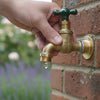
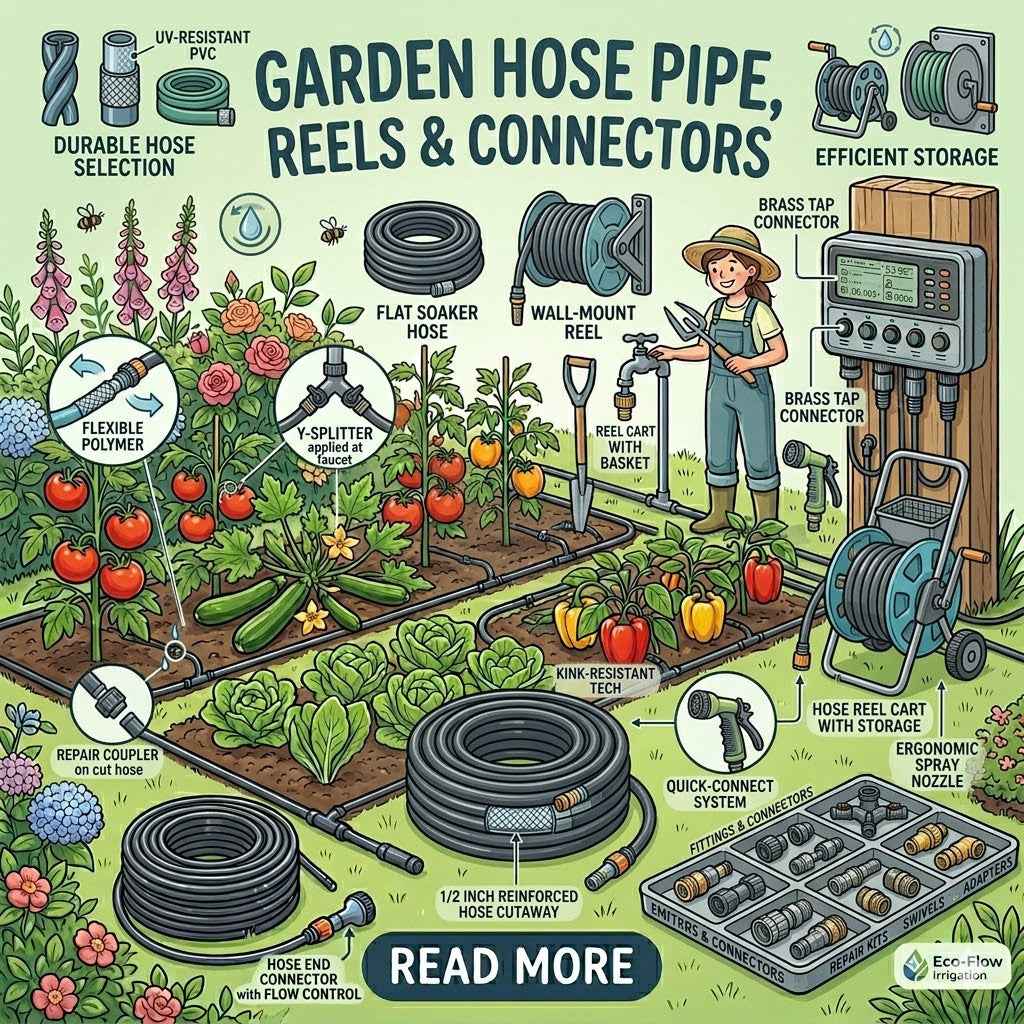
The hose pipe and tap connector serves as the essential bridge between your home's static plumbing and your flexible garden hose. It's the foundation of any watering setup. Without a high-quality connection here, the rest of your system, no matter how expensive, will underperform. A secure fit ensures that water travels directly into your hose rather than spraying back at your house or pooling on the ground. This is especially vital when using garden irrigation water timers. These devices keep the tap open for long periods, meaning any small leak at the connector will waste a significant amount of water over a single season.
A reliable Hose coupling relies on two internal components: the washer and the O-ring. The flat washer creates a seal against the face of the tap, while the O-ring maintains a watertight bond between the connector and the hose end. Most UK systems utilize the "Quick Click" standard, allowing you to swap between spray guns and sprinklers in seconds. By choosing a professional-grade hose pipe and tap connector, you ensure that your system can handle the high pressure required for modern garden tasks without failing at the most critical point.
Anatomy of a Standard Tap Connector
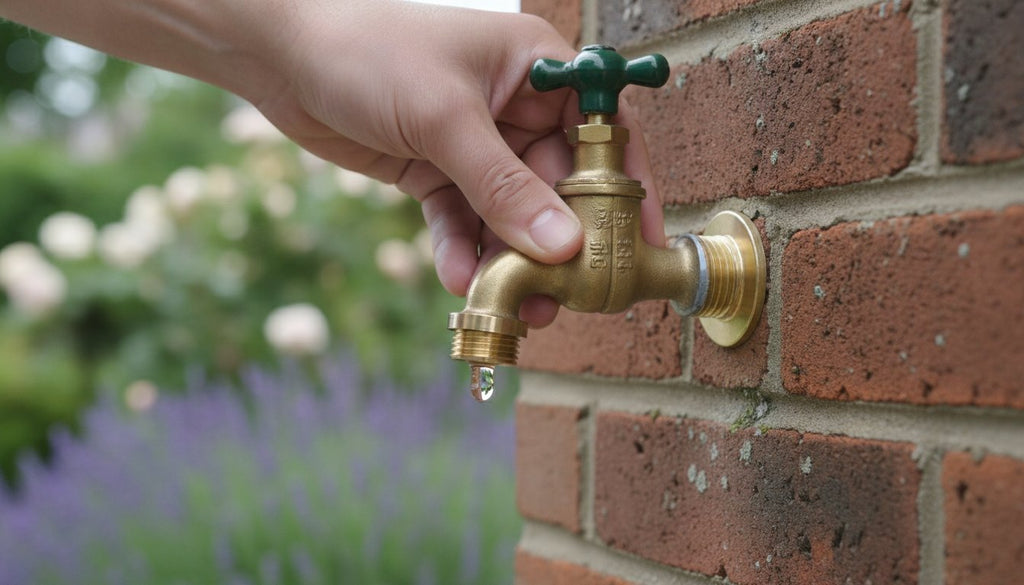
The threaded female inlet is designed to grip the tap's spout firmly. This part must be screwed on straight to avoid cross-threading, which can lead to permanent leaks. On the opposite side, you'll find the male quick-connect end, which is compatible with standard hose end connectors. British Standard Pipe (BSP) threads are the universal technical standard used in UK plumbing to ensure that different components fit together without gaps.
Why Quality Connectors Matter for 2026 Gardens
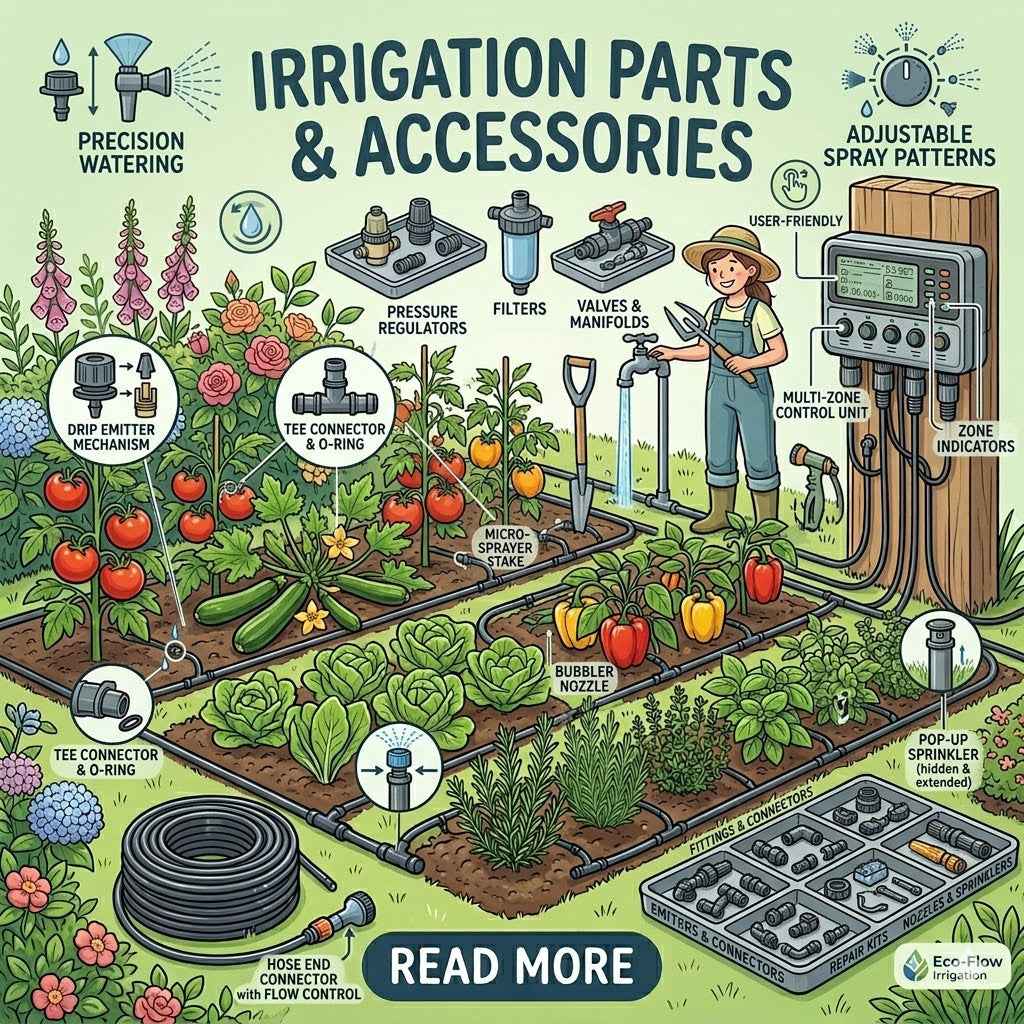
With widespread hosepipe bans across England and Wales this July, efficiency is no longer optional. A leaking connector is a liability that can compromise the performance of your entire landscape. High-quality Hozelock connectors provide the precision needed for sophisticated setups. Specifically, drip irrigation systems and pop-up sprinklers require consistent pressure to operate their internal mechanisms. A leak at the source reduces this pressure, often causing spray patterns to collapse or emitters to stop dripping. Beyond performance, a durable connector protects your physical hardware. Poorly manufactured fittings can strip the threads on your brass tap; this is a much more difficult and expensive part to replace than the connector itself.
Identifying Your Tap: A Guide to BSP Thread Sizes and Types
Choosing the wrong hose pipe and tap connector is a mistake many gardeners make simply because BSP sizing is counterintuitive. In the UK, the trade name 3/4 inch BSP actually refers to a thread with an outer diameter of approximately 26.44mm. If you measure your tap and see it's about an inch wide, you actually need a 3/4 inch connector. It's a common point of confusion that leads to many unnecessary returns and leaky setups.
Most modern outdoor taps follow this 3/4 inch standard. However, if your home was built before the 1970s or has smaller internal plumbing, you might encounter a 1/2 inch BSP tap, which is roughly 21mm in diameter. Conversely, larger commercial properties often use 1 inch BSP fittings at roughly 33mm. A quick way to check is to hold a £1 coin up to the tap's mouth. If the coin is roughly the same size as the threaded area, you likely have a 3/4 inch tap. For a more precise check, use a ruler to measure the outer diameter of the threads before ordering.
Outdoor Tap Standards in the UK
Standard threaded taps are the easiest to work with. You simply screw the connector on until the internal washer compresses. If your tap lacks threads, you'll need a rubberised clamp connector. For those who need to run a hose and still use the tap for buckets, a 2-way or 4-way manifold is a perfect upgrade. You can browse our range of Hozelock connectors to find multi-way options that fit these standards perfectly.
Indoor and Mixer Tap Adapters
Connecting a hose to an indoor tap is a common challenge for flat dwellers or those without an external point. Modern mixer taps often feature a square or uniquely shaped spout that won't accept a standard clamp. The most reliable solution is an aerator thread adapter. You simply unscrew the small mesh aerator from the end of your kitchen tap and replace it with a discreet adapter. This allows you to click your hose pipe and tap connector directly onto your sink for easy balcony watering. If you have a variety of tap styles, exploring our irrigation fitting adaptors will help you find a secure match for almost any indoor fixture.
Plastic vs. Brass Hose Connectors: Which Should You Choose?
Selecting the right material for your hose pipe and tap connector often comes down to how you intend to use your garden. While brass is frequently perceived as the "professional" choice, modern engineered plastics from specialists like Hozelock have closed the gap in performance. Choosing between them isn't just a matter of aesthetics; it's about matching the component to your specific environment and water pressure requirements.
You don't need to worry about mixing materials. A high-quality plastic connector will seat perfectly onto a brass tap without any risk of chemical reaction or physical damage. In fact, many gardeners prefer this hybrid setup. It combines the heavy-duty nature of a brass tap with the lightweight, ergonomic "Quick Click" convenience of plastic fittings. This flexibility allows you to build a system that is both robust and easy to handle.
When to Invest in Brass Fittings
Brass is the superior choice for high-usage scenarios. If you're washing cars daily or managing a professional landscaping project, the sheer physical durability of metal is hard to beat. Brass components are exceptionally resistant to the extremes of the UK climate. They won't become brittle after a hard winter frost, nor will they degrade under the intense summer UV exposure that often causes cheaper plastics to crack and leak. While generic plastic fittings might fail after a single season of sun exposure, quality brass maintains its structural integrity.
A quality brass fitting can easily last over 10 years. However, durability depends on precision. Research from April 2026 indicates that nearly 30% of brass connector buyers still report issues with leaks, usually due to poor manufacturing tolerances in generic brands. Investing in "Trade Rated" brass ensures the threads are machined to exact standards, providing the high-pressure resistance needed for power washers or complex sprinkler arrays.
The Advantages of Modern Engineered Plastics
Don't dismiss plastic as a budget option. Leading manufacturers have developed advanced polymers that offer distinct ergonomic advantages. For example, Hozelock's "Soft Touch" technology provides a comfortable, non-slip grip that is much easier to tighten with wet hands compared to smooth metal. This makes the daily task of attaching and detaching your hose much more pleasant.
Safety and security are also built into these designs. Modern plastic connectors often feature triple-point locking systems. These ensure the hose remains firmly attached even if the water pressure spikes or the hose is pulled sharply around a corner. This prevents the "blow-off" effect that can drench the user or waste water during a hosepipe ban. If you're building a tailored system, you can explore professional irrigation fitting adaptors to see how these engineered plastics integrate into a wider watering network. They provide a lightweight, reliable solution that protects your hose from the internal "biting" that can occur with poorly finished metal edges.
How to Install and Troubleshoot Your Hose Pipe Connector
Installing your new hose pipe and tap connector is a straightforward task, but precision during the first fit prevents long-term issues. Start by cleaning the tap's threads with a damp cloth to remove any grit or mineral buildup. Before you begin, check that the internal rubber washer is sitting perfectly flat inside the connector's threaded inlet. Screw the connector onto the tap by hand using a firm, steady motion. You don't need to use a wrench or pliers. Over-tightening with tools can actually distort the washer or strip the threads, leading to the very leaks you're trying to avoid.
If you turn on the water and experience the "sprayer effect" where water shoots out from the top of the connector, the washer likely isn't seated correctly. Simply unscrew the unit, re-center the seal, and try again. For those with older, unthreaded bib taps, a Jubilee clip style connector is the most reliable solution. These utilize a thick rubber sleeve that slides over the tap spout and is tightened securely with a metal band. It's a robust way to create a modern connection on a legacy plumbing fixture.
Winter care is a step many gardeners forget until it's too late. Always remove your connectors before the first hard frost of the year. Water trapped inside the connector or between the threads can expand as it freezes. This expansion is strong enough to crack high-quality plastic or even split brass components. Storing your connectors in a dry shed or garage during the winter can easily double their functional lifespan.
Fixing a Leaking Tap Connection
Most leaks are fixed in under a minute by replacing the small O-ring on the male end of the connector. These rings can perish over time due to friction and UV exposure. If the leak persists specifically at the tap thread, try applying three or four wraps of PTFE tape in a clockwise direction. This helps fill microscopic gaps in older, worn threads. Check the body of the connector for hairline cracks; if the plastic appears "bleached" or has a chalky texture, it's a sign of UV damage. In this case, the structural integrity is compromised, and a replacement is necessary to maintain pressure.
Connecting Multiple Devices
For complex gardens, a 2-way or 4-way manifold allows you to run several lines from a single water source. This is the ideal way to keep a garden irrigation water timer permanently attached while leaving a second outlet free for a manual hose or filling buckets. When running multiple devices simultaneously, ensure your tap is fully open to provide maximum flow. If you're planning a more technical installation, our guide on How to Connect to an Outside Tap offers deeper fitment advice.
If you're ready to build a reliable, leak-free foundation for your garden, view our full range of durable Hozelock connectors to find the perfect match for your tap.
Specialist Connectors for Automatic Watering Systems
Automatic systems change the demands placed on your plumbing. When you use a manual hose, you're there to spot a leak immediately. With an automated setup, the tap stays open, and the system relies on the integrity of your hose pipe and tap connector to hold back full mains pressure 24/7. This permanent connection requires higher-spec components that won't degrade under constant load. It's the difference between a temporary garden tool and a fixed piece of home infrastructure that protects your landscape while you're away.
The most common challenge is transitioning from the standard 3/4 inch tap thread to specialized irrigation lines. Most drip systems utilize a 13mm "main" supply pipe to carry water around the garden. To connect this, you'll use a specific adapter that screws onto your tap and features a barbed or compression end for the pipe. From there, you might use 4mm micro-bore tubing to reach individual pots or hanging baskets. This tiered approach ensures you maintain enough pressure to reach the furthest corner of your garden without losing flow at the source.
Pressure regulation is another critical factor. UK mains pressure can fluctuate, often exceeding the limits of delicate drip emitters. A high-quality regulator attaches directly to your tap connector, reducing the flow to a steady 1.5 to 2 bar. This protects your kit from "blow-outs" and ensures every plant receives the same amount of water. Hozelock has become the industry standard for these setups because their components are designed specifically for the UK's BSP tap standard, ensuring a perfect, permanent fit every time.
Connecting Water Timers and Controllers
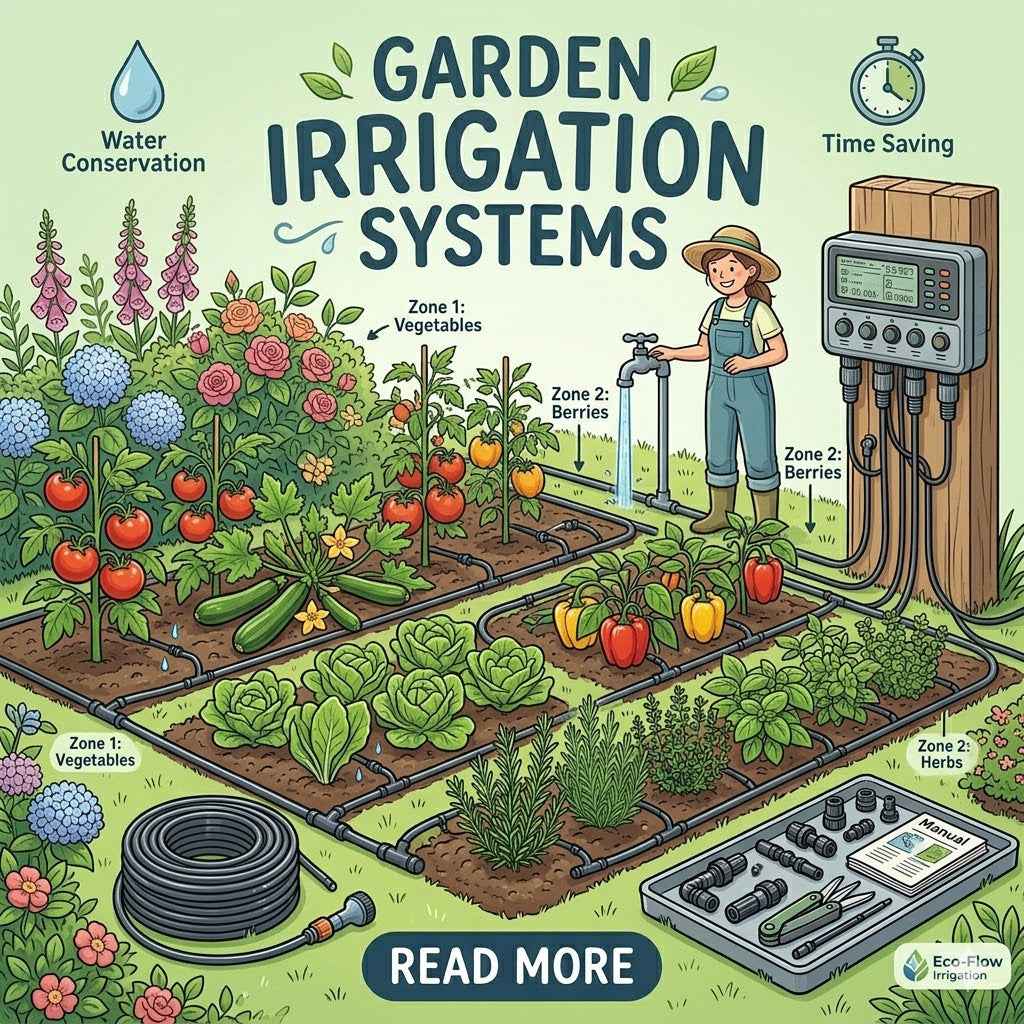
Water timers are the heart of any automated garden. To ensure a watertight seal, the timer inlet must be screwed onto the tap with the same care as a standard connector. We often recommend using swivel connectors at this junction. These clever fittings allow the timer or hose to rotate freely, which prevents kinking and reduces the physical strain on the tap's threads. If you're starting from scratch, you can shop Hozelock Automatic Watering Kits to get all the compatible connectors in one package.
Expert Advice from Garden Watering
At Garden Watering, we've spent over 15 years helping UK gardeners solve unique plumbing challenges. We focus on Hozelock components because they offer a level of reliability that generic imports simply can't match. Whether you're dealing with high-pressure spikes or need to bridge the gap between an indoor kitchen tap and a balcony drip system, we have the technical expertise to guide you. Reliable watering isn't just about the hose; it's about the precision of the fittings at the tap. For a deeper look at designing your setup, our Hozelock Automatic Watering Systems: The Ultimate Guide provides a comprehensive roadmap for your 2026 garden projects.
Building a Watertight Foundation for Your Garden
Achieving a 100% watertight connection is simpler than it seems when you have the right technical knowledge. By correctly identifying your BSP thread size and choosing a high-quality hose pipe and tap connector, you've already solved the most common cause of garden water wastage. Whether you've opted for the rugged longevity of brass or the ergonomic ease of modern engineered plastics, your setup is now ready to handle the demands of the season.
As an official Hozelock specialist retailer with over 15 years of irrigation expertise, we know that the smallest components often make the biggest difference. A reliable foundation at the tap ensures your sprinklers perform at peak pressure and your automatic timers operate without fail. If you're still unsure about a specific fitment, our expert UK-based customer support team is here to help you navigate any unique plumbing challenge.
Find the perfect Hozelock connector for your garden tap today and enjoy a more efficient, leak-free watering experience. Your plants will thrive with a system you can truly depend on.
Frequently Asked Questions
What is the standard size for a UK garden tap connector?
The standard size for a modern UK outdoor tap is 3/4 inch BSP. This fits the majority of residential taps manufactured in the last few decades. If your property is much older or uses a larger commercial supply, you might occasionally find 1/2 inch or 1 inch connections. It's always best to check the diameter before purchasing to ensure your new hose pipe and tap connector creates a secure foundation for your watering system.
Can I connect a garden hose to my kitchen mixer tap?
Yes, you can connect a hose to a kitchen mixer tap by using a specialized aerator adapter. Most modern indoor taps have a small mesh aerator at the tip that unscrews. You replace this temporarily with a threaded adapter that accepts a standard quick-click connector. This provides a much more secure, leak-free experience than using a universal rubber clamp, which can often slip off under pressure.
Why does my hose pipe connector keep popping off the tap?
Your connector usually pops off because the internal locking teeth have worn down or the water pressure is too high for the fitting. If you're using a plastic connector, UV exposure can make the material brittle, causing it to lose its grip. Replacing the O-ring on the male end or switching to a high-quality brass fitting often solves this problem. Ensuring the connector is pushed on until you hear a distinct click is essential.
Is brass better than plastic for hose connectors?
Brass is generally superior for longevity and resistance to temperature extremes, while plastic offers better ergonomics. High-quality plastic connectors from specialists like Hozelock are excellent for daily garden use because they are lightweight and won't corrode. However, if your tap is in direct sunlight or you use a high-pressure power washer, brass remains the professional choice for long-term reliability and UV protection.
How do I measure my tap to find the right connector size?
You should measure the outer diameter of the tap's threads using a ruler or calliper. For a standard 3/4 inch BSP tap, the physical measurement will be approximately 26.44mm. If the measurement is closer to 21mm, you have a 1/2 inch tap. Don't measure the internal bore of the tap; the trade size always refers to the threading. Using a coin as a reference can help you estimate the size quickly.
What is a BSP thread and why does it matter for my garden?
BSP stands for British Standard Pipe, which is the technical standard for screw threads used throughout the UK. It matters because garden fittings aren't universal across the globe. Using a BSP-standard hose pipe and tap connector ensures that your components from different manufacturers will fit together perfectly. This standardization prevents cross-threading and protects your tap from permanent damage during installation.
Do I need a special connector for a water timer?
Most water timers don't require a special connector but they do need a very high-quality seal. Timers typically feature a 3/4 inch or 1 inch female threaded inlet that screws directly onto your tap spout. Because the tap stays open while the timer is active, any small leak will waste water continuously. Using a connector with a fresh rubber washer is vital for maintaining a watertight automatic system.
How do I stop my outdoor tap connector from leaking?
You can stop a leak by first checking that the internal rubber washer is seated flat against the tap face. If the leak comes from the threads, applying a few layers of PTFE tape will provide an extra seal. For leaks where the hose clicks into the adapter, simply replace the small rubber O-ring on the male connector. These simple maintenance steps can save hundreds of litres of water every season.
`-
Posted in
BSP threads, garden maintenance, gardening tips, hose connectors, hose fittings, hose pipe and tap connector, leak prevention, tap adapter, watering systems