Essential Guide to Hose Pipe Fittings for Garden Watering
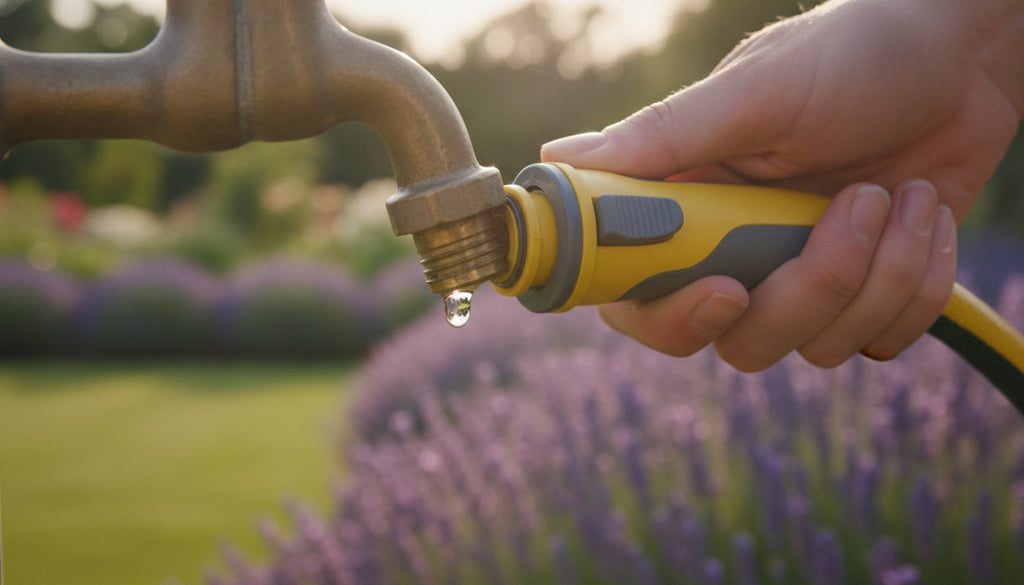
What if the biggest threat to your garden this summer isn't the heat, but a single loose plastic connection? With hosepipe bans currently affecting millions of households across England and Wales as of July 2026, every drop of water counts. You've likely felt the frustration of a spray gun popping off under pressure or a tap connector that drips while you work. These common issues with hose pipe fittings don't just waste water; they make essential garden maintenance a chore rather than a pleasure.
We know that the difference between a 1/2 inch and a 3/4 inch connector can feel confusing when you just want to get your plants watered. This guide helps you master the world of garden hose pipe fittings with specialist advice on choosing, installing, and maintaining the perfect leak-free connection. You'll learn how to identify compatible components for your Hozelock system, how to secure fittings that won't fly off, and how to protect your equipment so it survives the winter months.
Key Takeaways
- Understand the "Tap to Tool" journey to ensure every component in your watering system connects seamlessly and efficiently.
- Learn how to identify your specific hose diameter and tap size using the UK’s BSP thread system to avoid frustrating compatibility errors.
- Discover how to maintain your hose pipe fittings by replacing simple O-rings and using hose repairers to stop leaks and save water.
- Find out why choosing high-quality, engineered systems like Hozelock provides a more reliable, long-term solution for your garden's health.
- Get expert tips on selecting durable materials that can withstand high water pressure and survive the cold winter months.
Understanding the Different Types of Hose Pipe Fittings
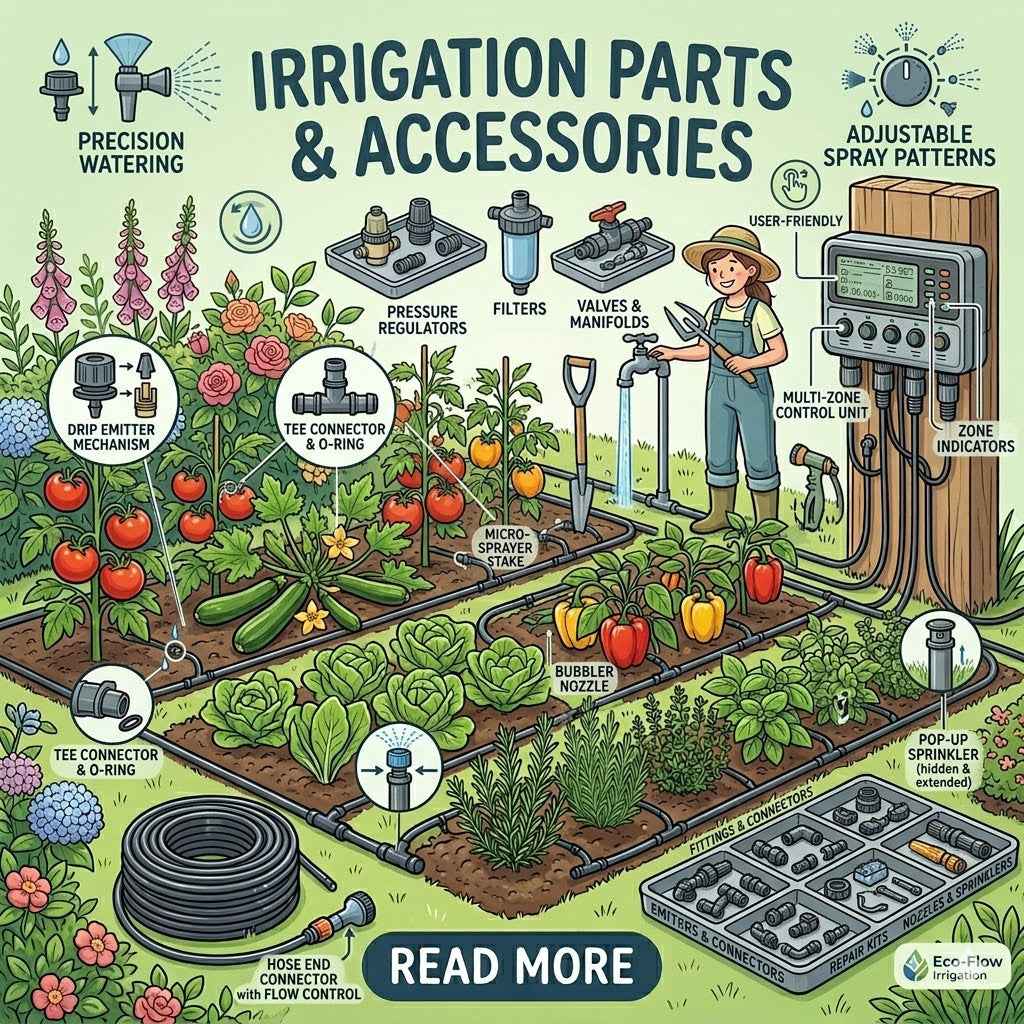
Think of hose pipe fittings as the essential bridge between your water supply and your garden. These modular components are the connective tissue of any irrigation setup. Without the right connectors, even the highest quality hose is just a length of plastic pipe. A reliable system follows a logical "Tap to Tool" journey: it starts with a tap connector, moves through the hose connectors at either end of the pipe, and finishes with your watering accessory.
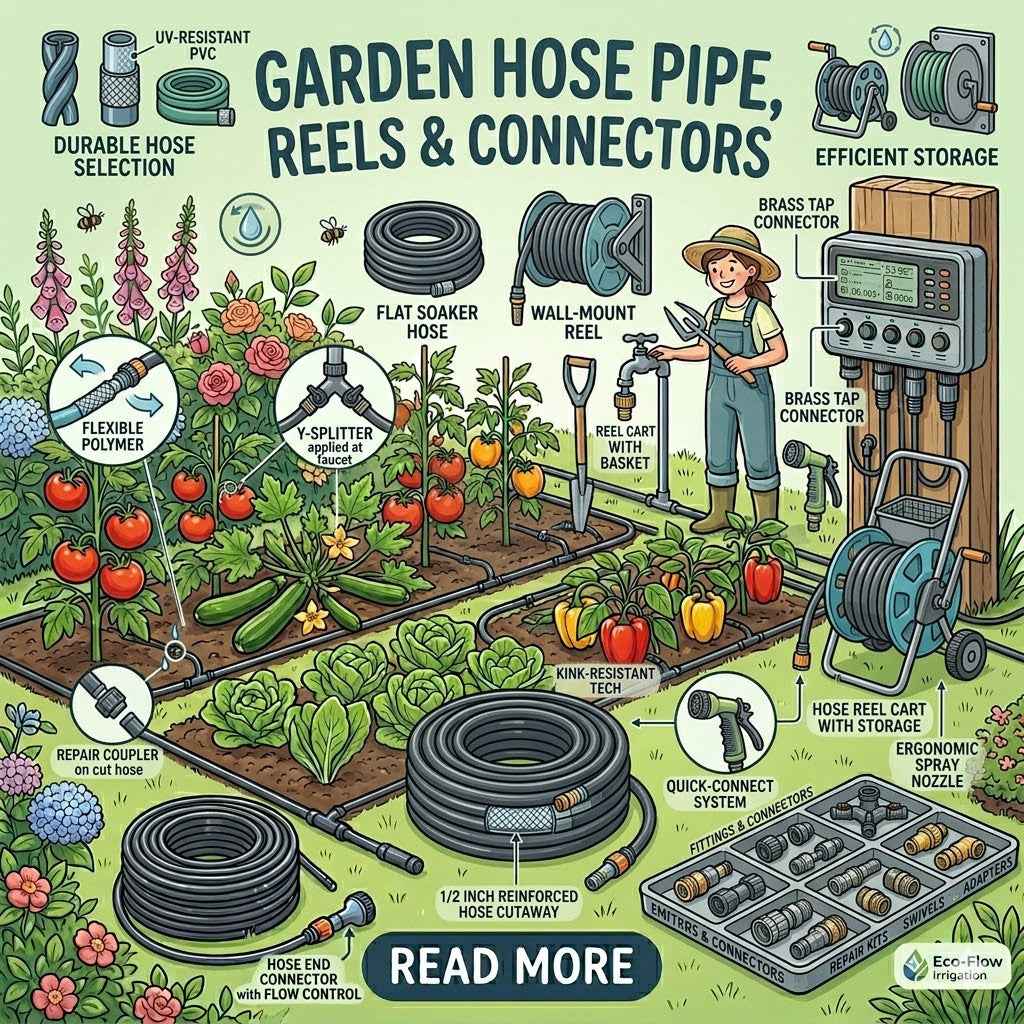
Expertly designed systems rely on three primary categories: tap connectors, hose end connectors, and repairers. Each plays a specific role in maintaining a leak-free environment. When selecting these parts, look for UV-stabilised materials. While the UK sun might feel mild, constant UV exposure can degrade standard plastics, leading to cracks and leaks. Investing in high-grade Hozelock connectors ensures your system stays durable year after year.
Tap Connectors: The Starting Point
Your journey begins at the tap. Most UK outdoor taps use a threaded connection based on British Standard Pipe (BSP) sizes, which differs from the garden hose thread (GHT) standards often seen in other regions. Threaded tap connectors screw directly onto the tap for a secure, high-pressure fit. If you don't have a threaded outdoor tap, round or mixer tap adaptors use rubber seals and clips to create a connection on indoor taps.
For those who need to fill a bucket while keeping the hose attached, multi-tap adaptors are a great solution. You can also choose between plastic and metal connectors. High-quality plastic is excellent for general use, but heavy-duty metal fittings offer superior longevity if your tap is in a high-traffic area or exposed to extreme weather.
Hose End Connectors and Water Stops
Once you've connected to the tap, you need a way to attach your spray gun or sprinkler. Standard hose end connectors click onto the end of the pipe and provide a quick-release point for tools. However, a "Water Stop" connector is a superior choice for the accessory end of your hose. These fittings contain an internal valve that automatically halts the water flow when you detach a tool.
This feature is a massive time-saver. You don't have to walk back to the tap to turn off the water every time you want to swap your spray gun for a lawn sprinkler. We recommend that every gardener uses at least one water stop connector at the tool end to maximise efficiency and prevent unnecessary water waste. It's a small upgrade that makes a significant difference in your daily watering routine.
How to Choose the Correct Hose Connector for Your Garden
Choosing the right hose pipe fittings depends largely on your specific garden setup. Start by measuring the internal diameter of your hose. Most domestic hoses in the UK are 12.5mm (1/2 inch), but you may encounter 15mm or 19mm versions for larger gardens or professional applications. A connector that doesn't match your pipe size precisely will either fail to fit or pop off the moment you turn the water pressure up. For a deeper look into thread types and international standards, consult this complete guide to hose fittings.
Think about how often you water your plants. If you're a daily gardener, look for fittings with soft-touch ergonomic grips. These provide a secure, comfortable hold even when your hands are wet and make it significantly easier to click attachments into place. Most UK watering systems are designed to be compatible with the Hozelock standard, making it simple to find the right hose pipe fittings for your existing setup without worrying about mismatched brands.
Material Matters: Plastic vs. Metal Fittings
High-quality plastic fittings made from ABS are the most common choice for residential gardens. They're lightweight, cost-effective, and won't corrode over time. However, if your hose is frequently dragged across gravel or used in high-traffic areas, brass or zinc alloy fittings offer superior impact resistance and can handle much higher water pressures. UV-stabilised ABS is the industry standard for reliable plastic fittings.
- Plastic Pros: Corrosion-proof, affordable, and lightweight for easy handling.
- Plastic Cons: Can become brittle if left out in hard frosts or stepped on.
- Metal Pros: Extremely durable, high-pressure resistance, and long-lasting in heavy-duty environments.
- Metal Cons: Heavier to carry and generally carries a higher initial cost.
Specialist Connectors for Irrigation Systems
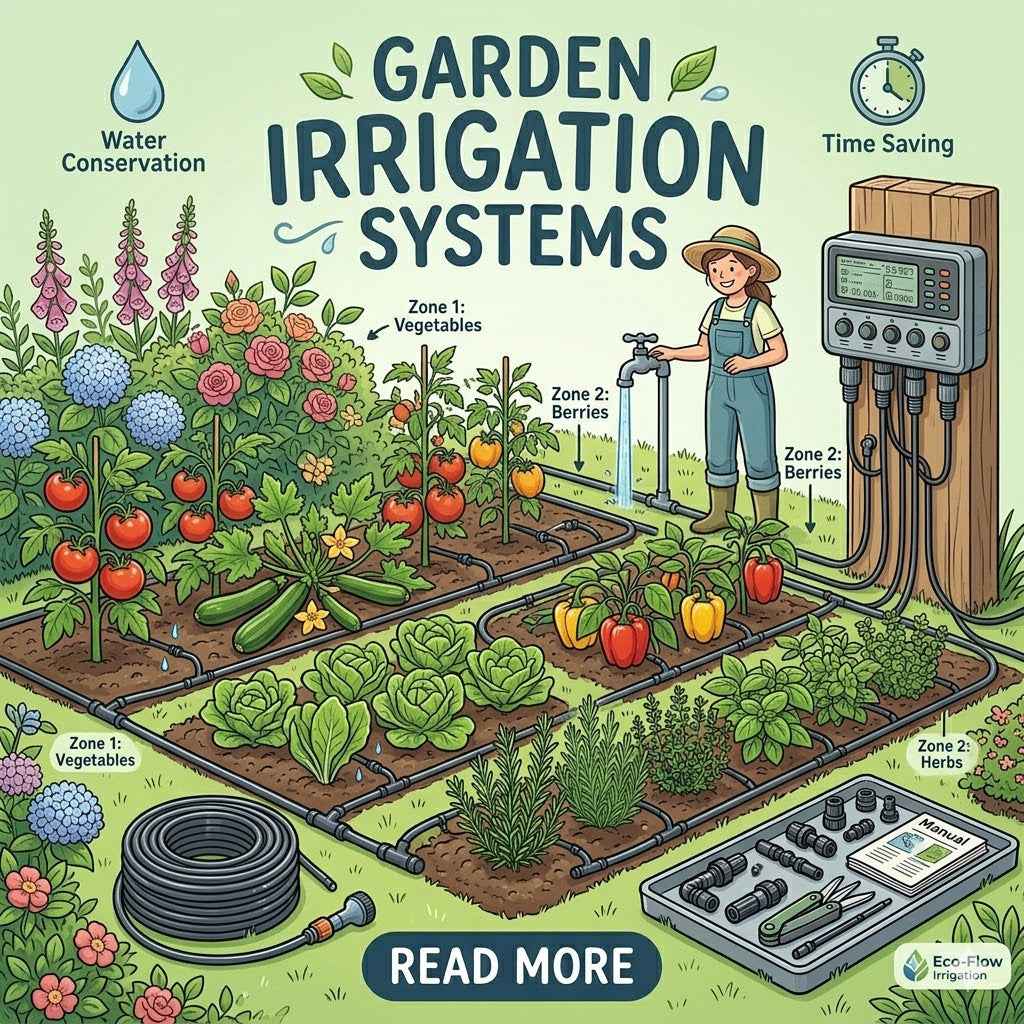
Sometimes a standard hose isn't enough for a complex garden layout. If you're building a more intricate network, you'll need irrigation fitting adaptors to bridge the gap between your main hose and smaller drip lines. These specialized adaptors allow you to transition from a standard 12.5mm hose to 4mm or 13mm micro-irrigation pipes, ensuring water reaches the base of every plant without waste.
Setting up a custom network can feel daunting if you're doing it for the first time. If you prefer a more straightforward approach, exploring our range of Hozelock watering kits can provide a pre-packaged solution that ensures all your components are perfectly matched from the start. This takes the guesswork out of your setup and helps you get your garden hydrated faster and more efficiently.
Navigating Tap Sizes and Thread Compatibility
UK garden taps almost exclusively use the British Standard Pipe (BSP) thread system. This standard ensures that your plumbing remains consistent, but it can be confusing for first-time buyers because the names, like 1/2 inch or 3/4 inch, don't match the physical measurement of the thread itself. To find the right hose pipe fittings, you must measure the outer diameter of the tap thread using a ruler or calliper. If you mistakenly measure the pipe leading to the tap, you'll almost certainly buy the wrong size. A "Universal" tap connector has become a staple in modern gardening because it simplifies this process, often providing a modular solution that adapts to various thread widths with a simple twist.
The BSP Size Guide Table
Converting imperial names to metric measurements is the key to achieving a professional, leak-free setup. Most outdoor taps in the UK are 3/4 inch, but it pays to be certain before you buy. Use this quick reference for your measurements:
- 1/2 inch BSP: Measures approximately 21mm across the outer thread.
- 3/4 inch BSP: Measures approximately 26mm across the outer thread (the standard UK garden tap).
- 1 inch BSP: Measures approximately 33mm across the outer thread (often found on farms or industrial properties).
If you find that your connection still drips slightly on an older metal tap, a few wraps of PTFE thread tape can help create a perfect seal. We often recommend Hozelock connectors because they frequently include clever internal inserts. These allow a single fitting to adapt to multiple tap sizes, giving you the flexibility to move your equipment between different properties or tap types without needing to purchase entirely new sets of connectors.
Connecting to Non-Threaded Taps
Many modern homes or apartments lack a dedicated outdoor water point. In these cases, you'll need to connect to an indoor kitchen or bathroom tap. Since these taps rarely have threads, you'll need a round or mixer tap adaptor. These specialized hose pipe fittings use a rubber sleeve that slides over the spout and is held in place by a tightening screw or strap to create a temporary seal.
Safety is paramount when using these adaptors. High-pressure water creates significant force, so you must ensure the clamp is tightened firmly against the tap body to prevent a "blow-off." A sudden disconnection can lead to significant water damage indoors in just a few seconds. For comprehensive advice on managing indoor-to-outdoor connections, our Garden Watering Systems UK: The Complete 2026 Irrigation Guide provides detailed instructions on choosing the safest adaptors for your home's unique plumbing constraints.
Solving Common Hose Fitting Problems and Leaks
Drips and spray-backs are the most frequent frustrations in garden watering, but they're usually easy to resolve with a bit of specialist knowledge. Maintaining your hose pipe fittings ensures that your system remains efficient and water-wise, especially during the height of summer. If you find your fittings are "popping off" under pressure, it's often because the internal plastic "teeth" have become worn or the hose diameter doesn't perfectly match the connector's grip. Check that your hose hasn't thinned out at the connection point; sometimes cutting an inch off the end to start with fresh, thick pipe is all you need to restore a firm hold.
Winter care is another vital aspect of maintenance. You must disconnect all fittings and drain them before the first frost of the year. Water expands when it freezes, which can easily crack the bodies of plastic connectors or damage internal valves. Storing your equipment in a shed or garage during the colder months will significantly extend the life of your watering system.
The 5-Minute O-Ring Refresh
O-rings should be replaced annually to maintain a vacuum-tight seal. These small rubber rings sit at the end of tap connectors and accessory ends, and they're the primary barrier against leaks. You can tell an O-ring has perished if it looks flattened, shows visible cracks, or has changed colour from a deep black to a faded grey. A perished seal allows air to enter the system, which breaks the pressure and causes that annoying constant drip at the tap. For more detailed help with your setup, see our guide on Troubleshooting Your Hozelock Irrigation System.
Repairing a Damaged Hose Pipe
If your hose develops a split or a burst section, you don't need to replace the entire length. You can fix it in minutes using a double-ended hose repairer. This simple component allows you to bridge two pieces of pipe together permanently. While it's tempting to reach for duct tape, it rarely holds under garden water pressure and leaves a sticky residue that makes future professional repairs much harder.
- Identify the exact location of the leak and mark it.
- Use a sharp pair of secateurs or a utility knife to cut out the damaged section.
- Ensure your cuts are perfectly square; a slanted cut won't sit flush inside the repairer and may lead to further leaks.
- Push the repairer into both ends of the pipe and tighten the screw caps firmly.
If you're tired of battling constant leaks and unreliable connections, we recommend upgrading to high-quality Hozelock connectors to ensure a secure, professional-grade fit that lasts for years.
The Hozelock Specialist Advantage: Why Quality Matters
Investing in high-quality hose pipe fittings is about more than just stopping a leak; it's about the long-term health of your garden. Hozelock has spent over 50 years engineering watering solutions in the UK, creating a "closed system" where every component is designed to work in perfect harmony. When you use a system where the tap connector, the hose, and the spray gun are all built to the same exacting standards, you eliminate the minor tolerances that cause cheaper, generic fittings to fail under pressure. This compatibility ensures that your watering remains efficient and your connections stay bone-dry.
As a dedicated UK specialist with over 15 years of experience, we've seen how the right setup can transform a garden. Choosing professional-grade equipment means you're not just buying a plastic connector; you're buying a system that has been refined through decades of technical expertise. This specialist advantage allows you to build a complete network from the tap to your drip irrigation lines with total confidence that everything will click together perfectly the first time.
From Basic Watering to Smart Systems
Once you've mastered the basics of secure connections, you can easily scale your setup to include more advanced technology. High-quality fittings integrate seamlessly with garden irrigation water timers, allowing you to automate your garden's hydration. Transitioning from manual watering to a Hozelock automatic watering system is the best way to ensure your plants thrive even when you're away from home. If you're just starting out, we recommend beginning with a high-quality starter kit to ensure you have all the essential, compatible components from day one.
Expert Support from Garden Watering
Buying from a dedicated UK specialist provides a level of support that general retailers simply can't match. We don't just sell products; we provide the deep technical knowledge needed to help you design a system that fits your specific landscape. Our design ideas and plans are crafted to help you avoid common mistakes, such as choosing the wrong thread size or over-complicating your pipe layout. We're here to act as your partner in creating a sustainable, beautiful garden. If you're ready to upgrade your watering setup with reliable, professional-grade hose pipe fittings, we invite you to explore our full range of Hozelock Connectors today.
Achieve a Leak-Free Garden Today
Mastering your garden's irrigation starts with understanding the small details that make a big difference. By identifying your correct BSP tap size and choosing UV-stabilised connectors, you've already taken the most important steps toward a more efficient watering system. Your plants deserve reliable hydration. Remember that simple maintenance, like replacing O-rings annually and disconnecting your gear before the first frost, will keep your connections secure for many seasons to come.
As an official UK Hozelock specialist with over 15 years of expert irrigation experience, we're here to help you get your setup right the first time. We provide free technical support on all orders to ensure you feel confident in every component you choose. Whether you're fixing a single leak or designing a complex network, our team is dedicated to your success. We believe quality tools are the foundation of a beautiful landscape.
Shop our complete range of Hozelock hose pipe fittings at Garden Watering and enjoy the peace of mind that comes with professional-grade quality. Let's make this the summer your garden truly thrives.
Frequently Asked Questions
Are all hose pipe fittings the same size?
No, hose pipe fittings come in several sizes to match different hose diameters and tap threads. Most UK domestic systems use 12.5mm (1/2 inch) connectors, but you will also find 15mm and 19mm variants for larger gardens or professional use. It is essential to match the fitting to your specific hose diameter to ensure a secure, leak-free connection that won't fail under pressure.
How do I know what size tap connector I need for my UK outside tap?
You can determine your tap size by measuring the outer diameter of the threaded part of the tap. A standard UK garden tap is usually 3/4 inch BSP, which measures approximately 26mm across the threads. If your tap is smaller, around 21mm, you will need a 1/2 inch BSP connector, while larger 33mm threads found on some properties require a 1 inch BSP fitting.
Why does my hose connector keep popping off the tap?
A connector usually pops off because the internal plastic teeth have become worn or the hose hasn't been pushed far enough into the fitting. High water pressure can also force a loose or mismatched connection to fail suddenly. Check that the screw cap is tightened firmly and ensure you are using the correct size fitting for your hose diameter to prevent these frustrating disconnections.
What is a water stop connector and do I really need one?
A water stop connector is a fitting with an internal valve that automatically stops water flow when you disconnect a spray gun or sprinkler. It is a highly recommended addition to any system because it allows you to swap accessories without walking back to the tap. Using these hose pipe fittings saves significant time and prevents unnecessary water waste during your daily gardening routine.
Can I use Hozelock fittings with other brands of garden hose?
Yes, Hozelock fittings are designed to be compatible with most standard brands of garden hose available in the UK. As long as the diameter of your hose matches the fitting size, typically 12.5mm or 15mm, the connection will be secure. This universal compatibility makes it easy to upgrade your existing setup with high-quality components that are engineered for long-term reliability and performance.
How do I stop my hose pipe fittings from leaking?
The most effective way to stop leaks is to replace the rubber O-rings and ensure all connections are screwed on squarely. Leaks often occur because of a perished seal or a loose screw cap at the hose end. Regularly checking your hose pipe fittings for wear and using PTFE tape on older metal tap threads will help maintain a vacuum-tight, efficient watering system.
What is the difference between a hose connector and a hose coupling?
A hose connector is used to attach a hose to a tap or an accessory, while a hose coupling is used to join two lengths of hose together. Connectors usually feature a quick-click mechanism for easy attachment and removal. Couplings, often called repairers, create a permanent or semi-permanent bridge between pipes, which is useful for extending your reach or fixing a burst section.
Is it better to use brass or plastic hose fittings?
The best choice depends on your environment; high-quality plastic is lightweight and corrosion-proof, while brass offers superior durability for high-pressure or high-traffic areas. Plastic fittings made from UV-stabilised ABS are excellent for most residential gardens. Brass is often preferred for professional use or in areas where the fittings might be stepped on or dragged across rough, abrasive stone surfaces.
`-
Posted in
DIY gardening, garden maintenance, gardening tips, hose pipe fittings, hozelock, leak prevention, save water, watering system