Hozelock Dripper Hose: The Complete 2026 Guide to Efficient Garden Irrigation
What if your garden's health didn't have to depend on unpredictable UK weather or the looming threat of 2026 hosepipe bans? You likely feel the frustration of watching water evaporate off the surface while plants on slopes struggle with uneven hydration. It's a common worry, especially with England facing a potential shortage of 5 billion litres of water a day by 2055. Investing in a hozelock dripper hose is a shift toward precision engineering that ensures every drop reaches the roots. This system is designed to solve the "uneven watering" problem inherent in cheaper soaker hose alternatives by using pressure-compensating technology.
We understand that technical outdoor systems can feel overwhelming, but achieving a professional-grade setup is straightforward with the right guidance. This guide will help you master the technical specifications, planning strategies, and installation steps for your irrigation project. You'll discover how to automate your watering schedule and maintain legal compliance during dry spells. By the end, you'll have the expertise to ensure uniform plant growth and lower water bills through efficient, targeted hydration that respects our shared environment.
Key Takeaways
- Learn how integrated emitters inside the 13mm pipe prevent clogging to ensure a professional-grade watering solution for your garden borders.
- Discover how the hozelock dripper hose uses pressure-compensating technology to deliver a uniform 4 litres per hour across your entire layout.
- Master the calculations for total water demand and maximum run lengths to maintain perfect hydration without experiencing pressure drops.
- Understand why professional polyethylene emitter pipes offer superior durability and efficiency compared to standard recycled rubber soaker hoses.
- Get practical guidance on uncoiling, staking, and connecting your system to an automatic water timer for a reliable and hands-free watering schedule.
What is a Hozelock Dripper Hose and How Does It Work?
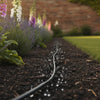
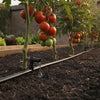
The hozelock dripper hose serves as a professional-grade 13mm drip line designed for those who want a permanent, high-performance irrigation solution. Unlike basic porous pipes, this system features emitters that are welded directly into the internal wall of the hose during manufacturing. This construction creates a smooth outer surface that is easy to lay while protecting the delicate mechanics inside from dirt and root intrusion. It represents a significant step up from standard garden tools, bringing commercial-level precision to your home landscape.
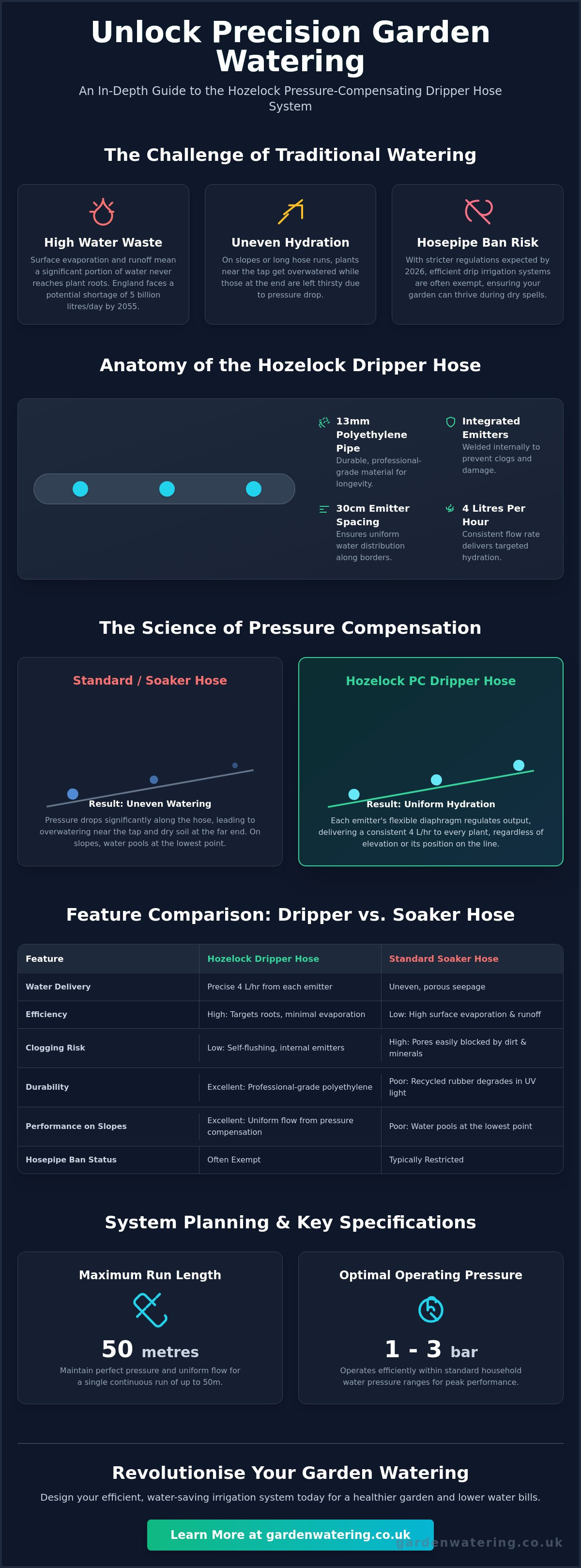
Efficiency is built into the specifications. Each emitter is positioned at 30cm intervals and provides a steady flow rate of 4 litres per hour. This controlled delivery ensures that water reaches the roots where it's needed most, reducing evaporation and runoff. Because of this efficiency, the system is frequently exempt from UK hosepipe bans, though you must verify the current rules with your local water provider. Using a high-quality drip irrigation setup is one of the most responsible ways to maintain a garden during dry seasons.
To see these components in action and understand how they integrate into a wider garden setup, watch this helpful video:
The Anatomy of a Pressure-Compensating Emitter
A key feature of this system is the pressure-compensating emitter, which uses a flexible silicone diaphragm to regulate water output. This diaphragm adjusts its shape based on the incoming water pressure, ensuring that the first plant in the row receives the same amount of water as the last. This technology is vital for gardens with slopes or varying elevations where gravity would otherwise cause uneven watering. These emitters also self-flush to clear out debris and mineral buildup, maintaining a clear path for water flow throughout the season.
13mm vs. Micro Drip Systems
Both systems offer efficiency, but they serve different purposes in a garden plan. The 13mm hozelock dripper hose is the workhorse for established hedges and long flower borders where you need consistent, high-volume coverage over a large area. Micro drip systems, which use 4mm tubing, are more flexible for targeting individual pots or hanging baskets. Many gardeners choose to run a main 13mm line and then branch off to specific areas using garden irrigation water timers to automate the process. The "Self-Cleaning" feature is the primary longevity driver for 2026 systems, ensuring the emitters remain functional for years without manual intervention.
The Science of Pressure Compensation in Garden Irrigation
One of the most significant challenges in garden irrigation is the "Pressure Drop" phenomenon. In a standard hosepipe or non-compensating system, water pressure naturally decreases as it travels further from the tap. This friction loss means plants at the start of the line are often overwatered, while those at the far end receive barely a trickle. The hozelock dripper hose solves this technical hurdle using Pressure Compensating (PC) technology. This ensures that every integrated emitter delivers exactly 4 litres per hour, regardless of its position along a run of up to 50 metres.
This precision is particularly beneficial for sloping gardens or undulating landscapes. In traditional systems, gravity causes water to flow toward the lowest point, leading to waterlogging at the bottom of a hill and parched soil at the top. Because the emitters in a hozelock dripper hose only open once a specific pressure threshold is reached and then maintain a constant flow, you won't see pooling at the lower end of your borders. This uniformity eliminates the "drought-to-drowning" cycle, providing a stable environment that promotes deeper root growth and healthier foliage across your entire garden.
Operating Pressure Requirements
To achieve peak performance, your system needs to operate within a specific pressure range, typically between 1 and 3 bar. If your mains pressure is too high, it can stress the fittings and cause leaks; if it's too low, the emitters may not open correctly. We recommend installing a Hozelock Pressure Regulator at the start of your system to protect against mains spikes and maintain a steady flow. You can easily test your home water pressure by timing how long it takes to fill a 10-litre bucket from your outside tap. A fill time of around 40 to 60 seconds usually indicates sufficient pressure for a medium-sized drip system. For more complex layouts, exploring specialist watering components can help you tailor the system to your specific garden needs.
Water Efficiency and Environmental Impact
Water efficiency is about responsible resource management. Traditional oscillating sprinklers lose significant water to evaporation and wind drift. By delivering water directly to the root zone, a drip system reduces water usage by up to 90% compared to a sprinkler. This targeted approach allows for exact nutrient dosing. If you use a fertilizer injector, the precise 4LPH flow rate ensures every plant receives the same concentration of nutrients, preventing waste and protecting groundwater. This methodical approach to hydration is the gold standard for sustainable 2026 gardening.
Planning Your Layout: Max Runs and Spacing
Proper planning is the difference between a thriving garden and a wasted investment. Before you begin laying your hozelock dripper hose, you must calculate the total water demand of your layout. Each emitter delivers 4 litres per hour (LPH). With emitters spaced every 30cm, a 25-metre length contains approximately 83 emitters. This means the total water demand for that single run is roughly 332 litres per hour. You should ensure your outside tap can comfortably supply this volume by performing a simple bucket test before finalizing your design.
To maintain the high standards of uniformity that professional systems require, pay close attention to maximum run lengths. For a 13mm dripper hose, we recommend a maximum single run of 50 metres when operating at a standard 2 bar pressure. If your garden requires more coverage, don't simply extend the line. Instead, use a "Header Pipe" system where a main supply line feeds multiple shorter runs. This layout ensures every plant, from the first to the last, receives an equal share of hydration. This methodical approach integrates seamlessly with Hozelock automatic watering systems, allowing you to manage complex layouts with a single timer.
Designing for Hedges and Borders
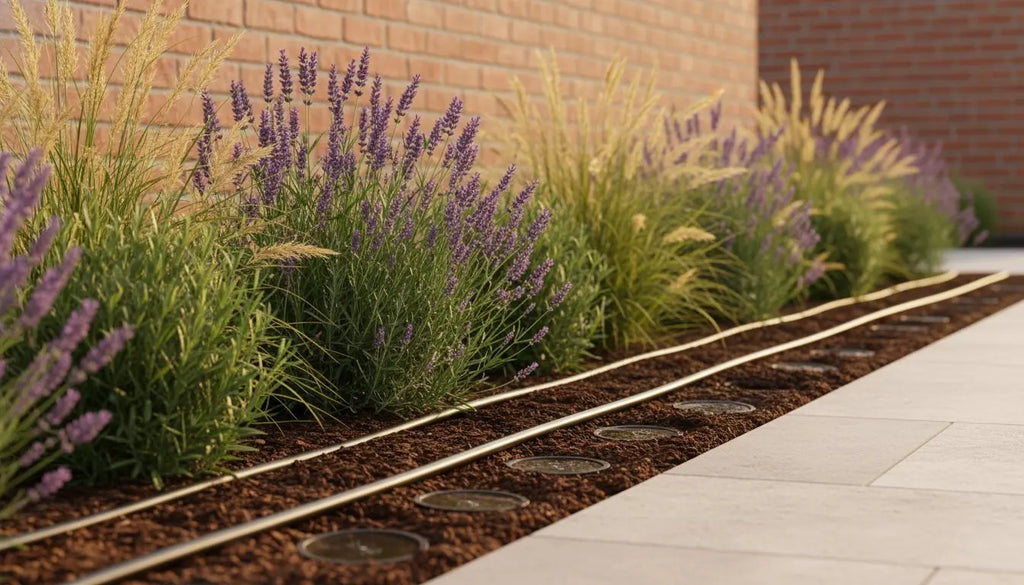
The pattern you choose should depend on the density of your planting. For narrow, established hedges, a single line running along the base is usually sufficient. However, for hedges wider than 60cm, a looped system or a line on both sides provides better root coverage. Always follow the "Drip Line" rule by placing the hose directly beneath the outer edge of the plant's canopy where the most active roots are located. Use ground pegs every metre to secure the hose. This prevents the pipe from "wandering" or shifting due to thermal expansion during the heat of the day.
Connecting to the Main Water Supply
Bridging the gap between your tap and your garden beds requires the right components. Use high-quality Hozelock connectors to ensure a leak-free transition from your standard garden hose or supply pipe to the dripper line. If you're designing a multi-zone system, the header pipe acts as the backbone of your irrigation, carrying water to different areas without emitting any along the way. When finishing your installation, it's a smart strategy to leave a small "dead end" capped with an end plug. This allows you to easily expand the system in the future without having to cut into your existing pipework.
Hozelock Dripper Hose vs. Soaker Hose: Which is Best?
Choosing between a porous soaker hose and a precision dripper hose is a common crossroads for gardeners. While they might look similar from a distance, their mechanical functions are worlds apart. A soaker hose is essentially a "leaky" pipe made from recycled rubber that allows water to seep out through thousands of tiny pores along its entire length. The hozelock dripper hose, however, uses a sophisticated emitter-based system. Instead of the whole pipe sweating, water only exits through engineered drippers spaced every 30cm.
This structural difference has a massive impact on durability. Recycled rubber soaker hoses are prone to UV degradation and can become brittle or crack after just one or two seasons in the sun. The polyethylene construction of a high-quality dripper hose is much more resilient. It handles temperature fluctuations and high water pressure without the risk of bursting or losing its shape. While the initial investment for a dripper system is higher, the longevity of the materials usually makes it the more economical choice over a five-year period.
Precision is another area where these systems diverge. Soaker hoses saturate the entire line of soil, which often encourages weed growth in the gaps between your plants. Because the hozelock dripper hose only releases water at specific points, you can align those emitters with your plants' root zones. This keeps the surrounding soil dry, making it much harder for weeds to take hold. It's a cleaner, more targeted approach that saves both water and weeding time.
When to Choose a Soaker Hose
Porous pipes still have a place in the garden, particularly for small, flat vegetable patches or temporary seasonal setups. If you only need to water a short, straight run for a few months, a soaker hose is a functional, budget-friendly tool. You should be cautious in hard water areas, though. Limescale tends to build up quickly in the tiny pores of a soaker hose, eventually blocking the flow entirely. For more information on simpler setups, check our soaker hose guide to see if it meets your needs.
When the Dripper Hose is Essential
A dripper system becomes essential as soon as your garden layout involves slopes, long distances over 25 metres, or high-value ornamental beds. As we discussed earlier, gravity and pressure loss will cause a soaker hose to fail on an incline, but a pressure-compensating dripper remains consistent. This is the professional choice for landscaping where you need to track exact water volumes for plant health. These hoses integrate perfectly with Hozelock watering kits, allowing you to build a unified system that grows with your garden. If you want a reliable, permanent solution that protects your investment, explore our range of Drip Irrigation Systems today.
Installation and Maintenance for Longevity
To ensure your hozelock dripper hose performs reliably for years, you must follow a methodical installation process. Start by uncoiling the hose and letting it "relax" in the sun for at least thirty minutes. This softens the polyethylene, making it easier to manipulate and preventing kinking during layout. Once the hose is pliable, lay it according to your plan and secure it with ground stakes every metre. Finally, connect the system to a high-quality water timer to establish a consistent schedule.
Never cap the end of your line immediately. Perform an "Initial Flush" by running water through the open pipe for a minute to clear out any dust or plastic shavings from the installation process. Once the water runs clear, fit the end plug and turn the system back on. Walk the length of the line to test for uniform output from every emitter. At this stage, check all your hose fittings for leaks or loose connections. A secure setup now prevents wasted water and pressure loss later.
Automating the System
Modern 2026 gardeners prioritize efficiency through smart technology. Using "Sunrise" sensors is a smart way to prevent fungal growth, as watering at dawn allows foliage to dry quickly. You can also integrate rain sensors that automatically bypass the hozelock dripper hose during wet UK weeks, ensuring you don't overwater. For those who travel, the Hozelock Cloud system allows for remote garden management, giving you peace of mind that your plants stay hydrated while you're away.
Winterising and Spring Startup
Protecting your investment means preparing for the UK's cold winters. Before the first frost, drain all water from the lines to prevent internal emitters from cracking. It's also a good time to clean the internal filters and check the pressure regulator for any mineral buildup. We recommend installing a "Flush Valve" at the lowest point of the system for easy maintenance. When spring arrives, simply flush the system again before starting your new watering schedule to ensure every emitter is clear and ready for the season.
Build a Resilient and Efficient Landscape
Transitioning to a precision system is the most effective way to ensure your landscape thrives despite the unpredictable UK weather patterns. You now understand how pressure compensation eliminates the "drought-to-drowning" cycle and why the robust construction of a hozelock dripper hose offers a superior long-term investment over standard porous pipes. By following a methodical installation and adopting smart automation, you create a garden that prioritises both water efficiency and plant health.
As specialist Hozelock retailers for over 15 years, we are here to support your journey toward professional irrigation. Our team offers expert UK-based technical advice to help you select the perfect components for your specific garden layout. We also provide free delivery on qualifying orders to ensure your project gets off to a smooth start. Browse our full range of Hozelock Dripper Hoses and Kits to discover the ideal solution for your borders and hedges. We look forward to helping you achieve a thriving, sustainable garden.
Frequently Asked Questions
Can I bury the Hozelock dripper hose under mulch or soil?
You can safely install the hose both above and below the surface. Covering it with a layer of mulch or a few inches of soil helps reduce evaporation and hides the pipe for a cleaner aesthetic. This placement also protects the polyethylene from UV exposure, which can extend the life of the system. Just ensure you don't bury it too deeply, as you'll want to avoid accidental damage during routine planting or weeding.
How long should I run my Hozelock dripper hose each day?
Most gardens require between 15 and 30 minutes of watering once or twice a day during the peak summer months. Since the hozelock dripper hose delivers a precise 4 litres per hour per emitter, you can calculate the exact volume your plants receive. Check the soil moisture levels at the root zone to adjust your timer. Heavy clay soils may need shorter, more frequent sessions to prevent runoff, while sandy soils benefit from longer runs.
What is the maximum length of dripper hose I can run from one tap?
We recommend a maximum single run of 50 metres from a single water source to maintain uniform pressure. If your run exceeds this length, the emitters at the far end may not receive enough pressure to function correctly. For larger gardens, use a header pipe to split the supply into multiple 25m or 50m zones. This ensures every plant receives the same 4LPH flow rate regardless of its distance from the tap.
Does the Hozelock dripper hose work with low-pressure gravity-fed water butts?
This system is designed to operate under pressure and typically won't function effectively with a standard gravity-fed water butt. The internal silicone diaphragms require at least 1 bar of pressure to open and regulate flow. If you wish to use harvested rainwater, you'll need to install a water butt pump. This provides the necessary force to push water through the emitters and ensure the pressure-compensating technology works as intended.
How do I repair a Hozelock dripper hose if I accidentally cut it with a spade?
Repairing a damaged line is a simple process that only takes a few minutes. First, cut out the damaged section of the pipe using a sharp pair of secateurs to ensure a clean edge. Then, insert a 13mm straight connector into both ends of the remaining hose to bridge the gap. These fittings create a watertight seal that restores the integrity of your system without requiring you to replace the entire length of hose.
Is the Hozelock dripper hose compatible with other brands of 13mm fittings?
The hose is compatible with most standard 13mm irrigation fittings, including those from other major manufacturers. While we recommend using genuine Hozelock components for the most reliable connection, the 13mm internal diameter is an industry standard. This flexibility allows you to integrate the hozelock dripper hose into an existing system or use various adaptors to navigate complex garden layouts. Always ensure the fittings are pushed fully home to prevent leaks under pressure.
Why are some of the holes in my dripper hose not releasing water?
Blocked emitters are usually caused by either low water pressure or a build-up of debris within the line. If the pressure falls below 1 bar, the diaphragms may not open. If pressure is sufficient, the emitters might be clogged with fine sediment or mineral deposits. You can often clear this by removing the end plug and flushing the system with high-pressure water. Using a filter at the start of your system helps prevent this issue from recurring.
Do I need a pressure regulator for a Hozelock dripper hose system?
Installing a pressure regulator is highly recommended to protect your system from high mains pressure and surges. Most domestic taps provide pressure that exceeds the 3 bar limit of the hose, which can cause fittings to blow off or stress the pipe walls. A regulator reduces the incoming flow to a steady 1.5 to 2 bar. This ensures the emitters operate at their peak efficiency and significantly increases the lifespan of your entire irrigation setup.
`-
Posted in
DIY Gardening, Drip Irrigation, Garden Irrigation, Gardening Tips, Hosepipe Ban, Hozelock, hozelock dripper hose, Water Conservation, Watering Systems