Plastic v Brass Garden Hose Fittings - The Ultimate Guide
You've just finished setting up your irrigation system for a weekend away, only to return to a soggy patio because a connector popped off under high pressure. It is a frustrating reality for many, especially when you discover your plastic fittings have cracked after just one winter in the shed. When weighing up the benefits of Plastic v Brass Garden Hose Fittings, the right choice depends on more than just the initial price tag.
We know you want a watering system that works every time without constant maintenance. Recent data suggests that leaks from poor-quality connectors can waste up to 15 gallons of water per day, which is a significant drain on both your time and resources. This guide helps you discover whether plastic or brass connectors are the right choice for your specific garden irrigation setup and budget. We will explore durability, performance under pressure, and how to ensure your fittings last more than a single season while remaining compatible with your existing timers and spray guns.
Key Takeaways
- Learn why the mechanical synergy between your tap and hose is the secret to a leak-free watering system.
- Understand the performance trade-offs of Plastic v Brass Garden Hose Fittings to ensure your connectors survive harsh UK winters.
- Discover why premium plastic fittings are often the superior choice for lightweight handling and compatibility with Hozelock spray guns.
- Explore the 'Buy Once' philosophy of brass fittings for high-pressure taps and areas where structural integrity is a priority.
- Find out how a hybrid setup can provide the perfect balance of professional-grade durability and everyday convenience.
The Great Garden Debate: Why Your Hose Fittings Matter
A garden hose is only as reliable as its weakest connection. While many people focus on the hose material or the spray gun's features, the humble fitting acts as the critical gatekeeper for your entire irrigation setup. Choosing between Plastic v Brass Garden Hose Fittings isn't just a matter of aesthetics; it is a decision that affects water pressure, system longevity, and your overall sanity during the height of summer. We've seen many gardeners struggle with connections that fail at the worst possible moment, often because the material choice didn't match the environment.
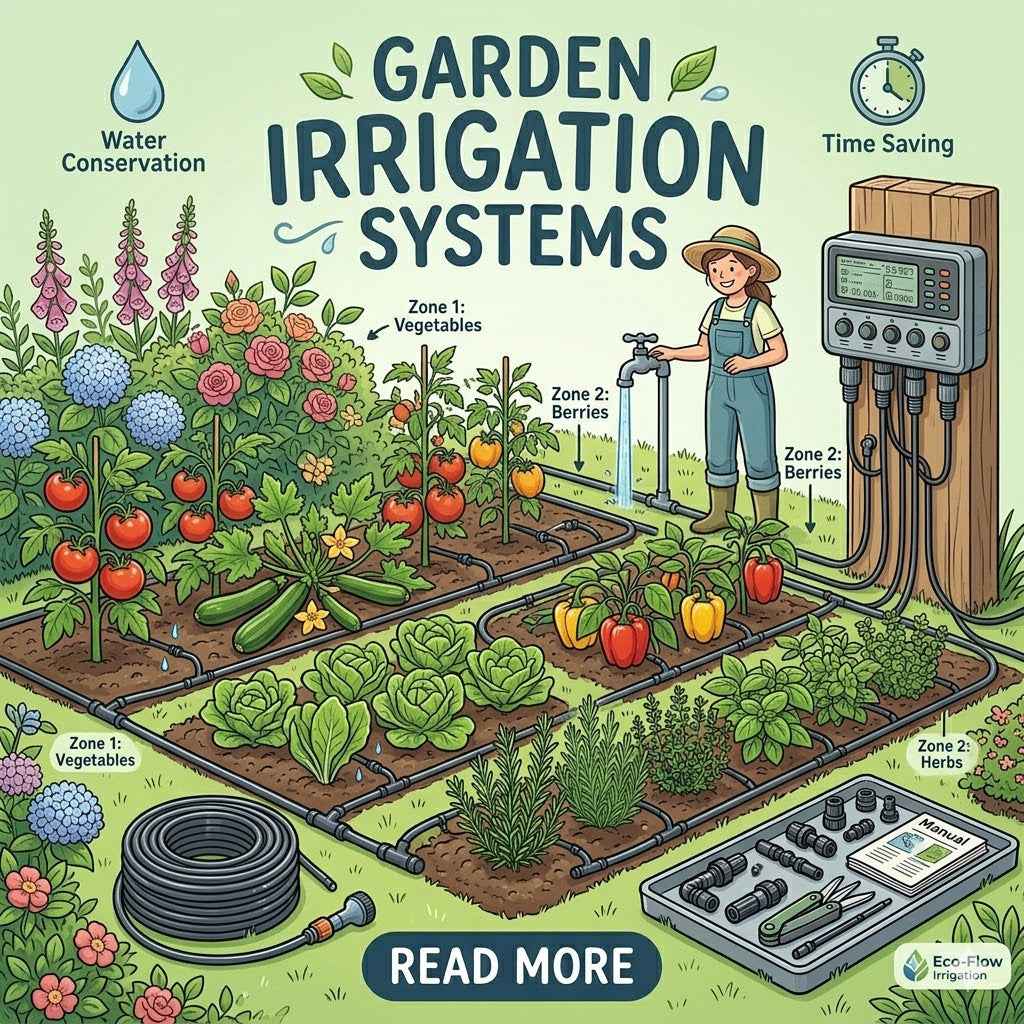
When a connector fails, the efficiency of an automatic garden watering system drops instantly. Precision-engineered systems rely on consistent flow rates to ensure every plant receives the right amount of hydration. A poor fitting introduces air or allows water to escape, leading to uneven coverage and dry patches. In UK gardens, 'fitting fatigue' usually manifests as connectors that 'pop' off under high pressure or plastic housings that become brittle and crack after a single winter in a cold shed.
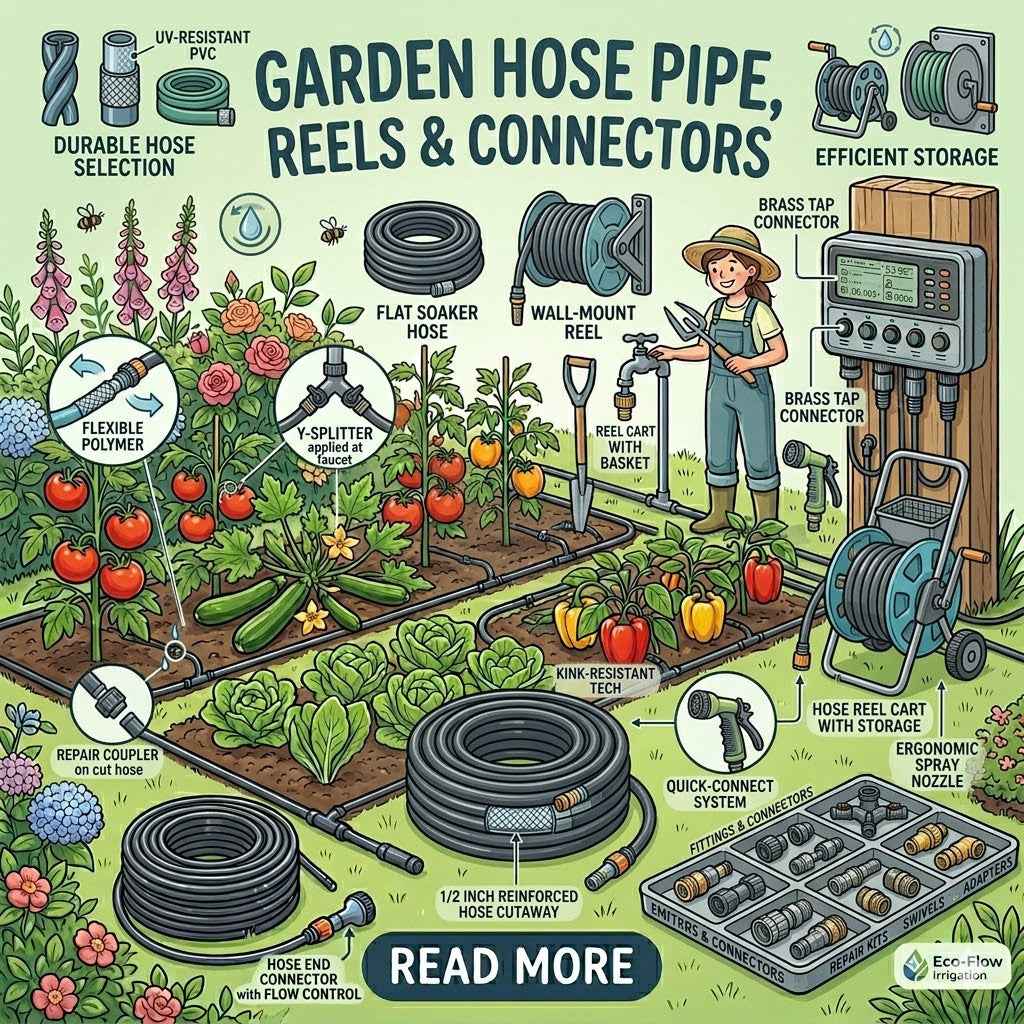
The two main contenders in this space are UV-stabilised plastic and heavy-duty brass. Each material serves a specific purpose. Plastic offers lightweight versatility and ease of use, while brass provides a rugged, long-term solution for high-traffic areas where durability is the priority. Understanding Plastic v Brass Garden Hose Fittings helps you build a system that stands up to daily use without constant troubleshooting.
The Impact of Leaks on Water Pressure
Even a minor drip at the tap can have a cascading effect on your sprinkler's performance. Most popup or oscillating sprinklers require a specific minimum pressure to rotate correctly or reach their full distance. When water escapes at the source, that pressure drops. This is particularly vital during a UK hosepipe ban, where every drop must be used efficiently. According to established Hose coupling standards, a secure mechanical fit is essential to maintain the structural integrity of the water column from the tap to the nozzle. If you see water pooling around your outdoor tap, your system is working harder than it needs to.
Compatibility with the Hozelock Standard
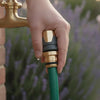
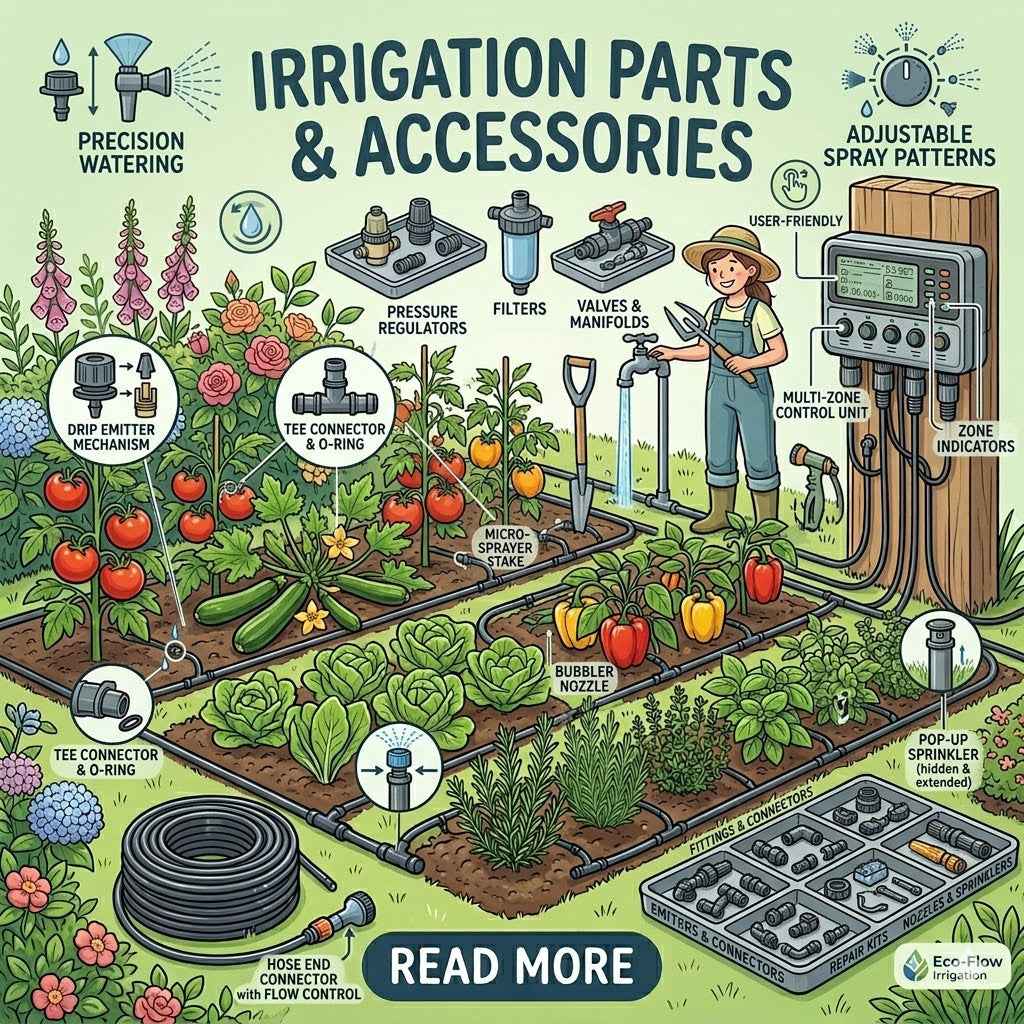
The 'quick-connect' system has become the universal language for UK gardeners. Whether you prefer the feel of metal or the convenience of plastic, most fittings are designed to be interchangeable. This allows you to mix and match components across your system with ease. The real hero of these fittings is the internal O-ring. Regardless of the outer shell material, a high-quality rubber seal is what actually prevents leaks. We find that ensuring a clean, well-seated O-ring is just as important as the material of the connector itself for maintaining a leak-free environment.
Plastic Garden Hose Fittings: Versatility and Modern Engineering
Many gardeners assume that metal is always better, but high-quality plastic remains the industry standard for a reason. Don't confuse the engineered polymers used by leading brands with the brittle, low-grade materials found in bargain shops. When comparing Plastic v Brass Garden Hose Fittings, modern plastic offers a level of flexibility and weight-saving that metal cannot match. For most domestic gardens, these fittings provide a reliable, leak-free connection that integrates seamlessly with your existing equipment.
One of the most significant advantages is the weight. If you're using hozelock spray guns for long periods, a heavy brass connector can make the tool feel unbalanced and tiring to hold. Plastic connectors keep the setup lightweight and ergonomic. Additionally, modern polymers are UV-stabilised. This means they won't degrade or become 'chalky' after a few weeks in the summer sun. For large-scale irrigation projects where you need multiple connection points, plastic is also a far more cost-effective way to scale your system without sacrificing performance.
The Engineering of Hozelock Plastic
Premium connectors often use Acetal plastic, a material chosen for its incredible 'spring-like' properties. This is what allows the internal clips to grip the hose tightly without snapping. High-end models feature triple-locking systems that ensure the hose stays attached even under fluctuating water pressure. To make life easier during wet weather, many of these fittings now include soft-touch grips. These over-moulded sections provide extra friction, so you can easily swap attachments with wet hands.
When Plastic is the Superior Choice
Plastic is often the smartest choice for delicate drip irrigation systems. The lightweight nature of the fittings prevents them from pulling on thin-walled pipes or dragging down suspended lines. If you live in a hard water area, plastic is also naturally resistant to limescale build-up. Unlike some metals that can seize up over time due to mineral deposits, plastic remains smooth and functional. If a component does eventually wear out, its widespread availability makes it simple to find a matching replacement. To build a versatile system, explore our range of premium Hozelock connectors designed for maximum reliability.
Brass Garden Hose Fittings: The Choice for Durability
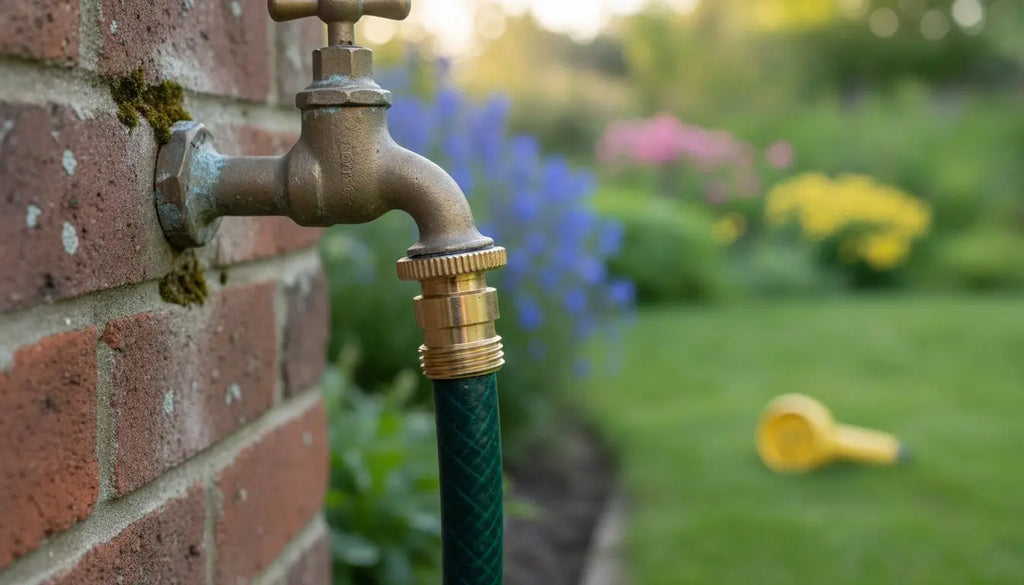
For many gardeners, the transition to brass is driven by a 'Buy Once' philosophy. While premium plastic is excellent for versatility, brass represents the peak of structural integrity. If your garden is a high-traffic area where hoses are frequently stepped on or even run over by a lawnmower, metal fittings offer the resilience needed to survive. There is also a distinct psychological benefit to the weight and 'solid' feel of a metal-to-metal connection. It provides immediate feedback that the system is locked and ready for work.
This durability is essential when using high-pressure equipment like power washers. Standard plastic connectors can sometimes struggle with the sudden back-pressure these machines generate. In the debate of Plastic v Brass Garden Hose Fittings, brass is the clear winner for industrial-strength tasks. However, it's a common misconception that brass is immune to leaks. Even the strongest metal housing cannot prevent a spray if the internal rubber O-ring is perished or seated incorrectly. A brass fitting is only as good as its seal.
Internal Mechanisms of Quality Brass
The internal design of a brass connector differs significantly from its plastic counterparts. Instead of plastic 'teeth' that bite into the hose, quality brass fittings often use stainless steel ball bearings to secure the coupling. This mechanism provides a smoother 'click' and reduces wear on the connection point over time. Brass tap connectors are also far less likely to shear off at the thread. This is a common failure point for plastic when a hose is pulled at a sharp angle. Heavy-duty compression rings inside the brass housing ensure the hose remains anchored, even when the water pressure spikes.
Potential Drawbacks of Metal Fittings
While robust, metal fittings aren't without their quirks. Brass is an excellent conductor of heat. On a hot July afternoon, a connector left in direct sunlight can become uncomfortably hot to the touch. You should also consider the physical weight. If you use garden irrigation water timers, the weight of a heavy brass connector combined with a water-filled hose can put a lot of strain on the timer's plastic outlet. We recommend supporting the hose to prevent the timer's casing from cracking. Finally, remember the risk of 'seizing'. If left connected throughout a wet UK winter, the metal threads can bond together. It's always best to disconnect and store them in a dry place to maintain that Plastic v Brass Garden Hose Fittings performance year after year.

Plastic v Brass: The Direct Performance Comparison
Choosing between Plastic v Brass Garden Hose Fittings often comes down to a calculation of long-term value. While a brass connector typically commands a higher initial price, its cost-to-life ratio is impressive for those who leave their equipment outside year-round. Conversely, premium plastic offers a lower entry point and provides more than enough durability for the average domestic gardener who stores their tools away in the autumn. The best choice isn't always the most expensive one; it is the one that matches your specific usage habits and storage capacity.
User experience also differs significantly between the two. Plastic fittings are designed for ease of use, offering a lightweight feel and a very audible 'click' when they lock into place. Brass provides a more substantial, professional feel but requires more physical effort to pull back the locking sleeve. If you have multiple watering points or use a long hose that needs frequent repositioning, the cumulative weight of brass fittings can become a factor in your daily comfort.
Durability in the UK Climate
The UK's weather presents unique challenges for irrigation hardware, particularly during the frost-thaw cycles of winter. When water trapped inside a fitting freezes, it expands. Plastic is more susceptible to this internal pressure, which can lead to hairline fractures that eventually cause the connector to fail in the spring. UV-stabilisation involves adding specific chemical blockers to the plastic during manufacturing to absorb or reflect harmful ultraviolet rays, which prevents the material from becoming brittle and losing its structural integrity over time. While this protects against the sun, it doesn't offer the same physical impact resistance as brass. If you frequently drop your hose on stone patios or gravel drives, brass will resist deforming far better than any polymer.
Compatibility and Leak Prevention
A common question is whether you can mix materials within a single system. While most brass fittings are built to the same 'quick-connect' dimensions as Hozelock plastic, mixing them can lead to uneven wear. Brass is significantly harder than plastic. Over time, the metal locking mechanism can begin to wear down the plastic 'teeth' on a mating connector, potentially leading to a loose fit. To maintain a leak-free seal, you must inspect the internal O-rings on both material types. These rubber seals are the true heroes of any watering system. We recommend applying a small amount of silicone grease to these rings annually to keep them supple and prevent 'blow-offs' under high pressure. If you're looking to upgrade your current setup, you can browse our range of reliable Hozelock connectors to find the perfect match for your garden.
Expert Recommendation: Which Should You Buy in 2026?
After 15 years of providing irrigation expertise, we have found that the best solution for most UK gardens is often a hybrid approach. You don't have to choose exclusively one material for your entire setup. Instead, match the fitting to the specific job it performs. We suggest using a heavy-duty brass connector at the tap where the connection is permanent and under constant pressure, while using premium plastic for the handheld end of the hose. This strategy balances the need for rugged durability at the source with the lightweight ergonomics required for comfortable watering.
For the majority of domestic setups, we recommend premium Hozelock connectors. These fittings are engineered to provide the best balance of price and performance. If you want the absolute best of both worlds, the Hozelock Pro range is the professional choice. These are metal-plastic hybrids that feature a zinc alloy outer shell for impact resistance combined with an engineered plastic internal mechanism to ensure a soft, secure grip on the hose. In the debate of Plastic v Brass Garden Hose Fittings, this hybrid range effectively bridges the gap between the two contenders.
Best for Automatic Systems
If you are running lawn sprinkler systems, lightweight plastic is almost always the safer choice. Brass fittings are heavy; when attached to the end of a long hose, they can pull on the delicate outlet threads of your water timer. Over time, this constant downward tension can lead to leaks or even a cracked timer casing. By using high-quality plastic couplings to optimise your hozelock watering kits, you reduce mechanical stress on your automated components. This ensures your system remains reliable throughout the season without requiring constant adjustments.
The Verdict on Brass
Choose brass when your priority is "set and forget" reliability in high-traffic areas. It is the ideal material for connections that might be kicked, stepped on, or subjected to extreme water pressure from a borehole or booster pump. However, quality matters immensely here. Avoid cheap brass alloys that can contain high levels of impurities; these often corrode or seize faster than their premium counterparts. When you invest in a quality metal fitting, you are buying peace of mind for your most demanding connection points.
Before you make your final decision on Plastic v Brass Garden Hose Fittings, use this quick checklist:
- Frequency: Do you swap attachments daily? Choose lightweight plastic.
- Location: Is the fitting on a stone patio? Choose impact-resistant brass.
- Equipment: Are you connecting to a plastic water timer? Choose plastic to protect the threads.
- Storage: Do you leave your hose out in winter? Brass handles the expansion of frost more reliably.
Building a reliable watering system is about more than just buying the most expensive parts. It's about understanding how each component interacts. By choosing the right material for the right task, you can enjoy a leak-free garden all summer long.
Build Your Perfect Watering System Today
Selecting the right components for your irrigation system doesn't have to be a matter of guesswork. Throughout this guide, we've explored how the choice between Plastic v Brass Garden Hose Fittings depends on your specific setup, from protecting delicate water timers to ensuring a rugged connection at the tap. The most successful systems often use a hybrid approach, combining the strength of metal with the ergonomic benefits of high-quality plastic.
As an official Hozelock partner with over 15 years of irrigation expertise, we're dedicated to providing specialist advice for every UK garden. We focus on technical performance and reliability so you can spend less time fixing leaks and more time enjoying your landscape. Our team is ready to help you select the ideal components for a watering system that truly lasts more than a single season.
For homeowners who value this same level of quality in their interior finishes, check out Richmond Stone for premium Cambria quartz and stone solutions that enhance any living space.
Explore our full range of professional Hozelock connectors and fittings to find the right solution for your budget and irrigation needs. With the right connections in place, you can water with total confidence. Happy gardening!
Commonly Asked Questions
Are brass hose connectors better than plastic for water pressure?
Brass is generally better for high-pressure systems because it resists deformation under stress. When comparing Plastic v Brass Garden Hose Fittings, brass provides a more rigid connection that is less likely to leak when using powerful pumps or pressure washers. While premium plastic can handle standard domestic pressure, metal is the superior choice for industrial-strength tasks.
Will brass fittings fit my existing Hozelock hose pipe?
Yes, most brass fittings are designed to be compatible with the standard Hozelock quick-connect system. You can easily slide a brass connector onto your existing hose, provided the hose diameter matches the fitting size. This is typically 12.5mm for standard UK garden hoses, though you should always check your hose width before purchasing.
Do plastic hose connectors perish in the sun?
Low-quality plastic can become brittle over time, but premium connectors use UV-stabilised polymers to prevent sun damage. These additives absorb ultraviolet rays, which stops the material from cracking or turning chalky. Choosing high-grade plastic ensures your fittings remain flexible and functional through many summer seasons without losing their structural integrity.
Can I leave brass hose fittings outside during winter?
You can leave them outside, but it's much safer to disconnect them to prevent frost damage. If water remains trapped inside the metal housing and freezes, the resulting expansion can warp the brass or damage the internal seals. Storing them in a dry shed helps maintain the long-term performance of your Plastic v Brass Garden Hose Fittings.
Why does my hose connector keep popping off the tap?
This usually happens because of a worn internal O-ring or a mismatch in the locking mechanism. If the plastic teeth have worn down or the rubber seal has perished, the connector cannot maintain a grip under pressure. Replacing the O-ring or upgrading to a connector with a more secure locking sleeve often solves the problem and prevents frustrating interruptions.
Is it worth buying the Hozelock Pro metal range?
It's worth the investment if you want the durability of metal without the excessive weight of solid brass. This range features a zinc alloy shell for impact protection while keeping the internal parts lightweight and easy to use. It is a fantastic choice for gardeners who want professional-grade reliability for daily watering tasks without the strain of heavy fittings.
How do I stop my brass hose fittings from leaking?
Most leaks in brass fittings are caused by a dry or damaged rubber seal rather than the metal itself. Apply a small amount of silicone grease to the internal O-ring to keep it supple and ensure a watertight fit. If the leak persists, check that the tap connector is screwed on straight and that the internal washer is still intact.
What size hose connector do I need for a standard UK outside tap?
A standard UK outside tap usually requires a 3/4 inch (19mm) threaded tap connector. Some older or smaller taps might use a 1/2 inch (12.5mm) thread; it's often best to buy a universal connector that includes an adaptor for both sizes. This ensures a perfect fit regardless of your specific tap dimensions and prevents water from spraying out at the source.
`-
Posted in
Brass Fittings, DIY, Gardening Tips, Hose Fittings, Hozelock, Irrigation, Plastic Connectors, Plastic v Brass Garden Hose Fittings, Water Saving