
New Product Review of the Anti-Leak Irrigation Fittings
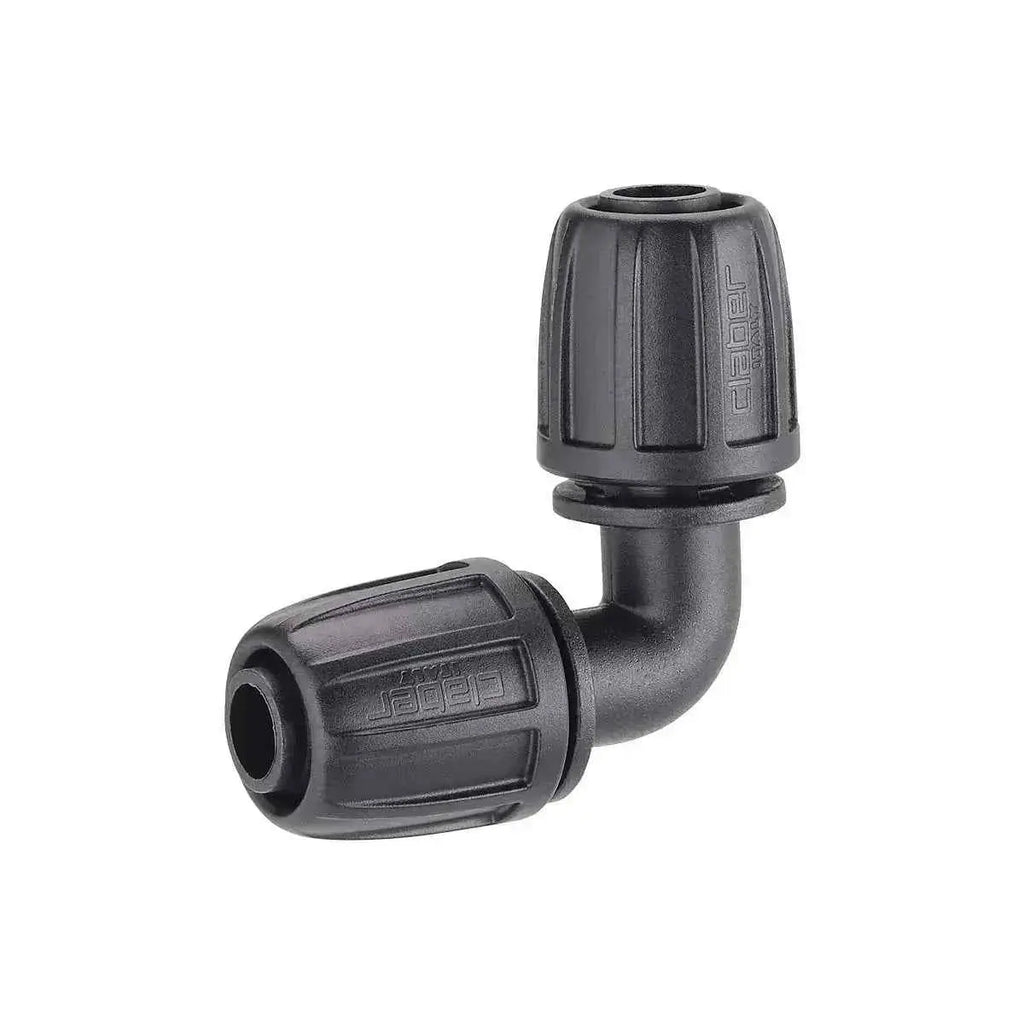
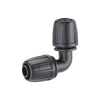
We review the new Anti-Leak irrigation hose fittings, these are designed for 13mm LDPE irrigation hose, these are fully compatible with Hozelock, Rainbird and Gardena systems. When the weather gets hot the fittings expand and then start to leak, with these new fitting this is a thing of the past.
Barbed vs Anti-Leak Irrigation Fittings
Visual Comparison Chart + Step-by-Step Installation Guide
Choosing the right irrigation fittings can make the difference between a system that runs for years without trouble and one that constantly drips, loosens, or needs repair. Below is a clear visual comparison of traditional barbed irrigation fittings versus modern anti-leak fittings, followed by simple installation guides for both.
🔍 Visual Comparison Chart
| Feature | Standard Barbed Fittings | Anti-Leak Irrigation Fittings |
|---|---|---|
| Connection type | Push-fit barb | Compression / locking collar |
| Leak prevention | Relies on friction | Built-in mechanical seal |
| Installation speed | Very fast | Slightly slower |
| Skill level | Beginner | Beginner–Intermediate |
| Cost per fitting | Low | Medium |
| Long-term reliability | Moderate | High |
| Resistance to pipe movement | Low | Very high |
| Suitable for buried pipes | Limited | Excellent |
| Pressure tolerance | Low–Medium | Medium–High |
| Maintenance required | Occasional tightening | Minimal |
At a glance:
Barbed fittings are quick and budget-friendly, while anti-leak fittings focus on durability, water efficiency, and long-term performance.
🔧 How to Install Standard Barbed Irrigation Fittings
Best for: Small systems, temporary layouts, quick DIY projects
What You’ll Need
-
Correct size irrigation pipe (e.g. 13mm or 16mm)
-
Barbed fitting
-
Optional pipe clamp (recommended)
-
Warm water (optional but helpful)
Step-by-Step
-
Cut the pipe cleanly
Use sharp scissors or pipe cutters to avoid uneven edges. -
Warm the pipe (recommended)
Dip the pipe end in warm water for 10–15 seconds to soften it. -
Push onto the barb
Firmly push the pipe fully over all barbs until it seats snugly. -
Secure with a clamp (optional)
Add a clamp for extra security, especially on main lines. -
Test under pressure
Turn on water and check for drips or movement.
Common Mistakes
-
Not pushing the pipe fully over the barb
-
Skipping clamps on high-pressure sections
-
Using the wrong pipe size
🔒 How to Install Anti-Leak Irrigation Fittings
Best for: Permanent systems, buried lines, long runs, pressure-sensitive areas
What You’ll Need
-
Correct pipe size
-
Anti-leak fitting
-
No tools required (in most cases)
Step-by-Step
-
Unscrew the compression collar
Separate the locking nut from the fitting body. -
Insert pipe into the fitting
Push the pipe fully into the connector until it stops. -
Tighten the collar
Screw the collar down firmly by hand to compress the seal. -
Check alignment
Ensure the pipe is straight and not twisted. -
Pressure test the system
Turn on water and inspect the joint. No drips should appear.
Why This Works
The compression collar creates a tight seal around the pipe, preventing leaks even when pipes expand, contract, or move.
🌱 Which Fitting Should You Use?
Choose Barbed Fittings if:
-
You’re building a small or temporary irrigation system
-
Cost is your main priority
-
The pipework is above ground and easy to access
Choose Anti-Leak Fittings if:
-
Your system is permanent or buried
-
You want to minimise water waste
-
Pipes may shift due to soil movement or temperature changes
-
You want a professional, long-lasting installation
Many gardeners use both: barbed fittings for short spur lines and anti-leak fittings for main supply runs.
💡 Pro Tips for Best Results
-
Always match fitting size exactly to pipe size
-
Install anti-leak fittings on main lines and pressure points
-
Flush the system before final installation to remove debris
-
Recheck connections at the start of each watering season
✅ Final Takeaway
If you want speed and simplicity, barbed fittings are perfectly adequate.
If you want reliability, efficiency, and peace of mind, anti-leak fittings are the smarter long-term choice.
Used correctly, both fitting types can work together to create an efficient, leak-free garden irrigation system.
`-
Posted in
drip irrigation, garden watering, home irrigation, landscape irrigation, lawn care, lawn irrigation, sprinkler systems