Anti-Leak Vortex Dripper Spray That Transforms Garden Watering
Understanding Anti-Leak Vortex Dripper Technology
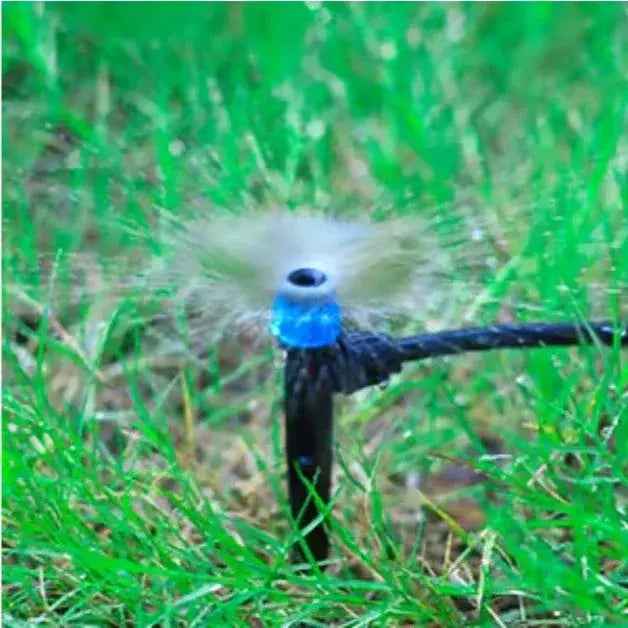
Modern garden irrigation has evolved far beyond traditional sprinkler systems, embracing precision-engineered solutions that deliver water with surgical accuracy. Anti-leak vortex dripper sprays represent the pinnacle of this evolution, utilising sophisticated fluid dynamics to create a helical water pattern that prevents blockages whilst ensuring consistent flow rates.
The vortex mechanism operates through a specially designed chamber where incoming water creates a spiralling motion. This centrifugal action naturally purges debris and sediment that would otherwise compromise conventional drippers. The result is a remarkably reliable watering solution that maintains optimal performance across varying water pressures and environmental conditions.
The Science Behind Vortex Flow Dynamics
Conventional drippers rely on laminar flow patterns that become susceptible to particulate accumulation. Vortex technology transforms this linear water movement into a three-dimensional spiral, creating self-cleaning properties that dramatically extend operational lifespan. The engineered turbulence prevents calcium deposits and organic matter from adhering to internal surfaces.
Furthermore, this innovative design maintains consistent output rates regardless of minor pressure fluctuations common in domestic water systems. The vortex chamber acts as a pressure-regulating mechanism, delivering uniform irrigation even when multiple zones operate simultaneously.
Revolutionary Garden Watering Solutions
Contemporary gardening demands solutions that balance efficiency with sustainability. Anti-leak vortex dripper sprays address both imperatives whilst reducing maintenance overhead that plagues traditional irrigation systems. These precision instruments deliver targeted hydration directly to root zones, minimising evaporation losses and eliminating wasteful runoff.
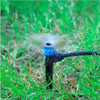
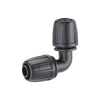
For discerning gardeners seeking professional-grade irrigation performance, Garden Watering offers the Anti-Leak Vortex Dripper Spray – a revolutionary solution that combines German engineering precision with practical durability. This innovative dripper features a patented vortex chamber that prevents clogging whilst delivering consistent water flow rates of 0-70 litres per hour. The adjustable spray pattern accommodates various plant spacing requirements, from dense vegetable plots to expansive flower borders.
The adjustable output mechanism allows gardeners to customise water delivery according to specific plant requirements and seasonal variations. This adaptability proves invaluable when transitioning between growing seasons or accommodating different crop rotations within the same irrigation zone.
Precision Water Distribution Benefits
Targeted irrigation eliminates the shotgun approach of overhead sprinklers, reducing water consumption by up to 60% compared to conventional methods. The focused delivery system ensures water penetrates soil layers effectively, promoting deeper root development and enhanced plant resilience during drought periods.
Additionally, keeping foliage dry significantly reduces fungal disease pressure, particularly beneficial for tomatoes, roses, and other susceptible species. This targeted approach creates healthier growing conditions whilst reducing reliance on chemical interventions.
Mastering Micro-Spray Dripper Installation
Professional installation techniques ensure optimal system performance and longevity. Begin by mapping your garden's irrigation zones, considering factors such as plant water requirements, sun exposure, and soil drainage characteristics. This preliminary assessment forms the foundation for an efficient distribution network.
The installation process requires careful attention to hydraulic principles. Main supply lines should maintain adequate diameter to prevent pressure drops, typically 13mm for runs exceeding 30 metres. Branch lines can utilise smaller 4mm tubing for individual dripper connections.
Essential Installation Components
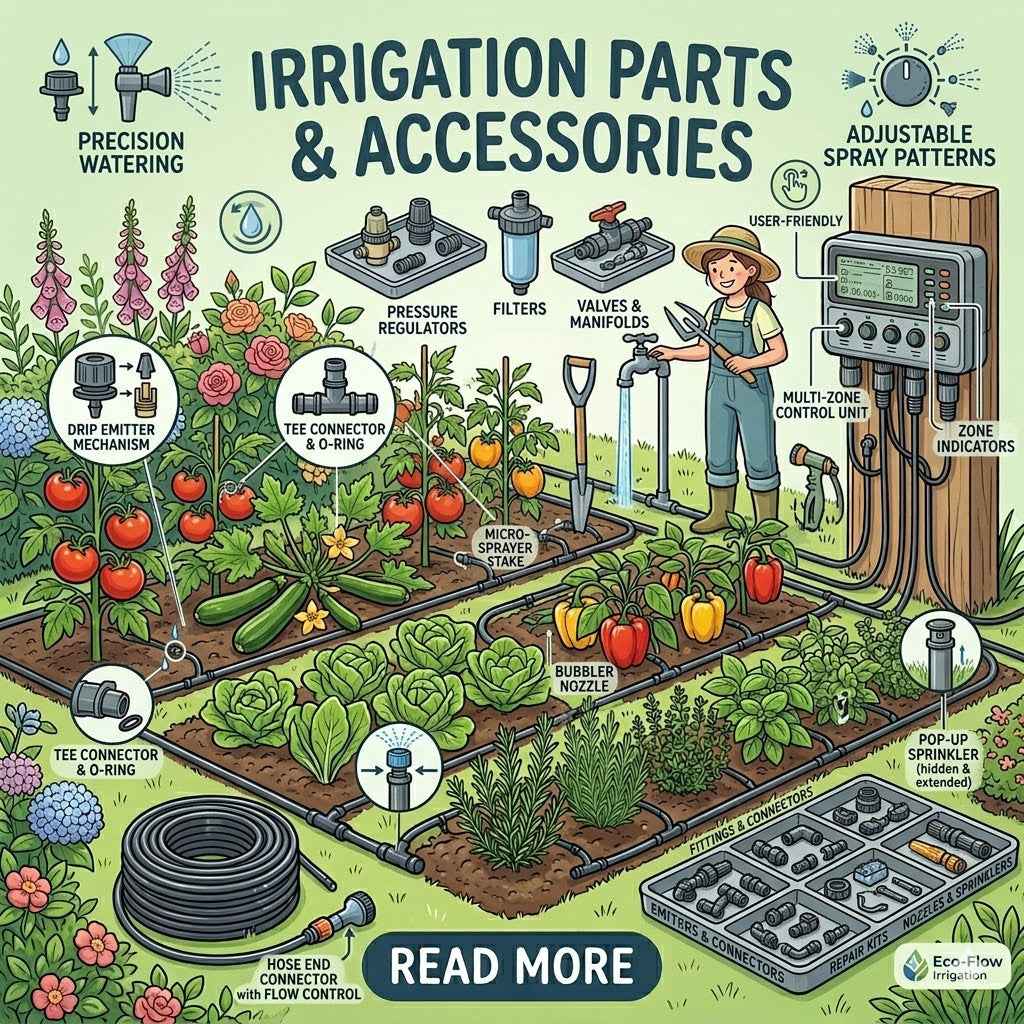
- Pressure-compensating regulators for consistent output
- Filtration systems to protect dripper mechanisms
- Timer controllers for automated scheduling
- Non-return valves preventing backflow contamination
- Flush valves for periodic system maintenance
Proper spacing between drippers depends on soil type and plant requirements. Clay soils accommodate wider spacing due to lateral water movement, whilst sandy soils require closer placement to ensure adequate coverage. Generally, 30-60cm intervals provide optimal distribution for most garden applications.
Professional Installation Techniques
Begin installation during mild weather conditions to prevent tubing brittleness. Underground installations require burial depths of 5-10cm to protect against frost damage whilst maintaining accessibility for maintenance. Surface-mounted systems benefit from UV-resistant tubing and strategic shading.
"Proper installation methodology determines system longevity and performance consistency. Attention to hydraulic fundamentals during initial setup prevents future complications and ensures reliable operation throughout the growing season."
Connection points demand particular attention to prevent leak development. Use purpose-designed barbed fittings with appropriate sealants, avoiding improvised connections that compromise system integrity. Regular inspection of junction points identifies potential issues before they escalate into significant problems.
Water-Saving Drip Irrigation Strategies
Effective water conservation requires understanding plant physiology and soil moisture dynamics. Deep, infrequent watering encourages robust root development whilst reducing surface evaporation losses. This approach proves particularly beneficial for establishing new plantings and maintaining mature specimens during extended dry periods.
Automated systems excel at delivering precise irrigation schedules that optimise water uptake whilst preventing overwatering damage. Smart controllers incorporating weather sensors and soil moisture monitoring create responsive irrigation programs that adapt to changing environmental conditions.
Seasonal Water Management
| Season | Irrigation Frequency | Duration | Key Considerations |
|---|---|---|---|
| Spring | 2-3 times weekly | 45-60 minutes | Establishment watering for new growth |
| Summer | Daily (morning) | 30-45 minutes | Peak demand, early timing reduces evaporation |
| Autumn | 1-2 times weekly | 60-90 minutes | Deep watering for winter preparation |
| Winter | As required | Variable | Minimal irrigation, frost protection priority |
Advanced Conservation Techniques
Mulching around dripper locations enhances water retention whilst suppressing competitive weeds. Organic mulches provide additional soil conditioning benefits as they decompose, improving moisture-holding capacity and nutrient availability.
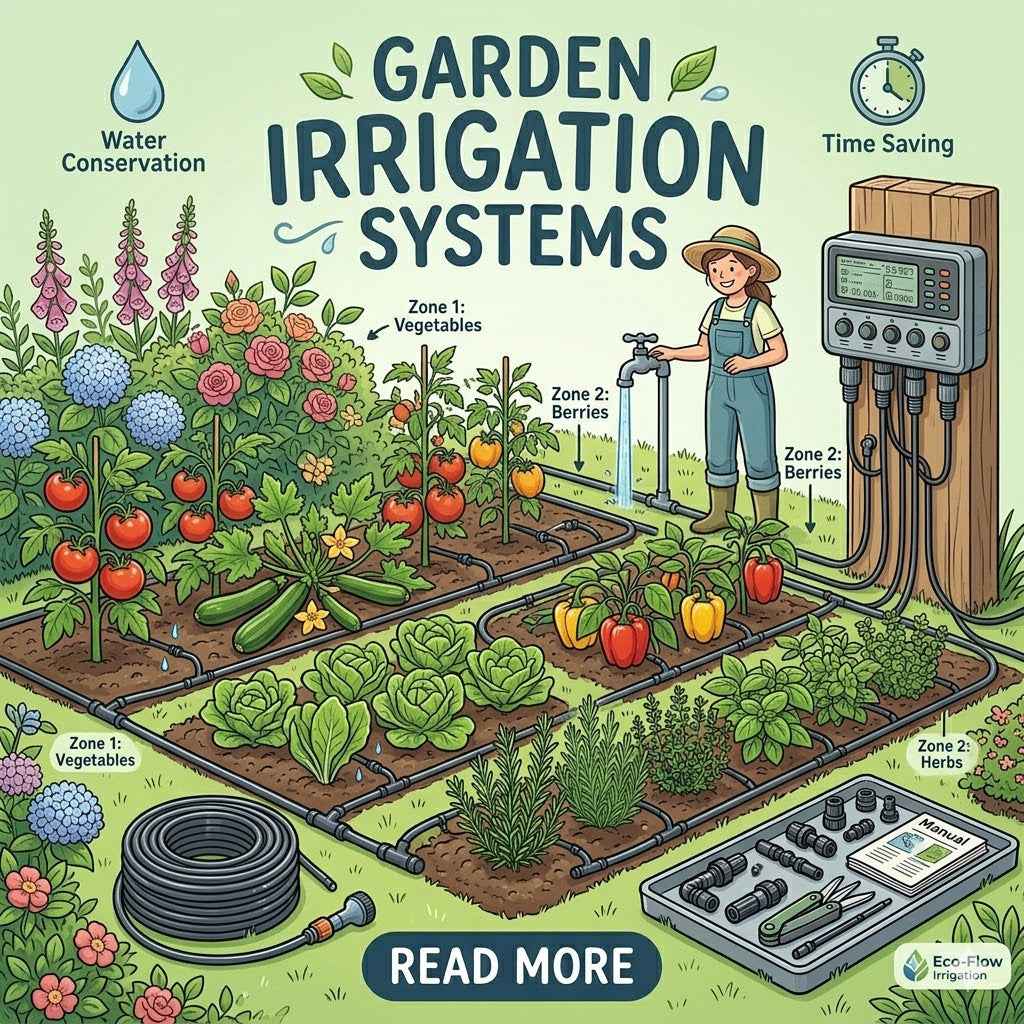
Zoning systems based on plant water requirements maximise efficiency by grouping similar species together. Mediterranean herbs require significantly less irrigation than leafy vegetables, making separate zones essential for optimal resource allocation.
Troubleshooting Common Installation Challenges
System blockages represent the most frequent operational issue, typically caused by inadequate filtration or poor water quality. Installing multi-stage filtration systems addresses this concern, utilising coarse screens for debris removal followed by fine mesh filters for sediment control.
Pressure irregularities often stem from undersized supply lines or excessive elevation changes within the distribution network. Calculating pressure requirements during design phases prevents these complications, ensuring adequate flow rates throughout the system.
Maintenance Best Practices
Regular system flushing removes accumulated sediments and prevents biofilm development within tubing networks. Monthly maintenance schedules during active growing seasons maintain optimal performance whilst extending component lifespan significantly.
Winterisation procedures protect systems from freeze damage in temperate climates. Draining water from exposed components and insulating vulnerable sections ensures reliable operation when irrigation resumes in spring. Professional-grade systems incorporate drain valves and blow-out connections facilitating comprehensive water removal.
-
Posted in
anti-leak, drip irrigation, garden irrigation, vortex dripper, water-saving