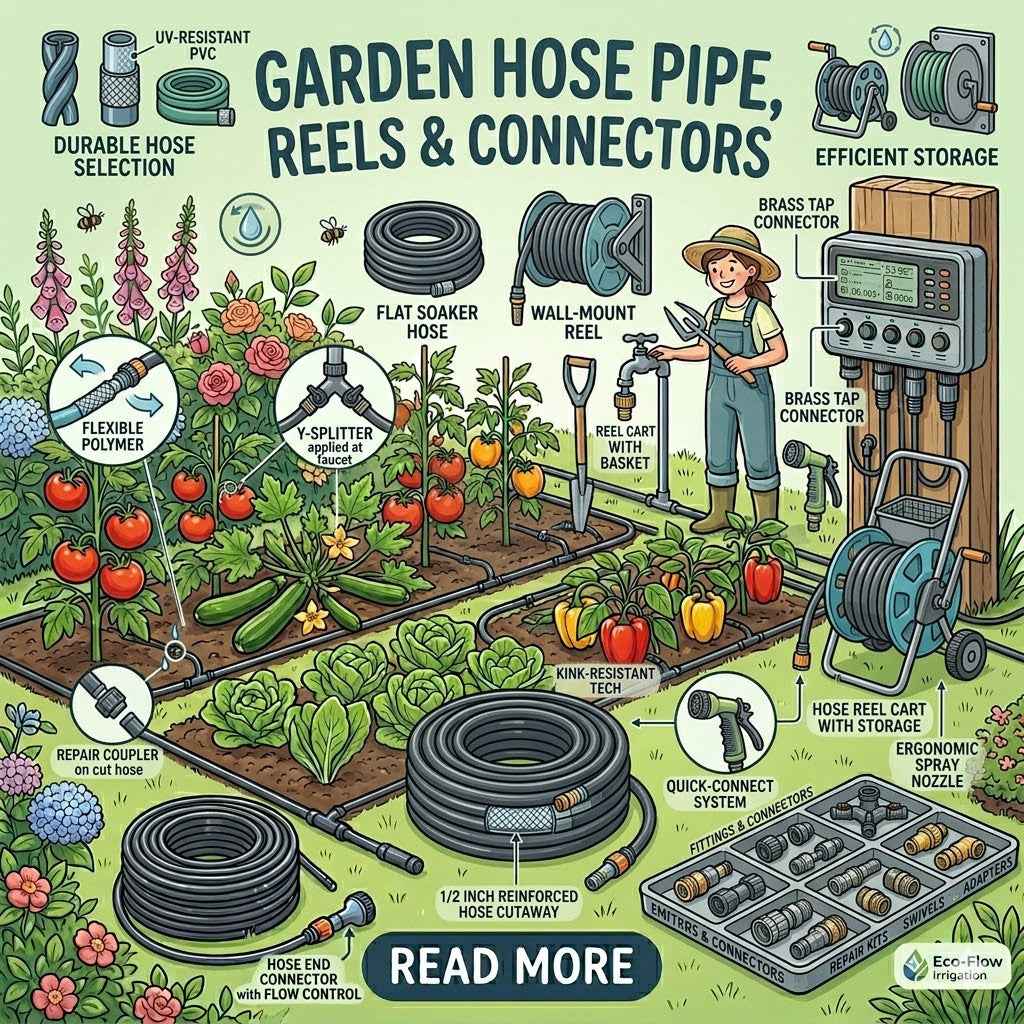

Pop-Up Irrigation Systems: The Ultimate 2026 Guide to a Professional Lawn
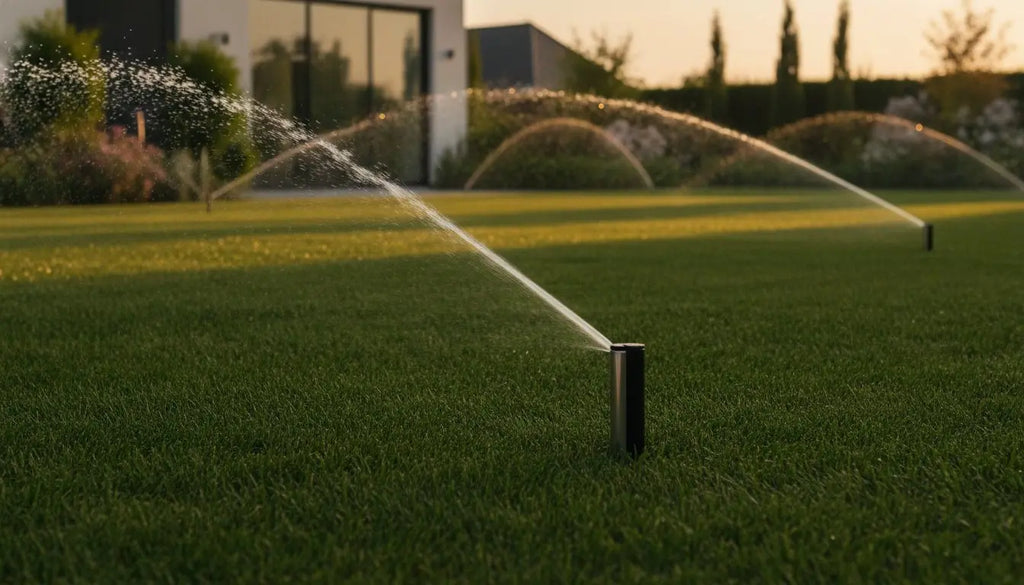
Why are you still dragging a heavy, tangled hose across your garden every evening when the secret to a professional lawn is already hiding right under your feet? Most homeowners settle for uneven watering and unsightly equipment because they believe a high-end setup is too complex to install. It's frustrating to watch dry patches appear during a record-breaking July heatwave, especially when you've spent hours trying to get the coverage just right with a manual sprinkler.
A modern pop up irrigation system is the most efficient way to maintain a healthy, vibrant lawn without any manual effort. As specialists with 15 years of experience, we've helped countless gardeners move away from guesswork and toward precision. In this 2026 guide, you'll discover how to design a discreet system that provides perfect coverage while remaining completely invisible when not in use. We'll explain how to navigate water pressure requirements, select the right Hozelock components for your specific lawn size, and ensure your garden stays resilient throughout the summer.
Key Takeaways
- Understand how a pop up irrigation system provides full lawn coverage while remaining completely hidden when not in use.
- Learn how hydraulic pressure operates the internal risers and nozzles to deliver precise watering across your entire garden.
- Identify the best components for UK soil, including why selecting the correct pipe diameter is essential for maintaining water pressure.
- Master the "Head-to-Head" planning rule to eliminate dry patches and ensure every inch of your lawn receives consistent hydration.
- Follow professional advice on trenching and flushing your system to protect your landscape and ensure years of reliable performance.
What is a Pop-Up Irrigation System and Why Does Your Lawn Need One?
A modern pop up irrigation system is essentially an underground network of high-quality pipes and sprinkler heads designed to stay hidden beneath your turf. These heads only emerge when water pressure is applied, retracting back into the ground the moment the cycle finishes. This discreet design solves the most common headache for UK gardeners: the constant battle with trailing hoses and the trip hazards they create for children and pets. Understanding what is an irrigation sprinkler in a modern context means looking beyond the basic metal spikes of the past and toward integrated, automated solutions that maintain a clean, professional landscape.
In 2026, a pop up irrigation system isn't just a luxury; it's a practical response to our changing environment. With the UK's horticultural sector aiming for a 35% increase in sustainable practices this year, managing every drop of water has become a priority. Record-breaking July temperatures have led many water companies to implement strict usage regulations, making efficient delivery more important than ever. An automated system ensures your lawn receives exactly what it needs to survive these extremes without wasting water on pavements or creating over-saturated patches that encourage moss growth.
To better understand how these systems integrate into your garden, watch this helpful video:
Pop-Up vs. Traditional Sprinklers: The Key Differences
Traditional surface sprinklers often struggle with wind drift and evaporation, losing a significant amount of water before it ever reaches the roots. Pop-up heads use precision-engineered nozzles that deliver a consistent spray pattern closer to the ground. Because the components are buried, they're protected from UV damage and lawnmower blades, lasting years longer than standard plastic hoses left out in the sun. If you're looking for a professional finish, our pop-up lawn sprinkler systems offer an invisible solution that keeps your garden looking its best without the clutter of surface equipment.
The ROI of Automated Watering
Investing in a professional system offers returns that go beyond a green lawn. You'll reclaim your evenings from manual watering duty, allowing the system to work during the early morning hours when evaporation is at its lowest. By using garden irrigation water timers, you can ensure the soil remains hydrated even during heatwaves. This level of care protects your financial investment in turf and plants, while also adding significant kerb appeal to your property. A well-watered garden is a clear indicator of a well-maintained home, and the peace of mind that comes with knowing your landscape is protected is invaluable.
How Pop-Up Sprinkler Systems Work: The Mechanics Explained
Understanding the mechanics behind a pop up irrigation system helps you maintain a professional lawn with minimal effort. It's a system of balance. When your water timer opens the valve, water rushes into the underground pipes. This sudden build-up of hydraulic pressure pushes against an internal spring, forcing the riser to emerge from its protective casing. The moment the water stops, the spring pulls the head back down safely below the soil line. This "spring return" is a vital safety feature. It ensures the heads stay clear of lawnmower blades and don't become trip hazards for your family.
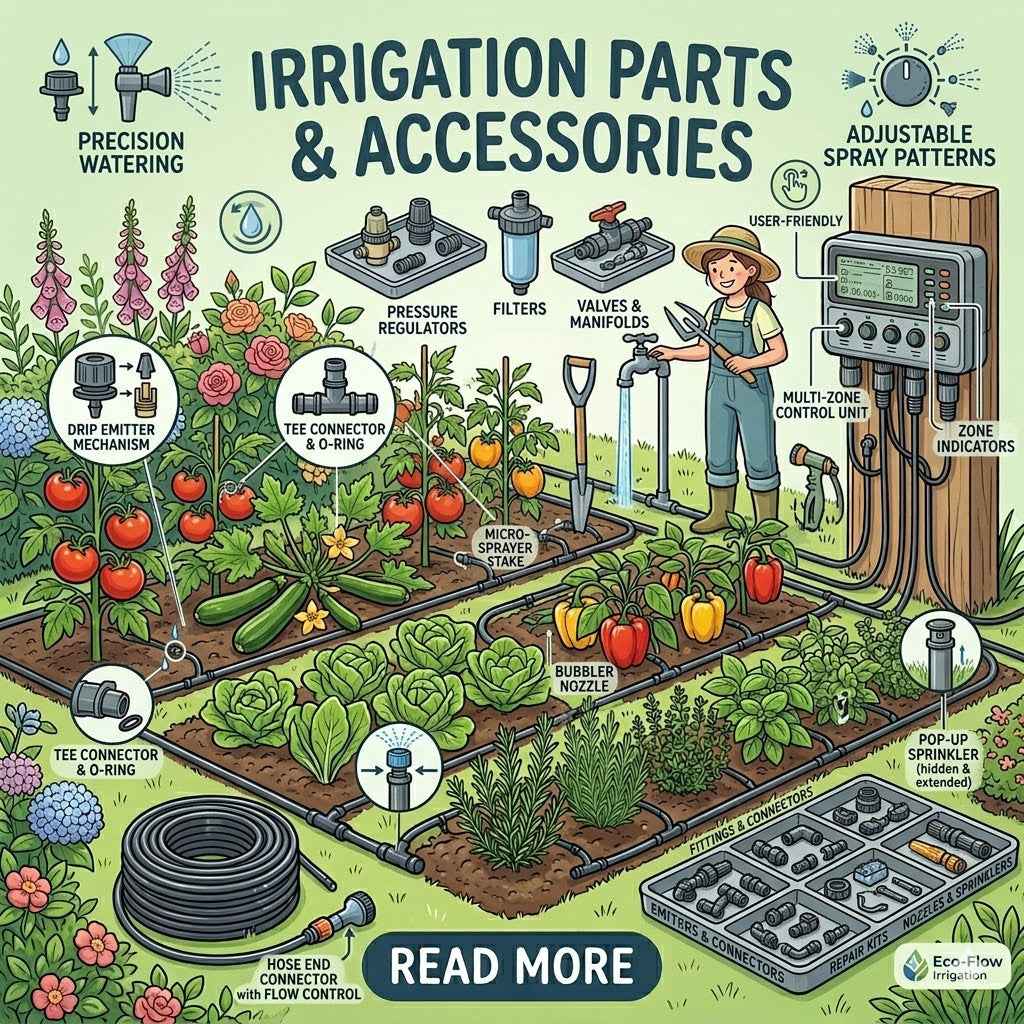
Every sprinkler head features a precision-engineered wiper seal. This small but essential component clears away grit and soil as the riser retracts, preventing clogs that could ruin the internal mechanism. Above the riser sits the nozzle, which determines the "throw" or the distance the water travels. If the pressure is too low, the head might not pop up fully; if it's too high, the water can turn into a fine mist that blows away in the wind. Consulting a homeowner's guide to irrigation systems can provide more context on how these mechanical parts integrate into a larger garden landscape. If you're ready to start planning your setup, explore our range of pop-up lawn sprinkler systems to find the right hardware for your project.
Nozzles and Spray Patterns
Choosing the right nozzle is the secret to total lawn coverage. Fixed arc nozzles spray a set pattern, such as a 90-degree corner, while variable arc nozzles allow you to dial in the exact angle required for curved borders. For larger lawns, rotary nozzles are often the best choice. They deliver water in rotating streams at a slower rate, which reduces runoff and ensures the water soaks deep into the roots. You can also adjust the radius on most heads to prevent watering your patio or fences.
The Role of the Water Timer
A Hozelock water timer acts as the brain of your entire operation. It manages "early bird" schedules, typically between 4 am and 6 am, which is the best time for maximum absorption before the sun rises. Many modern timers also support rain sensors. These smart devices detect a British downpour and automatically pause the schedule, preventing water waste and protecting your lawn from over-saturation. This automation ensures your grass stays healthy even when you're away on holiday.
Choosing the Best Pop-Up Components for UK Gardens
Selecting the right hardware is where many DIY projects either succeed or fail. For most UK residential gardens, Hozelock stands out as the most practical choice. It’s a brand we’ve specialised in for 15 years because its components are designed specifically for British water pressures and standard tap fittings. While some professional-grade systems from overseas can be overly complex, these units offer a balance of high performance and straightforward installation. Using a pop up irrigation system that is compatible with your existing garden hardware makes the transition to automation much smoother.
Flow rate is the most critical factor when choosing your pipework. A 13mm pipe might suffice for a tiny urban patch, but for a comprehensive pop up irrigation system, we generally recommend a 25mm main supply pipe. This larger diameter maintains the consistent pressure needed to lift multiple sprinkler heads simultaneously without a drop in performance. Research into efficient irrigation for lawns confirms that proper hydraulic configuration is the foundation of any thriving turf. Without the right pipe size, your sprinklers may fail to "pop" or provide the coverage promised on the box.
Custom layouts often require specific irrigation fitting adaptors to navigate around corners or connect different sections of the network. High-quality wiper seals and watertight joints are non-negotiable. Since these parts live underground, a minor leak can go unnoticed until it creates a boggy patch or a significant spike in your water bill. Investing in quality components now prevents the need to dig up your lawn later to fix a preventable failure.
Hozelock Pop-Up Sprinkler Options
The Hozelock watering range offers versatile solutions for every garden scale. Compact pop-ups are ideal for small urban lawns where precision is more important than distance. For larger expanses of grass, high-reach rotors provide the powerful throw required to reach the center of the lawn. These parts integrate seamlessly with standard Hozelock connectors, allowing you to build a system that is both professional and easy to maintain.
Essential Underground Pipework
Choosing between MDPE and LDPE pipe depends largely on your soil type. MDPE is tougher and more resistant to damage in stony ground, while LDPE is more flexible for intricate designs. Regardless of the pipe choice, always install drain valves at the lowest points of your layout. These valves automatically empty the pipes when the water pressure drops, which is the secret to preventing frost damage during freezing UK winters. To see how these components fit into a larger plan, read our comprehensive guide on a garden irrigation system for more expert advice.

Planning Your Layout: The Key to Total Coverage
The success of your pop up irrigation system depends entirely on the accuracy of your initial plan. A common mistake is placing sprinkler heads so the water just touches the edge of the next spray pattern. This leads to "donuts" of dry grass because most sprinklers deliver less water in the immediate area around the head. To achieve a professional, uniform green, you must follow the "Head-to-Head" rule. This means every sprinkler head must be positioned so that its spray reaches the base of the next one, ensuring 100% overlap and eliminating dry spots.
You also need to account for "shadowing" in your garden. Solid objects like sheds, large trees, or even permanent garden furniture will block the water path, leaving a rain shadow where grass will quickly turn brown. When drawing your blueprint, treat these as obstacles that require heads positioned on both sides. We recommend a simple four-step method for your blueprint: measure the perimeter, plot your corner heads first, fill in the perimeter gaps, and then add centre heads to complete the overlap. This logical approach ensures no part of your lawn is left to chance.
Measuring Your Water Pressure and Flow
Before you buy any parts, you must know what your UK outdoor tap can actually deliver. Perform a simple "Bucket Test" by timing how long it takes to fill a 10-litre bucket. Divide 600 by the number of seconds it took to get your Litres Per Minute (LPM). If your flow rate is below 10 LPM, you may struggle to run multiple heads at once. Water pressure, measured in Bar, determines the "throw" distance. Low pressure means the water won't reach the next head, breaking the Head-to-Head rule and requiring more zones to compensate.
Mapping Your Sprinkler Zones
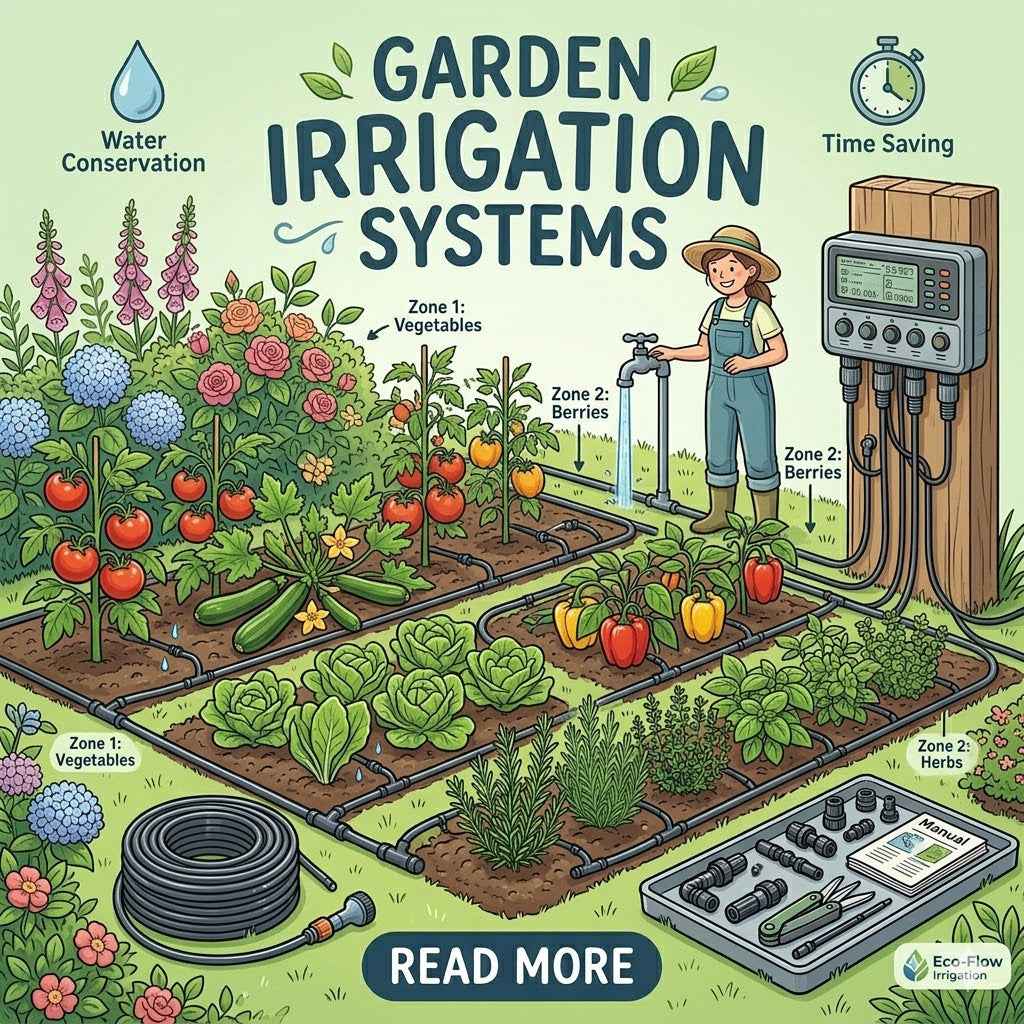
Zoning is how you manage your available water flow. Most standard UK taps can only support three to four heads simultaneously. By dividing your lawn into manageable sections, you ensure each pop up irrigation system zone receives full pressure for maximum efficiency. You can then use a multi-way timer to run these zones sequentially. For more inspiration on how to arrange your pipework, see our irrigation design ideas and plans. If you want to ensure your layout is perfect from day one, browse our expert-curated pop-up lawn sprinkler systems to find the ideal match for your garden's dimensions.
Installation and Maintenance: Keeping Your System Flowing
Installing a pop up irrigation system doesn't mean you have to sacrifice your existing turf. You can lay the pipework with minimal disruption by using a "V-trench" method. Simply use a sharp spade to cut a line into the grass and pry it open just enough to tuck the pipe 15cm to 20cm underground. Once the pipe is in place, you can press the sod back together. Within a week or two, the seam will disappear completely, leaving you with a professional-looking lawn and no evidence of the work performed.
Before you attach your final nozzles, you must flush the entire network. Construction debris, soil, and small stones often find their way into the pipes during installation. Running the water through the open risers for a few minutes clears these obstructions. If you skip this step, you'll likely face clogged nozzles and uneven spray patterns from the very first run. Seeking expert irrigation advice before you start digging can help you avoid these common pitfalls and ensure your system is configured correctly for your garden's specific topography.
Precise height adjustment is the final step for a safe installation. The top of the sprinkler head should sit exactly flush with the soil surface. If it's too high, your mower blades will strike the plastic; if it's too low, the head won't be able to pop up properly or may become buried by thatch. Aim for a height that allows the mower to pass safely over the retracted head while still giving the nozzle a clear line of sight over the grass blades when active.
Winterising Your Pop-Up System
The UK's damp and freezing winters can be brutal on a pop up irrigation system. While automatic drain valves are excellent for removing most water, many professionals also use the "Blow-Out" method, using compressed air to ensure no moisture remains in the lines. Always disconnect your Hozelock water timer and store it in a frost-free shed or garage during the coldest months. When spring arrives, perform a quick visual check for leaks or soggy patches before you commit to a full watering schedule.
Troubleshooting Common Issues
If a sprinkler head fails to retract, it's often due to grit trapped in the wiper seal. A quick rinse with a garden hose usually clears the debris. Clogged nozzles are another common issue, but they are a simple two-minute fix. Most Hozelock nozzles can be unscrewed and rinsed under a tap to restore their original flow. Finally, check your spray arcs regularly. Soil settles over time, and a slight shift could mean you're watering the neighbour's fence rather than your prize-winning lawn.
Achieve Your Dream Lawn This Summer
A professional, lush lawn is no longer reserved for luxury estates or golf courses. By following the "Head-to-Head" rule and choosing high-quality components, you can create a landscape that thrives even in the most unpredictable UK summers. A well-planned pop up irrigation system eliminates the daily chore of manual watering while keeping your garden clear of unsightly, tangled hoses. It's about working smarter, not harder, to maintain your outdoor space.
As dedicated Hozelock specialists with 15 years of industry experience, we understand the specific challenges of British water pressure and soil types. We provide expert advice to help you avoid costly DIY mistakes and offer reliable UK-wide delivery on all kits and parts. Whether you're starting from scratch or simply upgrading an existing setup, having the right hardware makes all the difference in achieving that perfect green finish.
Frequently Asked Questions
Do pop-up sprinklers work with low water pressure?
Pop-up sprinklers generally require a minimum pressure of 1.5 to 2 Bar to function correctly. If your pressure is lower than this, the heads may fail to emerge or provide poor coverage. You can solve this by creating smaller zones with fewer heads per line, ensuring each pop up irrigation system component receives enough force to operate effectively.
How deep should I bury pop-up irrigation pipes in the UK?
You should bury your pipes at a depth of 15cm to 20cm. This provides enough protection from garden forks and lawn aerators while remaining shallow enough for easy maintenance. It also offers a degree of protection against ground frost during typical British winters, though you should still drain the system before the first hard freeze.
Can I install a pop-up system myself or do I need a professional?
Most UK homeowners can successfully install these systems themselves using a high-quality garden watering kit. The process is straightforward and only requires basic tools like a spade and pipe cutters. While professional installation is an option, the modular nature of modern components makes it a very manageable DIY project for anyone with a clear plan.
How many pop-up sprinklers can I run off one tap?
Most standard UK outdoor taps can support between three and five heads per zone. The exact number depends on your flow rate, measured in Litres Per Minute. If you have a larger lawn that requires more heads, you'll need to divide the system into multiple zones managed by a multi-way water timer.
Are pop-up irrigation systems affected by hosepipe bans?
Mains-fed pop-up sprinklers are prohibited during a hosepipe ban. As of July 2026, several UK water companies have implemented these restrictions due to record-breaking temperatures. It's worth noting that drip irrigation systems are often exempt from these bans if they are used with a timer and pressure-reducing valve to deliver water directly to the soil.
What is the best pipe to use for underground sprinklers?
MDPE pipe is the best choice for your main supply lines because it is incredibly durable and resistant to ground movement. For the final connections to the sprinkler heads, flexible LDPE pipe is preferred. This flexibility allows you to position each pop up irrigation system head exactly flush with the turf for a professional finish.
How do I stop my lawnmower from damaging the sprinkler heads?
The most effective way to prevent damage is to install the heads perfectly flush with the soil surface. When the system is off, the internal spring return pulls the riser down safely below the level of the grass. This allows mower blades to pass over the unit without making contact, keeping both your mower and your sprinklers safe.
Can I add pop-up sprinklers to my existing Hozelock system?
Yes, you can easily integrate pop-up components into an existing Hozelock setup. Because the system is modular, you can use standard connectors and adaptors to link underground pipes to your current water timer. This makes it simple to upgrade your garden in stages as your needs and budget grow.
`-
Posted in
DIY, Garden Maintenance, Gardening, Home Improvement, Hozelock, Irrigation System, Lawn Care, pop up irrigation system, Pop Up Sprinklers, Watering Systems