
Automatic Drip Irrigation System: The Complete 2026 UK Guide
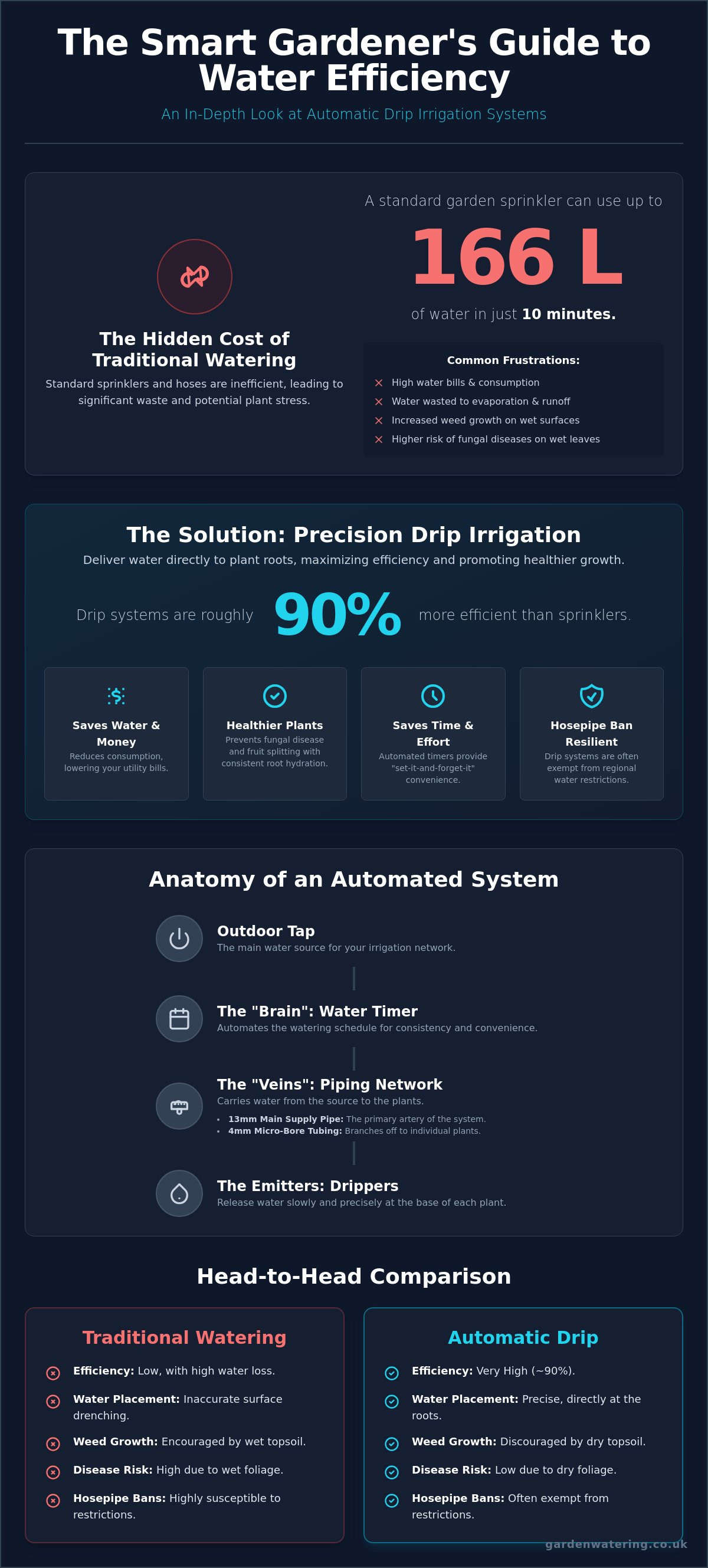
Did you know a standard garden sprinkler can use up to 166 litres of water in just ten minutes? It's a staggering figure that explains why so many UK gardeners feel caught between the desire for a thriving landscape and the reality of rising water bills. Whether you're worried about your prize roses surviving a July heatwave or you're tired of asking neighbours to water the pots while you're on holiday, the struggle to maintain a garden efficiently is a common challenge. You've likely felt the frustration of tangled hoses and the confusion of trying to match the right connectors to various tube sizes.
An automatic drip irrigation system is the precision-engineered solution that transforms your garden into a self-sustaining sanctuary. By delivering water directly to the roots, these systems significantly reduce waste and ensure your plants stay healthy with minimal effort. In this complete 2026 guide, we'll walk you through everything you need to know to build a reliable setup. We'll cover how to stay compliant with UK water standards, explain why these systems are often exempt from regional hosepipe bans, and help you confidently select the best Hozelock or Claber components for your specific needs.
Key Takeaways
- Understand how an automatic drip irrigation system uses a network of precision tubes and timers to deliver water directly to plant roots, even when you're away.
- Identify the essential components of a high-quality setup, including the difference between main supply pipes and 4mm micro-bore tubing.
- Learn how to zone your garden layout to ensure that thirsty vegetable patches and drought-tolerant shrubs each receive their ideal level of hydration.
- Simplify the installation process with a step-by-step approach to connecting timers and laying pipework for maximum efficiency and longevity.
- Gain confidence in selecting the right Hozelock watering kits by comparing professional-grade options tailored to various UK garden sizes.
What is an Automatic Drip Irrigation System?
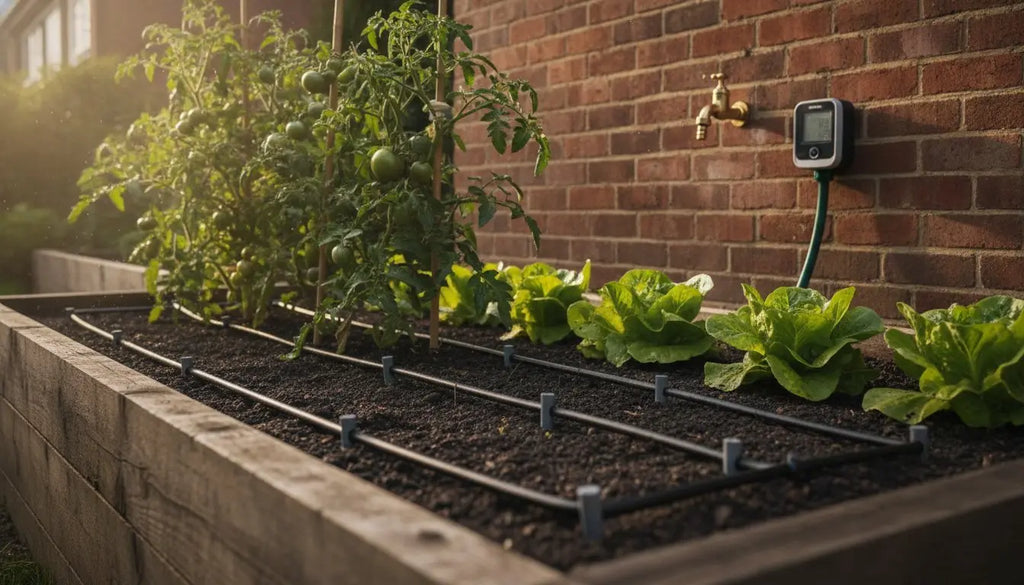
An automatic drip irrigation system is a specialized network of narrow tubes and emitters designed to deliver water directly to the soil where your plants need it most: the roots. Unlike traditional watering methods that drench the entire garden surface, this approach focuses on precision. The "automatic" element is powered by a programmable water timer connected to your outdoor tap. This allows you to schedule watering cycles that run independently, ensuring your garden receives consistent care whether you're at work or enjoying a holiday abroad.
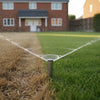
Drip irrigation technology has evolved from industrial agricultural use into a highly accessible tool for the domestic UK garden. While a standard lawn sprinkler can waste massive amounts of water through misting and runoff, a well-configured drip system is roughly 90% more efficient. It moves water slowly and steadily, allowing the ground to absorb every drop. To better understand how this setup functions in a real-world environment, watch this helpful video:
There's a clear distinction between a basic off-the-shelf kit and a professional-grade automatic drip irrigation system. High-quality setups utilize pressure-reducing valves and modular components that maintain consistent flow across the entire line. This means the plant at the very end of your garden receives the same amount of hydration as the one closest to the tap. By investing in professional drip irrigation systems, you're choosing a durable, long-term solution rather than a temporary fix.
The Core Benefits for UK Gardeners
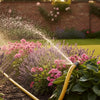
UK summers are becoming increasingly unpredictable, with record-breaking temperatures now a recurring challenge. During these dry spells, water evaporation can rob your plants of moisture before it even penetrates the soil. Drip systems solve this by delivering water beneath the foliage or mulch. This targeted hydration doesn't just save water; it actively prevents weed growth by leaving the surrounding soil dry. For those growing their own produce, consistent moisture levels are essential to prevent fruit splitting in tomatoes and plums, which often happens after a sudden heavy downpour or irregular manual watering.
Drip vs. Traditional Watering: A Comparison
Many people rely on a heavy weekend soak with a hosepipe, but this often leads to water runoff and stressed plants. A "little and often" schedule is far superior for plant health. By keeping the foliage dry, you also significantly reduce the risk of common fungal diseases like powdery mildew. Reliability is another key factor. Because these systems use garden irrigation water timers and pressure reducers, they are often exempt from regional hosepipe bans. This ensures your landscape remains lush and thriving even when local water restrictions are in place.
The Anatomy of an Automated System: How It Works
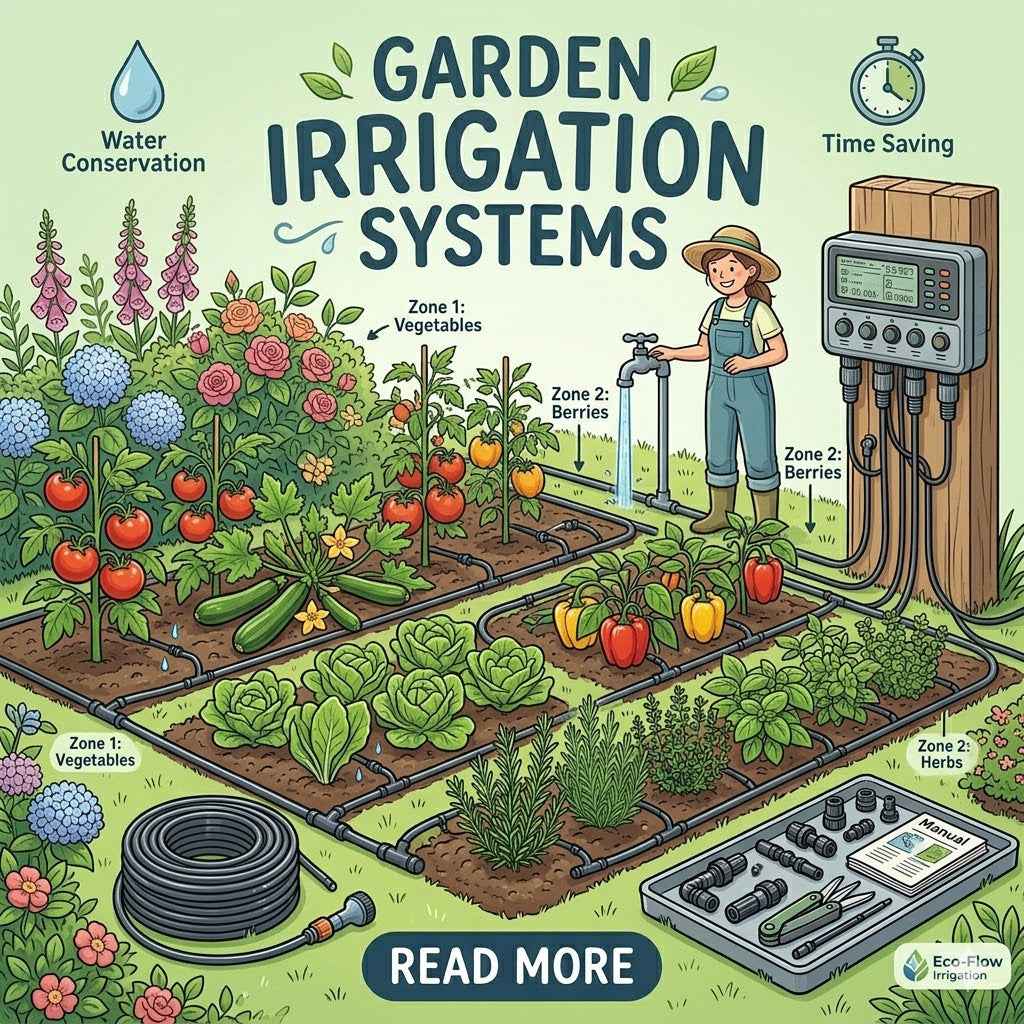
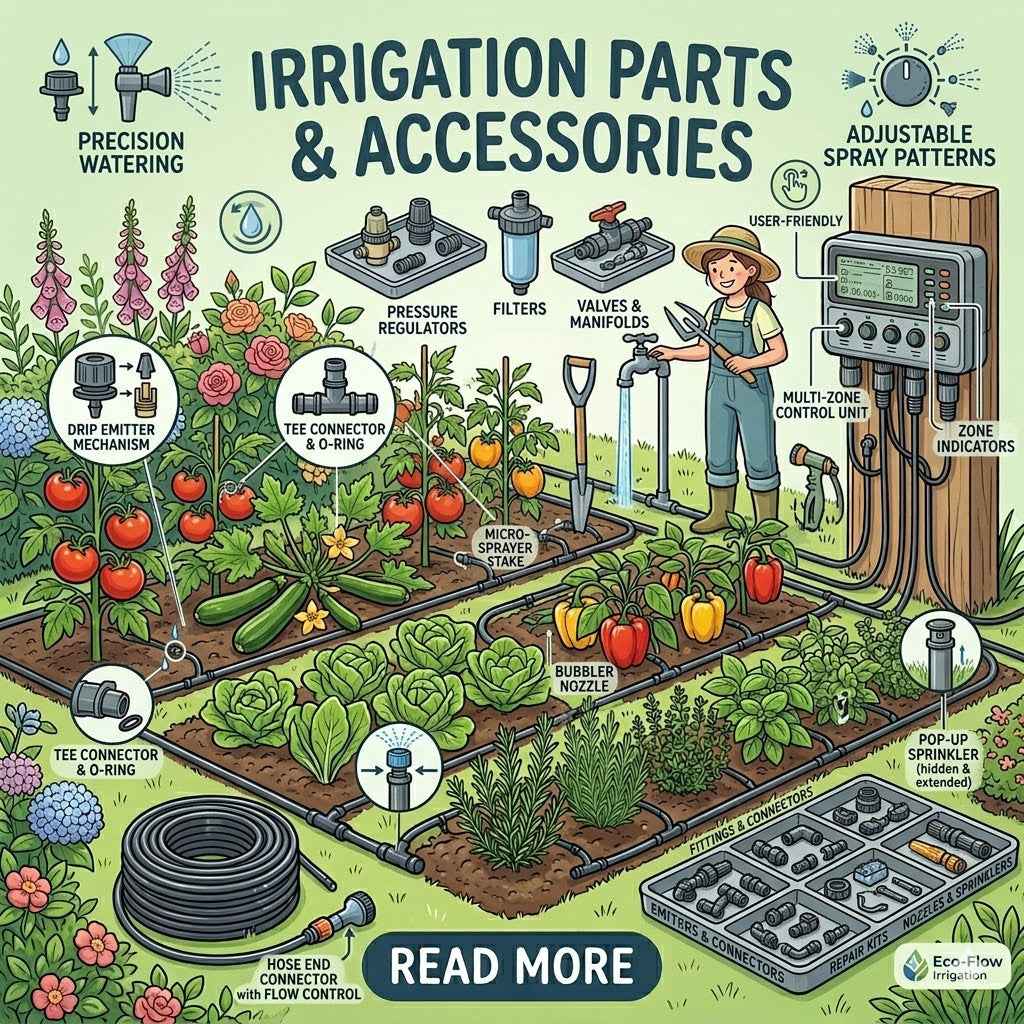
Setting up an automatic drip irrigation system is much like building a modular network where every component serves a specific purpose. Understanding these Drip Irrigation System Components ensures your garden receives the exact amount of water it needs without the risk of system failure. Each part must work in harmony to move water from your tap to the base of your plants efficiently.
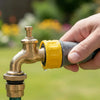
The "Brain" of your setup is the garden irrigation water timers. These devices attach directly to your outdoor tap and act as the primary controller. High-quality timers allow you to set multiple start times and durations, which is vital for maintaining consistent soil moisture during peak summer heat. By automating the schedule, you remove the risk of human error or forgetfulness.
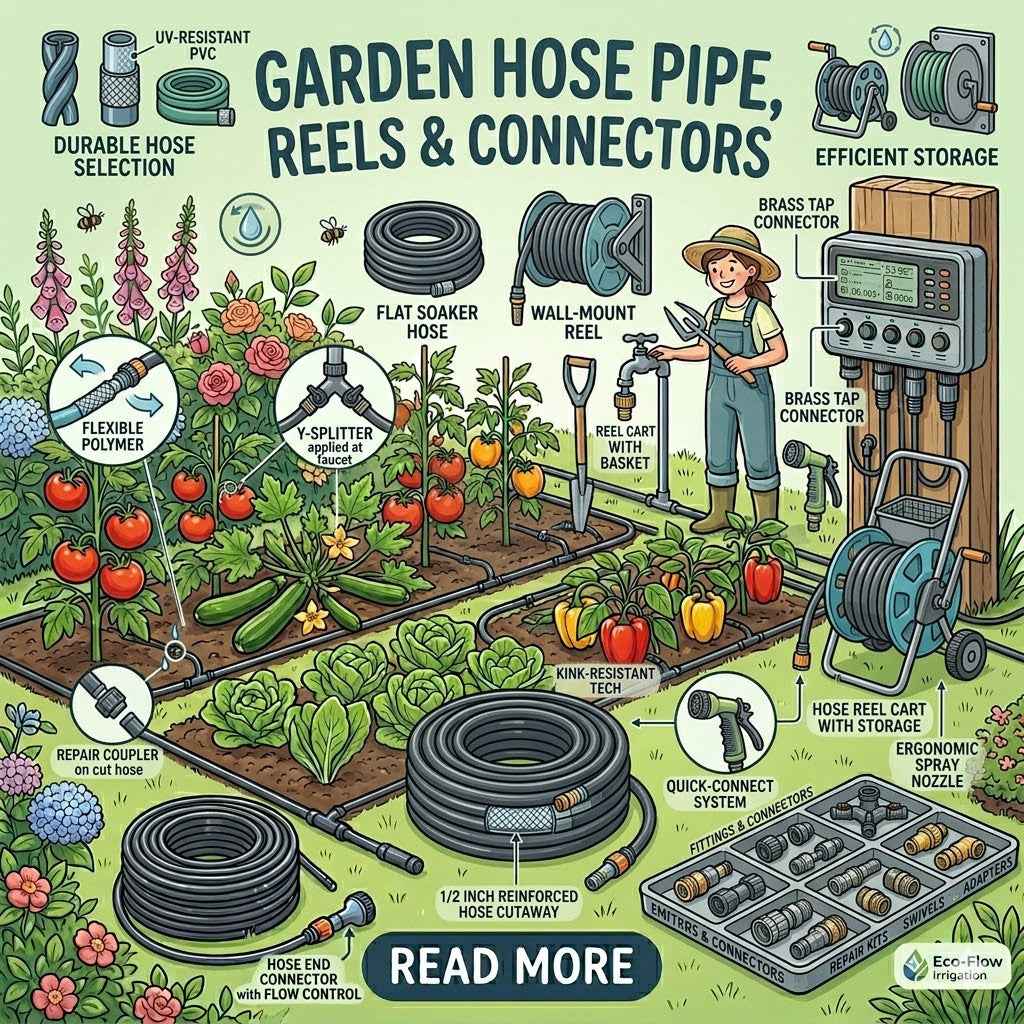
The "Veins" consist of two distinct types of piping. The main supply pipe, typically 13mm in diameter, carries the bulk of the water from the tap around your garden. Branching off this main line are 4mm micro-bore tubes that lead directly to individual pots or plants. This hierarchical structure is essential for maintaining even pressure across larger distances, ensuring the last plant on the line isn't left thirsty.
The "Heart" of the system is the emitters and drippers. These small components regulate the water flow, often providing a steady rate such as 2 or 4 litres per hour. Without these regulators, water would simply gush out of the tube ends, flooding your pots and wasting resources. Finally, the "Guard" includes the pressure reducer and filter. The filter stops grit from clogging tiny emitters, while the pressure reducer protects the entire system from the full force of your mains supply.
Understanding Water Pressure and Flow Rates
UK mains pressure is often much higher than what micro-irrigation fittings are built to handle. Excessive pressure can literally blow connectors apart, leading to significant leaks that might go unnoticed while you're away. Using irrigation fitting adaptors alongside a dedicated pressure reducer brings the flow down to a safe 1.5 bar. Before starting your installation, it's wise to calculate your capacity. A single 13mm line can usually support around 30 to 50 drippers, depending on the pipe length and the specific flow rate of your chosen emitters.
Smart Features: Sensors and App Control
In 2026, automation goes far beyond simple clock-based schedules. Modern systems now integrate rain sensors that automatically skip a watering cycle if the heavens have already opened. Soil moisture sensors provide even more precision by measuring the actual hydration levels in the ground. For those who want total control, Bluetooth and Wi-Fi timers allow you to adjust your garden's watering schedule from your phone while you're on holiday. If you're ready to build a more resilient garden, exploring our range of drip irrigation systems is the best way to find a configuration that fits your unique outdoor space.
Planning Your Automatic Plant Watering System Layout
Before you lay a single meter of pipe, you need a strategy. A successful automatic drip irrigation system relies on a logical layout that respects the different thirst levels of your plants. Start by sketching your garden. Identify where your high-demand plants are, such as tomatoes or seasonal bedding, and group them separately from established shrubs that prefer a lighter touch.
Effective planning involves three core steps:
- Identify Water Needs: Group plants by their daily or weekly requirements to avoid over-watering.
- Map the Route: Trace the path of your 13mm supply pipe from the tap to the furthest point in the garden.
- Locate Obstacles: Note where you'll need to pass under a path or navigate around a patio.
Zoning is the secret to a professional result. By creating zones, you can tailor the water delivery. For example, your vegetable patch might need daily watering, while your border shrubs only need a soak every few days. The most efficient way to handle this is the "Main Line" strategy. Run a 13mm supply pipe as a backbone through the center of your garden or along the perimeter. If you have a large garden, consider a loop layout where the pipe returns to the start. This creates a balanced circuit that maintains equal pressure at every emitter, preventing the tail-end drop-off common in budget setups.
Always plan for the future. It's much easier to add a T-junction now than to dig up your mulch later. Leave a few capped ends in your 13mm pipe so you can easily extend the automatic drip irrigation system when you add new pots or borders next spring.
Watering Pots, Hanging Baskets, and Window Boxes
Containers dry out faster than the ground. Use 4mm micro-tubing to reach hanging baskets and window boxes. This tubing is flexible and easy to hide against walls or behind foliage. Choosing the right drippers is crucial; adjustable ones allow you to fine-tune the flow for each pot size, ensuring a small basket doesn't get as much water as a large planter. For more visual inspiration, see our design ideas and plans.
Irrigating Borders and Vegetable Patches
In dense flower beds, spacing is key. Place emitters every 30cm to 50cm to ensure the root zones overlap. For vegetable rows, you might prefer a soaker hose, which weeps water along its entire length, though individual drippers remain better for widely spaced crops like pumpkins. To keep the garden looking tidy, tuck your pipework under a layer of bark mulch or decorative gravel. This doesn't just look better; it protects the plastic from UV damage and further reduces evaporation by keeping the moisture locked in the soil.
Installation and Maintenance: Ensuring 2026 Longevity
Once you have planned your layout, the physical assembly of your automatic drip irrigation system is a straightforward process. Taking the time to install the components correctly now will prevent leaks and ensure your garden remains hydrated for years to come. Follow these five steps for a professional-grade installation:
- Step 1: Connect the timer. Screw your water timer onto the outside tap. It's best to tighten this by hand to avoid stripping the threads. This device will act as the gatekeeper for your entire system.
- Step 2: Lay the pipework. Unroll your 13mm supply pipe along the route you mapped out. Use plastic ground pegs to secure the pipe every meter. From here, run your 4mm micro-tubing to reach individual pots or hanging baskets.
- Step 3: Install the drippers. Use a dedicated hole punch tool to pierce the 13mm pipe. Insert your emitters or micro-tube connectors firmly. Ensure the drippers are positioned at the root zone, where the plant can absorb moisture most effectively.
- Step 4: Program the schedule. Set your timer to run during the early morning (around 5:00 AM) or late evening (after 9:00 PM). This timing minimizes evaporation and ensures the water reaches the soil rather than disappearing into the air.
- Step 5: Test and adjust. Turn on the water and walk the entire length of the system. Look for any loose fittings and check that each dripper is releasing water at the expected rate.
To ensure you have the highest quality components for a reliable setup, you can shop our full range of drip irrigation systems here.
Essential Maintenance and Troubleshooting
Even the best systems require occasional checks to maintain peak performance. In many parts of the UK, hard water can lead to mineral buildup inside the emitters. If you notice a dripper has stopped flowing, a simple 24-hour soak in a vinegar solution usually dissolves the lime scale. You should also perform a quick visual check after mowing the lawn or performing heavy garden maintenance to ensure no pipes have been accidentally nicked or moved. For more detailed support, read our guide on troubleshooting Hozelock irrigation systems.
Winterising Your System for the UK Frost
UK winters present a specific challenge to outdoor plumbing. When water freezes, it expands, which can easily split plastic pipes and crack expensive water timers. Before the first frost hits in late autumn, you must remove the water timer and store it in a frost-free shed or garage. Open the ends of your supply pipes to allow any trapped water to drain out. This prevents the "ice-expansion" damage that often ruins systems over the winter. By following these simple storage steps, you can easily extend the life of your components to a 10-year lifespan, making your investment even more sustainable.
Choosing the Best Automatic Drip Irrigation Kit
Selecting the right hardware is the final step in securing a healthy future for your garden. In the UK, Hozelock has established itself as the gold standard for compatibility and ease of use. Their components are designed specifically for British outdoor taps and garden conditions, making them a reliable choice for anyone installing an automatic drip irrigation system for the first time. Because Hozelock parts are so widely supported, finding replacement filters or adding new extensions in the future is always simple.
When you compare Hozelock watering kits, consider the scale of your project. Small kits are ideal for a collection of 15 to 20 pots on a patio, while larger professional kits provide enough pipework and emitters to cover expansive borders and vegetable patches. If you require a system with Italian-engineered precision, Claber offers an excellent alternative. Claber systems are known for their high-performance timers and durable drippers, often chosen by gardeners who want a slightly more technical and robust setup. You can explore these options in our Claber drip irrigation collection.
Customising your setup is where a specialist retailer truly provides more value than a generic supermarket kit. While a "box-ready" system is a great starting point, most UK gardens don't fit into a standard template. Buying from a specialist allows you to add specific components, such as pressure-compensated drippers for gardens with varying elevations or extra-long supply lines for distant flower beds. This bespoke approach ensures every plant receives exactly what it needs without wasting water on empty patches of soil.
Off-the-Shelf Kits vs. Bespoke Systems
A pre-boxed kit is the perfect starting point if you have a straightforward layout, such as a single row of pots or a small greenhouse. These kits include the essential timer, pressure reducer, and a selection of drippers to get you started immediately. However, as your garden grows, you'll likely want to extend your reach. By using additional Hozelock connectors, you can easily branch off your main line to reach new areas. Expert advice is vital for more complex garden shapes, as we can help you calculate flow rates to ensure your automatic drip irrigation system maintains consistent pressure across every zone.
Why Buy from Garden Watering?
We aren't just a retailer; we're a dedicated partner in your garden's success. With 15 years of specialist experience in UK irrigation, we understand the specific challenges of our climate and water regulations. Our team provides the expert advice needed to ensure you get the right kit the first time, preventing the frustration of mismatched parts or inadequate flow. We offer full support for both Hozelock and Claber systems, standing by the quality of the products we sell. When you choose to work with us, you're gaining the quiet confidence that comes from deep, niche expertise.
Secure Your Garden's Future Today
Implementing a professional automatic drip irrigation system is the most effective way to ensure your landscape remains a lush sanctuary throughout the changing seasons. By combining smart zoning strategies with high-quality timers and emitters, you can protect your plants from heatwaves while significantly reducing your environmental footprint. You now have the knowledge to plan a layout that respects individual plant needs and the steps required to maintain your system for years to come.
At Garden Watering, we bring over 15 years of expert irrigation advice to every customer. We are dedicated specialists in Hozelock and Claber systems, providing comprehensive UK-based support to help you build a setup that lasts. Whether you're starting with a basic kit or designing a bespoke network for a complex garden, our team is here to guide you through every technical detail.
Browse our full range of Hozelock Automatic Watering Systems to find the perfect solution for your outdoor space. Reclaim your weekends and enjoy the peace of mind that comes with a truly self-sufficient garden.
Frequently Asked Questions
Can I leave my automatic drip irrigation system on while I am on holiday?
How much water does a drip irrigation system actually save?
You can save a significant amount of water as these systems are roughly 90% efficient. Traditional sprinklers lose vast amounts to evaporation and wind drift. Drip emitters deliver water directly to the soil surface or root zone. This precision ensures that every drop is utilized by the plant rather than watering the gaps between them or the underside of leaves.
Do I need a pump for my garden drip system?
You don't need a pump if you are connecting your system to a standard UK outdoor tap. The mains pressure is more than enough to power the lines. In fact, you'll actually need a pressure reducer to protect the fittings. A pump is only necessary if you are drawing water from a low-level tank or a water butt without sufficient gravity fall.
Can I connect a drip system to a water butt?
Yes, connecting to a water butt is a fantastic way to improve your garden's sustainability. You will need a specific zero-pressure timer or a solar-powered pump kit designed for gravity-fed systems. Standard tap timers often require a minimum pressure to open the internal valve. Checking the specifications of your controller is essential before you start your installation.
How long should I set my irrigation timer to run for each day?
Most gardens thrive with a 15 to 30-minute cycle run once a day in the early morning. This allows the water to soak deep into the roots before the sun gets too hot. During extreme heatwaves, you might add a second shorter cycle in the late evening. Always check your soil moisture levels to ensure you aren't over-watering your specific plant varieties.
Is it difficult to install a drip irrigation system myself?
Installing these systems is a very manageable DIY project for most gardeners. The components are modular and click together easily without the need for specialist tools. If you can use a pair of scissors and follow a basic layout plan, you can set up a professional-looking system in a single afternoon. It's designed to be accessible and straightforward for everyone.
What happens to the system during a hosepipe ban?
Drip irrigation systems are frequently exempt from temporary hosepipe bans in the UK. This is because they are considered highly efficient and use a fraction of the water a traditional hose or sprinkler would. However, restrictions can vary by water company. You should check your local provider's website to ensure your setup includes the required timer and pressure-reducing valve for compliance.
How do I stop my drippers from getting blocked by limescale?
Preventing blockages is simple with regular maintenance and the use of an inline filter. If you live in a hard water area, mineral deposits can eventually narrow the emitters. Soaking the affected drippers in a bowl of white vinegar for 24 hours will dissolve the scale. Using a filter at the start of your line also stops grit from entering the small micro-bore tubes.
`-
Posted in
automatic drip irrigation system, Claber, DIY Gardening, Drip Irrigation, Garden Watering, Hosepipe Ban, Hozelock, UK Gardening, Water Conservation


What are you’re views of bluetooth/internet connected hub timers that you can turn on via your phone ? Hozelock seems to have disconnected theirs, which is the best of the rest still available please