The Ultimate Guide to Choosing the Best Garden Hose for Your British Garden
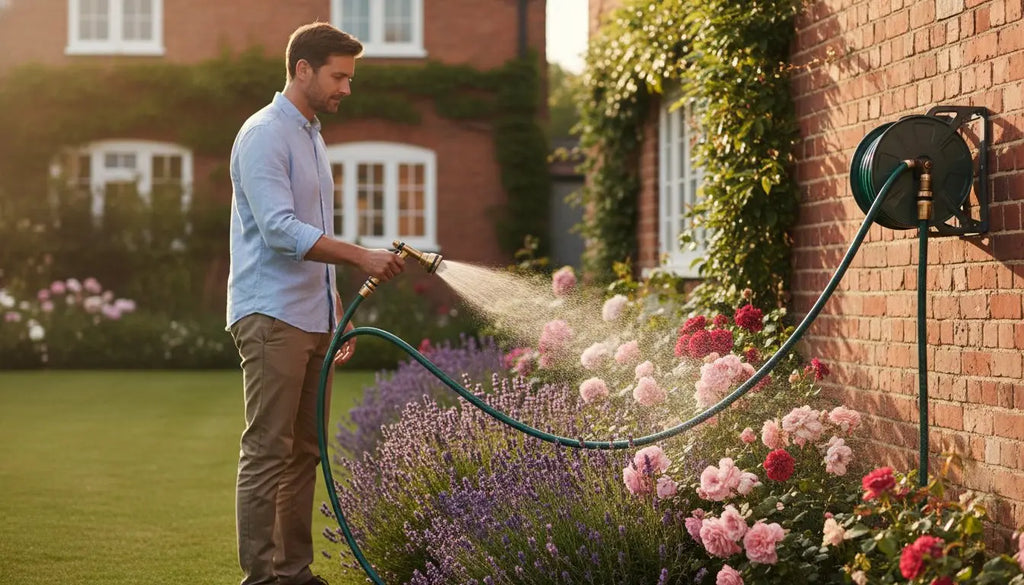
Last Sunday, David discovered his standard PVC pipe had finally cracked after its third British winter, leaving his flowerbeds dry and his patio flooded. If you've ever wrestled with a garden hose that kinks every three metres or a connector that pops off the moment you increase the pressure, you're certainly not alone. It's exhausting when a simple task like watering the lawn becomes a frustrating battle against tangled plastic and leaking fittings. You deserve a setup that works with you, not against you.
As specialists with over 15 years of experience in irrigation, we know that the right equipment is the foundation of a healthy landscape. Discover how to select, maintain, and integrate the perfect garden hose to create a high-performance irrigation system that remains leak-free for years. We'll explore which materials survive a -10°C frost, how to achieve 100% compatibility with automatic timers, and why investing in professional-grade gear is the only way to ensure a tangle-free watering experience every single season.
Key Takeaways
- Understand why multi-layered construction is essential for a high-performance garden hose that resists kinking and withstands high water pressure.
- Identify the most efficient hose types for your space, from space-saving expandable designs for balconies to heavy-duty reinforced pipes for larger lawns.
- Discover how to select the right connectors and storage solutions to create a streamlined, leak-free irrigation system tailored to your garden.
- Implement professional maintenance habits, such as proper winterisation and UV protection, to ensure your equipment remains in top condition for a decade or more.
What is a Quality Garden Hose and Why Does Construction Matter?
Most gardeners view a garden hose as a simple plastic tube designed to move water from a tap to a flowerbed. In reality, a high-quality hose functions as a sophisticated, multi-layered pressure vessel. It's engineered to withstand constant internal force while remaining flexible enough to navigate around garden furniture and sharp corners. Understanding garden hose construction and materials is essential because the internal architecture dictates how the pipe behaves under the 4 bar of pressure typical of UK mains water.
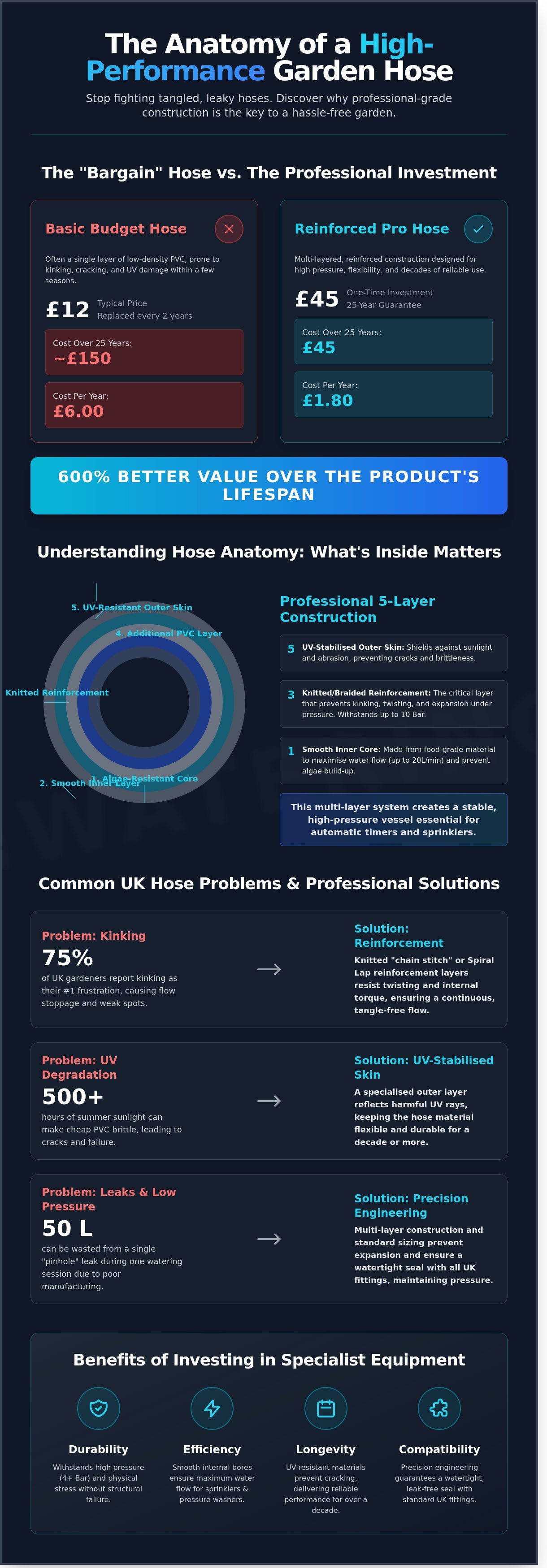
The gap between a budget hose and a professional-grade reinforced pipe is vast. A basic hose often consists of a single layer of low-density PVC that expands like a balloon when the nozzle is closed. In contrast, professional options utilise up to five distinct layers. These include a smooth inner core to maximise water flow, a knitted or braided reinforcement layer to prevent twisting, and a UV-stabilised outer skin. At Garden Watering, we see a recurring "false economy" where homeowners spend £12 on a "bargain" hose every two years. Investing £45 in a reinforced pipe with a 25-year guarantee costs just £1.80 per year, representing a 600% better value over the product's lifespan.
Your hose acts as the primary artery for your entire irrigation setup. If you plan to use automatic timers, drip lines, or pop-up sprinklers, the hose is the foundation of that system. A cheap pipe will often expand and contract under pressure, causing connectors to pop off or leak while you're away. Reliability starts at the tap; without a stable, high-quality conduit, even the most expensive computerised timer cannot do its job effectively.
Common Hose Pipe Problems in the UK
Kinking remains the primary frustration for 75% of UK gardeners. Cheap hoses collapse when pulled around a corner, which cuts off water flow and creates permanent weak spots in the plastic. UV degradation is another silent killer of garden equipment. Even in the UK's temperate climate, 500 hours of direct summer sunlight can make unshielded PVC brittle, leading to "pinhole" leaks that waste up to 50 litres of water during a single watering session. Finally, poor manufacturing tolerances often result in non-standard diameters, meaning your "universal" connectors will drip or spray water back at the tap.
The Benefits of Investing in Specialist Equipment
Specialist hoses provide the consistent 20-litre-per-minute flow rate required for modern pressure washers and oscillating sprinklers to function at peak performance. They feature ergonomic "soft-touch" textures that make the pipe 30% easier to grip and coil back onto a reel, even when your hands are wet. We specialise in leading brands because they offer long-term warranties that provide genuine peace of mind. Choosing a specialist product ensures your equipment won't end up in a landfill after a single season of hard use, making it a more environmentally friendly choice for your garden.
- Durability: Multi-layered construction prevents structural failure under high pressure.
- Efficiency: Smooth internal bores ensure maximum flow for sprinklers.
- Longevity: UV-resistant materials prevent the plastic from cracking after summer exposure.
- Compatibility: Precision engineering ensures a watertight seal with standard UK fittings.
Understanding Hose Anatomy: Layers, Materials, and Kink Resistance
A high-quality garden hose is a sophisticated piece of engineering designed to withstand fluctuating water pressures and harsh UV exposure. Most standard hoses consist of a multi-layer system. A basic three-layer hose features an inner core, a reinforcement layer, and an outer protective skin. Premium models often incorporate five separate layers to enhance durability. The inner core must be made from food-grade, smooth materials to ensure maximum flow and prevent algae growth. The outer skin serves as a shield against abrasion and sunlight, which can cause cheaper PVC to become brittle within 24 months of use.
Reinforcement is the defining factor in a hose's lifespan. You'll typically choose between braided and knitted structures. Braided reinforcement uses an overlapping mesh that provides basic strength but can still allow the hose to twist. Knitted reinforcement, often seen in professional-grade products like Hozelock's Tricoflex range, uses a "chain stitch" pattern. This specific geometry allows the hose to remain flexible while resisting the internal torque that leads to tangles. Spiral Lap technology takes this further by wrapping the reinforcement layers at a 54-degree angle. This precise measurement balances the longitudinal and radial forces, ensuring the hose doesn't expand like a balloon or contract under 10 Bar of pressure.
Environmental safety is a growing priority for British gardeners. Many older hose designs contained phthalates and heavy metals like lead or cadmium to keep the plastic soft. Modern, eco-conscious options are now 100% phthalate-free. This is vital if you're watering a vegetable patch, as it prevents chemical leaching into your soil. Choosing a hose with these specifications ensures your garden remains a healthy environment for your family and local wildlife.
Decoding Technical Specifications
Understanding the numbers on the packaging helps you avoid costly mistakes. Most domestic outdoor taps in the UK provide a pressure of 2 to 4 Bar, so a garden hose with a 20 Bar or 25 Bar burst pressure offers a safe buffer. Commercial users or those using high-pressure booster pumps should look for ratings of 40 Bar or higher. The standard UK diameter is 12.5mm (1/2 inch), which fits 95% of standard tap connectors and accessories. While 19mm hoses exist, they're 40% heavier when filled with water and are usually unnecessary for gardens under 100 square metres. Temperature ratings are equally critical. A hose rated for -20°C to +60°C won't crack during a hard frost. Following expert garden hose maintenance tips ensures your investment survives these temperature extremes year after year.
Anti-Kink Technologies Explained
Kinking is the primary cause of hose failure, often leading to permanent weak spots or splits. Anti-kink technology works by distributing pressure evenly across the hose wall. Knitted structures are superior here because they don't have a "memory" of being coiled, allowing the hose to pull straight every time. The "feel" of the material is a good indicator of quality; a hose that feels slightly rubbery is generally more resilient than one that feels like rigid plastic. Weight is another practical consideration. A 30-metre premium hose typically weighs around 4.5kg. For elderly users or those with very large gardens, lightweight "Ultraflex" materials provide the necessary strength without the physical strain. You can find a wide range of these professional-grade irrigation solutions designed to make your gardening tasks more efficient and enjoyable.
Selecting the Right Hose for Your Garden Size and Layout
Choosing a garden hose isn't a one-size-fits-all task. Your choice depends entirely on the geography of your outdoor space and what you intend to grow. We've spent over 15 years helping UK gardeners find the perfect irrigation setups, and we know that a hose that works for a city balcony will fail miserably on a half-acre estate. You need a tool that reaches every corner without becoming a heavy, tangled burden.
For small urban gardens or balconies, space is your biggest constraint. Expandable hoses and spiral "coil" hoses have become incredibly popular here because they shrink to a fraction of their size when the water is turned off. A 15-metre coil hose might only take up the space of a large flower pot when stored. These options are perfect for light watering of pots and hanging baskets where you don't want a permanent reel taking up floor space.
Medium-sized lawns require a more robust balance between reach and performance. If you're managing a typical suburban garden, a 15 to 30-metre garden hose is usually the sweet spot. At this length, you can move freely without losing too much water pressure. For larger estates, heavy-duty reinforced hoses are a necessity rather than a luxury. When you're pulling a hose 50 metres across a paddock or orchard, the weight and friction against the ground can cause standard PVC to kink or tear. High-quality rubber or multi-layered reinforced options can withstand this daily wear.
Specialist tasks require specialist tools. If you have established flower beds or vegetable patches, you might find that a standard nozzle isn't the most efficient choice. Soaker hoses and drip lines are "set and forget" solutions. These hoses feature porous walls that weep water directly into the soil at a rate of approximately 2 to 4 litres per hour. This reduces evaporation and ensures your plants thrive by getting moisture exactly where they need it: the roots.
Standard vs. Expandable vs. Reinforced
Expandable hoses are excellent for those with limited storage, but you must be careful with durability. Cheaper versions often suffer from internal latex tears after just 12 months of use. For a more reliable all-rounder, choose reinforced PVC. These typically feature 3 to 5 layers of material, including a braided mesh that prevents twisting. According to this comprehensive garden hose review, the construction material significantly impacts how well a hose resists kinking under pressure. We specialise exclusively in high-quality brands like Hozelock because their reinforced designs offer the longevity that serious gardeners expect.
Calculating the Length You Actually Need
Measure the distance from your outdoor tap to the furthest corner of your garden using a tape measure or a long piece of string. Don't guess this figure. Once you have the measurement, always add a 10% "slack" buffer. If your garden is 20 metres long, buy a 22-metre hose. This extra length prevents you from tugging at the tap connector, which is the most common cause of leaks and hardware failure. You should also consider that water pressure drops over distance. A 50-metre garden hose can experience a pressure loss of about 0.5 bar compared to a 15-metre version, which may affect the performance of your sprinklers.
Connecting Your System: Reels, Fittings, and Automatic Timers
Choosing a high-quality garden hose is only the first part of building an effective watering system. To get the most out of your investment, you need a reliable way to connect it to your water source and store it safely. A poorly configured setup leads to frustrating leaks and wasted water. By following a logical connection process, you'll ensure your system remains efficient and easy to use for years to come.
- Step 1: Start at the tap. Most UK outdoor taps use a 3/4 inch (26.5mm) or 1/2 inch (21mm) thread. Selecting the correct hose pipe connector for your specific tap size is vital for a watertight seal.
- Step 2: Decide on your storage method. You can choose between budget-friendly manual reels, convenient auto-rewind units, or fixed wall-mounted storage to keep your garden tidy.
- Step 3: Automate your schedule. Integrating garden irrigation water timers allows for hands-free maintenance, ensuring your plants receive water even when you're away.
- Step 4: Select your end-tools. From multi-pattern spray guns for general tasks to long-reach lances for hanging baskets, the right attachment makes all the difference.
The Importance of Leak-Free Fittings
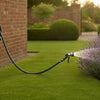
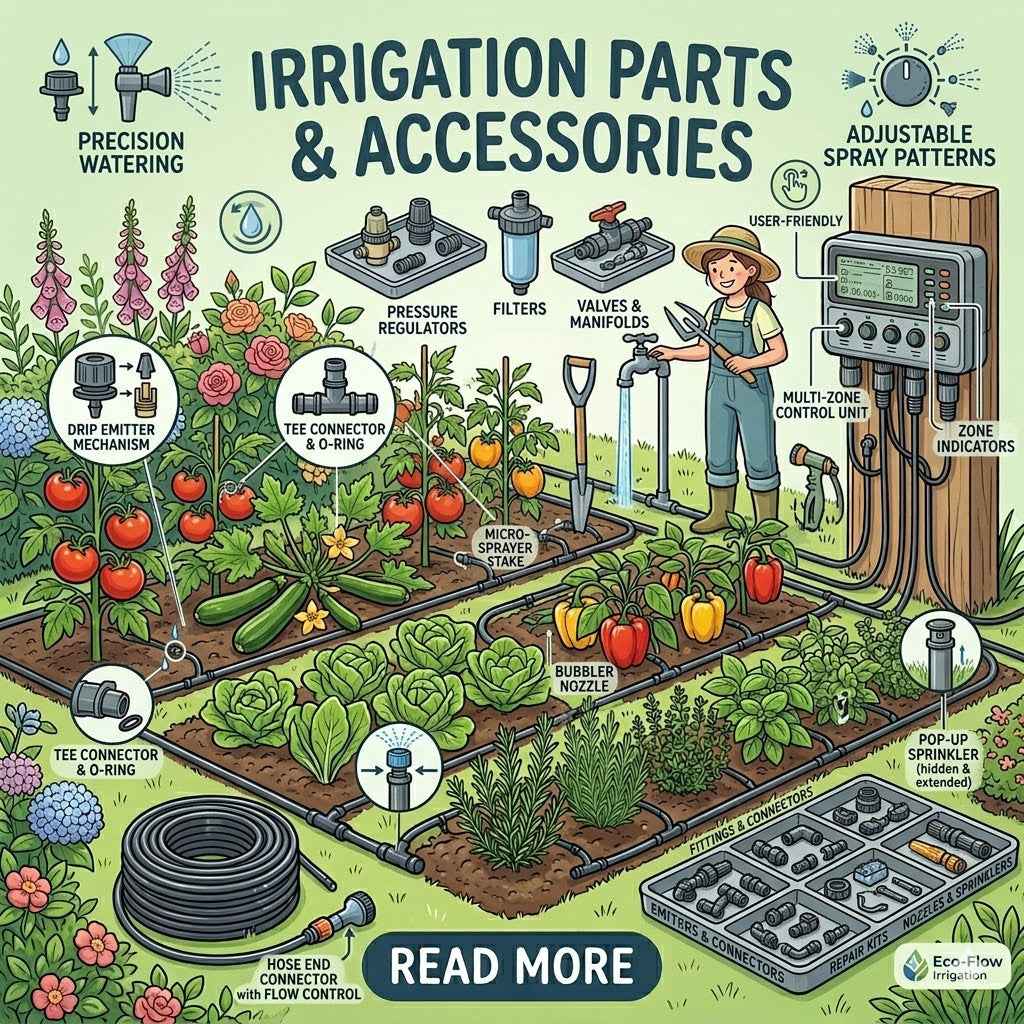
Quick Connect systems changed the way we water when they were first introduced by Hozelock in 1959. These fittings allow you to swap between sprinklers and spray guns in seconds with a simple click. If you find a coupling is dripping, it's usually due to a perished rubber O-ring or a loose internal compression nut. For more complex garden layouts where you might be mixing different pipe diameters, using irrigation fitting adaptors helps you maintain consistent water pressure without the need for messy, temporary fixes. We've found that using high-quality plastic or brass connectors can reduce water wastage by up to 15% compared to cheaper, generic alternatives.
Organising Your Watering with Reels
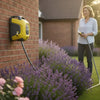
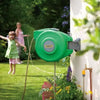
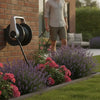
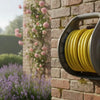
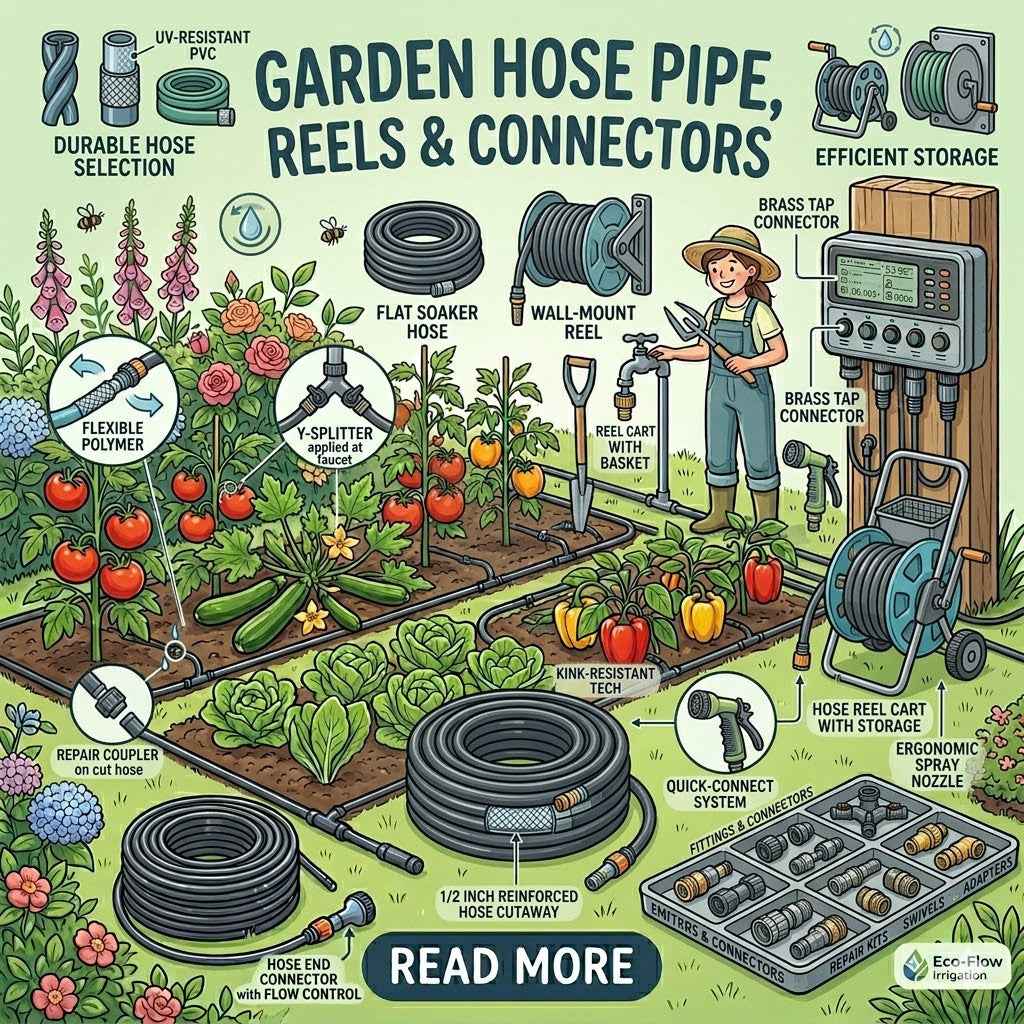
Storage isn't just about aesthetics; it's about protecting your garden hose from the elements. Manual reels are a practical, budget-friendly choice for smaller spaces, often costing under £30. However, auto-reel technology offers significantly better protection. These enclosed units use a spring-loaded mechanism to retract the hose evenly, which prevents internal kinking and shields the material from harmful UV light. If you have a large garden over 150 square metres, a portable hose cart provides the mobility you need. For smaller, urban courtyards, a fixed wall-mounted unit with a 180-degree pivot allows you to reach every corner without the hose snagging on garden furniture or pots.
Automation is the final step in a professional setup. Modern digital timers can be programmed to water at 5 am, which is the optimal time for plant absorption. This timing reduces evaporation and can save up to 50% more water than manual watering during the heat of the day. With over 15 years of experience in irrigation, we've seen how these systems transform gardens while giving homeowners back their free time. Whether you're managing a delicate vegetable patch or a sprawling lawn, a timed system ensures your garden remains lush and healthy with minimal effort.
Professional Maintenance: How to Make Your Hose Last a Decade
Investing in a high-quality garden hose is only the first step; keeping it in peak condition requires a proactive approach. Most hoses fail prematurely due to neglect rather than manufacturing defects. By following a few specialist maintenance routines, you can easily extend the life of your equipment to 10 years or more. It's about working with the material, not against it.
The golden rule of hose longevity is simple: keep it out of direct sunlight when you aren't using it. UV radiation is the primary enemy of flexible plastics. It breaks down the outer layers of PVC and rubber, leading to sun-bleaching and brittle walls that eventually crack under pressure. Storing your hose on a covered reel or in a shaded garden box prevents this structural decay and keeps the material supple.
Winterising your system is equally vital. When temperatures drop below 0°C, any residual water inside the pipe will freeze and expand by approximately 9%. This expansion creates internal micro-tears in the reinforcement braiding. Always disconnect your hose from the tap in November and drain it completely. You can do this by running the length of the hose through your hands or using a reel to force the water out before storing it in a shed or garage.
If you accidentally puncture your garden hose with a garden fork, don't throw it away. You can restore a damaged pipe for less than £5 using a simple hose repair connector. Simply cut out the damaged section with a sharp pair of secateurs and join the two clean ends back together. It's a two-minute job that saves you the £30 to £60 cost of a full replacement and reduces plastic waste.
Hozelock remains the UK's favourite brand for long-term reliability because they design their products specifically for the British climate. Their multi-layered knitted technology resists kinking and crushing, ensuring the internal structure stays intact even after years of heavy use. We specialise exclusively in Hozelock equipment because we know it stands the test of time in real-world garden conditions.
Seasonal Care Checklist
- Spring: Inspect your connectors and seals. Rubber O-rings often perish or flatten over winter; replacing a 50p seal prevents annoying leaks and maintains water pressure.
- Summer: Avoid high-pressure shock. In 30°C heat, water inside a hose can reach high temperatures, softening the material. Always turn the tap off at the source rather than leaving the hose pressurised against a closed spray gun.
- Autumn: Clear away mud and debris before storage. Winding a dirty hose onto a reel can trap grit that abrades the surface over time.
Upgrading to a Complete Irrigation Solution
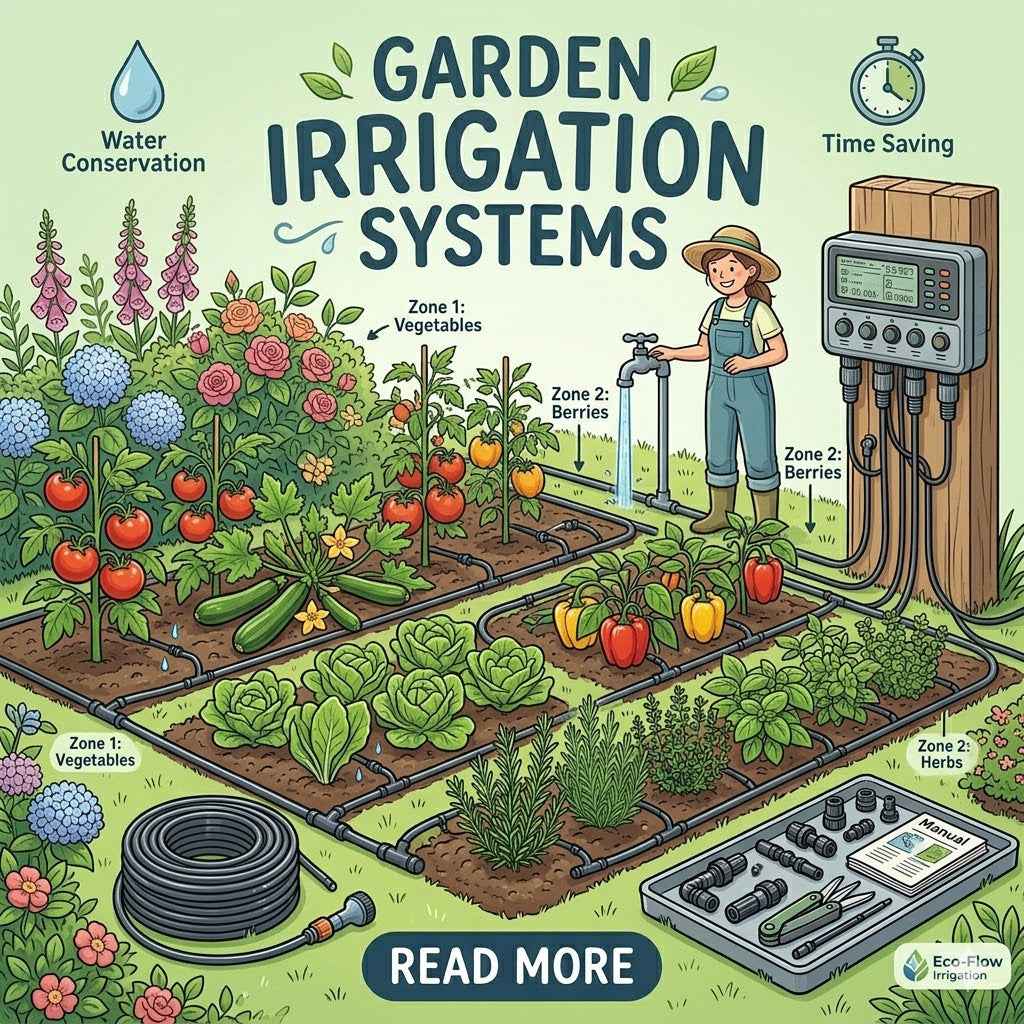
Manual watering is a great start, but many gardeners eventually transition to more efficient methods to save time. Moving from a manual hose to Hozelock automatic watering kits allows you to deliver precise amounts of water to your pots and borders without lifting a finger. These kits work most effectively when paired with a high-quality lead-in hose that can withstand constant pressure without bulging.
A durable hose serves as the vital backbone for a Hozelock automatic watering system. It ensures a steady, reliable flow of water from your outdoor tap to your timers and drippers. Our final expert tip: always prioritise quality over the lowest price for the primary components of your garden. A cheap hose will kink and leak within two seasons, while a premium Hozelock model provides the dependable foundation your garden needs to thrive for years to come.
Invest in a Garden Hose That Lasts for Seasons to Come
Choosing the right garden hose means looking beyond the price tag to understand the layers of PVC and braided reinforcement that prevent frustrating kinks. A quality system must match your garden's specific dimensions while using automatic timers to save water. We've seen how professional maintenance and the right reels can extend the life of your equipment for over 10 years.
At Garden Watering, we bring over 15 years of specialist irrigation experience to help you make the right choice. We're exclusive Hozelock experts; we focus on high-quality solutions that ensure your plants thrive with minimal effort. Our UK-based team provides the expert advice you can trust to get your irrigation right the first time. Don't settle for a system that leaks or tangles when expert help is just a click away.
Explore our expert-selected range of Hozelock Garden Hoses and Reels and enjoy a lush, healthy garden all year round.
Frequently Asked Questions
Which garden hose is best for high water pressure?
Reinforced multi-layer PVC or heavy-duty rubber hoses are the most reliable choices for high-pressure systems. Look for a garden hose with a burst pressure rating of at least 30 bar to ensure it handles surges without bulging. We specialise exclusively in Hozelock’s Tuffhoze and Ultimate ranges, which use high-tenacity textile reinforcement to maintain structural integrity under 40 bar of pressure. These professional-grade solutions provide the expert irrigation advice you can trust for demanding tasks.
Will a 12.5mm hose fit my existing Hozelock connectors?
Yes, a 12.5mm hose is the standard 1/2 inch diameter used across 95% of UK domestic garden fittings. This size is fully compatible with standard Hozelock, Claber, and Gardena quick-connect systems. You can simply push the hose into your existing 12.5mm hose end connector and tighten the nut for a secure, leak-free fit. It’s an efficient way to ensure your garden thrives without needing to replace all your current hardware.
How do I stop my garden hose from kinking?
Investing in a hose with a knitted or braided reinforcement layer, such as Hozelock’s Anti-Kink technology, prevents the internal structure from collapsing. Storing your garden hose on a dedicated reel or cart also reduces the risk of permanent loops forming. Over 80% of kinking issues occur because the hose is pulled too tight around corners or stored in tangled heaps on the ground. Proper storage ensures your equipment remains dependable for years.
Are expandable hoses better than traditional rubber hoses?
Expandable hoses are better for small patios or balconies where storage space is 100% of the priority. However, traditional rubber or reinforced PVC hoses offer 3 times the lifespan of fabric-covered expandable models. While an expandable garden hose is lightweight, a high-quality rubber hose handles rough surfaces and higher water pressures without the risk of the inner latex core tearing. We recommend traditional hoses for larger gardens that require frequent, heavy-duty use.
What is the difference between a soaker hose and a drip line?
A soaker hose is a porous pipe that sweats water along its entire length, making it ideal for dense flower beds. In contrast, a drip line uses specific pressure-compensated emitters spaced every 30cm to deliver precise amounts of water to individual plants. Drip lines are 90% more water-efficient than traditional methods because they target the root zone directly and reduce evaporation losses. Both are excellent solutions for maintaining a lush and healthy garden with minimal effort.
Can I leave my garden hose outside during a UK winter?
You should drain and store your hose indoors when temperatures drop below 0°C to prevent internal ice expansion. Although many high-quality hoses are rated for -20°C, trapped water that freezes will expand by 9% in volume, potentially splitting the inner lining. We recommend removing all attachments and storing the coiled hose in a shed or garage between November and March. Taking these small steps protects your investment from the harsh British winter weather.
How long should a good quality garden hose last?
A high-quality garden hose from a reputable brand like Hozelock should last between 15 and 30 years with proper care. Most premium hoses come with a 20-year or 30-year guarantee to reflect their durability against UV rays and physical wear. Cheaper, single-layer hoses often fail within 2 seasons, so spending an extra £15 upfront usually saves you money over a decade. We're your trusted irrigation partner, focusing on quality products that stand the test of time.
Why is my hose pipe leaking at the tap connection?
The most common cause is a perished or missing rubber O-ring inside the female hose connector, which costs less than £1 to replace. Check that the tap connector is screwed tightly onto the thread and that the hose is pushed fully into the internal grippers of the connector. If the leak persists, the plastic teeth inside your connector might have snapped after 3 or 4 years of use. Replacing the connector with a high-quality metal version often provides a more permanent, leak-free solution.
`-
Posted in
garden hose