Common Garden Watering Mistakes: The 2026 Checklist for a Thriving UK Garden
Why are your plants still wilting even though you spend every evening standing on the lawn with a hosepipe? It's a common frustration for many UK gardeners who find that their dedicated effort isn't resulting in the lush, green sanctuary they expected. With average household water bills rising to £639 this year and the potential for £1,000 fines during regional hosepipe bans, the cost of getting it wrong is higher than ever. Most of these struggles are caused by common garden watering mistakes that inadvertently stress your plants and waste precious resources.
We understand the challenge of balancing a thriving landscape with the demands of unpredictable weather and rising utility costs. This article promises to help you identify these hidden errors and fix them using expert advice and smart irrigation solutions. You'll learn how to achieve a professional-grade garden with less effort by using tools like Hozelock automatic watering systems and precision drip irrigation kits. We'll preview the essential 2026 checklist to ensure your garden remains resilient, efficient, and beautiful all year round.
Key Takeaways
- Learn why watering at dawn is the most efficient way to prevent up to 40% evaporation loss and keep your plants hydrated.
- Discover how to identify and fix common garden watering mistakes like the "umbrella effect" that leaves roots dry despite heavy rainfall.
- Understand the technical differences between water pressure and flow rate to ensure your sprinkler system reaches every corner of your lawn.
- Protect your plants from slugs and fungal diseases by switching from overhead watering to precise root-level delivery.
- Find out how automatic Hozelock systems and drip irrigation kits remove the stress of manual chores and protect your garden during holidays.
Timing and Volume: Are You Watering at the Wrong Hour?
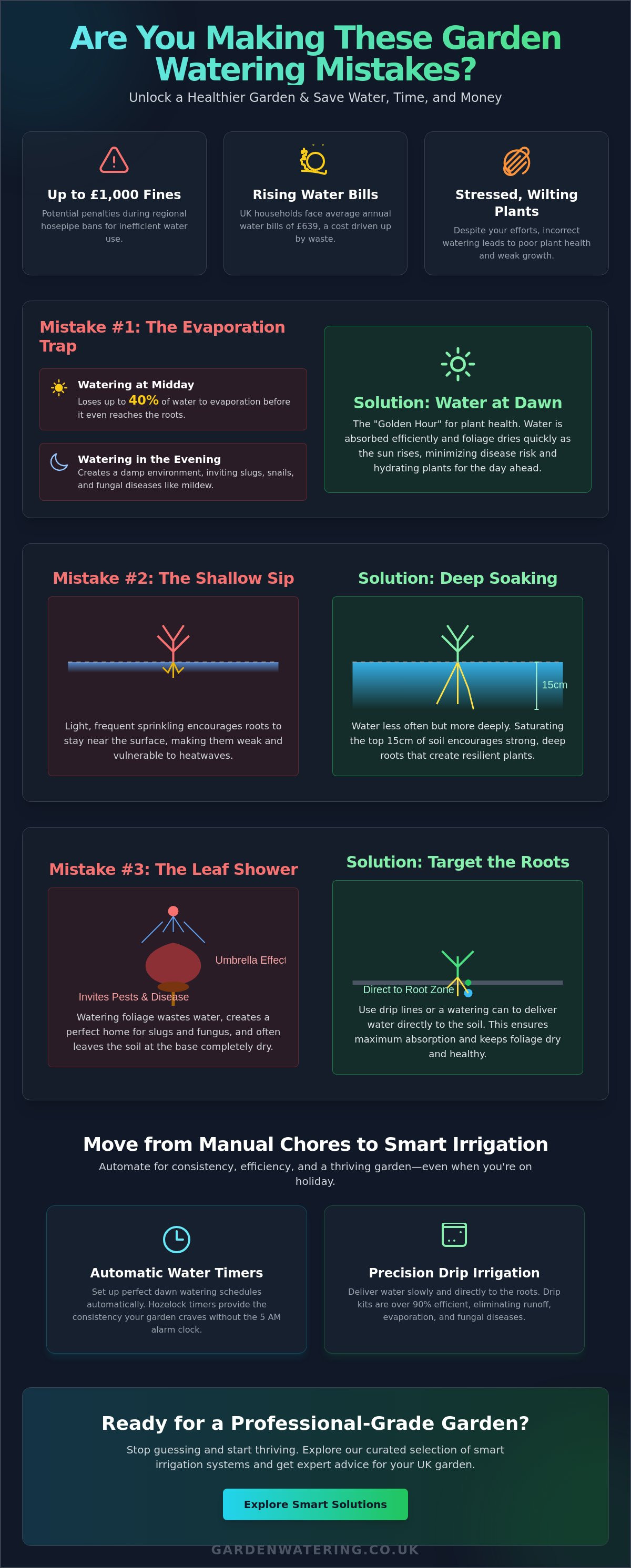
Watering your garden isn't just about the volume of liquid you provide; it's about the timing. Many gardeners fall into the evaporation trap by watering during the heat of the day. When you apply water at midday, you can lose up to 40% of that moisture to the air before it ever reaches the root zone. This inefficiency is one of the most common garden watering mistakes, leading to higher bills and thirsty plants despite your hard work.
While evening watering might seem like a logical alternative, it often creates a damp environment that lasts all night. This stagnant moisture invites slugs, snails, and fungal pathogens to thrive. To better understand why your plants might be struggling even with regular attention, watch this helpful video:
Before reaching for the hose, you must accurately assess the soil's needs. Don't rely on how the surface looks, as dry topsoil often hides moisture underneath. Use the "finger test" by inserting your index finger into the soil up to the second knuckle. If it feels dry at the tip, it's time to water. For a more precise look, use a small trowel to peel back a few centimetres of soil. This ensures you aren't adding water to a root system that's already saturated.
The Dawn Advantage
Dawn is the "Golden Hour" for UK plant health. Watering in the early morning allows any moisture on the foliage to dry quickly as the sun rises, which significantly reduces the risk of fungal diseases like powdery mildew. It ensures the plant is fully hydrated before the day's heat begins. Since waking up at 5:00 AM isn't always practical, many successful gardeners use Hozelock water timers to schedule these sessions automatically. This technology provides the consistency your landscape needs without disrupting your sleep.
Deep Watering vs. Surface Sprinkling
The "little and often" approach is a frequent error that encourages root laziness. When you only wet the surface, roots stay near the top of the soil to find moisture, making them vulnerable to heatwaves. Deep watering is the process of saturating the root zone rather than just wetting the surface. By aiming to dampen the top 15cm of soil, you encourage roots to grow deeper, creating a more resilient plant. Understanding various irrigation methods will help you move away from shallow sprinkling toward a system that supports long-term growth and stability.
Technique Errors: Watering the Leaves, Not the Roots
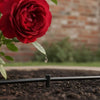
Standing over a flower bed with a spray gun feels productive. If you are aiming at the leaves rather than the soil, you are missing the target. This is one of the most frequent common garden watering mistakes made by UK homeowners. Most plants absorb water through their root systems, not their foliage. When you soak the leaves, you aren't just wasting water; you are creating a perfect environment for pests and diseases. Wet foliage is an open invitation for slugs and snails to congregate. It also encourages fungal issues like black spot on roses and blight on tomatoes.
Many gardeners assume a heavy downpour or a quick blast with a hose has done the job. However, dense foliage often creates a physical barrier. This "umbrella effect" means the soil directly around the stem remains dusty and dry while the leaves are dripping wet. For larger trees and shrubs, the feeder roots are located at the edge of the leaf canopy. By following proper watering techniques, you should target this "drip line" to ensure the most active roots can actually reach the moisture. Precision delivery is the only way to guarantee your plants are truly hydrated.
The Problem with Overhead Sprinkling
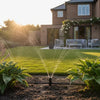
Sprinklers are excellent for lawns because they cover wide areas evenly. Using them in a mixed border or vegetable patch is often counterproductive. High-set sprinklers are prone to wind drift, which blows fine mist onto your garden path instead of your plants. This leads to significant evaporation loss before the water even hits the ground. You might also find "dry spots" hidden under large-leaved plants like hostas or pumpkins. These areas stay dry even after an hour of sprinkling because the leaves act as a shield, diverting water away from the root zone.
Drip Irrigation: The Expert Fix
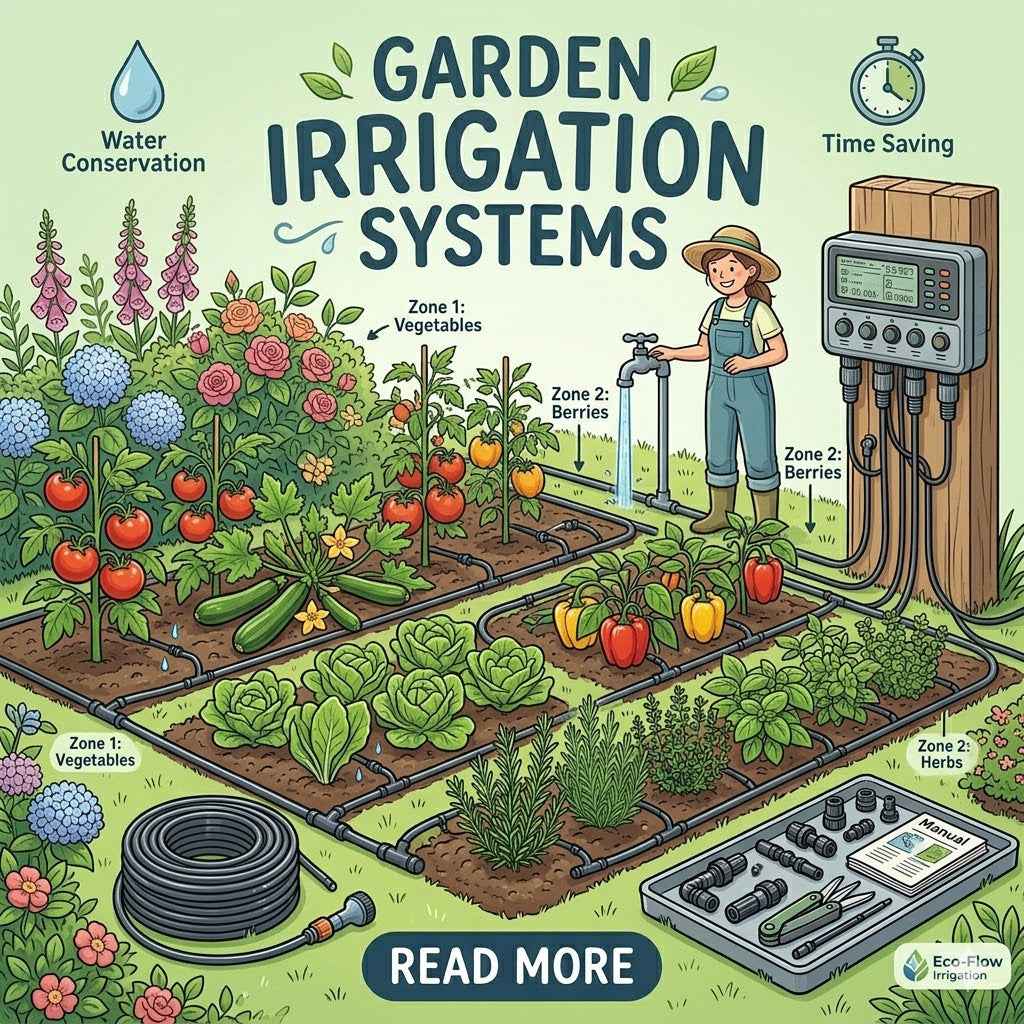
A Hozelock automatic watering system solves these technique errors by delivering water directly to the soil surface. By using individual drippers, you can keep the foliage dry while ensuring the roots receive a steady supply of moisture. This method also provides a secondary benefit: weed reduction. Since you are only watering your specific plants, the surrounding bare soil stays dry. This prevents dormant weed seeds from germinating in the gaps between your flowers. For established borders, integrating soaker hoses allows for a slow, deep soak that encourages healthy root architecture. Explore our range of garden watering kits to start your transition to precision irrigation today.
The "One Size Fits All" Trap: Treating Every Plant the Same
One of the most common garden watering mistakes is treating your entire landscape as a single unit with identical needs. A thirsty lawn requires a completely different approach than a Mediterranean herb garden. While a patch of turf might need a deep soak once a week to reach the roots, lavender and rosemary prefer "dry feet" and will quickly succumb to root rot if overwatered. Applying a uniform "ten seconds per plant" rule with a hosepipe usually results in some plants drowning while others remain parched.
Your soil type also dictates how you should manage these different requirements. Clay soil acts like a dense sponge; it holds moisture for a long time but is difficult for water to penetrate once it dries out. Sandy soil acts more like a sieve, allowing water to drain away almost instantly. This means you must adjust your frequency based on the ground beneath your feet. Additionally, don't assume that a "drought-tolerant" label means a plant can be ignored. Any shrub or tree planted in 2026 will require consistent moisture for its first full growing season to establish a healthy root architecture before it can truly survive on its own.
Grouping Plants by Hydro-Zones
Efficient gardeners design their layouts based on water requirements, a concept known as hydro-zoning. By grouping high-water plants like hydrangeas together and keeping drought-resistant species in another area, you can tailor your delivery system. Using separate irrigation fitting adaptors allows you to customise the flow rate for each zone. This ensures that your vegetable patch receives the high volume it needs for crop production while your rockery gets only a light, infrequent misting. This level of precision prevents waste and supports the specific health of every species.
The Container and Hanging Basket Checklist
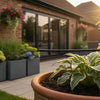
Containers are a special case because they dry out up to ten times faster than garden beds. Since the roots are confined and the pot is exposed to air on all sides, moisture evaporates rapidly. The shift toward peat-free composts in the UK has made this even more critical. These sustainable mixes can be harder to re-wet once they become bone-dry, often allowing water to run down the inside of the pot without soaking the root ball. You can use the "weight test" to check your baskets; if the pot feels surprisingly light when lifted, it's dangerously dry. To prevent mid-day wilting during summer heatwaves, many specialists use a Hozelock watering kit to automate their pots. This ensures a steady, slow release of water that peat-free compost can actually absorb.
Hardware and Pressure: Ignoring the Technical Setup
Even the most precise schedule won't save your garden if your equipment is underperforming. Technical failures are common garden watering mistakes that often go unnoticed until the water bill arrives or a plant begins to fail. A "small drip" at the tap might seem insignificant, but it can waste hundreds of litres of water over a single summer. This isn't just an environmental concern; it directly impacts the pressure available to your sprinklers and drippers, leading to uneven coverage across your beds.
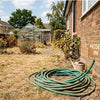
Performance is also hindered by simple physical obstructions like kinked hoses. When a hose folds over itself, it creates a bottleneck that forces your tap to work harder while delivering a fraction of the necessary water. Over time, these kinks weaken the internal structure of the hose, leading to permanent splits and further waste. Similarly, failing to "winterise" your setup is a costly error. In the UK, winter frost can expand water trapped inside plastic components, causing timers and connectors to crack. You should always drain your system and store timers indoors before the first frost hits to protect your investment.
The Cost of Leaky Fittings
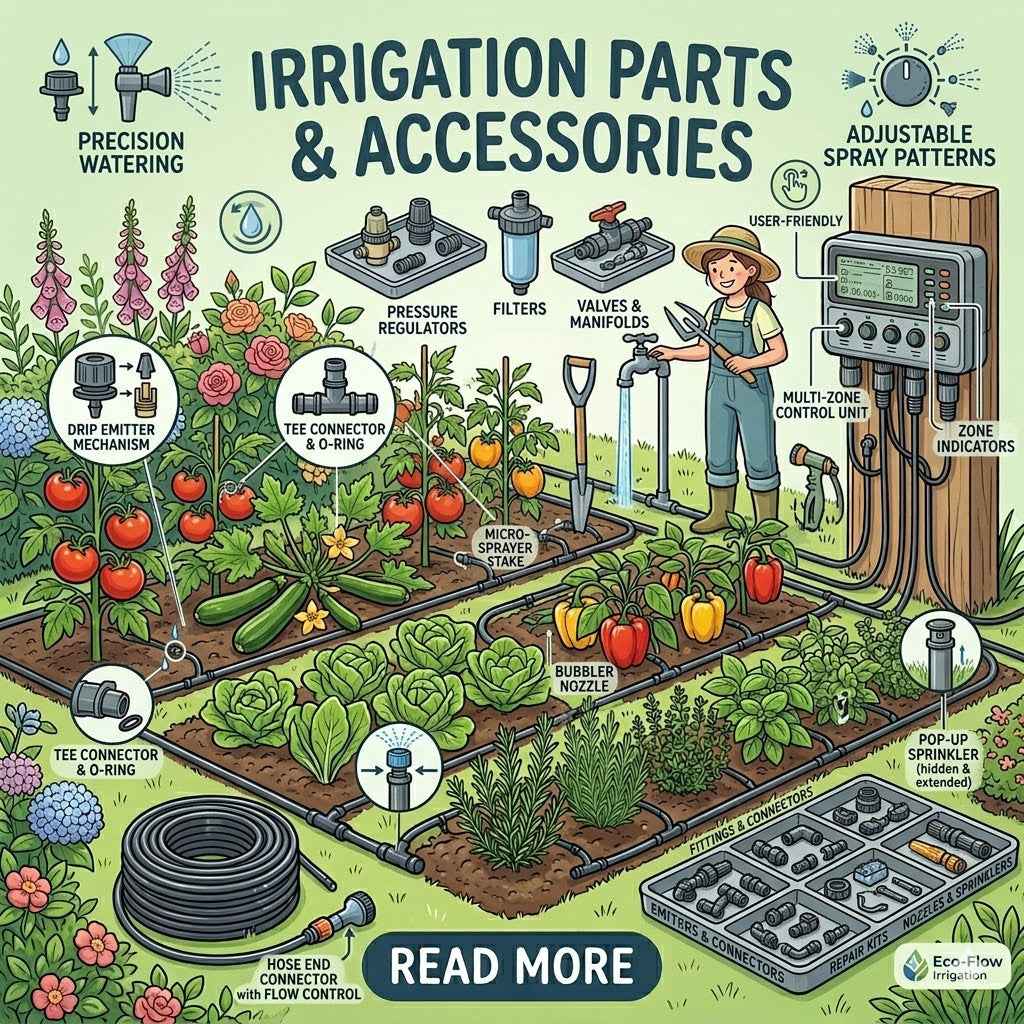
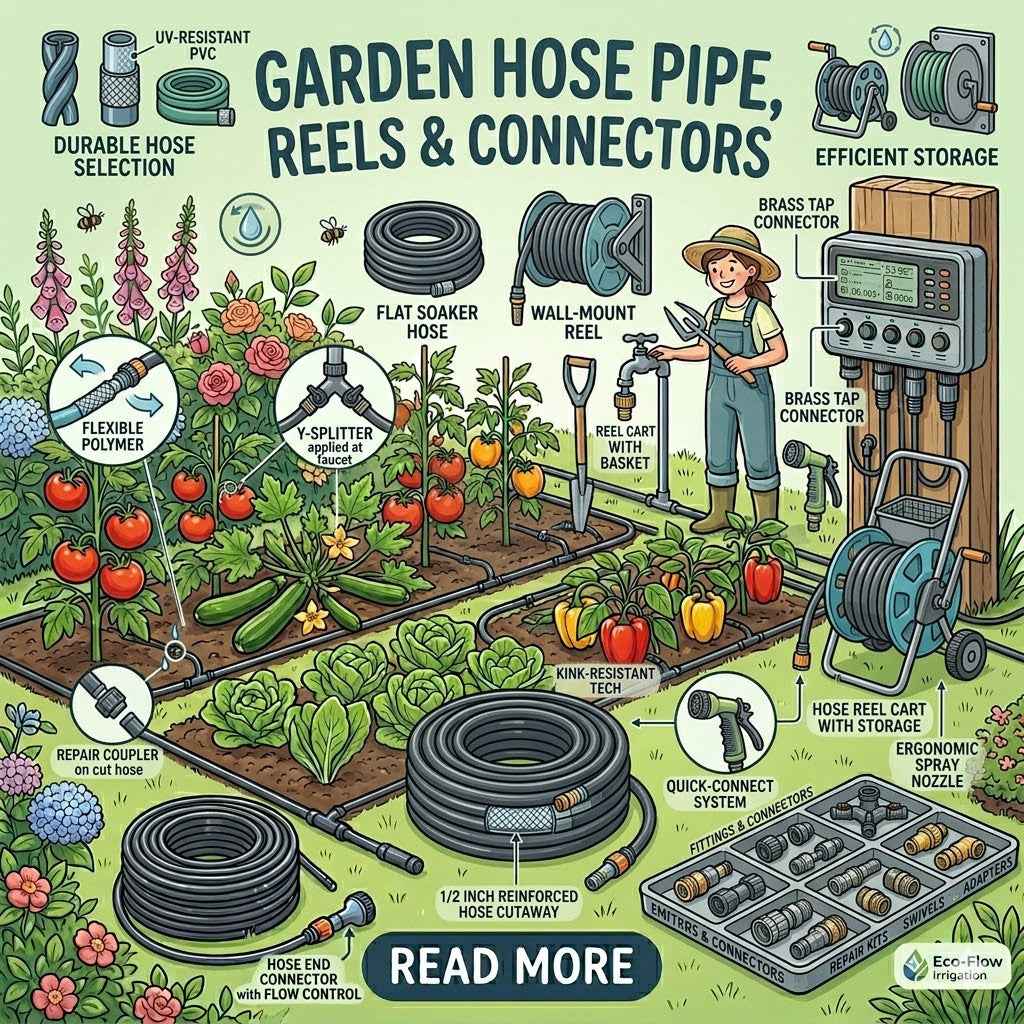
Cheap, non-branded connectors are a false economy. They often fail after just one season because the plastic degrades in UV light or the internal springs lose their grip. Switching to Hozelock connectors provides peace of mind through triple-locking technology. These fittings ensure a watertight seal that stands up to high pressure and frequent use. If you notice a leak at the outside tap, check the O-ring first; a simple replacement can often save the entire fitting and restore your system's efficiency.
Managing Water Pressure
Understanding the difference between pressure and flow is vital for a successful irrigation project. Water pressure is the force of the water, while flow is the volume delivered over time. If your pressure is too high, it can blow the heads off delicate drip systems, which is why pressure regulators are essential for precision kits. Conversely, if your flow rate is too low, your pop-up sprinklers won't have the power to reach the corners of the lawn. You can learn more about assessing your outside tap capacity in our comprehensive guide to ensure your hardware matches your garden's needs.
Upgrade your system's reliability with professional-grade Hozelock connectors to eliminate leaks and pressure loss today.
The Solution: Moving from Manual Chores to Smart Irrigation
Human memory is the biggest variable in gardening. Relying on a manual schedule often leads to the common garden watering mistakes we've discussed, such as overwatering after a dry spell or forgetting a session entirely. This inconsistency causes physiological stress in plants. It weakens their cellular structure and makes them more susceptible to disease and pest attacks. By automating the process, you remove human error and ensure your landscape receives the precise volume it needs, exactly when it needs it. It's about moving from a reactive approach to a proactive one.
Choosing Your First Automatic System
You don't need a complex setup to see immediate benefits. You can start small with a simple tap timer and a few drippers for your most prized containers. This entry-level approach allows you to see the efficiency of drip technology first-hand without a large initial investment. For those seeking complete control, the Hozelock Cloud controller offers a "set and forget" solution that you can manage from your smartphone. This allows for weather-based adjustments that a manual hosepipe simply cannot match. If you are unsure where to begin, you can consult our design ideas and plans to help create a bespoke layout that fits your specific space.
Sustainability and the UK Gardener
Smart irrigation is a powerful tool for environmental responsibility. By delivering water directly to the roots, these systems use significantly less water than a manual hosepipe, which often wastes volume through runoff and poor aim. This efficiency helps you adhere to hosepipe ban "best practices" by eliminating unnecessary waste. You can even integrate water butts with specialised pumps to create a fully eco-friendly irrigation cycle that uses harvested rainwater. This sustainable approach protects your plants and your water meter simultaneously. Ready to stop making mistakes? Explore our Hozelock watering range today.
Transform Your Garden with Precision Irrigation
Achieving a thriving landscape in 2026 requires more than just good intentions. By identifying and fixing common garden watering mistakes like midday timing and foliage-only soaking, you've already taken the most important step toward a healthier garden. Consistency is the foundation of plant health. Moving away from manual hosepipe chores toward automated solutions doesn't just save water; it gives you back your time and ensures your plants never experience the stress of dehydration.
We're here to support you in this transition as an exclusive Hozelock specialist. With over 15 years of UK irrigation expertise, our team provides the high-quality tools and free expert advice on system design you need to build a reliable setup. Whether you're starting with a simple kit or a full-scale pop-up system, we're invested in your success. Upgrade your garden with a professional Hozelock Watering System today. You've created a beautiful outdoor space; now it's time to let a smart irrigation partner help it flourish through every season.
Frequently Asked Questions
Is it better to water my garden in the morning or at night?
Morning is the best time for your plants. Watering at dawn allows the garden to hydrate before the heat of the day and ensures that leaves dry quickly to prevent fungal growth. Night watering keeps foliage damp for too long, which invites slugs and diseases. By using a timer, you can fix one of the most common garden watering mistakes without needing to wake up early.
Can I water my plants when the sun is out, or will it burn the leaves?
You can water in the sun, but it isn't very efficient. The idea that water droplets act as magnifying glasses to burn leaves is largely a myth for most garden species. The real problem is evaporation loss. Up to 40% of the water can vanish into the air before reaching the roots. If a plant is wilting in the heat, water it immediately at the base.
How do I know if I am overwatering or underwatering my plants?
Check the soil and the leaves for specific signs. Overwatered plants often have yellowing foliage and a soft, mushy stem. Underwatering causes wilting, crispy leaf edges, and soil that pulls away from the side of the pot. Use the finger test to feel for moisture 5cm below the surface. This ensures you only add water when the root zone is actually dry.
What is the most water-efficient way to water a UK garden?
Drip irrigation is the most efficient method available. It delivers water slowly and directly to the root zone, which eliminates runoff and wind drift. These systems can reduce water usage significantly compared to manual hosepipes or oscillating sprinklers. By targeting only the plants that need it, you avoid watering weeds and keep your water meter bills under control during the summer.
Do I need to water my garden when it has rained in the UK?
Don't assume rain has done the work for you. Light showers often only wet the surface or get caught by the umbrella effect of dense leaves. This leaves the roots bone-dry despite the damp pavement. This is one of the common garden watering mistakes that leads to plant death during a wet summer. Always check the soil depth with a trowel after a storm.
How can I keep my garden watered while I am away on holiday?
Automatic watering systems are the most reliable way to manage your garden during a holiday. A simple tap timer or a smart controller like the Hozelock Cloud can follow your exact schedule while you are away. This removes the holiday anxiety of coming home to dead plants. For complete peace of mind, many gardeners also install a CCTV Shop system to monitor their garden's progress and property security remotely. These systems are easy to set up and provide the consistent hydration that manual watering often lacks.
Are automatic watering systems expensive to run?
They are very cost-effective and often pay for themselves. These systems don't require electricity if they use battery-powered timers, and they save you money by reducing water waste. Because you are targeting the roots and avoiding evaporation, you use less water to achieve better results. This efficiency is vital given that average UK water bills are rising to £639 this year.
How do I stop my hose pipe connectors from leaking?
Switch to professional-grade triple-locking connectors to prevent leaks at the tap. Cheap, non-branded fittings often lose their grip under pressure or degrade in the sun. High-quality Hozelock connectors maintain a watertight seal even with frequent use. If you still notice a drip, check the rubber O-ring on your tap connector; these are inexpensive to replace and will instantly restore your system's performance.
`-
Posted in
Automatic Watering, common garden watering mistakes, Drip Irrigation, Gardening Tips, Hozelock, Lawn Care, Plant Care, Plant Watering, UK Gardening, Water Conservation