Garden watering system: The Complete Guide To Garden Watering Systems
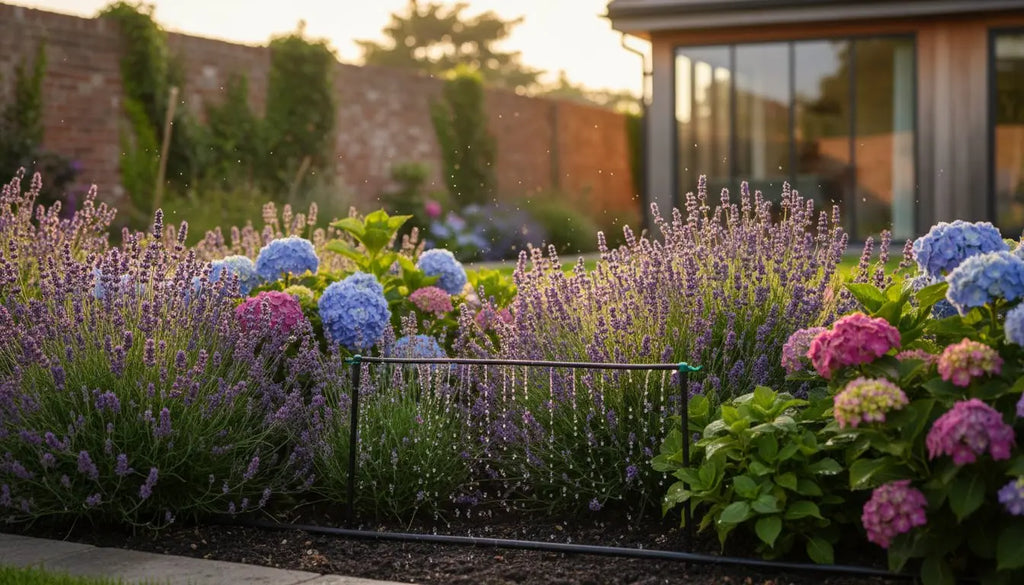
Precision watering isn't just about automation; it's about delivering the right volume of water to the root zone, exactly when the plant needs it most. You've likely spent long evenings standing with a hose, worrying about rising water bills or the threat of a £1,000 fine during a regional hosepipe ban. It's disheartening to see your prize-winning borders struggle while you're away on holiday, especially when the technical jargon of pipe diameters and connectors feels more like a chore than a hobby.
We understand that you want a vibrant, healthy garden that doesn't demand hours of your time or waste precious resources. This expert guide will help you master the art of precision irrigation, showing you how to choose, plan, and install the perfect Watering Systems for your unique landscape. We'll walk you through the benefits of Hozelock automatic kits, drip irrigation, and water-efficient timers. By the end, you'll have the confidence to build a system that is easy to expand and keeps your plants thriving with zero daily effort.
Key Takeaways
- Learn how transitioning to automated Watering Systems improves plant health and reduces water waste compared to manual hosing.
- Identify whether drip irrigation or sprinkler systems are best suited for your specific borders, pots, or lawn areas.
- Discover how to map your garden into zones to ensure high-demand plants aren't overwatered on the same line as drought-tolerant species.
- Find out how to use digital timers and sensors to automate your irrigation based on sunlight or soil moisture levels.
- See how the Hozelock click-and-connect ecosystem allows you to install and modify a professional-grade system without needing specialist tools.
What are Modern Watering Systems and Why Does Your Garden Need One?
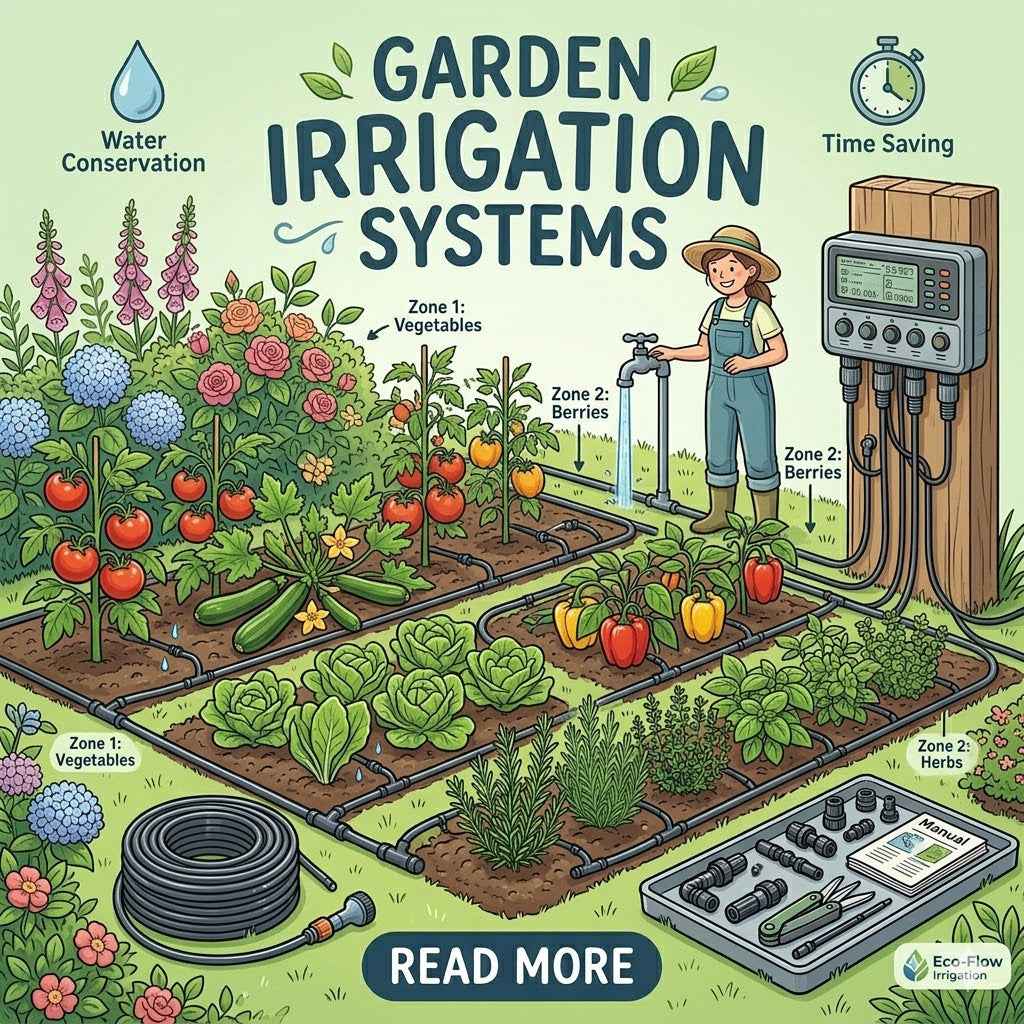
The way we care for our gardens has evolved significantly. We've moved from the "hose-and-hand" method, which often results in uneven soaking, toward highly efficient Modern Watering Systems. These specialized Watering Systems rely on three core components: a programmable timer, a network of discreet supply pipes, and specialized delivery heads like drippers or micro-sprays. By focusing on the root zone, you eliminate the common issues of surface runoff and evaporation. This transition is essential for the modern UK gardener, especially after the record-breaking heat of 2025 and the ongoing focus on water conservation across the country.
To better understand how these components work together in a real-world setting, watch this detailed installation guide:
As we look at the 2026 outlook, technology has made these setups even smarter. Weather-responsive automation and soil moisture sensors mean your garden only gets water when it actually needs it, preventing waste during wet spells like the high rainfall seen in early 2026. This level of control is no longer just for professional growers; it's accessible to every UK homeowner through modular Hozelock automatic watering systems. By adopting these tools, you protect your landscape against future droughts while ensuring every drop is used effectively.
The Three Pillars of Effective Irrigation
Consistency is key for plant health. Most garden plants thrive on regular, predictable intervals rather than the "feast or famine" cycle of occasional heavy soaking. Precision Watering Systems allow you to maintain this balance effortlessly. Volume control is another vital pillar; you can measure output in litres per hour (LPH) to ensure a delicate hanging basket doesn't get the same amount of water as a dense shrub border. Finally, timing is everything in the UK climate. Watering at dawn or dusk ensures the moisture reaches the soil and roots before the midday sun can cause it to evaporate.
Manual vs. Automatic: Calculating Your ROI
Think about the time you spend with a hose. For an average 100sqm garden, manual watering can take up to four hours a week during a typical dry spell. An automatic system gives that time back to you, allowing you to enjoy your garden rather than just maintaining it. Beyond time, the water bill reductions are significant. Drip technology can use up to 90% less water than a traditional sprinkler by delivering it exactly where it's needed. Most importantly, your plants stay healthier. You'll see less root shock and zero leaf scorch, as water never touches the foliage in direct sunlight, protecting your investment in your outdoor space.
Drip Irrigation vs. Sprinkler Systems: Choosing the Right Mechanism
Selecting the right mechanism for your garden depends on the specific needs of your plants and the layout of your landscape. While a vegetable patch might thrive under a broad spray, a delicate border of perennials requires a more targeted approach. Comparing Drip Irrigation vs. Sprinkler Systems helps you identify which parts of your garden need high-volume coverage and which require precision. Most comprehensive Watering Systems actually use a combination of both to achieve the best results across different zones.
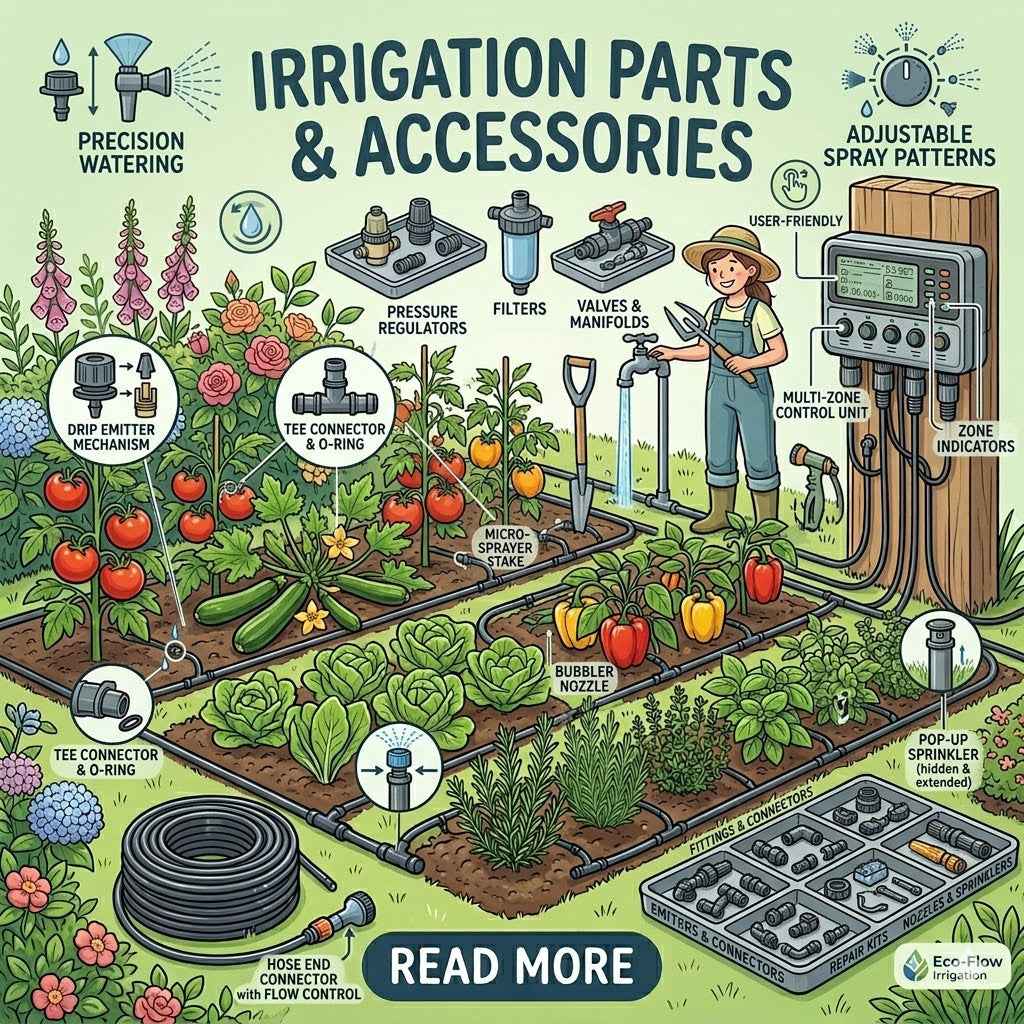
Drip irrigation is widely considered the gold standard for borders, pots, and hanging baskets. It delivers water directly to the root zone, which significantly reduces the risk of fungal diseases on leaves. For denser flower beds where individual drippers might be impractical, micro-sprays provide an excellent middle ground. These components are highly compatible; you can easily mix and match delivery heads on the same supply line by using high-quality irrigation fitting adaptors to transition between pipe sizes or functions.
The Power of Drip Irrigation
One of the greatest advantages of a drip system is the use of pressure-compensating drippers. These clever devices ensure an even flow of water regardless of how far a plant is from the tap or the slope of your garden. You can keep your installation discreet by tucking the pipes under mulch or a thin layer of soil. This protects the equipment from UV damage and keeps your garden looking natural. In many parts of the UK, drip systems are exempt from Temporary Use Bans, making them a reliable way to protect your plants during dry summers without violating local regulations.
Lawn Sprinklers and Pop-Up Systems
Lawns and large vegetable patches need the broad reach that only sprinklers can provide. Oscillating sprinklers are the traditional choice for rectangular lawns, while rotary versions are better for circular or irregular shapes. If you want a professional look, pop-up systems are the ultimate invisible solution. They sit flush with the turf and only emerge when the water pressure from your timer kicks in. To ensure you get the right coverage for your space, check out our guide on how to choose the perfect lawn sprinkler for your specific yard size.
If you're ready to start building your bespoke setup, you can browse our full range of components at gardenwatering.co.uk to find the right fit for your landscape.

Designing Your Layout: Zoning for Pots, Borders, and Lawns
Designing a successful layout starts with understanding that your garden isn't a single entity but a collection of micro-climates. Effective Watering Systems rely on "zoning," which is the practice of grouping plants with similar hydration needs onto separate lines. You shouldn't put thirsty hanging baskets on the same line as a drought-tolerant lawn; the baskets will likely wilt while the lawn becomes waterlogged. Instead, map your garden to identify high-demand areas like pots and greenhouses, and low-demand zones like established shrubberies.
Before laying a single pipe, you must calculate your water pressure and flow rate at the outside tap. A simple "bucket test" works best: time how long it takes to fill a 10-litre bucket. If it takes 60 seconds, your flow rate is 10 litres per minute. This data is vital because it determines how many drippers or sprinklers your system can power at once. For those just starting, using Hozelock watering kits provides a reliable foundation. These kits include the essential components to get a basic zone running, and they're designed to be easily expanded as your garden grows.
Watering Pots and Hanging Baskets
Watering containers presents a unique challenge because they sit above the ground, meaning gravity can affect water pressure. They also dry out much faster than soil-based plants. We recommend using 4mm micro-pipes to branch off your main line for a neat, professional finish that won't clutter your patio. These smaller pipes are flexible enough to climb walls or hide behind foliage. For more inspiration on how to hide your pipework and maximize efficiency, take a look at our design ideas and plans blog.
Managing Large Borders and Hedges
For expansive borders and long hedges, you'll need a robust "backbone" using a 13mm supply pipe. This larger pipe maintains the pressure needed to travel long distances without a significant drop in flow. When installing drippers, space them evenly to ensure continuous root hydration along the entire length of the border. This method prevents dry spots and ensures that every plant, from the smallest perennial to the tallest hedge, gets its fair share of water. By laying the pipework properly from the start, you create a dependable network that supports the long-term health of your landscape.
Automation and Efficiency: The Role of Timers and Sensors
Automation transforms a manual chore into a set-and-forget solution. Modern Watering Systems rely on timers to act as the central brain, ensuring your plants receive hydration even when you're away on holiday or busy with work. You can choose between mechanical and digital options depending on your preference for simplicity or precision. Mechanical timers are dependable and perfect for those who prefer a straightforward, battery-free approach for basic tasks. Digital timers provide much more granular control, letting you set specific days, times, and durations to suit the varying needs of your plants.
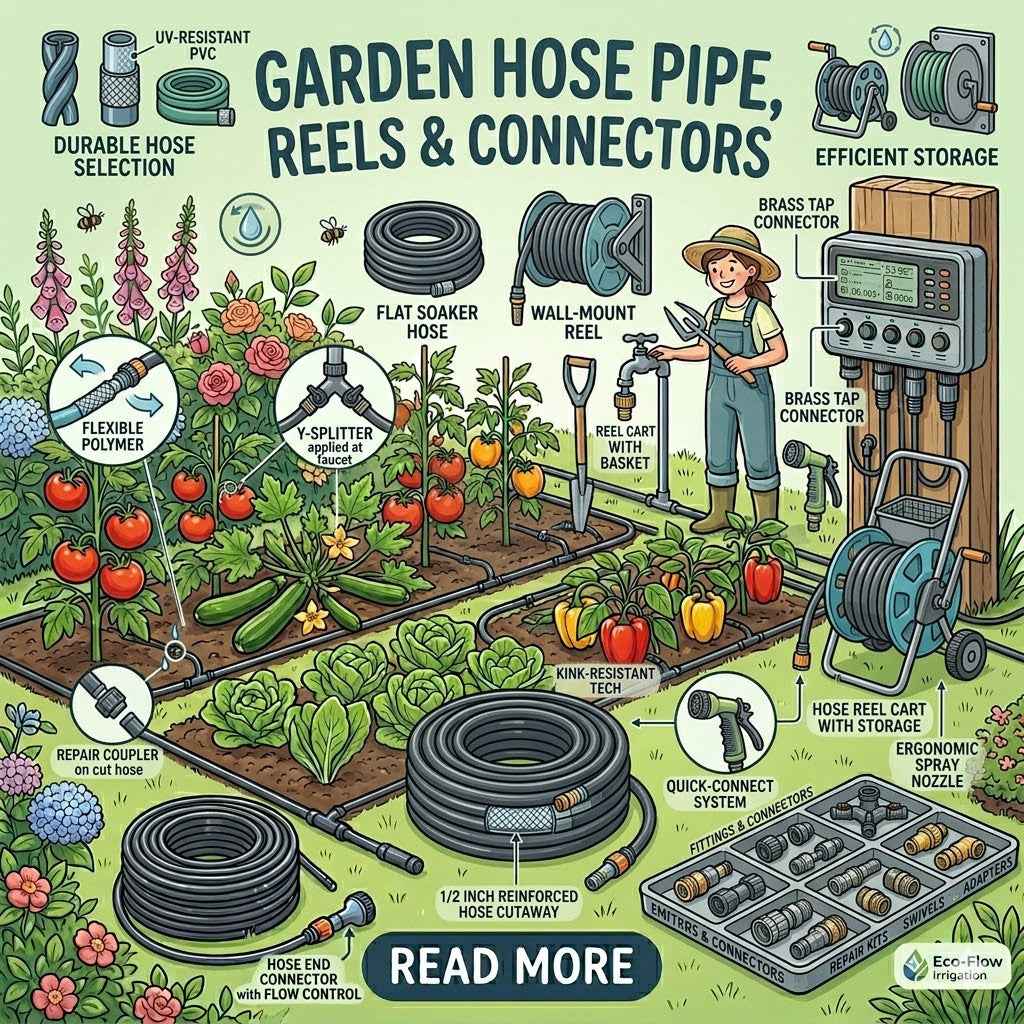
If you've designed multiple zones as we discussed in the layout section, multi-way tap connectors are essential. These allow you to run up to four separate lines from a single outside tap, meaning your lawn and your hanging baskets can each have their own dedicated schedule. Don't forget about the importance of winterising your equipment. UK frosts can easily crack plastic components if water is left inside to freeze and expand. Always drain your pipes and bring your timers indoors before the first freeze to protect your investment for the following spring.
Choosing the Right Water Timer
Simple dial timers are excellent for basic automation where you just need a short, daily soak for your borders. If you want more flexibility, cloud-connected timers allow you to manage your garden from your smartphone. This is incredibly useful if the British weather takes an unexpected turn while you're away from home. You can easily adjust your watering frequency or pause it entirely with a single tap. Explore our specialist range of garden irrigation water timers to find the model that matches your garden's complexity and your lifestyle.
Maximising Water Efficiency
Following the "little and often" rule helps maintain soil health without wasting resources. Clay soils retain moisture well and benefit from deeper, less frequent watering, whereas sandy soils need shorter, more regular bursts to prevent the water from draining away too quickly. By integrating sensors into your Watering Systems, you ensure your garden is only watered when necessary. Rain sensors are an essential add-on because they stop your system from running during a downpour. Given that spring 2025 was the driest in 132 years, it's vital to use these sensors to ensure your 2026 schedule stays responsive to actual weather patterns and soil moisture levels.
To start automating your garden today, explore our full range of Hozelock automatic watering kits.
Why Hozelock is the Professional Choice for UK Gardeners
Hozelock has remained the leading choice for UK gardeners for decades because their ecosystem is built on reliability and simplicity. With over 15 years of specialist expertise, we've seen how these Watering Systems outperform generic alternatives in the variable British climate. The standout feature is the "Click-and-Connect" advantage. This tool-free installation method allows you to snap components together securely, ensuring a leak-free setup in minutes. Unlike one-size-fits-all brands that often require cutting or complex tools, Hozelock is designed for the home gardener who values professional results without a technical headache.
One of the most reassuring aspects of choosing this brand is the availability of spare parts. While cheaper systems might be destined for the bin after a single season, Hozelock components are built to last decades. Whether you need a replacement O-ring or a specific washer, finding spares is straightforward. At Garden Watering, we don't just sell products; we provide bespoke advice to help you navigate complex layouts. We ensure your pressure stays consistent across every zone, drawing on our deep experience with the entire product range.
The Hozelock Specialist Advantage
As a dedicated specialist, we help you troubleshoot common issues like pressure drops or minor leaks that can occur in larger gardens. You get exclusive access to the latest Hozelock automatic watering system technology, including smart controllers that respond to local weather changes. We choose this ecosystem over generic brands because it offers a level of modularity that others can't match. You can trust that every connector and pipe will fit perfectly, maintaining the high standards your landscape deserves.
Getting Started Today
Begin your journey by choosing a starter kit. These kits provide immediate results and include everything needed to water your first set of pots or a small border. As your passion for gardening grows, scaling up is simple. You can add more drippers, micro-sprays, or even pop-up sprinklers to your existing lines without starting from scratch. Use this final checklist for a successful garden watering system setup:
- Check your tap's flow rate with the bucket test mentioned in our design section.
- Ensure all "Click-and-Connect" joints are firmly seated to prevent pressure loss.
- Test each zone individually to check for even coverage across your borders.
- Set your timer for dawn or dusk to maximize water efficiency and plant health.
- Clear any debris from filters regularly to maintain optimal performance.
By following these steps and choosing quality components, you create a sustainable environment where your garden can thrive with minimal effort. Our team is here to support you in building a system that lasts for years to come.
Transform Your Garden with Precision Irrigation
Mastering your garden's hydration doesn't have to be a technical challenge. By shifting from manual hosing to automated Watering Systems, you ensure your plants receive consistent care while reducing your monthly water bills. Success lies in the details: grouping your plants into zones and selecting the right combination of drippers and sprinklers to match your landscape's unique needs. This approach not only saves you hours of effort but also builds a resilient garden that can withstand the unpredictable UK weather.
We're here to help you every step of the way. With over 15 years of irrigation expertise and our status as an exclusive Hozelock specialist, we provide the dependable support you need to design a system that lasts. If you have questions about pipe sizes or pressure, our UK-based technical support team is ready to assist. Take the first step toward a lush, maintenance-free garden today and shop our expert-curated Hozelock Watering Kits. You've done the hard work of planting; now let a precision system do the hard work of keeping them thriving.
Frequently Asked Questions
Can I install a watering system myself or do I need a plumber?
You can certainly install these systems yourself without hiring a professional. Most modern Watering Systems, particularly those in the Hozelock range, use a simple click-and-connect design that requires no specialist tools or plumbing knowledge. As long as you have a standard outside threaded tap, you can attach a timer and start laying your pipework immediately.
How do I know if I have enough water pressure for a sprinkler system?
The most reliable way to check your pressure is by performing a simple bucket test at your outside tap. Time how many seconds it takes to fill a 10-litre bucket to the top. If it takes less than 60 seconds, you generally have enough flow to run a basic sprinkler or a network of drippers. If it takes longer, you may need to divide your garden into smaller zones to maintain performance.
Are automatic watering systems allowed during a hosepipe ban in the UK?
Drip irrigation systems are often exempt from Temporary Use Bans (TUBs) because they're incredibly water-efficient, but this depends on your specific water provider. Standard sprinklers and hand-held hoses are usually the first things restricted. Always check the current regulations on your local water company's website to avoid the potential £1,000 fine for non-compliance during a drought.
How many drippers can I run off a single outside tap?
A standard UK outside tap can typically support between 30 and 50 drippers on a single 13mm supply line. The exact number depends on your home's specific flow rate and the total length of the pipework. If you find the drippers at the very end of the line aren't performing well, it's a sign that you've exceeded your tap's capacity and should split the system into two separate zones.
Do I need to take my watering system inside during the winter?
You should always bring your digital water timers indoors before the first winter frost hits. While the supply pipes can stay in the ground if they're drained of water, the delicate valves inside a timer can crack if trapped water freezes and expands. Removing the batteries and storing the controllers in a dry shed or garage protects your investment and ensures everything works perfectly when spring arrives.
Can I use a watering system with a water butt or rain barrel?
You can use a watering system with a water butt, but you'll usually need a dedicated water butt pump to provide enough pressure. Standard gravity-fed setups often lack the power to push water through drippers or micro-sprays effectively. Alternatively, look for solar-powered kits specifically designed for low-pressure environments, which are perfect for allotments or areas without a mains water connection.
What is the best time of day to set my automatic timer for?
The best time to water your garden is in the early morning, ideally just before sunrise. This allows the water to soak deep into the soil before the sun's heat causes excessive evaporation. Watering at dawn also ensures that plant leaves dry quickly, which reduces the risk of fungal diseases. If sunrise isn't possible, late evening is the next best option for maximum efficiency.
How do I find a leak in an underground irrigation pipe?
Finding a leak in buried pipework starts with looking for unusually lush green patches of grass or damp spots on your patio. If you can't see surface moisture, turn off all delivery heads and check if your water meter is still spinning while the system is pressurised. You can also listen for a faint hissing sound near the pipe runs, which often points directly to a loose connector or a small puncture.
`-
Posted in
Watering Systems