Best Vegetable Garden Drip Irrigation Kits: A 2026 UK Buying Guide
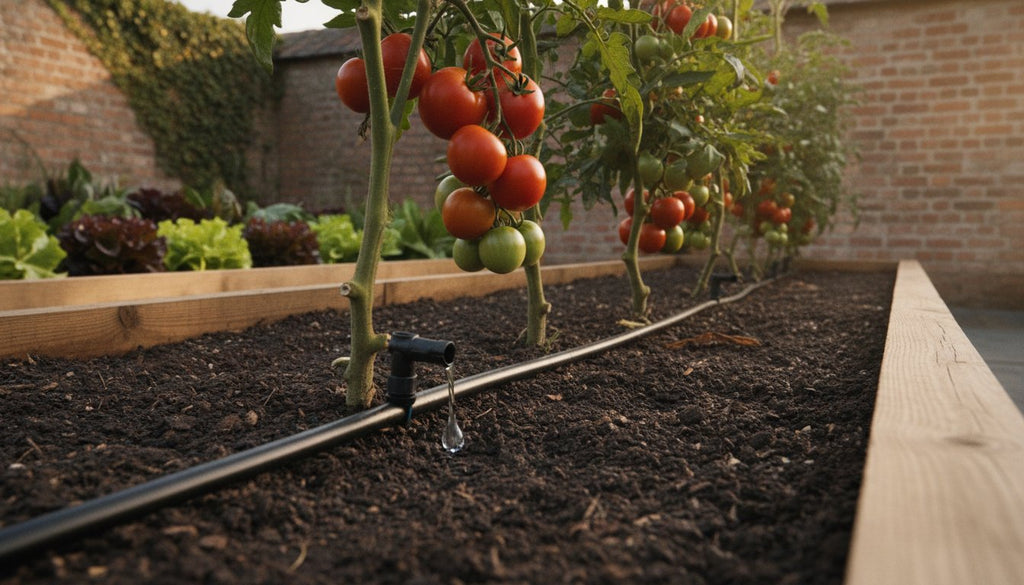
Did you know that even during a strict UK hosepipe ban, your vegetable patch can still receive the precise hydration it needs to thrive? While many growers worry about the £1,000 fines associated with current water restrictions, most regions permit the use of a vegetable garden drip irrigation kit when paired with an automatic timer. It's a vital solution for anyone tired of spending summer evenings tethered to a hose only to see tomatoes split or crops stunted by inconsistent moisture.
We know you want a productive garden that doesn't demand hours of manual labour or lead to soaring water bills. This guide will help you select the perfect system to boost your yields while cutting water waste by up to 50 percent. We'll explore modular kits from specialists like Hozelock and explain how to design a "set and forget" schedule that delivers precision hydration directly to the root zone. By the end of this article, you'll have the expert insight needed to build a professional-standard watering system that protects your plants and your time.
Key Takeaways
- Learn why delivering water directly to the soil surface prevents common vegetable diseases like powdery mildew while significantly increasing your crop yields.
- Understand how to choose the right vegetable garden drip irrigation kit by comparing essential components such as pressure regulators and adjustable emitters.
- Discover the specialist "Dip and Push" installation technique to ensure secure, watertight connections that can withstand the pressure of UK outdoor taps.
- Master garden zoning to group vegetables by their specific hydration needs, ensuring every plant thrives without wasting a single drop of water.
- Explore why modular systems from trusted brands like Hozelock and Claber offer the most reliable "set and forget" solutions for busy gardeners and allotment owners.
Why a Drip Irrigation Kit is Essential for Vegetable Gardens
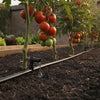
A vegetable garden drip irrigation kit is a precision-engineered network of supply tubes and emitters designed to deliver water directly to the soil surface. Unlike overhead sprinklers that drench foliage, drip irrigation systems focus moisture exactly where your plants need it most: at the root zone. This targeted approach is the most efficient way to manage a productive plot, especially during the increasingly frequent UK dry spells and hosepipe bans. It's a specialist solution that transforms how you manage your garden's health.
To better understand how these systems function in a real-world setting, watch this helpful video:
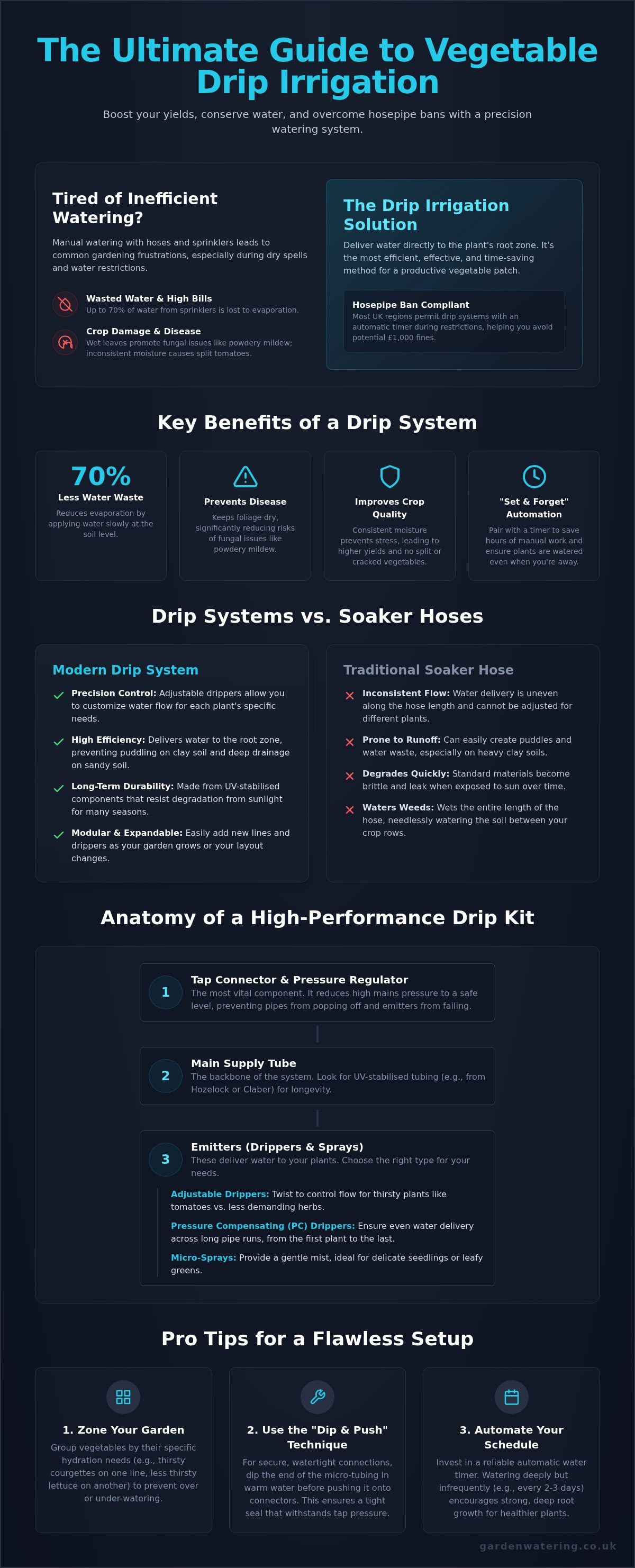
By keeping water off the leaves, you significantly reduce the risk of common fungal issues like powdery mildew. It's a game-changer for courgettes, cucumbers, and pumpkins. Additionally, maintaining consistent moisture levels prevents the sudden surges in water uptake that cause tomatoes to split or carrots to crack. Because water is applied slowly and directly, evaporation is reduced by up to 70 percent compared to traditional sprinklers. This efficiency helps you maintain a thriving garden while staying within environmental guidelines.
Drip Systems vs. Traditional Soaker Hoses
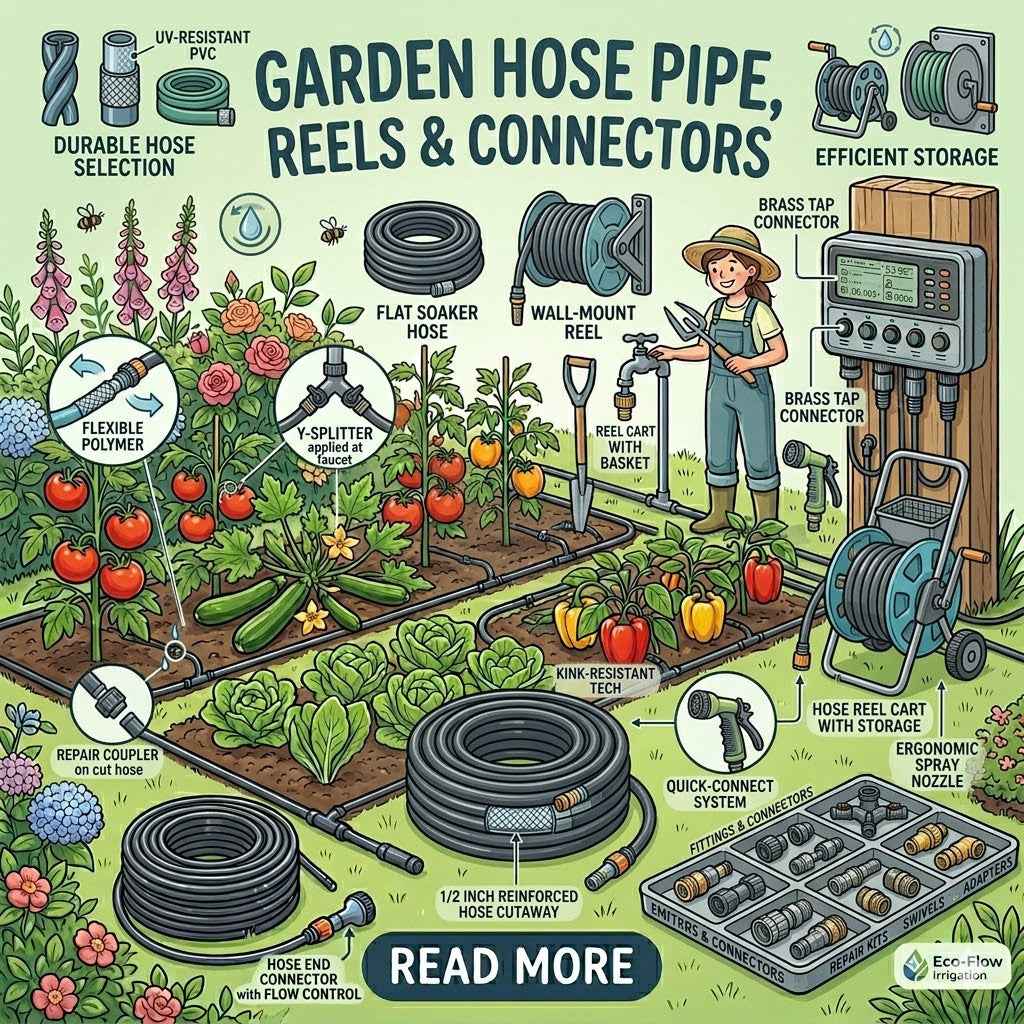
Many gardeners start with porous soaker hoses, but a dedicated vegetable garden drip irrigation kit offers far more control. Modern kits feature adjustable drippers. These allow you to give a thirsty tomato plant more water than a nearby row of lettuce. High-quality systems use UV-stabilised lines that won't degrade like standard garden hoses. On heavy UK clay, slow dripping prevents the puddling and runoff often seen with soaker hoses. In sandy allotment soil, it ensures water doesn't just drain away before the roots can catch it.
The Impact on Vegetable Yield and Quality
Consistent hydration is the secret to nutrient-dense harvests. When plants aren't stressed by "drought and drench" cycles, they focus all their energy on fruit production. You'll also notice fewer weeds, as you aren't watering the bare soil between your rows. Perhaps the greatest benefit is the peace of mind an automatic system provides. Setting up a Hozelock automatic watering system means your crops stay healthy even when you're away. It turns a demanding daily chore into a reliable, automated process that guarantees success.
Key Features to Compare in a Vegetable Garden Drip Kit
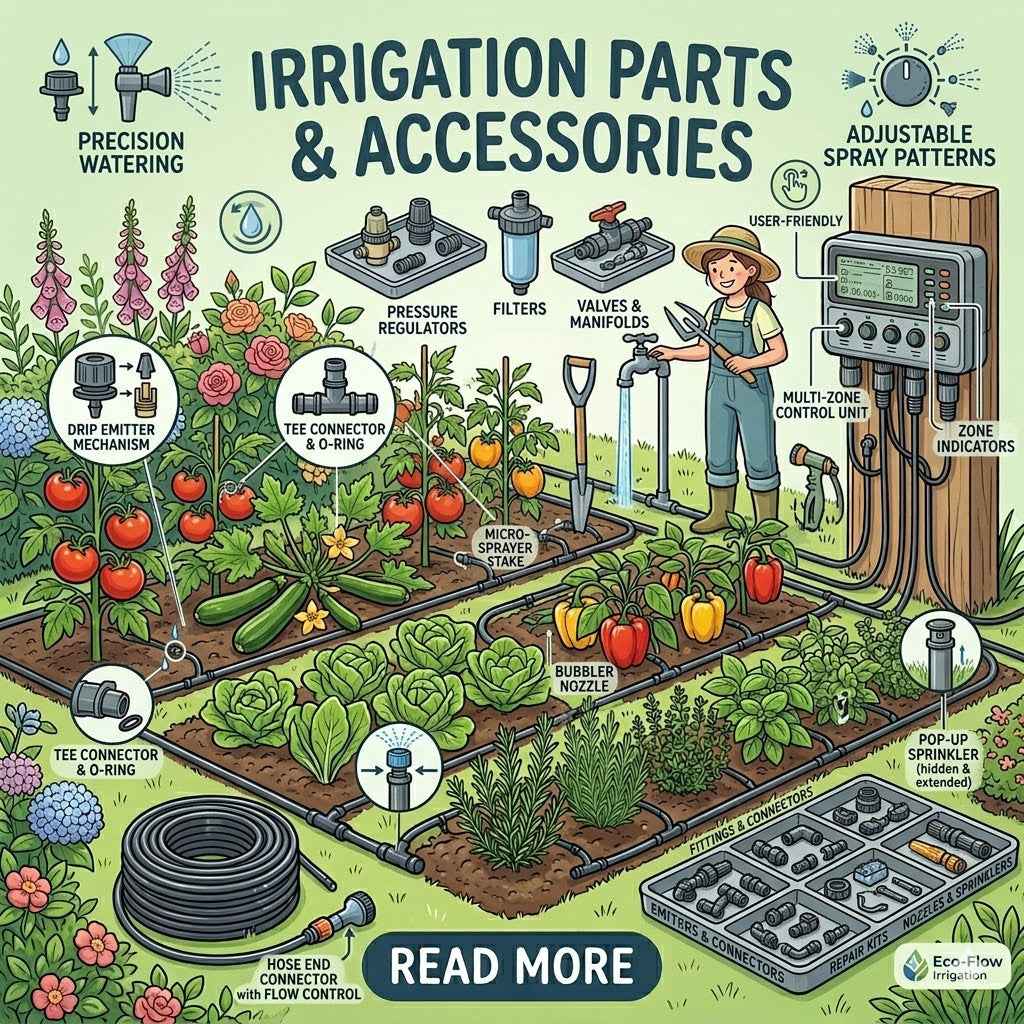
Selecting a vegetable garden drip irrigation kit involves more than just picking a box off a shelf. You need a system that adapts to your specific plot. Every reliable kit starts with a pressure regulator at the tap. This component is vital because it reduces high domestic water pressure to a level your drip lines can handle. Without it, connectors can pop off and emitters may fail. You'll also need a variety of stakes, T-junctions, and end-of-line plugs to create a watertight, structured layout that reaches every corner of your veg patch.
Materials matter for long-term performance. Look for UV-stabilised components. The UK sun can quickly degrade cheap plastics, making them brittle and prone to leaking. Investing in a modular system ensures that as your gardening ambitions grow, your irrigation can grow with them. This flexibility is essential for allotments where you might expand your beds or rotate your crops each season.
Understanding Dripper Types and Flow Rates
Different crops have different thirst levels. Adjustable drippers are a core feature of any high-quality vegetable garden drip irrigation kit. These allow you to twist the head to increase flow for thirsty plants like courgettes or restrict it for herbs. If you have a long run of piping, consider pressure compensating (PC) drippers. These ensure the last plant in the row gets exactly the same amount of water as the first. For leafy greens or delicate seedbeds, micro-spray attachments provide a gentle mist that won't disturb the soil. Just remember to calculate your total flow rate. If you add too many emitters, the water pressure at the end of the line will drop significantly.
The Role of the Water Timer
While precision watering is vital for crop health, a truly productive garden also relies on strong pollination. If you are exploring beekeeping as a way to enhance your vegetable patch, BS Honey Bees Ltd offers specialist troubleshooting advice to help your colonies thrive.
A timer is what turns a manual system into a truly automatic one. Mechanical "egg-timer" models are simple and reliable for short durations. However, digital programmable controllers offer the precision needed for a thriving vegetable garden. Experts recommend watering at dawn or dusk. This timing reduces evaporation and ensures plants are fully hydrated before the heat of the day. You can explore our range of garden irrigation water timers to find a model that fits your schedule.
Choosing the right components now saves significant time and effort later. If you're ready to start building your system, you can browse our curated Hozelock watering kits to find a professional-grade starting point for your garden.
Planning Your Vegetable Patch Layout for Maximum Efficiency
A successful vegetable garden drip irrigation kit installation always begins with a clear plan. Before you purchase any components, take a few minutes to sketch your plot. Start by measuring the distance from your outside tap to the furthest vegetable bed. This measurement tells you exactly how much main supply pipe you'll need. If you're working on a sloped allotment, elevation is a critical factor. To prevent water from pooling at the bottom of the hill, plan to run your main lines across the slope. This layout helps maintain consistent pressure across every emitter in the circuit.
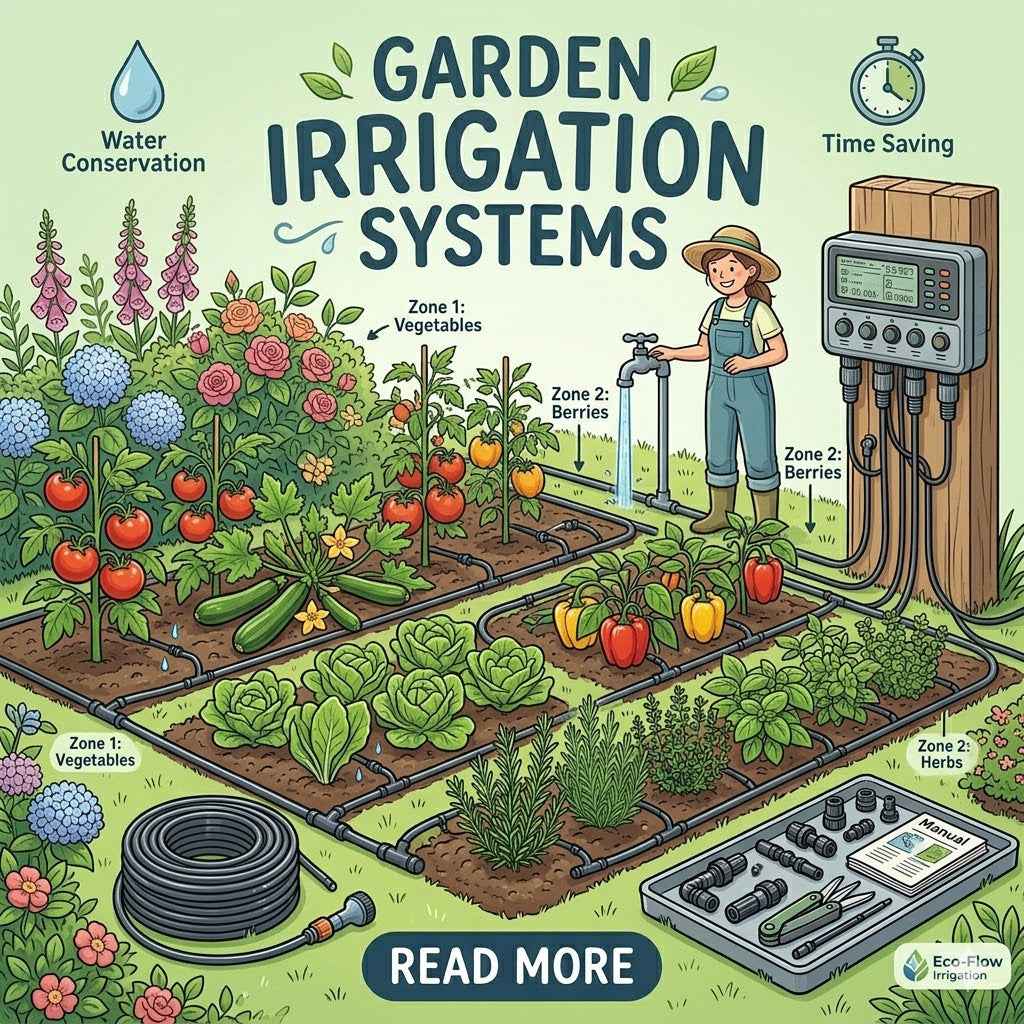
Zoning is the secret to professional-standard yields. We recommend grouping your vegetables by their specific water requirements. Delicate leafy salads and spinach thrive with frequent, light watering to keep their leaves crisp. In contrast, deep-rooted crops like tomatoes, peppers, and pumpkins require longer, more thorough soaking. By planning these zones now, you can install the correct drippers for your vegetable garden drip irrigation kit to meet the specific needs of each crop. Don't forget to future-proof your layout. Always leave a few capped-off junctions in your pipework. This allows you to expand your system easily as your garden grows or as you add new beds in future seasons.
Irrigation for Raised Beds vs. Traditional Rows
Raised beds demand a structured approach to keep your garden tidy and safe. Avoid draping pipes over the edges where they can become trip hazards or get caught in garden machinery. Instead, use T-junctions and elbows to create clean, 90-degree turns that follow the internal perimeter of the timber. Snaking the supply pipe through the bed ensures that every plant receives its share of moisture. If you need inspiration for your specific setup, you can find various design ideas and plans for garden irrigation on our specialist blog.
Pots, Containers, and Greenhouse Integration
If your veg patch includes containers or a greenhouse, 4mm micro-pipes are the most effective solution. These narrow tubes branch off your main line to deliver water discreetly to individual pots or grow bags. For greenhouse environments, consider a hybrid approach. You can combine drip emitters for root-zone hydration with misting systems to help manage humidity during the height of a UK summer. To see how these elements work together in a complete setup, read our Garden Watering Systems: The Ultimate UK Guide.
Installation Mastery: Setting Up Your Kit Like a Specialist
Once you have planned your layout, the physical setup of your vegetable garden drip irrigation kit is a rewarding DIY project. Professional results depend on the quality of your connections. A common challenge is pushing the supply pipe onto the various T-junctions and drippers. To make this easier, we recommend the "Dip and Push" technique. Simply carry a thermos of hot water into the garden and dip the end of the pipe into it for 30 seconds. This softens the plastic, allowing it to slide over the fitting with ease. As the pipe cools, it shrinks and forms a permanent, watertight seal that won't pop off under pressure.
Connecting to a standard UK outside tap requires a secure transition to your irrigation lines. Most UK taps use a 1/2 inch or 3/4 inch BSP thread. Ensure you use a high-quality tap connector and, crucially, a pressure regulator. Domestic water pressure is often too high for delicate drip emitters, so the regulator brings it down to a manageable 1.5 to 2 bar. After your main lines are laid out, but before you install the final drippers, you must flush the system. Turn on the water for a minute to wash out any plastic shavings or grit that entered the pipes during installation. This simple step prevents frustrating blockages later in the season.
Securing the lines is the final step in a specialist installation. Use ground stakes every 50cm to 1m to keep the pipes exactly where you want them. This prevents the lines from shifting when the water pressure kicks in and protects them from being caught by garden tools or lawnmowers. If you are ready to begin your project, you can browse our complete range of drip irrigation systems to find the right components for your plot.
Securing Leak-Free Connections
Reliability starts at the source. Using established industry standards like the Hozelock-style connection system ensures your tap-to-pipe transition remains dry and secure. You can view our Hozelock connectors collection to find the exact adaptors needed for your setup. It is also vital to consider backflow prevention. UK water regulations often require a double check valve to ensure that garden water cannot flow back into your home's drinking supply, keeping your household water safe and clean.
Maintenance and Winterisation
A well-maintained system will last for many years. If a dripper stops working, it is usually due to limescale or fine grit. You can often clear these blockages by soaking the emitter in a simple vinegar solution overnight. As autumn approaches, you must prepare the system for the cold. Drain all water from the pipes and store your water timer indoors. Water trapped inside can freeze and expand, which will crack the plastic components and ruin your timer's internal valves. For a deeper look at long-term care, read our Hozelock Automatic Watering Systems: The Ultimate 2026 UK Guide.
Choosing Your Ideal System: Top Drip Irrigation Kits for 2026
Selecting the right vegetable garden drip irrigation kit depends largely on the scale of your project and the variety of crops you grow. For beginners or those with small-to-medium patches, the Hozelock Automatic Watering Kit is a standout choice. It's designed for simple setup and includes everything you need to get started without technical confusion. If you're managing a larger allotment or demand professional-grade durability, Claber Drip Irrigation Solutions offer a robust alternative. These systems are built to withstand heavy use and provide the reliability needed for extensive growing seasons.
Versatility is key when you're growing a mix of vegetables. Kits featuring adjustable drippers are the most flexible option because they allow you to fine-tune the hydration for each individual plant. You can further customise your setup by adding flow control valves. These allow you to isolate specific beds or rows when they don't need water, such as after a harvest. Extra adapters and joiners from our collection of irrigation fitting adaptors ensure your system can navigate any garden layout. This modularity means you don't have to replace your whole system if your garden layout changes next year.
Standout Kits for Vegetable Gardeners
Choosing a kit that matches your garden dimensions prevents water waste and ensures every plant is covered. For a standard 10ft x 12ft vegetable patch, we recommend a "25 Adjustable Dripper" kit. This provides enough coverage for multiple rows of varied crops while remaining easy to manage. If your requirements are more extensive, such as a large allotment with multiple raised beds, the "50 Plant Drip Kit" is the ideal match. It offers the capacity to hydrate a wide range of plants from a single tap connection. These kits are curated to include a balance of drippers, stakes, and supply pipe to get you up and running quickly. To see how these larger systems perform in detail, read our Claber Terrazzo 90772 50 Plant Drip Kit Guide.
Why Order from Garden Watering?
Choosing a specialist retailer makes a significant difference to your gardening success. At Garden Watering, we bring 15 years of specialist irrigation expertise to every order. We aren't just selling boxes; we're providing curated solutions designed specifically for UK garden conditions. As an official Hozelock specialist retailer, we offer a level of technical knowledge that general DIY stores simply can't match. We understand the nuances of water pressure, backflow regulations, and winterisation that are specific to the UK market. We're here to ensure your system works perfectly from the first day you turn on the tap. Ready to transform your garden and boost your vegetable yields? You can browse our complete Drip Irrigation Systems collection to find your perfect match.
Elevate Your Harvest with Precision Irrigation
Investing in a high-quality vegetable garden drip irrigation kit is the most effective way to ensure a productive and healthy plot. By delivering moisture directly to the soil surface, you prevent foliage diseases and stop wasting water on unplanted ground. We've seen how these systems can reduce manual labour while maintaining the consistent moisture levels required for prize-winning crops. Whether you're growing in raised beds or a traditional allotment, the right setup provides a dependable foundation for your garden's success.
At Garden Watering, we offer 15 years of specialist expertise to help you choose the ideal components for your specific needs. As an official Hozelock retailer, we provide curated kits that are perfectly suited to UK garden conditions. We're also proud to offer free expert advice to ensure your installation is watertight and efficient. We're more than just a supplier; we're your partner in creating a thriving landscape.
Start your journey toward a more efficient garden today. Shop the Full Drip Irrigation Systems Collection and see how easy automatic watering can be. Your future harvests will thrive with the right support.
Frequently Asked Questions
Is a drip irrigation kit better than a soaker hose for vegetables?
Drip kits are superior for vegetable plots because they offer targeted hydration. While a soaker hose leaks water along its entire length, a vegetable garden drip irrigation kit uses individual emitters to deliver water only to the roots of your crops. This precision prevents you from watering the bare soil between rows, which significantly reduces weed growth and saves a substantial amount of water.
Do I need a water pump for a vegetable drip irrigation system?
You don't need a pump if you are connecting your system to a standard UK outside tap. Mains water pressure is usually more than enough to power dozens of drippers. However, if your allotment relies on harvested rainwater, you'll need a specialist low-pressure pump. This ensures the water has enough force to travel through the pipes and exit the emitters consistently across your entire patch.
Can I use a drip irrigation kit with a water butt?
You can use a water butt, but you must choose a compatible system. Standard kits often require a minimum pressure that gravity alone cannot provide. To make this work, we recommend a solar-powered irrigation pump or a dedicated gravity-fed vegetable garden drip irrigation kit. These specialist solutions are designed to draw water from a tank and distribute it efficiently to your vegetables without needing a mains connection or high pressure.
How long should I run my vegetable drip system each day?
Most gardeners find that running their system for 20 to 30 minutes twice a day is ideal. We recommend scheduling these sessions for dawn and dusk to minimise evaporation. Your specific soil type will dictate the final timing. Heavy clay soils retain moisture and may need less frequent watering, while sandy allotment plots often require more regular sessions to ensure the root zone never completely dries out during summer.
What happens to the drip irrigation system during a UK hosepipe ban?
Drip irrigation systems are typically exempt from UK hosepipe bans because of their extreme efficiency. Most water companies permit their use even during a Temporary Use Ban, provided they are fitted with an automatic timer and pressure regulator. This allows you to keep your vegetables alive while your neighbours are restricted. It's always best to verify the current 2026 rules with your local water provider to ensure full compliance.
Is it difficult to install a drip irrigation kit myself?
Installing a kit is a very manageable DIY task that requires no professional help. The components are designed to be "push-fit," meaning you can assemble the entire network by hand. As we mentioned in the installation section, softening the pipe ends in warm water makes the process even easier. Most small-to-medium vegetable patches can be fully automated in a single afternoon, providing you with a reliable watering solution for years.
How do I prevent my drip emitters from getting clogged with soil?
The best way to prevent clogs is to keep your emitters off the ground. Use the support stakes included in your kit to hold the dripper 2 to 3 inches above the soil. This prevents fine silt from entering the nozzle. You should also install a simple inline filter at the start of your system. This catches any mineral deposits or grit from the tap before they can reach your delicate emitters.
Can I expand my drip irrigation kit later if I add more beds?
You can easily expand your system as your garden grows. These kits are entirely modular, allowing you to cut into existing lines and add new branches using T-junctions or elbow connectors. Many allotment holders start with a basic kit for one bed and gradually add more lines as they create new growing areas. Just remember to check that your water pressure can still support the additional emitters you add.
`-
Posted in
Allotment Tips, Buying Guide, Drip Irrigation, Garden Watering, Hosepipe Ban, Hozelock, vegetable garden drip irrigation kit, Vegetable Gardening, Water Conservation