
Effortless Green: Pop-Up Lawn Sprinkler Systems for Hassle-Free Watering
Why does it feel like your lawn only looks its best right before a summer dry spell hits? If you've spent your evenings dragging heavy hoses across the grass or tripping over plastic pipes left on the patio, you aren't alone. Achieving an effortless green: pop-up lawn sprinkler systems for hassle-free watering is no longer a luxury reserved for professional golf courses or massive estates. We understand the frustration of seeing yellowing patches despite your best efforts. It's a common struggle for many UK gardeners who want a beautiful outdoor space without the constant manual labour.
You deserve a garden that thrives without becoming a second job. This article will help you discover how to achieve a professional-grade, lush green lawn with our comprehensive guide to choosing and installing the perfect pop-up sprinkler system. We'll move away from uneven watering and toward a "set and forget" solution that stays invisible when not in use. From understanding specialized kits like the Claber Colibri to planning your specific layout, you'll learn everything needed to save time and water while keeping your landscape healthy all year round.
Key Takeaways
- Learn how to achieve an effortless green: pop-up lawn sprinkler systems for hassle-free watering offer a "set and forget" solution that remains invisible when not in use.
- Master the "Bucket Test" to determine your garden's specific flow rate, ensuring you choose a system that matches your UK water pressure perfectly.
- Understand the difference between spray heads and gear-driven rotors to ensure uniform "head-to-head" coverage across every corner of your lawn.
- Discover why the Claber Colibri kit is the premier choice for UK gardens with low-flow taps, providing professional results without complex plumbing.
- Follow expert DIY tips for shallow trenching and using Hozelock connectors to install a high-performance system in just one afternoon.
Why Choose Pop-Up Lawn Sprinklers for Your Garden?
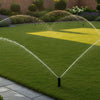
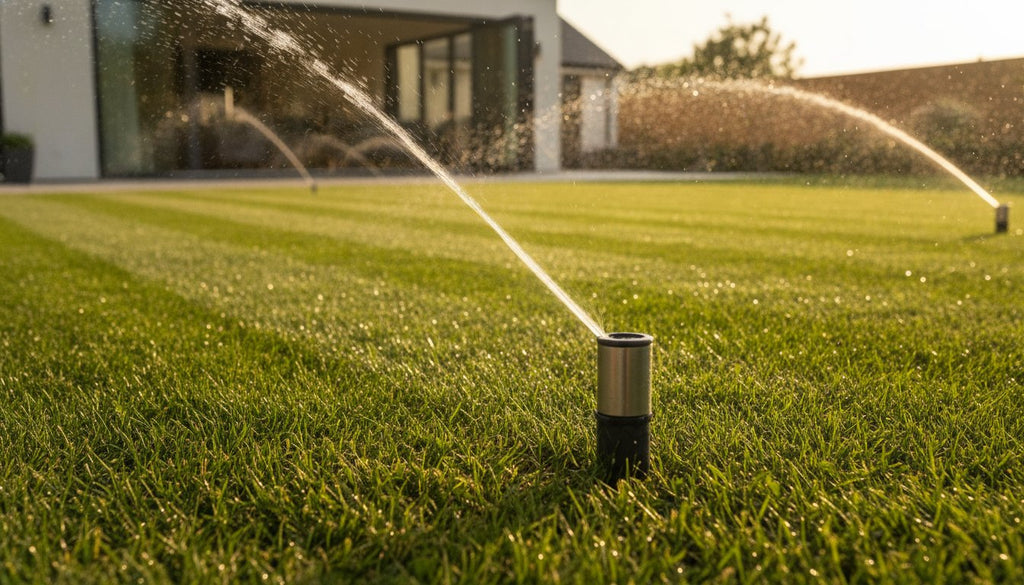
Achieving an effortless green: pop-up lawn sprinkler systems for hassle-free watering represents a significant shift from traditional manual methods. The most immediate benefit is the aesthetic advantage. Unlike traditional oscillating sprinklers that require you to drag heavy hose pipes across the lawn every evening, pop-up systems remain entirely invisible when not in use. The heads sit flush with the soil, hidden beneath the grass line until the water pressure triggers them to rise. This creates a clean, professional look that keeps your garden's design as the main focus.
Precision is another major factor. Manual watering often leads to a cycle of puddles and dry spots because it's difficult to gauge exactly how much water each area receives. Modern Irrigation sprinkler systems are engineered to provide uniform coverage. They deliver a consistent volume of water across a defined arc, ensuring every blade of grass gets the hydration it needs. This promotes deep root growth; the soil receives enough moisture to penetrate deeply, encouraging roots to grow further down rather than staying near the surface where they are vulnerable to heat. For UK homeowners, this built-in infrastructure also acts as a smart investment, often enhancing property value by showcasing a mature, well-maintained landscape.
Automation vs. Manual Watering: Saving Time and Water
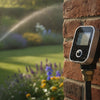
One of the biggest hurdles to a healthy lawn is the timing. Watering in the middle of a hot day causes much of the moisture to evaporate before it reaches the roots. By integrating garden irrigation water timers, you can schedule your system to run at dawn or dusk. These are the optimal times when temperatures are lower and winds are calmer. This level of automation doesn't just save water; it provides mental freedom. You don't have to remember to turn the tap on or off, allowing you to enjoy your evenings without garden chores. Many systems can be easily integrated with existing Hozelock tap timers, bridging the gap between professional-grade hardware and DIY-friendly controls.
The Safety Factor: Trip Hazards and Lawn Care
Safety is often overlooked when choosing irrigation. Hose pipes left on the lawn are notorious trip hazards for children and pets. Because pop-up systems are buried underground, they eliminate this risk entirely. This also makes lawn maintenance much simpler. You can mow right over the heads without having to stop and move equipment. These systems are also more durable than surface-level alternatives. While standard hoses can degrade under UV exposure or get nicked by garden tools, the underground components are protected from the elements. By using high-quality Hozelock connectors, you can create a leak-free link from your tap to the underground network that stands up to years of use.
Understanding Sprinkler Types: Sprays, Rotors, and Low-Flow Systems
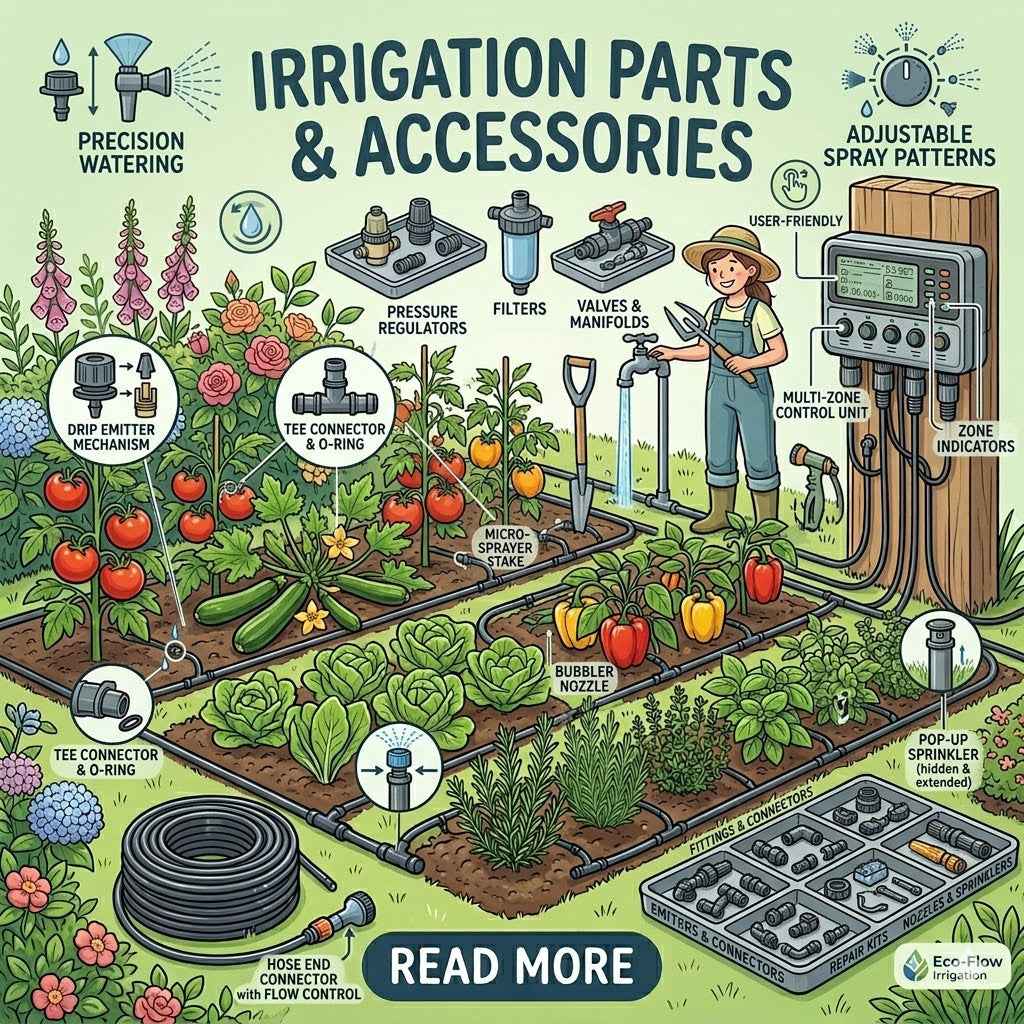
Choosing the right hardware is the foundation of an effortless green: pop-up lawn sprinkler systems for hassle-free watering. Not all gardens are built the same, so your irrigation shouldn't be either. Sprinkler heads generally fall into three categories based on the area they cover and the volume of water they discharge. Matching these to your garden's dimensions ensures every corner stays hydrated without wasting a drop.
- Spray Heads: These are best for small, intricate areas and borders. They emit a steady, fan-like spray and are perfect for narrow strips of grass where precision is vital.
- Gear-Driven Rotors: These are the powerhouses for large, open lawn spaces. They throw a single stream of water that rotates slowly across the lawn, making them highly efficient for covering vast distances.
- Variable Arc Nozzles: These allow you to customise your spray to fit your specific lawn shape. You can adjust the arc from a narrow 45 degrees to a full 360 degrees, ensuring water stays on the grass and off the patio.
Claber Colibri: The Low-Flow Revolution for UK Homes
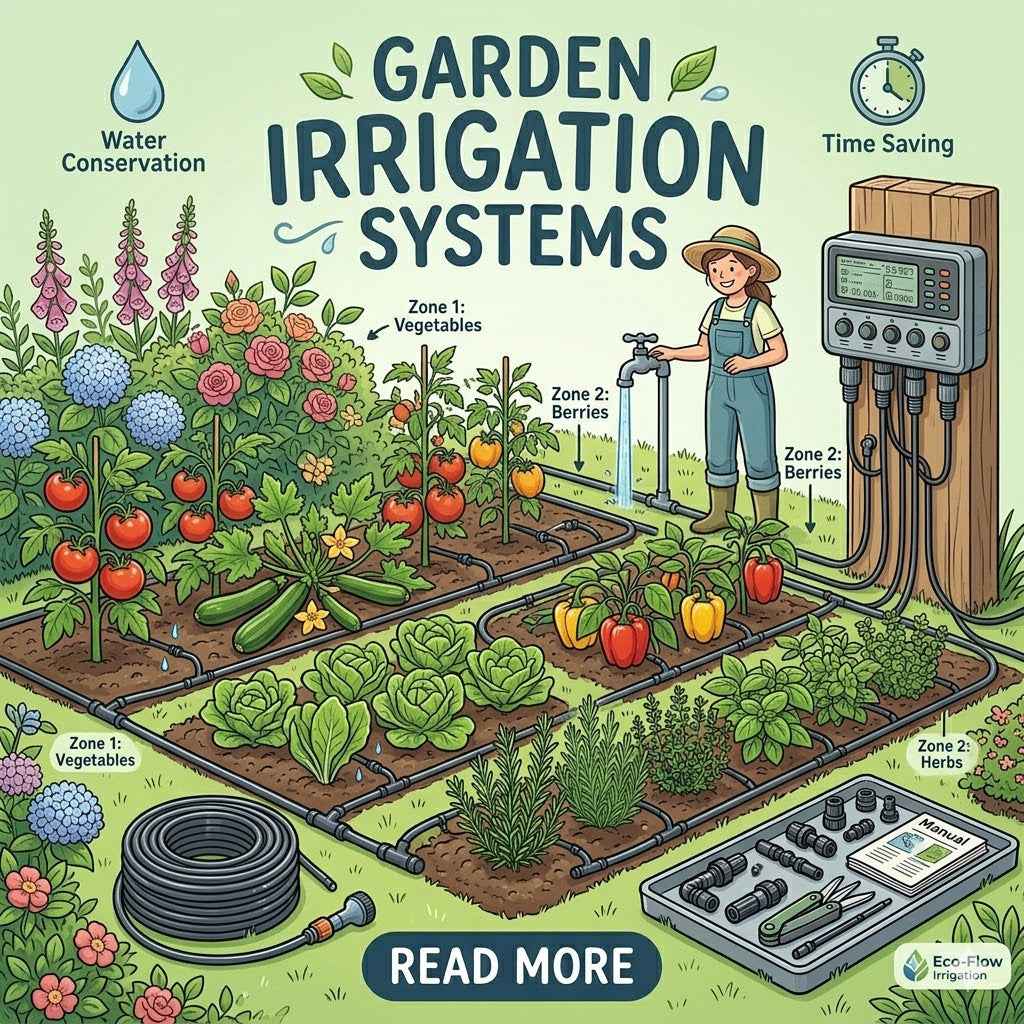
A common hurdle for UK gardeners is low water pressure. Many professional systems require a high flow rate that standard outdoor taps simply can't deliver. The Claber Colibri system solves this problem. It uses micro-sprinkler technology that works on domestic water pressure where other systems fail. It also uses smaller pipe diameters, which means less digging and a simpler installation process. The Colibri stands out as the ultimate DIY entry point for underground irrigation. If you've been told your pressure is too low for pop-ups, this is the solution you've been looking for.
Rain Bird Rotors: Precision for Larger Landscapes
When you have a larger area to cover, the Rain Bird 1800 series is the global standard for reliability. These units are built to last and can be fitted with MP Rotator nozzles for high-efficiency water distribution. These nozzles deliver water at a slower rate, allowing the soil to absorb moisture more effectively. Because they are gear-driven, they offer silent operation, so you won't disturb the neighbours during early morning watering cycles. To keep these precision heads in top shape, following a Seasonal maintenance checklist will help you identify blocked nozzles or misaligned arcs before they impact your lawn's health.
Selecting the right components is easier when you have expert guidance. You can browse our curated selection of pop-up lawn sprinkler systems to see which technology best suits your garden's layout.
How to Choose the Right System for Your Lawn Size
Designing a layout that delivers an effortless green: pop-up lawn sprinkler systems for hassle-free watering starts with data rather than guesswork. You can't simply place heads where the grass looks driest; you must understand the hydraulics of your specific garden. Without accurate measurements, your system might fail to pop up or leave unsightly brown patches during the height of a UK summer. Planning involves four clear steps: measuring flow, mapping the area, selecting your components, and accounting for obstacles like patios or trees.
The Bucket Test: Measuring Your Water Flow
The most critical step is the "Bucket Test." While static water pressure tells you the potential force, flow rate tells you the actual volume of water available to move the sprinkler heads. Use this simple formula: (Bucket size in litres / seconds to fill) x 60. For example, if it takes 30 seconds to fill a 10-litre bucket, your flow rate is 20 litres per minute (LPM). Don't try to run a zone that requires more than your measured rate. Over-extending a single zone beyond the tap’s capacity is the most common reason DIY systems underperform, as the heads won't have enough power to lift and rotate.
Planning for 100% Coverage (Head-to-Head)
To avoid dry spots, you must plan for "head-to-head" coverage. This means the spray from one sprinkler head should reach all the way to the base of the next one. Because sprinklers naturally deliver less water at the very edge of their throw, overlapping the sprays ensures every inch of grass receives the same amount of moisture. You can find visual help for this in our design ideas and plans. Consulting a guide to home lawn watering also highlights that uniform distribution is essential for deep root health. Use a mix of 90° heads for corners, 180° for straight edges, and 360° for central open spaces to keep water on the lawn and off your garden furniture.
Finally, decide whether a pre-configured kit or a bespoke build fits your needs. Kits are excellent for standard rectangular or square lawns because they include all the necessary pipework and connectors in one package. However, if your garden has intricate flower beds or large established trees, a bespoke component build allows you to tailor the spray patterns more precisely. Mapping these obstacles on paper first will save you significant time when you begin the physical installation.

Standout Pop-Up Sprinkler Kits for Effortless Watering
Once you've mapped your lawn and calculated your flow rate, the next step is selecting the hardware that brings your plan to life. Achieving an effortless green: pop-up lawn sprinkler systems for hassle-free watering depends on using high-quality, matched components. For most UK gardens, a pre-configured kit is the most efficient way to ensure compatibility between pipes, connectors, and heads. These systems are engineered to work together, taking the guesswork out of your DIY project.
Complete DIY Kits for Small to Medium Lawns
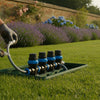
The Claber Colibri series is the standout choice for residential irrigation in the UK. Specifically, the Claber Colibri 100m² Kit (90200-2) is the premier choice for larger domestic lawns. It's a comprehensive package that includes the underground feeding pipe, all necessary connectors, and the pop-up heads themselves. Because these kits use low-flow micro-sprinkler technology, they're much easier to install than traditional industrial systems. You won't need to hire heavy machinery to dig deep trenches; the small-diameter piping only requires a shallow cut into the turf. You can browse our full pop-up lawn sprinkler systems collection to find the exact size that fits your garden's dimensions, from 50m² to 100m² options.
Solving Tricky Shapes: Strip and Square Sprinklers
Not every lawn is a perfect circle or rectangle. If you have narrow grass verges or awkward corners, standard 360° heads will waste water on your fences or patio. This is where specialised heads become essential. The Claber End Strip Pop-Up (90121) is designed specifically for long, narrow areas, throwing a rectangular pattern rather than a circular one. Similarly, the Claber Square Pop-Up (90133) provides precise coverage for square or rectangular zones, ensuring water stays strictly on the grass. By mixing these with standard 180° and 360° low-flow heads, you can create a targeted watering plan that covers every inch of your lawn without over-spraying onto your house or garden furniture.
For those who want total control, the Claber HYDRO-4 Bluetooth system allows you to manage multiple zones directly from your smartphone. This advanced valve box sits underground and connects to your tap, letting you set independent schedules for different parts of your garden. To ensure your investment lasts, we always recommend using a Sprinkler Guard. These simple protective rings sit around the head and prevent accidental damage from lawnmowers or heavy foot traffic. If you're ready to upgrade your garden, you can explore our complete range of Garden Watering Kits to find the perfect starting point for your landscape.
DIY Installation and Seasonal Maintenance
Installing your own irrigation system is often the most rewarding part of the process. While the thought of digging up the garden might seem daunting, domestic pop-up systems are designed for minimal disruption. You don't need to excavate deep, professional-grade channels; a depth of 15-20cm is sufficient to protect the pipework from garden machinery like aerators while keeping the project manageable. This shallow depth ensures that achieving an effortless green: pop-up lawn sprinkler systems for hassle-free watering remains a practical weekend task for any competent DIYer.
The "Trenchless" Approach for Established Lawns
For established lawns, you can use a "trenchless" method to preserve your turf. Instead of digging a wide trench, use a sharp spade to create a vertical slit in the grass. Gently rock the spade back and forth to create a small opening, then tuck the pipe inside. This technique allows the grass to heal almost immediately, often becoming invisible within a few days. To ensure a professional finish, use threaded elbow and tee connectors for all your junctions. These provide a much tighter seal than basic push-fit alternatives. For a deeper look at how these components fit into a wider garden plan, our Hozelock automatic watering system guide offers excellent context on overall system design.
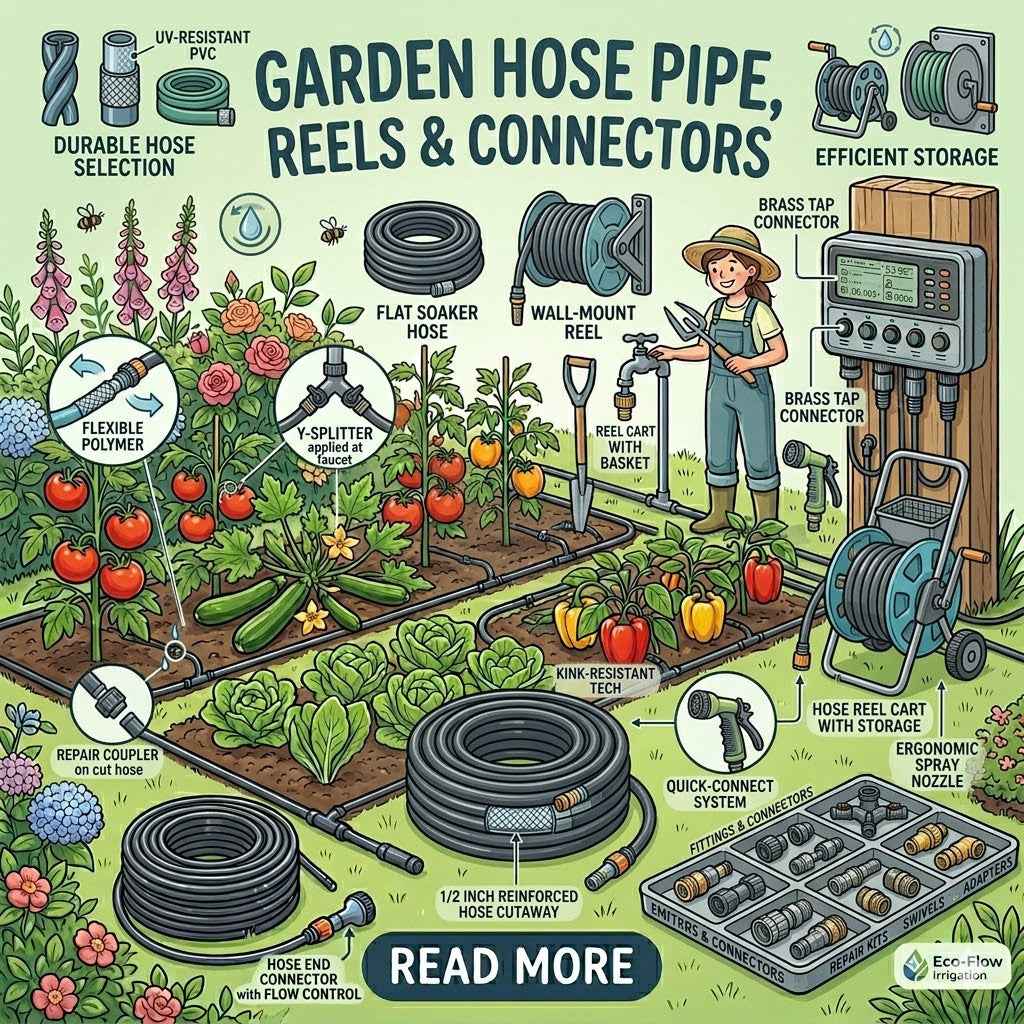
Connecting the system to your water source is the final assembly step. By using high-quality Hozelock connectors, you can create a secure, leak-free link from your outdoor tap to the underground network. Before you backfill any soil, you must perform a "wet test." Turn the water on while the pipes are still exposed. This allows you to check every joint for leaks and adjust the spray arcs of each head. It's much easier to tweak a 180-degree nozzle now than it is once the turf has settled over the heads.
Essential Winter Maintenance
Winterisation is the most important part of seasonal care in the UK. Water trapped in pipes can freeze and expand, leading to cracked fittings or damaged sprinkler heads. You should install a manual drain valve at the lowest point of each zone to let gravity empty the system. Alternatively, you can blow out the lines using a small air compressor. Don't forget to remove your tap timer and store it in a frost-free shed or garage over the winter. In the spring, simply clean the filter screens in each head to remove any sediment. This simple routine ensures your effortless green: pop-up lawn sprinkler systems for hassle-free watering continue to perform perfectly for the new season.
Ready to Enjoy a Lush, Maintenance-Free Lawn?
At Garden Watering, we bring over 15 years of expert irrigation experience to every project. We specialise in high-quality components from industry leaders like Claber, Rain Bird, and Hozelock, ensuring your DIY installation is supported by professional-grade equipment. We also offer free UK delivery on orders over £50 to help you get started. Shop our complete range of Pop-Up Lawn Sprinkler Systems and transform your outdoor space into a thriving, automated oasis. You've got the knowledge to succeed, and we're here to provide the tools.
Frequently Asked Questions
Do I need high water pressure for a pop-up sprinkler system?
No, you don't necessarily need high pressure to enjoy an automated lawn. While some industrial rotors require significant force, low-flow systems like the Claber Colibri are designed specifically for standard UK domestic taps. These micro-sprinklers operate efficiently at lower flow rates, making them accessible for most homes without the need for expensive pump upgrades. Always perform a bucket test to confirm your specific flow rate before choosing your kit.
How deep do pop-up sprinkler pipes need to be buried?
You only need to bury your pipes approximately 15cm to 20cm deep for a domestic system. This depth is sufficient to keep the infrastructure safe from lawnmowers and aerators while remaining easy to dig by hand. It also ensures the heads sit flush with the soil surface when retracted. This shallow approach makes achieving an effortless green: pop-up lawn sprinkler systems for hassle-free watering a manageable weekend DIY project.
Can I install a pop-up sprinkler system on an existing lawn?
Yes, you can easily install these systems on established turf using a "trenchless" method. By using a sharp spade to create a narrow vertical slit rather than a wide trench, you can tuck the pipework beneath the surface with minimal disturbance. The grass usually heals and hides the installation line within a few days, especially if you water the area immediately after backfilling the soil.
How many pop-up sprinklers can I run off one garden tap?
The number of sprinklers depends entirely on your tap's flow rate and the water requirements of each head. A typical UK garden tap might support 3 to 5 low-flow heads per zone. If your lawn is larger and requires more coverage, you can split the system into multiple zones using a manifold. This ensures each head receives enough pressure to pop up and rotate correctly.
Will a pop-up sprinkler system work with a Hozelock water timer?
Yes, these systems are fully compatible with Hozelock water timers and other standard controllers. You can connect the main supply pipe directly to the timer using standard threaded adaptors. This allows you to automate your watering schedule for early morning or late evening, which is the most efficient way to maintain your landscape. It's a simple way to create a "set and forget" irrigation solution.
What happens to pop-up sprinklers in the winter?
Pop-up sprinklers stay underground during the winter, but the system must be drained to prevent frost damage. Water left in the pipes can freeze and expand, potentially cracking the plastic components or the heads themselves. Use a manual drain valve at the lowest point of your layout to empty the lines. Removing the tap timer and storing it in a frost-free shed is also vital for longevity.
Are pop-up sprinklers better than oscillating sprinklers?
Pop-up sprinklers offer several advantages over traditional oscillating models, primarily in aesthetics and precision. Because they are buried, they don't require you to drag hoses across the grass or store bulky equipment after every use. They also provide more uniform coverage, which eliminates the puddles and dry spots often caused by manual sprinklers. This results in a truly effortless green: pop-up lawn sprinkler systems for hassle-free watering.
How do I stop my lawnmower from damaging the sprinkler heads?
You can prevent mower damage by ensuring the heads are installed exactly flush with the soil level. When the water is off, the heads retract completely, allowing you to mow right over them without any risk. For added protection in high-traffic areas, you can use a sprinkler guard. This hard plastic ring sits around the head to deflect mower blades and prevent soil from compacting around the nozzle.
`-
Posted in
Automatic Watering, Claber, DIY Irrigation, effortless green: pop-up lawn sprinkler systems for hassle-free watering, Garden Watering, Lawn Care, Lawn Sprinklers, Pop-Up Sprinklers, UK Gardening