Hozelock Drippers: Watering Pots, Beds & More (2026 Guide)
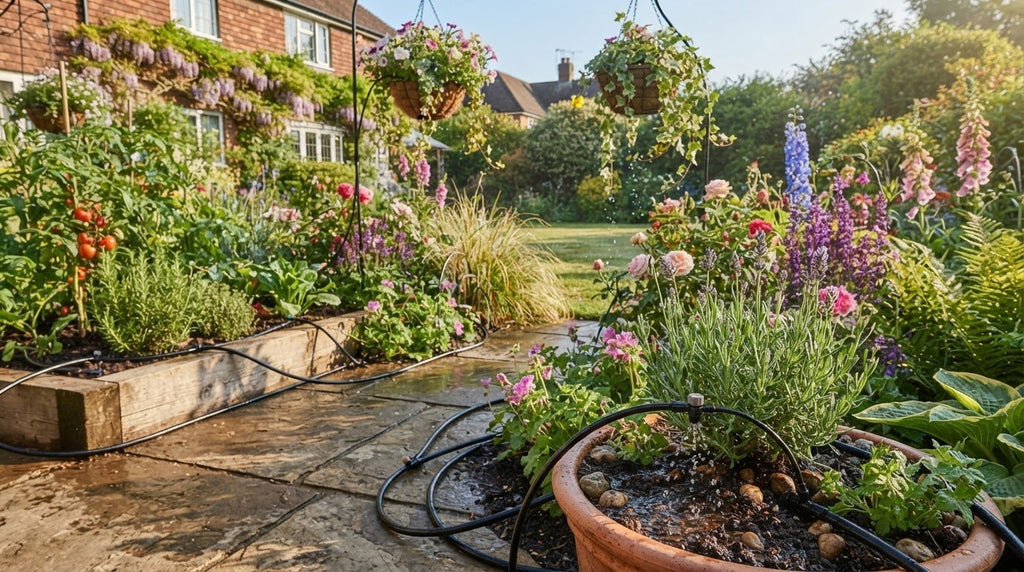
What if the secret to a flourishing garden isn't laying endless pipe, but matching emitter flow directly to root volume? With the right hozelock drippers | efficient watering for pots, beds & more becomes remarkably simple once you understand how each plant drinks.
Watching patio pots bake in summer heat while worrying about popped fittings, confusing pipe sizes, or dripping pressure regulators can make garden irrigation feel daunting. It's frustrating to haul heavy watering cans every evening only to find half your hanging baskets parched and water pooling on the patio flags.
You don't need a plumbing background to create a dependable, leak-free micro-irrigation system. In this guide, you'll discover how to select the exact dripper style your containers and borders need, configure balanced supply lines effortlessly, and keep your garden lush while conserving precious mains water. We'll walk you through the essential components and practical steps to ensure healthy, targeted hydration all season long.
Key Takeaways
- Discover how hozelock drippers | efficient watering for pots, beds & more deliver moisture straight to the root zone, preventing runoff and protecting plants during warm spells.
- Match the right emitter styles to your layout, whether you need adjustable trickle control for sensitive hanging baskets or pressure-compensating drippers for long border runs.
- Eliminate pressure drops and popped connections by understanding how to balance standard 13mm central supply pipe with flexible 4mm micro tubing.
- Keep your micro-irrigation system performing reliably year after year with simple filtration habits and straightforward winterising techniques.
Why Choose Hozelock Drippers for Pots, Beds, and Borders?
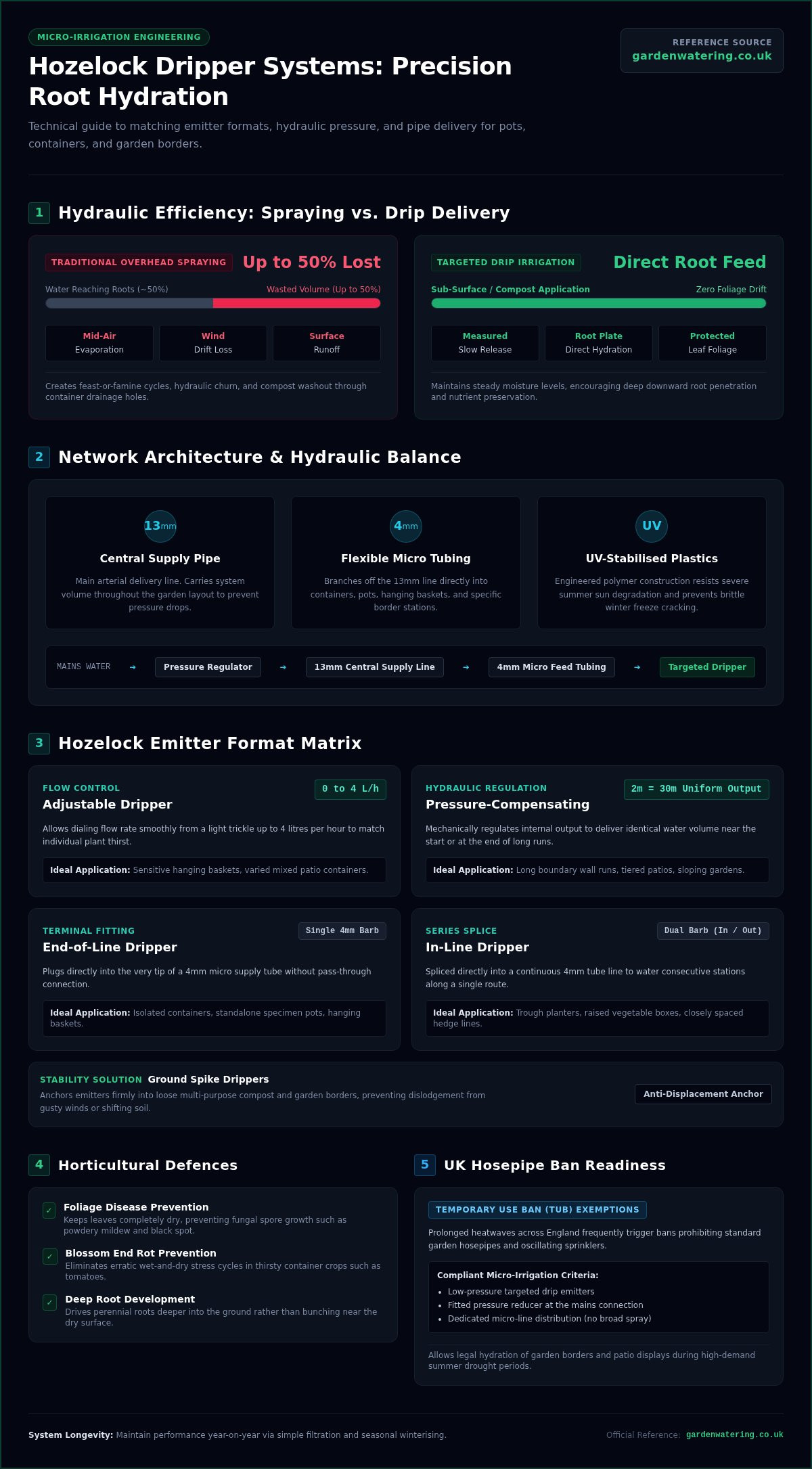
Watering by hand often creates a feast-or-famine cycle that exhausts container plants and wastes valuable tap water. Overhead spraying loses up to half its volume to mid-air evaporation, wind drift, and surface runoff. By contrast, drip irrigation applies moisture directly where the plant drinks: at the root plate beneath the soil surface. Choosing proven hozelock drippers | efficient watering for pots, beds & more ensures each perennial, shrub, and patio planter receives a measured, slow release of water without drowning the compost.
To see how an emitter network delivers water evenly across diverse outdoor layouts, watch this helpful overview:
Every dripper in the range uses UV-stabilised plastics built to handle intense summer sunshine and winter freezes alike. This durable engineering prevents the brittle cracking common in unbranded fittings, giving you a lasting system that preserves consistent soil hydration. Stable moisture levels eliminate the erratic drying cycles that cause blossom end rot in tomatoes and stress-induced leaf drop in hanging displays.
The Horticultural Advantage of Targeted Root Hydration
Soaking wet foliage invites trouble. When leaves stay damp under warm conditions, fungal spores take hold rapidly, leading to powdery mildew and black spot. Targeted drippers keep water firmly on the compost, protecting delicate leaves and stems. In small patio containers, slow emitter rates eliminate hydraulic churn, meaning compost stays loose and nutrient-rich rather than washing out through drainage holes. Perennials respond by driving roots deeper into the ground rather than bunching near the dry surface.
Water Regulations and Hosepipe Ban Readiness in the UK
Prolonged heatwaves across England frequently trigger Temporary Use Bans (TUBs) that prohibit standard garden hosepipes and oscillating sprinklers. However, low-pressure drip irrigation systems often fall under specific exemptions when paired with targeted emitters and pressure reducers. Setting up dedicated micro-lines ensures your garden stays hydrated legally during high-demand summer months. If you are building a tailored setup from scratch, browsing the complete Hozelock watering collection provides the essential pressure regulators, fittings, and timers needed to maintain strict ban compliance.
Comparing Hozelock Dripper Types: Which Model Fits Your Garden?
Choosing the right emitter format makes the difference between thriving displays and frustrating puddles. Using hozelock drippers | efficient watering for pots, beds & more gives you complete control over your outdoor spaces, provided you align each emitter design with the specific planting environment. Standard adjustable models let you dial flow rates smoothly from a light trickle up to four litres per hour, catering to thirsty specimens without drowning neighbouring plants.
When layouts span long boundary walls or tiered patios, pressure-compensating models prove indispensable. These specialised emitters regulate internal output mechanically, delivering an identical volume of water whether placed two metres or thirty metres from the pressure regulator. Standard drippers, on the other hand, naturally emit more water near the mains connection and taper off toward the line's end.
End-of-Line Drippers vs In-Line Drippers
Understanding the hydraulic difference between these two fittings avoids unnecessary cutting and tangled micro-pipes:
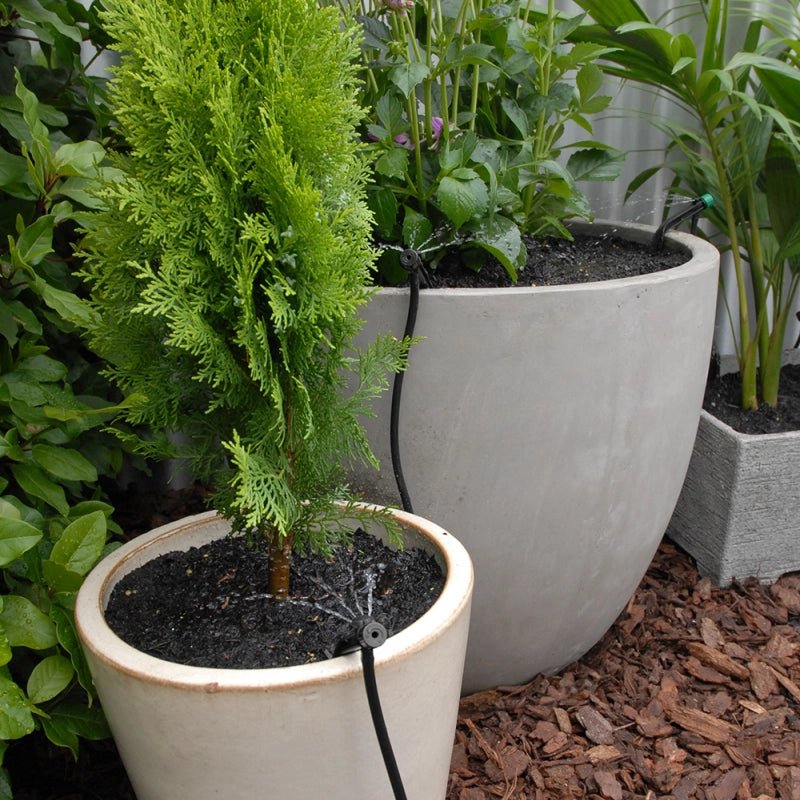
- End-of-Line Drippers: These plug directly into the very tip of a 4mm micro supply tube. They are ideal for isolated containers, hanging baskets, and standalone specimen pots where a single dedicated pipe branches off the main line to water one root zone.
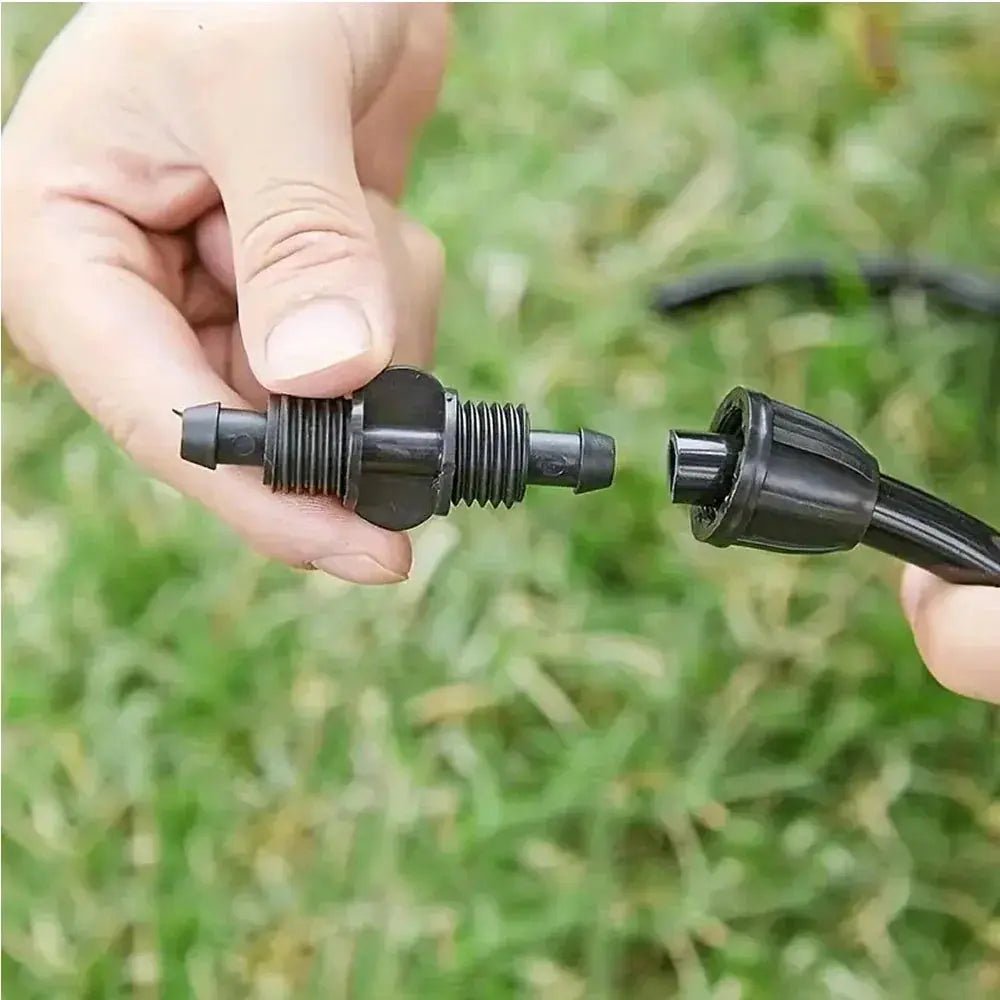
- In-Line Drippers: These feature inlet and outlet barbs, allowing you to splice them directly into a continuous 4mm tube. Use them for trough planters, raised vegetable boxes, or closely spaced hedge lines where water must travel through one plant station onward to the next.
Ground Spike Drippers for Deep Containers and Borders
Loose multi-purpose compost often shifts under heavy watering or gusty winds, knocking lightweight emitters out of position. Ground spike drippers solve this nuisance by anchoring the emitter firmly into the root ball. Integrated stakes keep nozzles stable against inquisitive pets and garden birds, ensuring moisture always soaks downward into the core compost rather than spraying sideways across patio stones.
Micro Sprays and Shrubblers for Broad Root Zones
Large containers and vigorous raised beds often feature extensive feeder root networks that outgrow a single, pinpoint drip. Shrubblers and micro-sprays emit a gentle 360-degree umbrella pattern up to 100cm in diameter, distributing hydration across the entire pot surface. If you want to explore balanced kit options that combine various emitter types for mixed planting, take a closer look at complete drip irrigation systems to streamline your planning.
Key Features to Evaluate Before Buying Hozelock Drippers
Planning an irrigation layout requires balancing water delivery with pipeline hydraulics. Selecting the right hozelock drippers | efficient watering for pots, beds & more comes down to understanding how pipe diameters, tap pressure, and plant counts interact. When these elements align, every pot receives adequate hydration without bursting joins or starving emitters further down the line.
A frequent error involves connecting too many micro-tubes to a single pipe run. A standard 13mm main supply pipe acts as the primary backbone, carrying adequate volume around garden borders or along patio walls. Narrow 4mm feeder pipes branch off this line to supply individual pots. Restricting 4mm runs to short lengths (ideally under two or three metres each) prevents severe friction loss, ensuring water actually pushes through to the emitter.
Flow Control Adjustability and Output Calibration
Potted plants exhibit drastically different watering appetites. A shallow ceramic pot of alpine succulents might need only a few drops, while a vigorous tomato vine in full fruit requires several litres daily. Twist-cap adjustable drippers solve this imbalance directly at the root zone:
- Calibrated Output: Rotate the textured cap to dial delivery from a bare trickle up to full capacity, catering to distinct species on the same supply line.
- Individual Shut-Off: Close selected drippers entirely when spring bedding fades or when moving pots elsewhere, without interrupting water flow to the rest of the garden.
- Visual Confirmation: Transparent or textured adjustment caps let you see and set spray and drip patterns instantly during an operational test.
Mains Pressure Regulation and System Balancing
Domestic UK outdoor taps commonly run between 2 and 4 bar of pressure. Micro-irrigation components, however, operate most reliably around 1 to 1.5 bar. Direct tap pressure risks popping emitters out of pipes and blowing push-fit joints apart. Fitting a dedicated pressure regulator at the outdoor tap curbs excess force immediately. Pairing this step with genuine Hozelock connectors creates watertight seals that withstand backpressure without weeping.
Automation Compatibility with Digital Water Timers
Pairing your dripper circuit with an automated tap timer transforms routine watering into an effortless background task. Setting schedules for dawn or late dusk ensures compost absorbs moisture before daytime heat creates surface evaporation. This combination provides total reassurance when leaving your garden unattended during holidays. Integrating quality units from our curated garden irrigation water timers gives you precise programming intervals, keeping root moisture stable across every seasonal change.
How to Design and Assemble Your Hozelock Drip Watering Layout
Sketching a simple plan on paper before uncoiling pipe prevents wasted cuts and hydraulic imbalances. When setting up hozelock drippers | efficient watering for pots, beds & more, always visualise your tap location, the main line path, and individual pot clusters. Mapping your layout first ensures your water pressure stays uniform across every plant station.
Step 1: Routing Main Supply and Micro Tubing
Run your 13mm main supply pipe from the tap connection along wall bases, decking edges, or garden border perimeters. Keep the line out of direct footpaths to prevent accidental kicks. If push-fit barbed connectors feel stiff, dip the pipe ends into a mug of warm water for ten seconds. This softens the plastic, allowing fittings to slide home smoothly for a permanent, watertight joint. Fasten the central line every metre using wall clips or pipe stakes to maintain tidy, discreet runs.
Step 2: Installing and Tuning Individual Drippers
Take a dedicated hole-punch tool and pierce the 13mm supply pipe cleanly where you need a branch. Never use a knife or nail, as irregular punctures cause leaks. Push a 4mm adaptor into the clean hole, run your micro tubing to the container, and attach your chosen emitter. Position ground spikes about three to four inches away from the central plant stem. This simple positioning encourages roots to spread wide through fresh compost rather than saturating the delicate crown.
Step 3: System Testing, Flow Balancing, and Commissioning
Before closing the line with an end plug, open the tap fully for thirty seconds to flush the system. This expels loose debris or plastic shavings that could block your emitter orifices. Once flushed, secure the end stopper and turn the water back on. Check every barb and joint for weeping, then adjust individual dripper caps until every container receives balanced output. If you are planning an intricate layout across multiple zones, consult our comprehensive Hozelock automatic watering system guide for proven design templates.
Ready to assemble your setup without second-guessing component compatibility? Browse our curated Hozelock watering kits to get every pipe, fitting, and dripper matched perfectly right out of the box.
Maintenance, Troubleshooting, and Winterising Your Drippers
Micro-irrigation systems are remarkably reliable, but small emitter apertures remain sensitive to physical blockages and seasonal temperature swings. Routine care keeps hozelock drippers | efficient watering for pots, beds & more operating at peak hydraulic efficiency throughout the growing season. A brief mid-season check and a thorough autumn shutdown ensure you won't face cracked plastic fittings or blocked lines when spring returns.
Debris prevention starts at the tap. Installing an inline mesh filter directly after your pressure regulator stops fine sand, pipe rust, and algae from entering the pipe network. Without upstream filtration, microscopic particles travel down the 13mm line and lodge inside narrow 4mm emitter ports, reducing output unevenly across your beds.
Diagnosing and Resolving Common Dripper Flow Issues
When an individual pot dries out while others thrive, troubleshoot the line methodically:
- Inspect for Kinks: Check the 4mm micro line between the main supply pipe and the container. Tight bends or crushed tubing behind pots quickly cut off flow.
- Flush the Emitter: Unscrew the textured top cap of the affected dripper. Turn the water on briefly to flush away trapped silt before screwing the cap back in place.
- Check for Root Intrusion: Emitters buried in damp compost can suck soil back into the nozzle orifice when pressure drops. Lift the head slightly above the soil surface using a ground stake.
Protecting Your System from Hard Water Scale
In hard water areas across the South and East of England, dissolved calcium carbonate precipitates inside dripper mechanisms as water evaporates between cycles. This creates a crusty white limescale deposit that narrows the water path over time. If you notice a gradual reduction in spray or drip performance, unclip the emitters and soak them in a 50/50 mixture of warm water and white vinegar for thirty minutes. The mild acid dissolves mineral crusts cleanly without damaging the internal silicone diaphragms.
Essential End-of-Season Winterisation Routine
Standing water expands as it freezes, which easily splits rigid plastic manifolds and ruptures internal timer valves. Prepare your system before the first hard frost by disconnecting battery-operated timers and tap-mounted regulators, storing them indoors in a shed or garage. Pull off the 13mm end plugs at the lowest points of your garden to let gravity drain trapped water from the tubing. When spring arrives, you can simply reconnect your tap assembly and inspect our specialised Hozelock drippers collection to replace worn components or expand lines into new planters.
Transform Your Garden Hydration with Precision Drip Care
Achieving a flourishing patio display and vibrant flower borders doesn't require hours hauling heavy hoses or second-guessing soil moisture. By setting up hozelock drippers | efficient watering for pots, beds & more, you direct water straight to root plates where plants absorb nutrients best, eliminating surface evaporation and staying resilient through dry spells. Balancing 13mm supply lines with the right adjustable emitters keeps your micro-irrigation system dependable, efficient, and leak-free.
With over 15 years of trusted UK irrigation specialist experience, Garden Watering supplies a complete range of genuine UV-resistant Hozelock watering components. Our dedicated team provides expert customer advice to help configure your ideal garden layout without the frustration of mismatched fittings. Explore the Hozelock drippers collection for healthier plants and give your outdoor space the effortless, targeted hydration it deserves all summer long.
Frequently Asked Questions
Can Hozelock drippers be used with an ordinary outdoor garden tap?
Yes, you can connect them directly to a standard threaded outdoor tap using a basic threaded adaptor. However, domestic mains pressure usually sits between 2 and 4 bar, which is too high for delicate micro-irrigation lines. You should always attach a pressure reducer directly at the tap. This lowers pressure to around 1.5 bar, protecting push-fit joints from weeping or blowing apart under sudden surges.
How many Hozelock drippers can I run on a single garden watering line?
You can typically run between 20 and 30 standard drippers on a single 13mm main supply line. The exact limit depends on your home water pressure and the litre-per-hour output of your chosen emitters. Exceeding this capacity causes noticeable pressure drop at the far end of the pipe. If you have a larger garden, split your layout into multiple dedicated zones using a dual-outlet timer.
What is the difference between pressure compensating and standard Hozelock drippers?
Pressure compensating drippers deliver a fixed flow rate regardless of variations in pipeline pressure or garden elevation. Standard drippers naturally release more water near the tap and less toward the end of the line. Choosing pressure compensating models ensures uniform hydration across sloping borders or lengthy runs. When configuring hozelock drippers | efficient watering for pots, beds & more becomes predictable across every tier of your patio.
How do I prevent my Hozelock drippers from clogging with dirt or limescale?
Fit an inline mesh filter at your tap connection to catch rust, silt, and grit before water enters the pipe network. In hard water areas, dissolved calcium deposits can build up around the emitter orifice over time. Clean clogged heads by soaking them in a warm white vinegar solution for thirty minutes to dissolve mineral scale cleanly. Periodic line flushing also prevents fine sediment accumulation.
Can I leave Hozelock drippers outside in my garden over the winter?
The supply pipe and UV-stabilised drippers can remain outdoors year-round, but you must drain all standing water before the first hard freeze. Remove the 13mm end plugs so gravity drains trapped moisture that could otherwise freeze and crack fittings. Always disconnect tap-mounted water timers and pressure regulators, storing them indoors in a frost-free shed or garage to prevent internal valve damage.
How much water does an adjustable Hozelock dripper use per hour?
An adjustable dripper uses between 0 and 40 litres per hour depending on how far you rotate the textured control dial. Standard micro-drippers typically operate at lower, fixed rates of around 2 to 4 litres per hour. With hozelock drippers | efficient watering for pots, beds & more is straightforward to manage because you can calibrate flow precisely to match each plant's specific thirst.
Can I connect Hozelock drippers to a rainwater harvesting butt?
Yes, but gravity alone rarely creates sufficient water pressure to push through micro-bore tubing and dripper membranes. Rain butts produce very low head pressure, often resulting in erratic dribbles or dry end emitters. To operate your dripper layout effectively from stored rainwater, connect a small submersible water butt pump. This generates the pressure required to distribute water evenly across your container collection.
`-
Posted in
beds & more, container gardening, drip irrigation, garden maintenance, garden watering, Hozelock, hozelock drippers | efficient watering for pots, micro irrigation, plant hydration