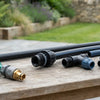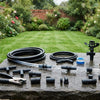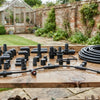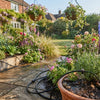
Hozelock Irrigation System Components: The Complete 2026 UK Guide
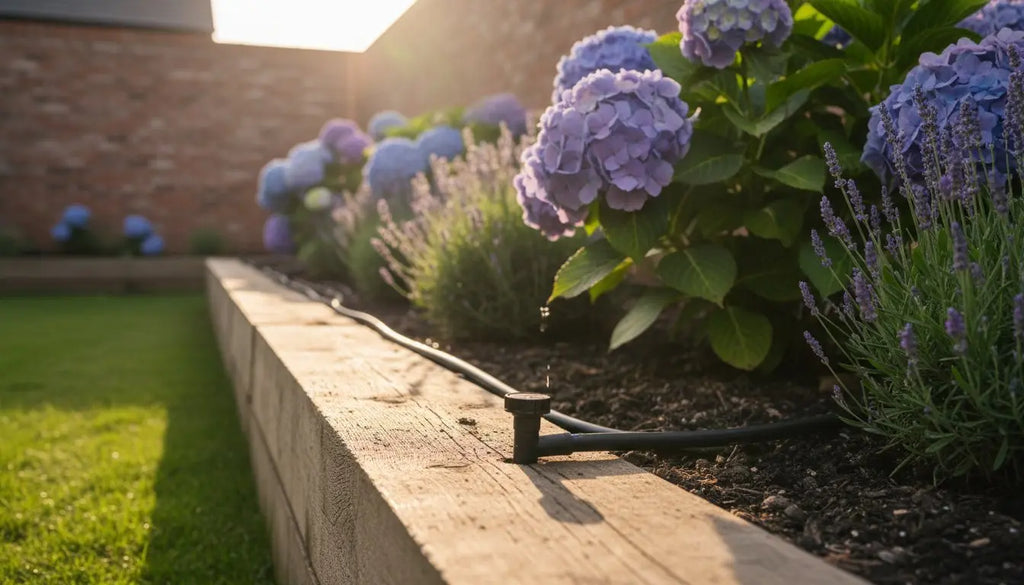
Imagine standing in your garden on a warm July evening, holding a 4mm micro pipe that refuses to connect to your 13mm supply line while your prized hydrangeas begin to wilt. It's a common frustration for UK gardeners who find themselves lost among the shelves of orange plastic, unsure which hozelock irrigation system components actually fit together. We understand that building a reliable system shouldn't feel like a complex puzzle, especially when you want a garden that thrives with minimal effort.
You likely agree that an automated system should provide peace of mind, not a series of leaks or disappointing water pressure at the end of the line. This guide will help you master the Hozelock ecosystem by explaining exactly how every connector, pipe, and dripper works in harmony. We'll walk you through the essential shopping list for 2026, from choosing the right standards to selecting the best drippers for your specific plant types, ensuring your automated garden remains lush and healthy all year round.
Key Takeaways
- Learn the simple "ABC" framework to master all hozelock irrigation system components, turning a complex setup into a modular and manageable DIY project.
- Discover why the pressure regulator is the essential "heart" of your system, preventing frustrating pipe "pop-offs" and maintaining consistent water pressure.
- Master the physics of water flow by understanding the critical differences between 13mm mainline piping and 4mm micro-tubes to ensure efficient delivery.
- Select the perfect delivery method for your plants, including how Pressure Compensating (PC) drippers provide even coverage for sloped UK gardens.
- Ensure long-term success by learning how to calculate "Total Flow Demand" and following our expert 5-step planning guide to avoid system failure.
Understanding the Hozelock Ecosystem: The ABC of Irrigation
Hozelock has established itself as the primary standard for garden watering across the UK. Their system isn't just a collection of hoses; it's a modular ecosystem designed for DIY flexibility. By choosing genuine hozelock irrigation system components, you ensure that every joint and seal remains watertight. Cheap imitations often lead to pressure drops and wasted water, but the precision engineering of Hozelock parts provides the "click-and-connect" reliability that British gardeners have trusted for decades.
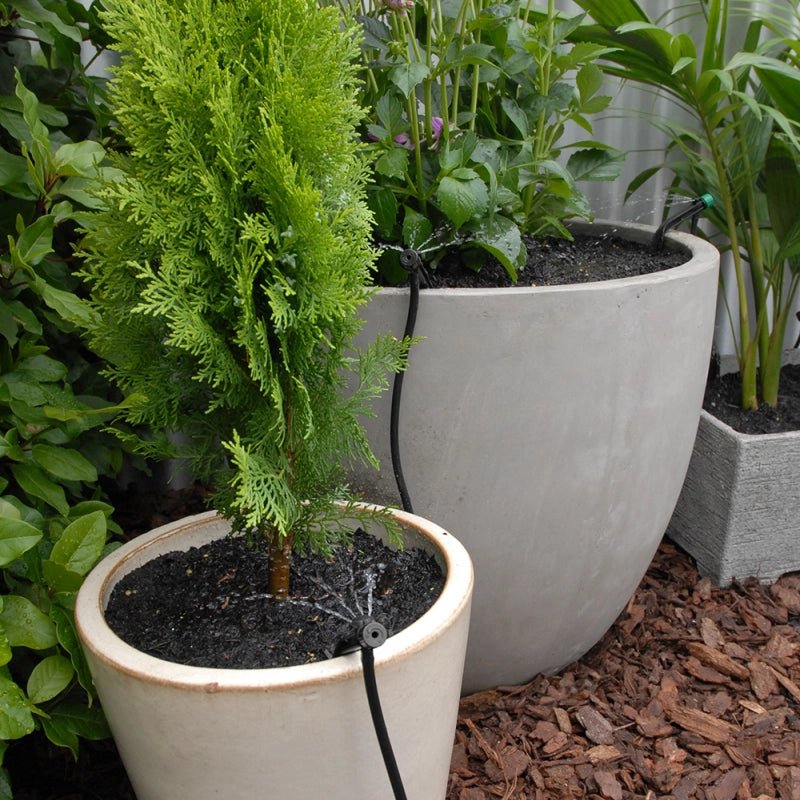
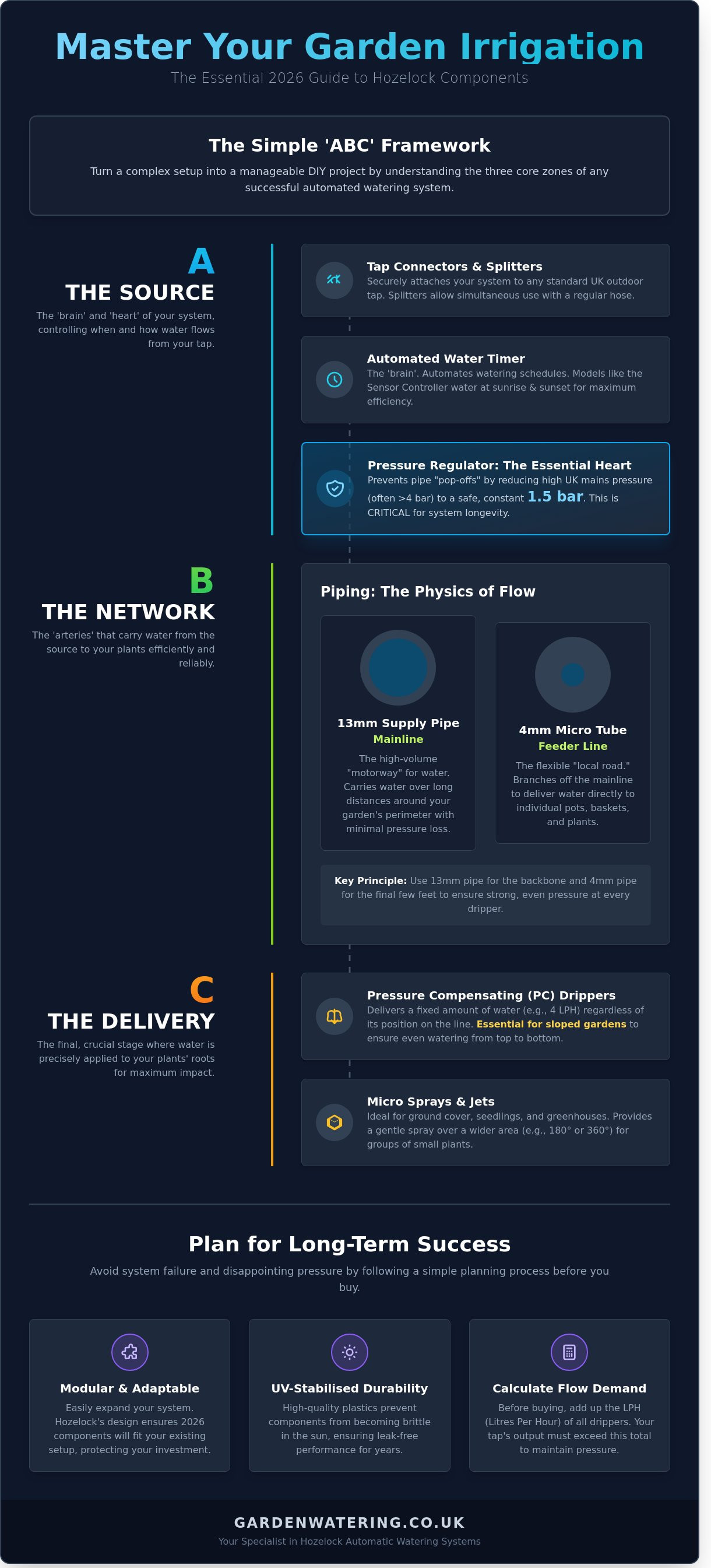
To simplify your planning, we categorise the system into an "ABC" framework. "A" represents the Source, which includes your outdoor tap, a water butt, and the essential water timer that automates the process. "B" is the Pipeline, consisting of the main supply tubes and the various connectors that route water around your garden's perimeter. Finally, "C" stands for Delivery. This is where Drip irrigation emitters, micro-sprays, or porous soaker hoses release water directly to your plants' roots, ensuring maximum efficiency and minimal evaporation.
To better understand this concept, watch this helpful video:
Why modularity matters for UK gardens
UK gardens rarely follow a perfect square or rectangular grid. Most feature awkward shapes, side passages, or tiered flower beds that make traditional sprinklers ineffective. Hozelock’s modular design allows you to build a custom layout that weaves through these specific spaces. You can start with a small kit for a few patio pots and expand the system as your collection grows. A significant advantage is the longevity of the design; your existing setup will be fully compatible with new 2026 components, protecting your investment for years to come.
- Adaptability: Easily add new branches to your pipeline for seasonal bedding plants.
- Precision: Use different delivery "bits" for thirsty vegetables and delicate flowers on the same line.
- Durability: High-quality UV-stabilised plastics prevent the components from becoming brittle in the sun.
The benefit of a brand-specific specialist
Selecting the right hozelock irrigation system components is easier when you work with a partner who understands the nuances of the range. We've spent over 15 years specialising exclusively in these systems, helping thousands of customers move away from manual watering. This experience allows us to identify exactly which adaptors or pressure regulators you need for your specific garden pressure. Buying from a specialist ensures you receive the latest technology and genuine parts that guarantee leak-free performance. For more detailed advice on planning your setup, read our Hozelock Automatic Watering System Guide.
Zone A: The Source - Timers, Pressure Regulators, and Tap Connectors
Every successful garden setup begins at the tap. Think of this point as both the "brain" and the "heart" of your setup. It's where you control when water flows and ensure it moves through your hozelock irrigation system components with the right amount of force. Without a solid foundation at the source, even the best-laid pipes can fail under pressure.
One of the most critical parts of this foundation is the Pressure Regulator. UK mains water pressure can be surprisingly high, often exceeding 4 bar. This intensity is great for a power shower but can cause irrigation pipes to "pop off" their fittings or lead to uneven watering. A Hozelock pressure regulator reduces this to a constant 1.5 bar; this protects your system and ensures that microirrigation systems operate at their peak efficiency. It's a small investment that prevents major headaches.
You also need to decide between manual tap splitters and automated controllers. While a simple splitter allows you to run a hose and an irrigation line simultaneously, an automated controller provides true freedom. The Hozelock Sensor Controller is a standout choice here. It uses an integrated light sensor to automatically trigger watering at sunrise and sunset. These are the best times to reduce evaporation and keep plants healthy.
Choosing your Water Timer
Selecting the right timer depends on your schedule and garden size. Simple dial timers are perfect if you want to set a duration and walk away. However, digital programmers offer much more flexibility; they allow you to set specific days and multiple start times. If you want to take the guesswork out of seasonal changes, look for models with "Daylight Sensor" technology. These adjust automatically as the days get shorter or longer. You can browse our full range of Garden Irrigation Water Timers to find your perfect match.
Essential Tap Connectors and Adaptors
Before you buy, check your tap size. Most UK outside taps are 1/2 inch, 3/4 inch, or occasionally 1 inch in diameter. Measuring the outer diameter of the threaded part will tell you which adaptor you need. Safety is also a priority. UK water regulations, specifically the Water Supply (Water Fittings) Regulations 1999, often require a "backflow preventer" to ensure garden water doesn't flow back into your home's drinking supply. Using high-quality hozelock irrigation system components ensures these connections remain leak-free and compliant. Check out our Hozelock Connectors Collection to secure your setup today.
If you're unsure which connector fits your specific tap, our team is always ready to provide expert watering advice to get you started.
Zone B: The Network - 13mm Supply Pipe vs. 4mm Micro Tube
The efficiency of your garden layout depends entirely on how you move water from the source to your plants. In a professional setup, we categorise the network into two distinct parts: the "Mainline" and the "Feeder" pipes. These hozelock irrigation system components work together to balance water volume with targeted delivery. While it's tempting to run thin tubing everywhere for discretion, the physics of water friction makes this impossible. Water moving through a narrow 4mm tube faces significant resistance, which causes pressure to drop rapidly. If you attempt to run 4mm pipe for more than 5 metres, you'll likely find the emitters at the end barely a drip.
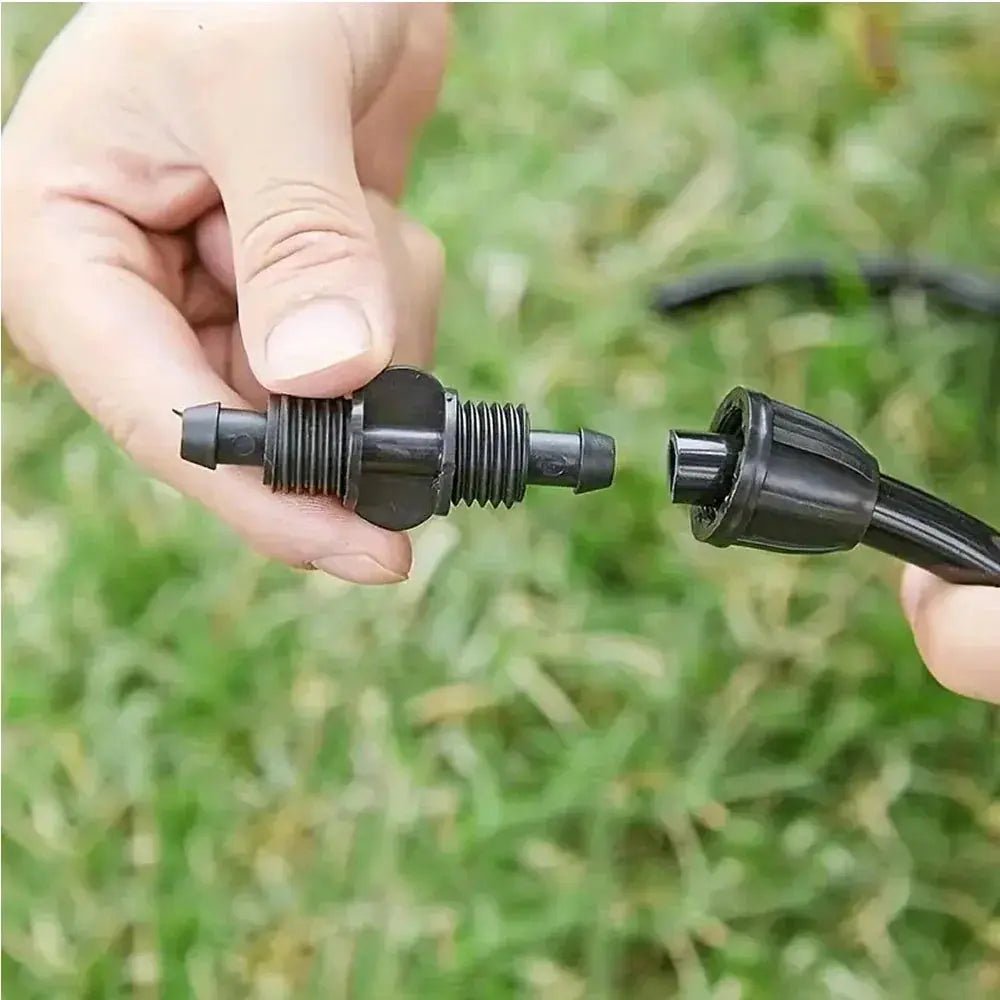
To build a reliable network, you'll need high-quality hozelock connectors to join these pipes securely. The most underrated tool in your kit is the Hozelock Hole Punch. It's designed to pierce the 13mm pipe with a precise aperture that perfectly fits 4mm joiners or drippers. Using a knife or a nail often leads to leaks, but this specialist tool ensures a watertight seal every time.
13mm Supply Pipe: The Backbone
Think of the 13mm pipe as the motorway of your system. It carries the bulk of the water at high pressure across the garden. For the best results, lay this pipe along the base of fences or hide it under a layer of bark mulch to protect it from UV degradation. You should use plastic wall clips to keep vertical runs tidy and ground stakes to pin the pipe every 1.5 metres on horizontal stretches. To maintain a functional 1.5 bar pressure across your entire garden, you should limit the total length of a single 13mm supply pipe run to 50 metres.
4mm Micro Tube: The Precision Feeder
The 4mm micro tube acts as the "off-ramp" that brings water to individual pots, hanging baskets, or specific shrubs. It's flexible and easy to hide, making it ideal for delicate areas where a thick pipe would look unsightly. You'll use a "Reducing Tee" or a 4mm joiner as the bridge between the 13mm backbone and this thinner feeder line. Assembly can be tough on the fingers in cold weather, so we recommend dipping the ends of the 4mm pipe in a thermos of warm water for 30 seconds. This softens the plastic, allowing it to slide over hozelock irrigation system components and grip tightly as it cools.
- Elbows: Use these for sharp 90-degree turns around corners to prevent the pipe from kinking.
- Tees: Essential for splitting a single line into two directions to cover different flower beds.
- Straight Joiners: These allow you to extend your network or repair a section of pipe if it's accidentally damaged by a spade.
By correctly sizing your pipes and using the right fittings, you ensure your garden receives a consistent flow. This professional approach to "Zone B" creates a foundation that allows your plants to thrive with minimal maintenance.
Zone C: Delivery - Selecting the Right Drippers and Micro-Sprays
The delivery stage is where your planning pays off and water finally reaches your soil. It's vital to match the delivery component to the specific thirst of your plants. A thirsty hydrangea requires a different approach than a drought-tolerant lavender. High-quality hozelock irrigation system components allow for this precision, ensuring every drop is used effectively without waste.
If your garden has varying elevations or long pipe runs, Pressure Compensating (PC) drippers are essential. These clever devices maintain a constant flow rate, typically 2 or 4 litres per hour, regardless of water pressure or height changes. This prevents the pots at the bottom of a slope from being flooded while the plants at the top stay dry. It's a simple solution that provides professional-grade consistency across the entire landscape.
Choosing between dripper types depends on your layout. End-of-Line drippers are designed to sit at the very end of a 4mm pipe or be punched directly into a 13mm supply line. In-Line drippers allow you to daisy-chain multiple plants along a single length of 4mm pipe. This creates a much cleaner look for long rows of containers or narrow borders where multiple delivery points are needed in quick succession.
Drippers for Pots and Containers
Adjustable drippers are a versatile choice for mixed displays. You can twist the cap to change the flow from 0 to 40 litres per hour. This flexibility means one system can handle both a small seedling and a large established shrub. We recommend using stake drippers whenever possible. These secure the delivery point deep in the compost. It ensures water stays at the roots even if the pipe is accidentally moved during maintenance. If you're starting from scratch, Hozelock Watering Kits provide a great foundation of these essential hozelock irrigation system components.
Micro-Sprays and Jets for Ground Cover
For larger flower beds or dense ground cover, micro-sprays offer better efficiency than individual drippers. You can select 90, 180, or 360-degree patterns to fit the specific shape of your borders. To prevent foliage from blocking the water, use Asta Stakes to elevate the sprays by 15cm or 30cm. Always aim for head-to-head coverage. This means the spray from one jet should reach the base of the next one. It ensures no dry spots are left behind in the heat of summer, keeping your garden lush and healthy.
Ready to build your bespoke setup? Shop our full range of Hozelock delivery components.
Planning Your Layout and Maintaining Your Hozelock Components
A successful garden setup relies on more than just high-quality parts; it requires a logical strategy. When you're selecting your hozelock irrigation system components, you need to ensure they're positioned to deliver the right amount of water without wasting a drop. Proper planning prevents common issues like dry spots or low water pressure at the end of a line. It's the difference between a system that survives and a garden that thrives.
Step-by-Step System Planning
Start by sketching your garden to identify "Water Zones." These are areas with distinct watering requirements, such as thirsty vegetable patches, delicate hanging baskets, or established flower beds. Grouping plants with similar needs on the same line allows you to customise the flow for each area. For more inspiration, you can explore our Design Ideas and Plans Blog to see how different layouts work in practice.
Calculating your "Total Flow Demand" is the most critical part of the process. If your components require more water than your tap can provide, the system will fail. Follow these five steps for a reliable layout:
- Map your garden: Draw all borders, pots, and lawn areas to scale.
- Identify zones: Separate high-need plants from drought-tolerant ones to avoid overwatering.
- Test your flow rate: Time how long it takes to fill a 10-litre bucket. If it takes 40 seconds, your flow rate is 15 litres per minute, or 900 Litres Per Hour (LPH).
- Sum your drippers: Add up the LPH rating of every dripper and sprayer you plan to use on one line.
- Check the limit: Ensure the total LPH of your components is at least 20% lower than your tap's maximum output to maintain consistent pressure.
Winter Maintenance and Troubleshooting
UK weather can be brutal on outdoor plumbing, so "winterising" your system is essential. When temperatures drop below zero, water trapped inside plastic pipes expands as it freezes. This often leads to cracks in your hozelock irrigation system components. Always drain the system completely before the first frost. Remove your electronic water timer and store it indoors in a dry place. This simple act can extend the life of your timer by several years.
Regular maintenance keeps the system efficient. If you notice a "Zone B" connector leaking, check the O-rings for wear and replace them if they've become brittle. In hard water areas, limescale can block drippers over time. You can fix this by soaking the affected components in a solution of white vinegar and water for 24 hours. This dissolves the mineral build-up and restores the original flow rate, ensuring your garden remains lush and healthy through the summer months.
Ready Your Garden for a Flourishing 2026 Season
Building a reliable watering network starts with understanding how each part of the ecosystem works together. By selecting the right hozelock irrigation system components, you're creating a sustainable environment where your plants can truly thrive. It's vital to match your 13mm supply pipes with the correct pressure regulators to maintain system integrity and prevent unnecessary water waste. Precision matters, so always choose specific drippers or micro-sprays that align with the hydration needs of your individual garden zones.
At Garden Watering, we've spent over 15 years as a dedicated irrigation specialist. We aren't just another shop; we're an authorised Hozelock retailer providing expert UK-based support for every project. Our team understands the practical challenges of British gardening and offers the technical knowledge to help you avoid common setup mistakes. Whether you're installing a simple patio kit or a complex multi-zone system, we have the parts and the passion to ensure your success.
Browse the Full Range of Hozelock Irrigation Components
Frequently Asked Questions
Can I mix Hozelock components with other irrigation brands?
Yes, you can mix Hozelock parts with other major brands as long as the pipe diameters are identical. Most Hozelock systems use standard 13mm supply pipes and 4mm micro pipes, which are compatible with brands like Gardena or Claber. Using high-quality hozelock irrigation system components alongside other parts ensures flexibility when you're expanding your garden setup. Just check that the connectors use the same click-fit or compression standards to prevent any leaks.
Why are my Hozelock drippers barely dripping at the end of the hose?
This issue is usually caused by pressure loss over a long distance or having too many outlets on a single line. A standard 13mm supply pipe can typically support a run of 50 metres before the pressure drops too low to function. If your hose exceeds this length or has more than 30 drippers, the water won't reach the end effectively. Try splitting your system into two separate zones to ensure every plant receives enough water.
How many drippers can I run off a single Hozelock water timer?
You can typically run between 30 and 50 drippers from a single Hozelock water timer depending on your home's flow rate. A standard UK outdoor tap provides about 15 to 20 litres of water per minute. Since a standard dripper uses 4 litres per hour, you have plenty of capacity for a medium garden. However, exceeding 50 drippers on a single 13mm line often leads to uneven watering at the furthest points.
Do I really need a pressure regulator for my Hozelock system?
Yes, a pressure regulator is essential if your mains water pressure exceeds 1.5 bar. High pressure can cause connectors to pop off or drippers to spray rather than drip. Installing a Hozelock Pressure Regulator reduces the incoming flow to a steady 1.5 bar, which is the optimum level for hozelock irrigation system components. This protects your fittings and ensures a consistent, gentle flow that won't wash away your soil.
What is the difference between a soaker hose and a drip irrigation system?
How do I stop my Hozelock connectors from leaking at the tap?
To stop leaks at the tap, first check that the rubber O-ring on the connector and the washer inside the tap nut aren't perished. These small rubber parts should be replaced every 2 years to maintain a watertight seal. Ensure the connector is screwed on straight and hand-tightened firmly. If the leak persists, applying a small amount of silicone grease to the O-ring can help create a much better seal.
Can I bury Hozelock 13mm supply pipe underground?
You can bury Hozelock 13mm supply pipe, but it should only be under a shallow layer of 5 to 10cm of soil or mulch. Burying it too deep can lead to the pipe being crushed by the weight of the earth, which restricts water flow. For a more permanent underground solution, you'd be better off using MDPE pipe for the main runs. Always mark where the pipe is buried to avoid accidental damage during future gardening work.
How often should I replace my Hozelock irrigation components?
Most Hozelock components are UV-stabilised and designed to last between 5 and 10 years with proper care. You should replace the rubber O-rings and washers every 2 to 3 years to prevent annoying leaks. In areas with hard water, drippers may need replacing after 4 years if limescale buildup restricts the flow. Draining the system before the first frost in November will significantly extend the lifespan of your timers and valves.
`-
Posted in
hozelock irrigation system components