Lawn Sprinkler System Guide 2026: Achieving the Perfect UK Garden
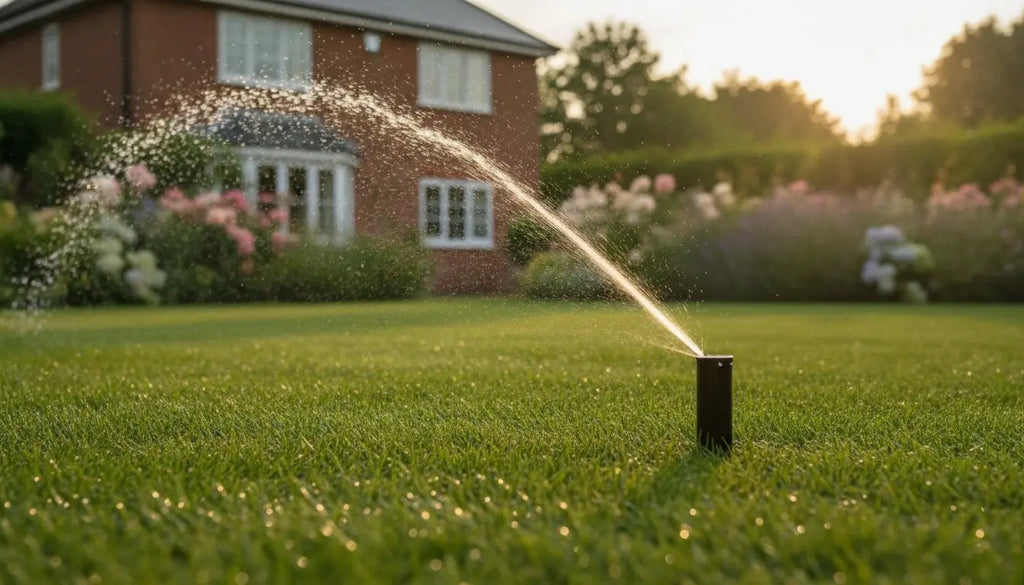
Did you know that a single garden sprinkler can use over 1,000 litres of water in just one hour? That's the equivalent of a family of four's entire daily usage, and it's exactly why so many UK gardeners struggle to maintain a green lawn during the record-breaking dry spells of 2026. If you've spent your evenings standing with a hose only to find brown patches appearing anyway, you aren't alone. It's frustrating to balance the health of your grass with the complexities of water pressure and the latest hosepipe bans affecting millions of households across the country.
This guide shows you how to design, choose, and automate the ideal lawn sprinkler system to keep your grass lush and healthy all year round. We've simplified the technical details so you can build a setup that works efficiently and responsibly. You'll discover how to create a professional-looking landscape using a set-and-forget routine that eliminates the guesswork of pipe diameters and timing. We also provide expert advice on reliable brands like Hozelock to ensure your garden thrives while you save both time and water.
Key Takeaways
- Understand how a professional lawn sprinkler system promotes deep root growth and drought resistance for a healthier, greener garden.
- Evaluate the benefits of discrete pop-up systems versus flexible above-ground kits to match your specific garden needs and lifestyle.
- Learn how to perform a simple 'Bucket Test' to calculate your flow rate and ensure total coverage with the 'Head-to-Head' planning rule.
- Save time and resources by integrating smart timers and sensors that automatically adjust your watering routine based on real-time weather.
- Build a dependable, long-term solution by selecting modular Hozelock components designed for easy DIY installation and future expansion.
What is a Lawn Sprinkler System and Why Does Your Garden Need One?
A What is a Lawn Sprinkler System is essentially a strategic network of pipes and distribution heads designed to provide uniform hydration across your grass. While it sounds technical, the goal is simple: to mimic natural rainfall in a way that your lawn can actually use. In 2026, as UK summers become increasingly unpredictable and dry spells more frequent, these systems have evolved from luxury additions into essential tools for garden health. By delivering water directly to the root zone at the right time of day, a well-planned system promotes deep root growth and builds natural drought resistance that manual watering often fails to achieve.
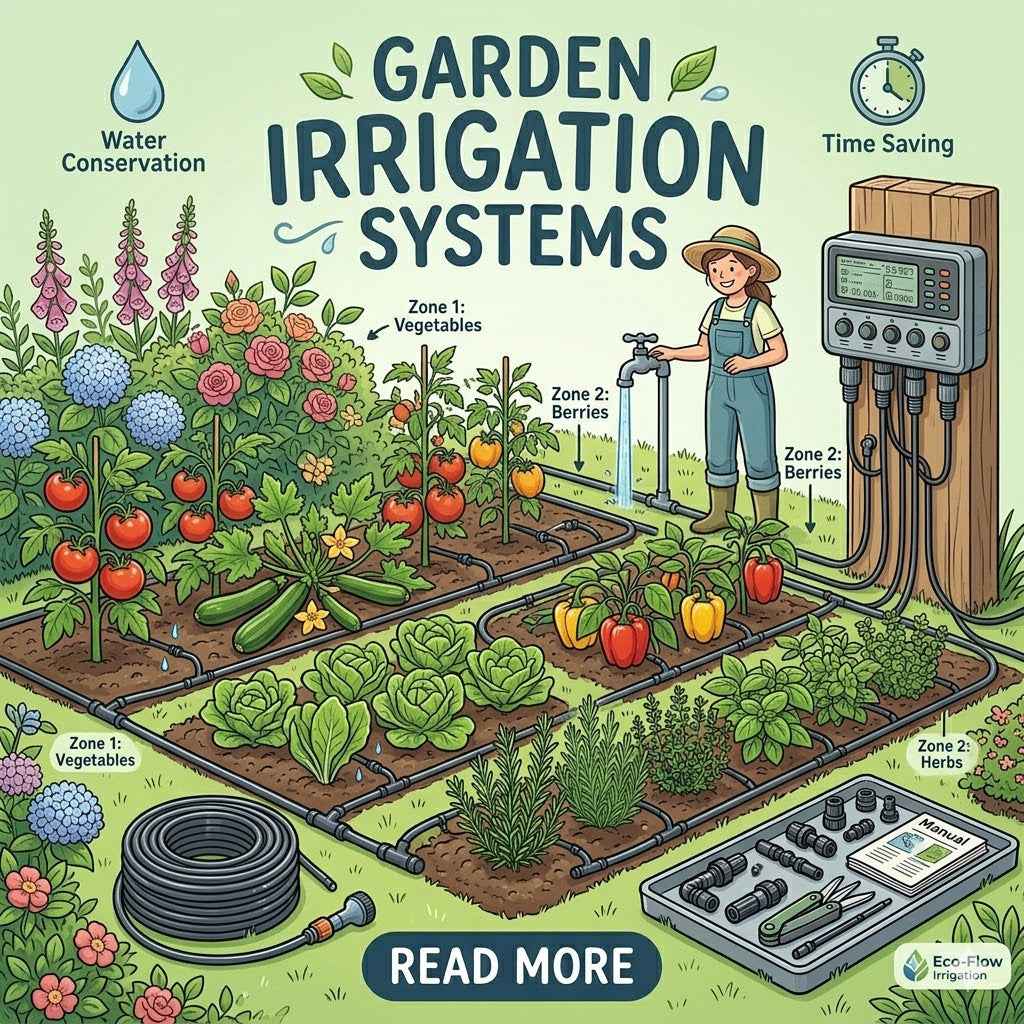
The core components of a modern setup are straightforward and designed for easy DIY integration. You start at the tap, which connects to a water timer. From there, a supply pipe carries water to various sprinkler heads. This setup ensures that every square inch of your lawn receives the exact amount of moisture it needs without you ever lifting a finger. It's a shift from reactive gardening to proactive care, ensuring your landscape remains a vibrant space even during peak summer heat.
To better understand how these components come together in a real-world setting, watch this helpful video:
The Benefits of Automated Lawn Watering
Switching to an automated setup provides a level of consistency that manual watering simply can't match. Human error is the most common cause of lawn stress; we often forget to water or do it too late in the day when evaporation is at its highest. An automated lawn sprinkler system eliminates this risk by sticking to a precise schedule. Precision is another major advantage. Modern heads are adjustable, meaning you can target your grass perfectly without wasting water on your patio, garden shed, or fences. This level of efficiency is vital for staying within water usage guidelines while reclaiming your evenings from tedious hosepipe duty.
Manual vs. Automatic Systems: Finding Your Level
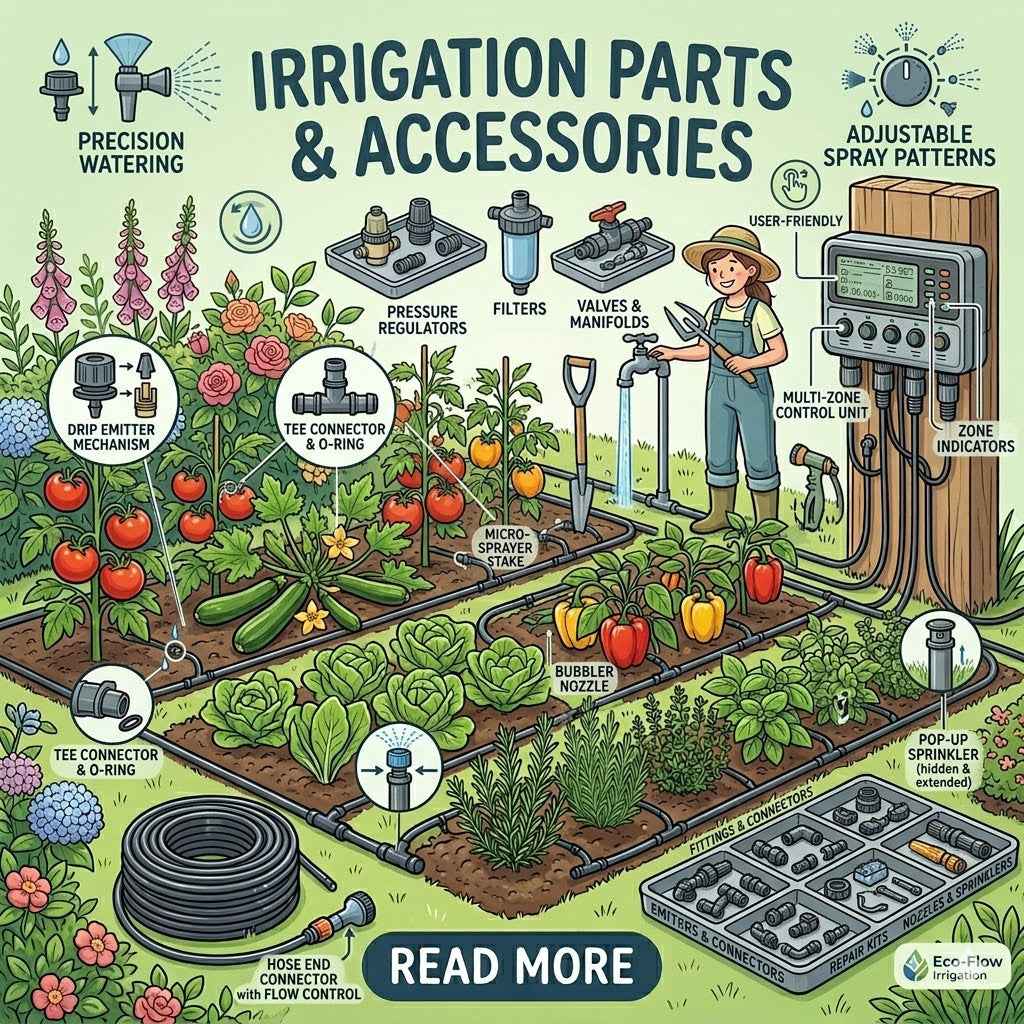
Choosing the right system depends on your garden size and your long-term goals. Entry-level options usually involve portable sprinklers that you click onto a standard hose. They're flexible but require manual movement. Mid-level setups use semi-permanent, above-ground micro-sprays and garden watering kits that offer more automation without the need for trenching. For those seeking a professional finish, pop-up sprinkler systems are the gold standard. These remain hidden beneath the turf until the water pressure activates them, providing a seamless look that doesn't interfere with mowing or your garden's aesthetics.
Comparing Pop-Up vs. Above-Ground Sprinkler Systems
Choosing between a permanent installation and a portable setup is the first major decision you'll make when planning your lawn sprinkler system. Both options have distinct advantages depending on whether you own your home, your budget, and how much you value a clean, unobstructed garden aesthetic. For many UK homeowners, the decision often comes down to the balance between long-term convenience and immediate ease of use.
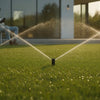
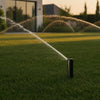
Pop-up systems are widely considered the "invisible" solution. They remain hidden beneath the turf, only emerging when water pressure is applied. This creates a professional look that instantly increases property appeal. Because there are no hoses trailing across the grass, they also eliminate trip hazards, making them a much safer choice for families with children or pets. In contrast, above-ground systems are the ideal choice for renters or those who want a quick, non-permanent setup that can be packed away during the winter months.
Pop-Up Sprinkler Systems: The Gold Standard
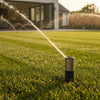
A pop-up system operates on a simple but effective mechanical principle. When your water timer activates the flow, the resulting pressure lifts the sprinkler head above the grass line. Once the cycle finishes, internal springs retract the head back into its housing. This design protects the equipment from lawnmower blades and UV damage. Installing these requires a bit more effort, as it involves digging shallow trenches to house the supply pipes and backfilling them once the layout is tested. However, the result is a seamless routine that integrates perfectly with efficient watering techniques to ensure your soil moisture remains consistent without any manual intervention.
If you're ready to explore these permanent options, you can find all the necessary components in our collection of pop-up lawn sprinkler systems.
Oscillating and Rotary Above-Ground Sprinklers
Above-ground sprinklers offer incredible versatility, especially if your garden layout changes frequently. Hozelock rotary spike sprinklers are particularly effective for circular or irregular lawn shapes, as they can be easily repositioned. For those with traditional rectangular lawns or newly sown seed beds, oscillating bars are often the better choice. They provide a gentle, even spray that prevents soil erosion and ensures every corner is reached. The primary benefit here is mobility; you can adjust your coverage area in seconds as your plants grow or as you add new features to your landscape.
Maintaining either system is vital for longevity. You should regularly check for grit in the heads and ensure the system is winterised by draining all water before the first frost to prevent pipe bursts. If you need help choosing the right fit for your specific plot, our experts can guide you through our range of garden watering kits to find a solution that matches your garden's unique requirements.
Planning Your Layout: Coverage, Pressure, and Zones
Zoning is a critical part of this process. Most standard UK taps cannot support more than two or three high-output sprinklers at once. If you have a large garden, you'll need to divide it into zones, watering each area sequentially rather than all at once. Choosing the right pipe diameter is equally important. While a standard 13mm hose is fine for small areas, professional-grade systems often use 25mm MDPE pipe to reduce friction loss and maintain pressure over longer distances. Following water-saving gardening tips like these helps prevent waste and ensures your system remains efficient even during peak demand.
Calculating Your Flow Rate (The Bucket Test)
Before buying any components, you must determine your flow rate using the simple Bucket Test. This straightforward method identifies exactly how much water your tap provides per minute. Follow these steps:
- Find a bucket with a known volume, ideally 10 litres.
- Turn your outside tap on fully and time how many seconds it takes to fill the bucket.
- Divide 3,600 by the number of seconds, then multiply by the bucket size (10) to get your Litres Per Hour (LPH).
Your calculated LPH is the primary factor that determines the maximum number of sprinkler heads you can safely operate within a single zone.
Mapping Your Lawn for 100% Coverage
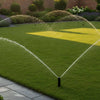
Once you know your capacity, start sketching your garden on paper to identify any obstacles or 'dead zones'. The most important principle to follow is the 'Head-to-Head' rule. This means the spray from one sprinkler should reach the base of the next one. Overlapping water ensures there are no dry spots, which is vital for professional-looking lawn health. You can choose from full-circle, half-circle, or quarter-circle heads to fit the specific corners and edges of your plot. For more help visualizing your project, explore our design ideas and plans for detailed layouts and inspiration. Using a mix of specialized heads allows you to maintain total control over where the water goes, protecting your fences and paths from unnecessary moisture.

Automation and Efficiency: Smart Timers for 2026
The water timer is the central brain of any modern lawn sprinkler system. In 2026, automation is no longer just about convenience; it's a vital tool for responsible garden management. With Temporary Use Bans (TUBs) currently in effect across several UK regions, including areas served by Anglian Water and United Utilities, staying compliant with local regulations is essential. A smart controller allows you to program your watering for specific windows, ensuring you adhere to restrictions while still protecting your investment in your landscape.
Scientifically, the best time to water your lawn is in the early morning, ideally between 4 am and 7 am. During these hours, winds are typically calmer and temperatures are lower, which significantly reduces water loss through evaporation. Watering at dawn also allows the grass blades to dry quickly once the sun rises, which prevents the damp conditions that encourage fungal diseases. By automating this schedule, you ensure your garden receives its hydration at the most effective moment without having to wake up before the sun.
Choosing the Right Water Timer
Selecting the right controller depends on how much oversight you want over your garden. Mechanical timers are simple and reliable, acting like a kitchen egg timer to shut off the flow after a set duration. However, digital and smart controllers offer far greater precision. Many 2026 models now feature Bluetooth or Wi-Fi connectivity, allowing you to adjust your schedules or pause watering directly from a smartphone app. This is particularly useful if you're away from home when a sudden heatwave or a new local restriction is announced. You can browse our full range of garden irrigation water timers to find the right level of control for your setup.
Water Conservation and Efficiency
Modern sensor technology has revolutionised how we save water. Rain sensors can now automatically pause your lawn sprinkler system the moment they detect a downpour, preventing the waste of resources and money. For those with heavy clay soils common in many parts of the UK, 'pulsed' watering is a highly effective technique. This involves delivering water in short bursts with breaks in between, allowing the ground to actually absorb the moisture rather than letting it run off the surface. Research indicates that EPA WaterSense-certified smart controllers can save an average of 7,600 gallons of water per year compared to standard fixed timers. This efficiency ensures your lawn stays lush while you remain an environmentally conscious gardener.
Ready to upgrade your garden's intelligence? Explore our range of Hozelock automatic watering systems to find a solution that combines high performance with water-wise technology.
The Hozelock Advantage: Why Quality Components Matter
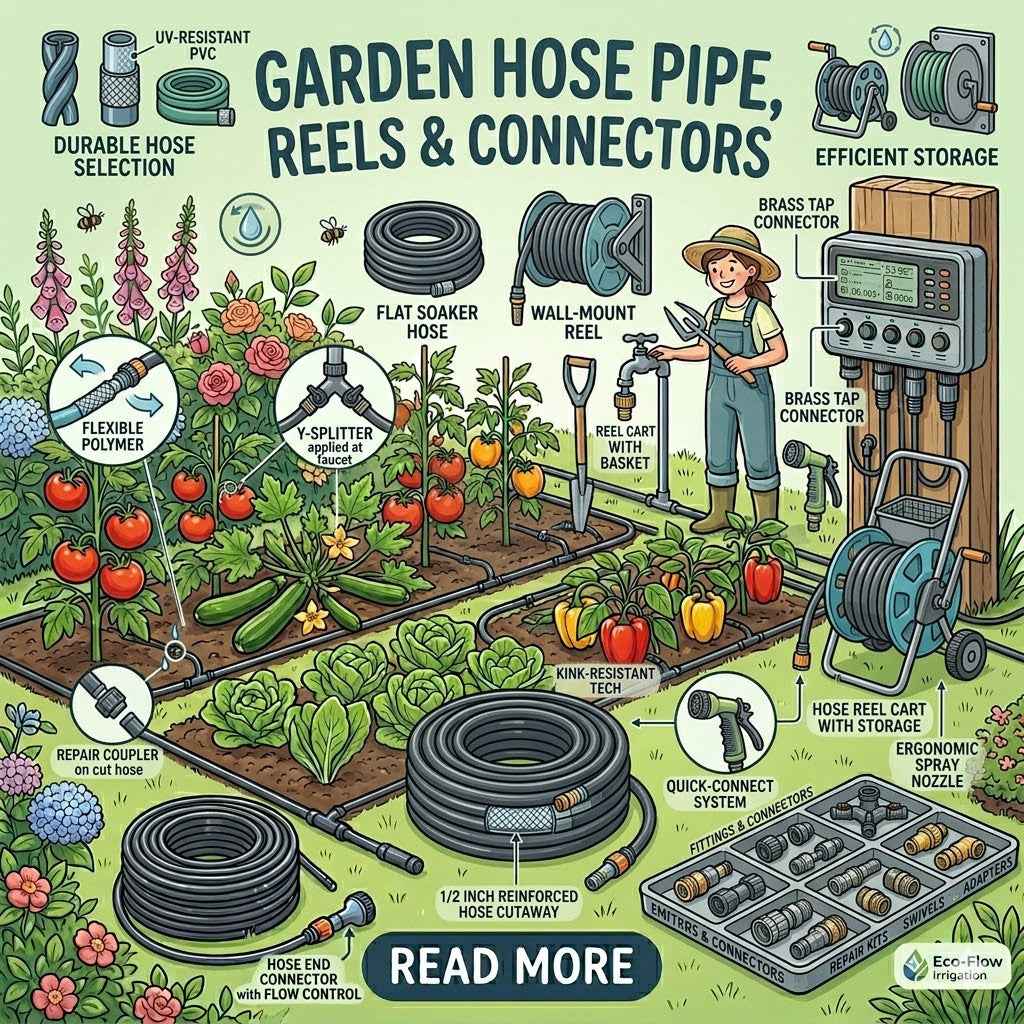
Investing in a lawn sprinkler system is a commitment to the long-term health of your garden. While there are many generic options available, Hozelock remains the UK's leading irrigation brand for a reason. Their engineering excellence is visible in every component, from the precision of their spray patterns to the reliability of their connections. For a DIY installer, the primary benefit is the modular nature of the range. Because Hozelock uses a universal standard for its fittings, you can be certain that your connectors will always fit securely without the leaks or pressure drops that plague lower-quality alternatives.
Durability is another critical factor when dealing with the unpredictable British climate. Hozelock components are manufactured using high-quality, UV-stabilised plastics. This ensures that your pipework and sprinkler heads won't become brittle or crack after a summer of intense sun or a winter of hard frosts. By choosing components designed specifically for these conditions, you reduce the need for frequent replacements and ensure your system performs at its peak for years to come. This focus on longevity is what distinguishes a professional-grade DIY setup from a temporary fix.
Hozelock Watering Kits for Lawns
If you're just starting your irrigation journey, the all-in-one approach is often the most efficient path. A starter kit typically includes the essential foundations: a timer, supply pipe, and high-performance sprinkler heads. These kits are designed to get you up and running quickly, providing a balanced setup that matches the flow rates of most UK domestic taps. One of the greatest strengths of this system is its scalability. As your garden grows or your landscaping changes, you can easily expand your reach by adding more pipework and specialized heads. You can explore the different options available in our collection of Hozelock watering kits to find the perfect match for your lawn size.
Why Buy From Garden Watering?
Success with a lawn sprinkler system depends on more than just the hardware; it requires the right advice. At Garden Watering, we bring 15 years of technical irrigation expertise to every customer interaction. We aren't generalist retailers; we're specialists who know these products inside out. This means we can help you troubleshoot pressure issues, plan complex layouts, or simply ensure you have the right adaptors for your specific tap. We take pride in being a dedicated partner in your garden's success, offering the reassurance that you're buying the right equipment the first time.
Ready to transform your garden into a lush, healthy landscape? Explore our full range of Hozelock Lawn Systems and discover the difference that specialist expertise can make to your outdoor space.
Ready to Enjoy a Greener, Healthier Lawn?
Achieving a professional-standard garden doesn't have to be a full-time job. By moving away from manual watering and installing a precision-engineered lawn sprinkler system, you can ensure your grass remains vibrant while saving significant time and water. We've explored how smart timers, proper zoning, and high-quality components from brands like Hozelock work together to create a resilient landscape that thrives in any weather.
As a dedicated UK specialist retailer and authorised Hozelock stockist, Garden Watering is here to support your DIY journey. We provide 15+ years of expert advice to help you choose the right kit and avoid common pitfalls like pressure loss or uneven coverage. Our goal is to help you build a reliable, efficient setup that protects your outdoor investment for years to come.
Take the first step toward a maintenance-free watering routine today. Shop the 2026 range of Hozelock Lawn Sprinkler Systems and see how simple it is to transform your garden. Your perfect lawn is just a few clicks away.
Frequently Asked Questions
How many sprinklers can I run from one outside tap in the UK?
Most standard UK outside taps can support between 1 and 3 high-output sprinklers simultaneously. Your specific capacity depends entirely on the flow rate (LPH) you calculate at your tap. If your garden is large and requires more heads for total coverage, you should divide your lawn sprinkler system into multiple zones. Watering these zones sequentially ensures that each head maintains the pressure required to reach its intended spray radius.
Is it better to water the lawn in the morning or the evening?
Early morning is the scientifically superior time to water your lawn, ideally between 4 am and 7 am. Watering at dawn minimises evaporation loss because temperatures are lower and winds are typically calmer. It also allows the grass blades to dry quickly as the sun rises, which prevents the damp conditions that lead to fungal diseases. Evening watering should be avoided as it leaves the turf wet overnight, inviting pests and mould.
Can I install a pop-up sprinkler system myself without a professional?
Yes, modern pop-up systems are designed specifically for DIY installation by home gardeners. While the process involves some physical labour for trenching, the components are modular and push-fit, requiring no specialist plumbing skills. By using a pre-configured kit and following a clear layout plan, you can achieve a professional-grade finish. Specialist retailers like Garden Watering provide the technical support needed to help you select the correct pipes and connectors for your project.
How do I calculate the water pressure needed for my lawn system?
You can determine your system's requirements by checking the minimum operating pressure listed on your sprinkler heads, which is usually between 1.5 and 2 bar. A simple way to check your home's capability is the bucket test mentioned earlier in this guide. If your flow rate is low, you'll simply need to use fewer heads per zone. Understanding these numbers before you buy ensures that your lawn sprinkler system performs reliably without any weak spray patterns.
What happens to my sprinkler system during a hosepipe ban?
You must stop using your sprinkler system immediately if a Temporary Use Ban (TUB) is declared by your water authority. In July 2026, several UK regions including areas served by Anglian Water and Southern Water have implemented these restrictions due to record demand. Ignoring a ban can result in a fine of up to £1,000. However, some authorities allow exemptions for drip irrigation or newly laid turf, so always verify the specific rules on your water provider's website.
How do I protect my lawn sprinkler system from freezing in winter?
Do I need a pump for my garden sprinkler system?
Most UK homes have sufficient mains pressure to run a basic system without a pump. You only need to consider a pump if your mains pressure is consistently below 1.5 bar or if you're drawing water from a storage tank or water butt. If you're using harvested rainwater, a specialist irrigation pump is essential to provide the force needed to lift pop-up heads and maintain an even spray pattern across your lawn.
How long should I run my lawn sprinklers for each day?
Aim for 15 to 30 minutes of watering, two to three times per week, rather than daily shallow sprays. This approach encourages the grass roots to grow deeper into the soil, making your lawn more drought-resistant. The exact duration depends on your soil type; heavy clay soils benefit from shorter, 'pulsed' cycles to prevent runoff. Using a smart timer in 2026 allows you to automate this routine, ensuring your lawn gets exactly what it needs without wasting water.
`-
Posted in
Automatic Watering, DIY, Garden Irrigation, Hozelock, Lawn Care, lawn sprinkler system, Sprinkler Systems, UK Gardening, Water Conservation