Irrigation Drippers: The Ultimate Guide to Efficient, Targeted Watering for Plants
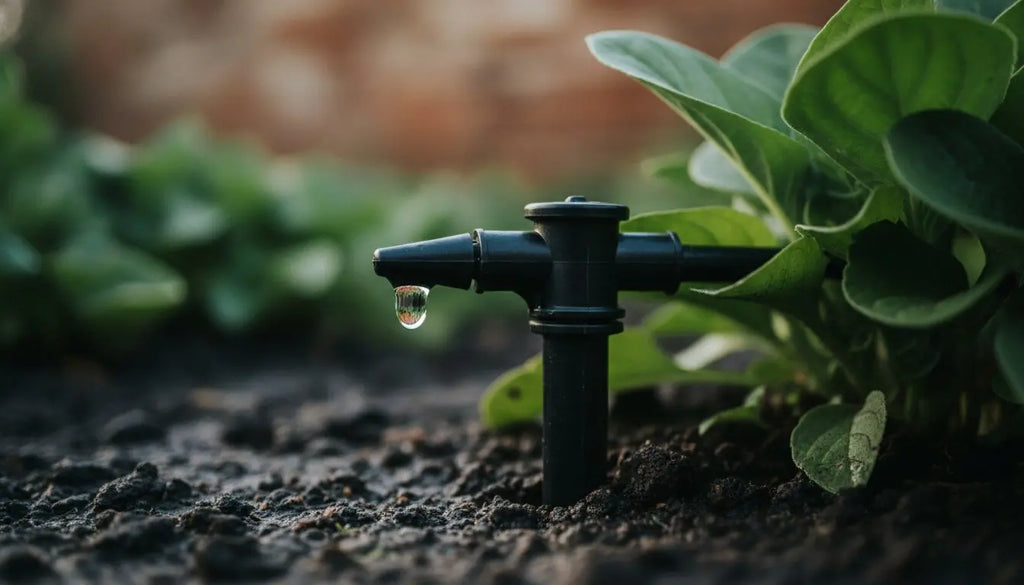
Did you know that traditional sprinklers are often only 50% to 70% efficient, while a well-designed drip system can reach over 90% efficiency? It is a staggering difference that explains why so many gardeners struggle with high water bills and uneven growth. Finding the right irrigation drippers | efficient, targeted watering for plants is the key to ensuring every drop reaches the roots where it is needed most, rather than evaporating or running off into the pavement.
We understand how frustrating it is to decode technical jargon while your favorite shrubs are suffering from patchy hydration. You deserve a garden that flourishes without the constant guesswork or the waste of a leaky hose. By choosing components that match your specific soil and plant types, you can reduce your water usage by up to 70% compared to conventional methods. It is about working smarter, not harder, to maintain a beautiful landscape.
In this guide, we will help you navigate the selection process with the quiet confidence of a specialist. You'll discover how to choose the perfect drippers to save water, reduce waste, and ensure your plants thrive with precision hydration. We will break down how to match flow rates to specific needs, giving you a reliable system that grows alongside your garden.
Key Takeaways
- Learn how irrigation drippers | efficient, targeted watering for plants deliver hydration directly to the root zone to minimize waste and maximize growth.
- Identify the specific benefits of end-of-line, in-line, and stake drippers so you can match the right hardware to your garden's unique layout.
- Protect your investment by understanding why pressure regulators and filters are non-negotiable for a clog-free, reliable system.
- Discover how adjustable flow features allow you to tailor watering schedules to meet the changing seasonal needs of your plants.
- Gain expert insights into choosing durable Hozelock and Claber components that are built to perform reliably in the UK climate.
Why Irrigation Drippers are the Key to Efficient, Targeted Watering
Think of your irrigation system as a delivery network where the drippers act as the final, most critical point of contact. Often called the "business end" of the setup, Drip irrigation components ensure that water doesn't just splash onto the soil surface; it penetrates exactly where it's needed. By using irrigation drippers | efficient, targeted watering for plants, you're choosing a method that prioritizes the root zone. This approach is far superior to using a standard hose or watering can, where much of the water is lost to the surrounding environment before the plant can even drink.
Efficiency is the primary reason specialists recommend these systems. Research shows that a well-designed drip system can reduce water usage by up to 70% compared to conventional methods. This isn't just about saving money on your utility bills. It's about environmental responsibility. By delivering water slowly and directly, you eliminate the runoff that occurs when soil is saturated too quickly. You also stop evaporation in its tracks, as the water is placed beneath the canopy or even under a layer of mulch.
To better understand how these components function in a real-world setting, watch this helpful guide:
Once you've installed the right components, you can transition to a "set and forget" style of maintenance. This is the ultimate goal of automatic garden watering systems. You can walk away with the quiet confidence that your landscape is receiving consistent, measured hydration regardless of your schedule.
Precision vs. General Spray
Standard sprinklers are often at the mercy of the elements. Even a light breeze can cause wind drift, blowing expensive water onto your driveway or fence instead of your flower beds. Drippers solve this problem by staying low to the ground. This precision also acts as a natural weed deterrent. Since you're only wetting the soil directly around your chosen plants, the gaps between them remain dry, making it much harder for weeds to take hold. Additionally, many plants are prone to mildew and fungal diseases when their foliage stays wet. Irrigation drippers | efficient, targeted watering for plants keep the leaves dry, promoting much healthier growth and reducing the need for chemical treatments.
The Role of the Dripper in Your System
Drippers are designed to fit seamlessly into a standard 4mm or 13mm layout. They act as the "emitter," providing the final point of control for the entire network. Whether you are using a simple line or a complex grid, the dripper regulates the pressure so that every plant receives an equal amount of water. For those starting from scratch, there is a natural synergy with Hozelock watering kits. These kits provide a complete setup that ensures all parts work together perfectly, removing the technical guesswork that often leads to system failure.
Understanding the Types: Choosing the Right Dripper for Your Plants
Choosing the right hardware for your garden isn't just about finding something that fits the pipe. It's about matching the mechanical function to your plants' specific needs. There are three primary styles of irrigation drippers | efficient, targeted watering for plants that you'll encounter. End-of-line drippers sit at the very end of a 4mm tube, making them perfect for individual pots or isolated specimen plants. In-line drippers are installed directly into the main 13mm pipe or connected in a series, which is ideal for watering hedges or long rows of vegetables. Finally, stake drippers provide extra stability, ensuring the water stays exactly where you placed it, even in loose compost or high-sided hanging baskets. For those looking for high-quality engineering, Claber drip irrigation components offer exceptional reliability and are particularly easy to install for beginners.
Adjustable vs. Fixed Flow Drippers
Adjustable drippers are a versatile choice for mixed borders where plants have different thirst levels. They often feature a 0-40 LPH (Litres Per Hour) range. This allows you to increase the flow as a shrub matures or as the summer heat intensifies. In contrast, fixed flow drippers, typically rated at 2 LPH or 4 LPH, are better suited for uniform crops like greenhouse tomatoes where consistency is vital for preventing fruit split. You can usually identify the flow rate by the colour-coding on the dripper head, which makes system maintenance much simpler. If you're planning a more complex layout, this Do-It-Yourself Guide to Backyard Drip Irrigation provides excellent technical foundations for calculating your total flow requirements.
Pressure Compensating (PC) vs. Non-PC
One common frustration with long irrigation lines is that the plants closest to the water source get soaked while those at the far end barely receive a trickle. This happens because of a natural pressure drop along the length of the pipe. Non-PC drippers are perfectly fine for short, level runs, but they can't handle long distances or significant changes in height. Pressure Compensating (PC) drippers solve this problem by using a small internal diaphragm to regulate the flow. This ensures every plant receives the exact same amount of water, regardless of its position on the line. PC drippers are the gold standard for sloping gardens.
If you're unsure which flow rate fits your current landscape, you can browse our full range of drip irrigation systems to find the perfect match for your garden's layout.
Selecting Drippers Based on Your Garden Layout
Designing an effective layout requires a logical approach to your garden's different zones. A sprawling flower border has vastly different needs than a thirsty vegetable patch or a collection of patio pots. To achieve irrigation drippers | efficient, targeted watering for plants, you should group your plants by their water requirements. This strategy, known as hydrozoning, ensures you aren't overwatering drought-tolerant lavender while your leafy greens are wilting. For high-density container areas, consider the 'pot-in-pot' method. This involves placing your planted container inside a slightly larger, empty pot buried in the ground. You then run your dripper line into the gap between them. This creates a buffer zone that maintains stable root temperatures and significantly reduces the frequency of watering needed during the height of summer.
When you begin selecting individual components for these areas, exploring established drip irrigation systems will help you find the right fittings for each specific task. Vegetable patches often require higher flow rates because they produce heavy, water-filled crops. Thirsty plants like tomatoes or marrows benefit from adjustable drippers that you can open up as the fruit develops. In contrast, established flower borders prefer a slower, deeper soak. This method encourages roots to grow downwards into the cooler soil rather than staying near the surface where they are vulnerable to heat. You don't need a degree in engineering to get this right; you just need to match the dripper's output to the plant's natural thirst.
Pots, Tubs, and Hanging Baskets
Containers are particularly vulnerable to drying out because they have a limited soil volume to hold moisture. We recommend using stake-mounted drippers for all your pots and baskets. Unlike standard end-of-line heads that might roll around on the surface, a stake ensures the water stays exactly where you placed it in the compost. A reliable rule of thumb is to use one dripper for every 30cm of pot diameter. If you have very wide, shallow containers like alpine troughs or succulent bowls, micro-sprays are often a better choice. They provide a broader coverage area that prevents dry spots in the corners of the pot, ensuring every root has access to hydration.
Flower Borders and Hedging
For long, narrow stretches of hedging or established borders, in-line drippers are the most efficient solution. By spacing these drippers every 30cm to 50cm along the line, you create a continuous "curtain" of moisture in the soil. This prevents gaps in hydration that could lead to brown patches in your hedge or stunted growth in your perennials. If you are looking for a straightforward way to start, a high-quality kit from the Claber drip irrigation range is an excellent choice for borders. These systems include everything you need to support dozens of plants, taking the complexity out of your first installation and providing a system that can grow as your garden expands.

Setting Up for Success: Avoiding Common Drip Irrigation Mistakes
Even the most carefully planned system can fail if the technical foundations aren't solid. We've seen many gardeners invest in high-quality components only to face frustration when joints leak or heads stop dripping altogether. Ensuring your irrigation drippers | efficient, targeted watering for plants function correctly over the long term requires specific attention to pressure and water purity. It's also vital to use reliable Hozelock connectors to create leak-free joints that can withstand the constant on-and-off cycles of an automated timer.
Managing Water Pressure and Filtration
One of the most frequent causes of system failure is excessive water pressure. Most standard UK outdoor taps provide water at between 3 and 4 bar. While this is great for a garden hose, it's far too powerful for delicate 4mm micro-drippers. Without a regulator, the high pressure will eventually cause the dripper heads to 'pop off' the tubing or create high-velocity sprays where there should be gentle drips. Installing a 1.5 bar pressure reducer at the start of your line protects your investment and ensures a consistent, predictable flow rate across the entire network.
Filtration is equally critical for system longevity. Because drippers use tiny orifices to regulate water flow, even a small amount of sediment, grit, or scale can cause a total blockage. A fine-mesh filter should be a non-negotiable part of your setup, especially if you're using harvested rainwater from a butt. By catching debris before it enters the main line, you prevent the 'clogging' issue that often leads to unnoticed plant death. We also recommend against mixing too many different flow rates on a single zone, as this can make it difficult to balance the pressure effectively and may leave some plants thirsty while others are overwatered.
Layout Logic and Spacing
Understanding the physical limits of your tubing is essential for a reliable layout. A common mistake is ignoring the 'maximum run' rule. You simply cannot put 100 drippers on a single 4mm line; the friction of the water against the pipe walls will cause the pressure to drop to zero before it reaches the end of the run. For larger systems, we suggest using a 'loop' layout. By connecting the end of your main 13mm line back to the start, you equalise the pressure throughout the entire circuit, ensuring every plant gets an equal share of the water.
Always test your complete layout on the surface of the soil for a few days to check for dry spots before you consider burying any pipes or covering them with mulch.
If you're ready to build a system that stands the test of time, you can shop our range of expert-grade Hozelock connectors to ensure every joint in your garden is secure and watertight.
Best Irrigation Drippers for 2026: Our Expert Recommendations
With over 15 years of experience as an authorised Hozelock specialist, we've tested nearly every component on the market to see how it stands up to the unpredictable UK climate. Choosing the right irrigation drippers | efficient, targeted watering for plants is about more than just flow rates; it's about long-term durability. Our current collection features 16 distinct dripper types, each designed for a specific horticultural challenge. For those managing mixed borders, the Claber 91217 Adjustable Dripper is a standout choice. Its ability to transition from a slow drip to a steady stream makes it incredibly versatile as your plants grow and their water needs change.
When building your system, you'll need to decide between 'End-of-Line' and 'In-Line' options. End-of-line drippers are perfect for the final plant in a series or for individual pots. In-line drippers, however, allow you to thread the water supply through a row of plants, making them the superior choice for hedges or vegetable allotments. Both styles benefit from the rugged construction found in the Hozelock range, which is specifically engineered to resist UV degradation and the expansion and contraction caused by British frost cycles.
Top Pick for Containers: Hozelock Pressure Compensating Drippers
Hanging baskets and multi-storey planters present a unique challenge because gravity often pulls water to the lowest point of the system. These Hozelock Pressure Compensating (PC) drippers are the most effective solution for this problem. They maintain a fixed 2 LPH flow rate regardless of height, ensuring the basket at the top of your bracket gets exactly the same amount of moisture as the pot on the ground. They also feature an easy-clean design. This is a vital benefit in UK regions with hard water, as it allows you to quickly clear any lime scale build-up that might otherwise lead to a blockage.
Top Pick for Borders: Claber 360-Degree Micro-Sprays
While standard drippers are excellent for individual shrubs, ground cover and dense flower beds often thrive better with a micro-spray. These components provide a fine mist over a wider area, ensuring no dry patches are left between plants. The adjustable radius, ranging from 0 to 1.5 metres, gives you total control over the coverage area. These sprays integrate perfectly with garden irrigation water timers. By automating these high-coverage heads, you can maintain a lush, humid environment for your perennials with zero daily effort.
Whether you are starting a new project or upgrading an old layout, our UK-based expert support is here to help you find the perfect fit. Explore our full range of professional irrigation drippers here to ensure your garden receives the precise hydration it deserves.
Transforming Your Garden with Precision Hydration
Building a professional-grade watering system is within reach for every gardener. By matching the right hardware to your specific layout and ensuring your pressure is correctly regulated, you can eliminate the waste associated with traditional methods. You've learned how irrigation drippers | efficient, targeted watering for plants provide the final point of control that keeps your landscape thriving even during the hottest months. Whether you are managing delicate hanging baskets or a dense vegetable patch, the right emitter makes all the difference.
Shop the 2026 Collection of Precision Irrigation Drippers
Frequently Asked Questions
How many drippers can I run off one garden tap?
You can typically run between 30 and 50 drippers from a single garden tap on one zone. This number depends on your home's specific water pressure and the flow rate of the emitters you choose. If you're using 4 LPH drippers, a standard 13mm supply pipe can usually handle a total flow of around 200 to 300 litres per hour before the pressure drops too low for the final plants in the line.
Do I need a special pump to use irrigation drippers with a water butt?
You will almost certainly need a pump to run irrigation drippers | efficient, targeted watering for plants from a water butt. Gravity alone doesn't provide the 1 to 1.5 bar of pressure required to push water through the narrow orifices of a dripper. A dedicated solar powered pump or an electric submersible pump will provide the necessary lift to ensure your system functions reliably without a mains connection.
How often should I clean my irrigation drippers to prevent clogging?
Clean your drippers at least once a year, ideally at the start of the spring growing season. If you live in a hard water area or use harvested rainwater, you might need to check them more frequently for mineral scale or organic debris. It's often easier to clean the main system filter every few weeks than to scrub individual drippers, as the filter prevents clogs from reaching your plants in the first place.
Can I use irrigation drippers for indoor houseplants while I'm on holiday?
You can use specialized indoor kits for houseplants, but we don't recommend connecting indoor plants to a mains pressured outdoor system. Indoor specific systems usually rely on a small reservoir and a low voltage pump. This setup provides a safer way to keep your plants hydrated while you're away without the risk of high pressure leaks damaging your flooring or furniture.
What is the difference between a dripper and a soaker hose?
The main difference is precision. Drippers deliver water to a specific spot, which is ideal for individual shrubs or spaced out vegetables. A soaker hose sweats water along its entire length, making it better for dense hedges or newly sown seedbeds. Using drippers is generally more efficient because you aren't watering the bare soil between your plants where weeds might grow.
Will irrigation drippers work on a slope or uneven ground?
Drippers will work on a slope if you select Pressure Compensating (PC) models. Standard drippers are affected by gravity, meaning the plants at the bottom of the hill will receive far more water than those at the top. PC drippers use an internal diaphragm to maintain a constant flow regardless of the elevation, ensuring every plant in your garden receives the same level of care.
Do I need a pressure regulator for my drip system?
You definitely need a pressure regulator for any micro irrigation setup. Standard UK tap pressure is often double or triple what a 4mm pipe and its connectors are designed to handle. A regulator reduces the pressure to a steady 1.5 bar, which protects the joints from bursting and ensures your irrigation drippers | efficient, targeted watering for plants operate at their intended flow rate.
Are Hozelock drippers compatible with other brands like Claber or Gardena?
Most Hozelock drippers are compatible with 4mm and 13mm components from brands like Claber or Gardena. The industry generally uses these standard pipe sizes, which allows for some mixing and matching. However, we suggest using the same brand for your connectors and adaptors. This ensures the tightest possible seal and prevents the small leaks that can reduce the overall efficiency of your system.
`-
Posted in
DIY Gardening, Drip Irrigation, Efficient Watering, Garden Systems, Gardening Tips, Irrigation Drippers, irrigation drippers | efficient, Plant Care, targeted watering for plants, Water Conservation