Rain Bird PCD Dripline - The Perfect Drip Solution
Why does the bottom of your garden always look like a swamp while the top remains parched and dry? Most gardeners assume that uneven water distribution is just an unavoidable challenge of a sloped landscape or a long flower bed. You've likely grown tired of cheap irrigation pipes that clog up after one season or emitters that deliver a flood at one end and a mere trickle at the other. Implementing a high-quality Rain Bird PCD Dripline system is the most effective way to solve these common irrigation headaches once and for all.
We understand that you want a garden that thrives without constant tinkering. As specialists with 15 years of experience in automatic watering, we've seen how the right components turn a chore into a seamless, automated process. This professional-grade tubing uses pressure-compensating technology to ensure every plant receives the exact same amount of water, regardless of elevation changes. You'll gain the peace of mind that comes with a reliable, long-term solution that protects your investment in your plants.
This guide will show you why the Rain Bird PCD Dripline is the gold standard for uniform watering and how to set it up in your UK garden for expert results. We will explore the science behind its clog-resistant emitters and preview the simple steps needed to create a "set and forget" system that protects your landscape for years to come.
Key Takeaways
- Understand how pressure-compensating technology ensures every plant receives the same amount of water, regardless of slopes or garden layout.
- Discover why the Rain Bird PCD Dripline is specifically engineered to resist clogging and operate reliably across a wide range of water pressures.
- Compare the superior efficiency and lifespan of professional driplines against traditional soaker hoses to reduce water wastage by up to 70%.
- Learn the essential steps for a professional installation, including how to select the correct 17mm barbed fittings for a leak-free system.
- Master the seasonal maintenance routines required to protect your irrigation investment from harsh UK winter conditions.
What is Rain Bird PCD Dripline and Why Does It Matter?
The Rain Bird PCD Dripline represents a significant shift from basic garden hoses to high-performance irrigation. The "PCD" stands for Pressure Compensating Dripline. This isn't just a pipe with holes in it; it's a sophisticated delivery system designed to provide consistent hydration across your entire landscape. While standard drip irrigation technology often struggles with uneven flow, this professional-grade pipe uses internal emitters that regulate water output. This ensures that every plant receives exactly 2.3 liters of water per hour, regardless of whether it's at the start of the line or 100 meters away.
To better understand how these professional systems function in a home environment, watch this helpful video:
The Problem with Standard Non-Compensating Lines
Standard irrigation pipes suffer from "pressure loss" caused by friction as water travels down the line. In a typical setup, the emitters closest to your tap might spray vigorously while those at the end barely drip. This creates the "first plant drowns, last plant thirsts" syndrome, which can lead to root rot in some areas and scorched leaves in others. This problem is magnified if your garden has any elevation changes. Gravity pulls water to the lowest point, leaving plants on hills or slopes completely dry. Using the Rain Bird PCD Dripline eliminates this issue because the emitters only open fully once a specific pressure is reached, maintaining a uniform flow from 0.58 to 4.14 bar.
Who is Rain Bird PCD Best For?
If you're managing large borders, long hedgerows, or expansive vegetable patches, this system is a necessity. It's the ideal choice for serious gardeners who want to move away from temporary "quick-fix" kits and invest in a permanent, multi-season solution. Because it handles elevation changes so well, it's the only reliable option for terraced gardens or sloped lawns. You can find these professional components in our range of Drip Irrigation Systems, where we help you transition from manual watering to a "set and forget" professional setup. It's an investment in the long-term health of your garden, ensuring your plants thrive without the need for constant manual intervention or adjustment.
The Engineering Behind the Uniform Flow
The performance of the Rain Bird PCD Dripline relies on a sophisticated internal architecture that manages water pressure with surgical precision. While standard pipes are passive, this system is active. It operates within a broad pressure range of 0.58 to 4.14 bar. This flexibility ensures that whether you have a low-pressure gravity-fed tank or a high-pressure mains supply, the output remains constant at every emitter. The low-profile design of these emitters is equally vital. By staying flush against the internal wall, they minimize friction and pressure loss, allowing for longer runs without a drop in performance.
Protection starts from the inside. Each emitter features a raised inlet that sits slightly above the bottom of the pipe. This simple design choice prevents sediment or grit from entering the mechanism, as heavier particles naturally settle at the lowest point of the tubing. This makes the system a remarkably efficient way to irrigate because it avoids the blockages that plague cheaper alternatives. If you want to automate this process, you can easily integrate these components with our garden irrigation water timers to ensure your plants are fed at the optimal time of day.
Self-Flushing Technology Explained
The emitters don't just wait for clogs to happen; they actively prevent them. A silicone diaphragm inside each emitter flexes during the start-up and shut-down phases of the watering cycle. This movement flushes out any micro-debris before it can build up. To keep this system running for years, we recommend using a 120-mesh filter at the source. This combination of internal self-flushing and external filtration creates a professional-grade setup that lasts significantly longer than standard porous hoses.
Durability in the UK Climate
British weather presents unique challenges, from sudden frosts to intense summer sun. The Rain Bird PCD Dripline is manufactured from dual-layer polyethylene to handle these extremes. The inner black layer is opaque, which stops light from penetrating the pipe and prevents internal algae growth. The dual-layer black-and-brown construction ensures maximum UV resistance by blocking sunlight from reaching the water inside, which prevents the degradation of the polyethylene material over time. It's also resistant to common garden chemicals and fertilizers, making it a dependable partner for the long-term health of your landscape.
Rain Bird PCD vs. Standard Soaker Hoses
Choosing between a porous soaker hose and a professional Rain Bird PCD Dripline is often the difference between a temporary patch and a permanent solution. While porous hoses are widely available in garden centres, they lack the precision and durability required for a high-performance garden. A well-designed drip irrigation system using PCD technology reduces water wastage by up to 70% compared to traditional overhead sprinklers. This is because soaker hoses "sweat" water along their entire surface, often wetting paths or areas without plants. The PCD system uses targeted emitters spaced every 33 cm to deliver water exactly where the roots can reach it.
Lifespan is another critical factor. Porous hoses are made from recycled rubber that tends to crack under UV exposure or clog as minerals build up in the tiny pores. Once a soaker hose clogs, it's virtually impossible to clean. The Rain Bird PCD Dripline is built from professional-grade polyethylene with self-flushing emitters. This prevents the "weeping" effect from turning into a complete blockage. It also allows for much longer lateral runs. While a soaker hose might lose pressure after just 15 or 20 metres, a PCD line maintains a uniform flow over much greater distances because the emitters regulate the output internally.
Calculating the Long-Term Value
It's easy to be tempted by the lower initial cost of entry-level irrigation kits. However, you should consider the replacement frequency. Professional driplines are designed to stay in the ground for years, not just one or two seasons. By delivering water directly to the root zone, you'll also see a noticeable reduction in your water bill. For a deeper dive into choosing the right setup for your space, read our Garden Irrigation Systems UK Guide. Investing in quality components now means you won't be digging up and replacing your pipes every spring.
When to Choose PCD Over XFD
While Rain Bird offers several excellent driplines, the PCD model is specifically engineered for challenging terrain. If your garden has steep gradients or significant elevation changes, PCD is the preferred choice for professional landscapers. It ensures that plants at the top of a slope receive the same 2.3 litres per hour as those at the bottom. This system is fully compatible with our range of Irrigation Fitting Adaptors, allowing you to build a custom network that fits your garden's unique layout perfectly. This level of control is simply not possible with standard weeping hoses.

Planning and Installing Your PCD System
Before you begin laying out your Rain Bird PCD Dripline, you must calculate your total water demand. Since each emitter delivers 2.3 liters per hour and they are spaced every 33 cm, a 100-meter coil will contain approximately 303 emitters. This results in a total flow requirement of roughly 697 liters per hour. You should test your outdoor tap's flow rate with a bucket and a stopwatch to ensure your supply can handle the length of the run you've planned. If your demand exceeds your tap's capacity, simply split the system into smaller, manageable zones.
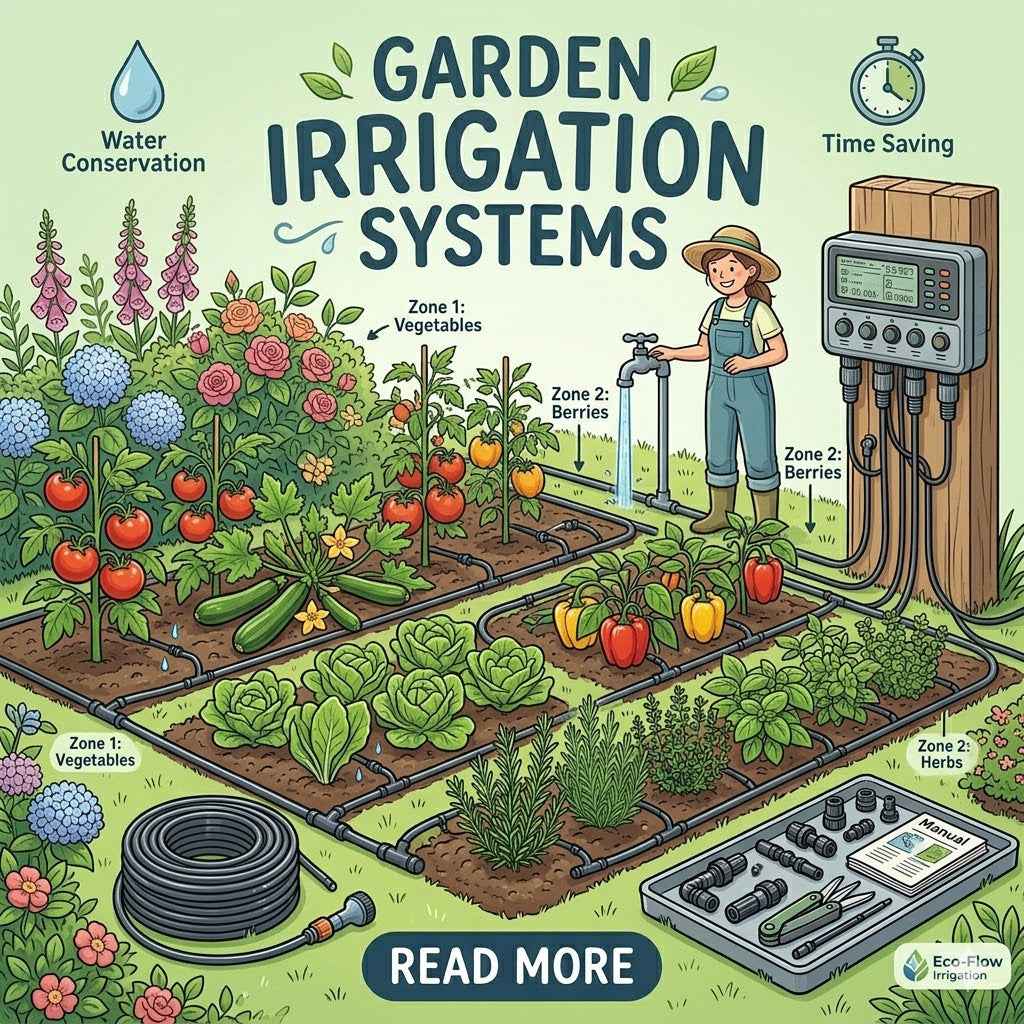
When you're ready to install, don't simply lay the pipe in a straight line. For maximum coverage in flower borders or vegetable beds, use a "snaking" pattern. This involves weaving the pipe back and forth across the area to ensure the water reaches the root zones of all your plants. Secure the line every meter with heavy-duty ground stakes. This prevents the pipe from shifting as it expands and contracts with temperature changes, keeping your emitters exactly where you need them. You'll find that taking the time to stake the line properly prevents "pipe creep" over the long term.
Compatible Fittings and Connectors
Using the correct size fittings is the most important step for a leak-free system. The Rain Bird PCD Dripline requires 17mm barbed insert fittings, which provide a much more secure grip than the 16mm alternatives often found in budget kits. If you're connecting this professional line to your existing garden hose, you can use Hozelock Connectors to create a reliable bridge. For more complex layouts involving multiple zones, a QF Header pipe can act as a central manifold to simplify your design and reduce the number of individual connections needed.
Connecting to a UK Outdoor Tap
A professional installation at the tap ensures your system remains compliant with UK water regulations. You'll need a backflow preventer to protect your drinking water supply and a high-quality filter to keep debris out of your emitters. Integrating Garden Irrigation Water Timers allows you to schedule watering for early morning when evaporation is lowest. You must install a pressure regulator at the start of your system to maintain the water pressure within the required 0.58 to 4.14 bar range. If you're ready to upgrade your garden, explore our full range of Drip Irrigation Systems to find the perfect components for your project.
Expert Tips for Maintaining Your Dripline
Your Rain Bird PCD Dripline is a professional-grade investment, and with minimal maintenance, it will provide reliable service for many years. The most important routine task is checking your system's filtration. Even with self-flushing emitters, a clogged primary filter will reduce the pressure below the required 0.58 bar, causing the system to underperform. We recommend cleaning your 120-mesh filter at the start of every spring and mid-way through the summer if you're using a water butt or non-mains supply. Keeping the water clean ensures the internal diaphragms can move freely to clear micro-debris.
For homeowners who want to ensure the highest water standards throughout their property, Great Water Filters provides professional-grade filtration systems that manage sediment and impurities, which is essential for the longevity of both home appliances and irrigation components.
Flushing the lines is equally vital for long-term efficiency. Simply remove the end caps or plugs at the end of each run and let the water flow for a few minutes. This clears out any fine silt that has settled in the pipe over the season. If you accidentally puncture the line with a garden fork or spade, you can easily repair the damage. Cut out the affected section and join the ends back together with a 17mm barbed straight connector. This simple fix restores the full integrity of the system without needing to replace the entire coil, ensuring your Rain Bird PCD Dripline remains a permanent fixture in your garden. Just as flushing your lines prevents a buildup of silt, keeping your business finances clear of errors is vital for long-term health; for small business owners whose accounts need a similar level of attention, check out Thank Heavens Bookkeeping for specialized clean-up services.
Winterising Your Irrigation System
UK winters can be harsh on outdoor systems. When water freezes, it expands and can split polyethylene tubing or damage the sensitive internal emitters. To prevent this, you should drain your lines before the first hard frost. Open all end caps and allow gravity to pull the water out of the system. It's also essential to disconnect your water timer and pressure regulator and store them in a frost-free shed or garage. Leaving these components attached to a tap during a freeze often leads to cracked casings and internal leaks. For a step-by-step walkthrough, see our guide on Winterising Your Garden Watering System.
Why Order from Garden Watering?
We are a dedicated UK specialist with 15 years of technical expertise in professional irrigation. We don't just sell boxes; we provide the expert support you need to ensure your garden thrives. Whether you're designing a complex multi-zone layout or simply need advice on the right fittings, our team is here to help. We stock a comprehensive range of Drip Irrigation Systems and components, ensuring you have access to the same high-quality kit used by professional landscapers. Our focus on reliability and deep product knowledge makes us the trusted partner for your garden's success.
Achieve Professional Results in Your UK Garden
You now have the knowledge to move beyond basic watering kits and implement a system that truly lasts. By choosing the Rain Bird PCD Dripline, you ensure that every plant receives exactly 2.3 liters of water per hour, regardless of your garden's terrain or elevation. This system doesn't just save time; it reduces water wastage by up to 70% compared to traditional sprinklers, making it a responsible choice for the environment and your wallet.
At Garden Watering, we bring 15 years of irrigation expertise to every project. We provide specialist UK advice to help you design a layout that works for your specific landscape, backed by fast UK delivery on all professional components. Whether you're planning a new hedgerow or a complex vegetable patch, we're here to support your success. It's time to enjoy a lush, thriving garden with a system you can rely on year after year.
Shop our Professional Drip Irrigation Systems and give your landscape the precision care it deserves.
Frequently Asked Questions
How far can I run Rain Bird PCD dripline in one single length?
You can typically run a single length of up to 100 metres on a standard 2.0 bar water supply. The exact maximum distance depends on your incoming pressure and the flow rate of the emitters. If your layout requires longer distances, we recommend using a central header pipe to split the system into multiple lateral runs. This ensures that every emitter stays within the required pressure range for uniform watering.
Do I need a special pump to use Rain Bird PCD dripline?
No special pump is necessary if your mains water pressure is between 0.58 and 4.14 bar. Most UK outdoor taps provide ample pressure to operate the Rain Bird PCD Dripline effectively without additional equipment. If you are drawing water from a low-pressure source like a shallow well or a tank, you might require a small booster pump to reach the minimum operating threshold for the emitters.
Can I bury Rain Bird PCD dripline under mulch or soil?
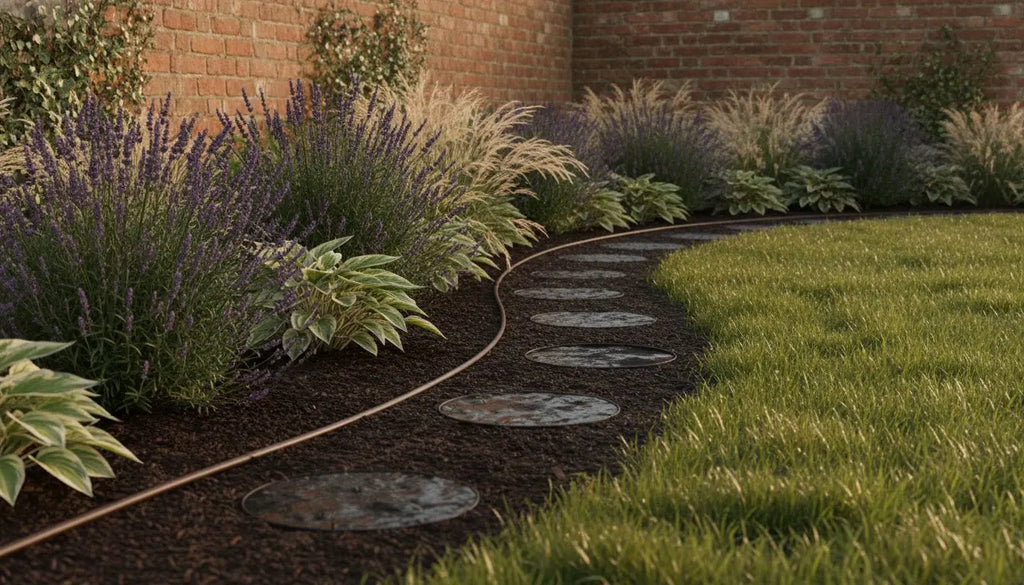
You can safely cover the dripline with a layer of organic mulch or decorative bark to hide the pipe and reduce evaporation. While it is possible to bury the tubing shallowly in the soil, we generally recommend surface installation under mulch. This makes it much easier to perform seasonal maintenance, check for accidental damage, or move emitters if you decide to rearrange your garden plants.
Is Rain Bird PCD compatible with Hozelock connectors and timers?
This professional dripline is fully compatible with Hozelock equipment. You can use standard Hozelock water timers and tap connectors to automate your garden. You will simply need 17mm barbed adapters to bridge the gap between the professional-grade tubing and your standard 13mm or 15mm garden hose fittings. This allows you to integrate professional performance into a domestic setup with ease.
What is the difference between 33cm and 50cm emitter spacing?
The 33cm spacing is the standard choice for most UK flower borders because it creates a continuous band of moisture in medium soils. The wider 50cm spacing is better suited for large shrubs, hedgerows, or heavy clay soils. In clay, water spreads horizontally much further, so fewer emitters are needed to cover the same area effectively. Choosing the right spacing depends on your specific soil type.
How often should I clean the filter on my dripline system?
You should clean your 120-mesh filter at least twice a year for optimal performance. We recommend a thorough check at the start of the spring season and a quick rinse in mid-summer. If you notice that the emitters at the end of your line are delivering less water than those at the start, it's a clear sign that the filter has captured sediment and needs cleaning.
Can I use Rain Bird PCD with a gravity-fed water butt?
Standard gravity-fed water butts don't provide enough pressure to operate this system. The Rain Bird PCD Dripline requires a minimum of 0.58 bar to open the internal emitters and begin the pressure-compensation process. To use water from a butt, you must install a small submersible pump. This provides the necessary force to push water through the emitters and ensure every plant receives its intended 2.3 litres per hour.
What happens if a PCD emitter gets blocked by hard water scale?
The internal silicone diaphragm is designed to flex and flush out micro-debris automatically during every watering cycle. If you live in a very hard water area and notice a blockage after several years, you can often clear the scale with a mild descaling solution. If a single emitter remains stubborn, the simplest fix is to cut out that small section of pipe and insert a new piece using two straight connectors.
`-
Posted in
Automatic Watering, Drip Irrigation, Garden Watering, Gardening Tips, Landscape Irrigation, Pressure Compensating, Rain Bird PCD Dripline, UK Gardening, Water Saving