
Can I Connect a Hozelock System to a Water Butt Pump?
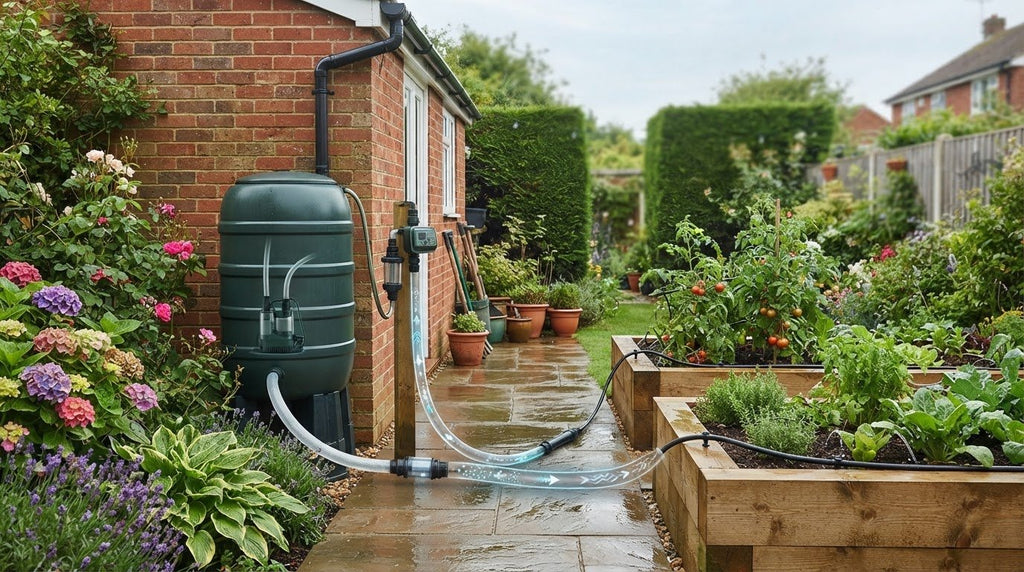
Can I connect a Hozelock system to a water butt pump and expect it to water reliably? Yes, if the pump’s pressure and flow suit the watering kit and the timer operates within its stated conditions. The Hozelock name alone doesn’t guarantee a match. For example, Hozelock’s Rainwater Butt Pump is rated at up to 1.1 bar. That may suit some micro-irrigation setups, but it does not meet every system’s requirements.
A timer that won’t start, low pressure, debris or air in the line can all lead to uneven watering. Check a few key details before connecting the equipment to reduce the risk of common setup problems.
This guide explains how to compare pump pressure and flow with the requirements in your Hozelock system and timer manuals. You’ll also learn how to position and prepare the pump, reduce the risk of blockages and dry running, and troubleshoot a system that won’t start or water evenly. Use model-specific checks to build a dependable water-butt-fed arrangement for your garden.
Key Takeaways
- Whether you can connect a Hozelock system to a water butt pump depends on whether the pump, timer and watering kit meet one another’s operating requirements.
- Compare pressure and flow separately. Find the figures in the relevant product manuals rather than assuming one measurement guarantees the other.
- Before connecting, identify each model, check the water source and intended use, and make sure the fittings match.
- Run a short supervised test to spot problems early. Check the pump, timer, filter, hose and emitters to narrow down the cause.
- Choose a watering method that suits your plants and garden layout, then match the complete setup to the pump’s verified output.
Can you connect a Hozelock system to a water butt pump?
Yes. A Hozelock watering system can run from a water butt pump if the pump meets the operating requirements of every component in the setup. If you’re asking, can I connect a hozelock system to a water butt pump, assess the pump, timer and watering kit together. Equipment carrying the same brand name is not automatically compatible.
A connection may be possible without delivering reliable watering. Pressure is the force that moves water through the system. Flow is the volume delivered over time. Both matter, and they aren’t interchangeable. A pump might move a high volume of water but still fall short of the pressure a component needs.
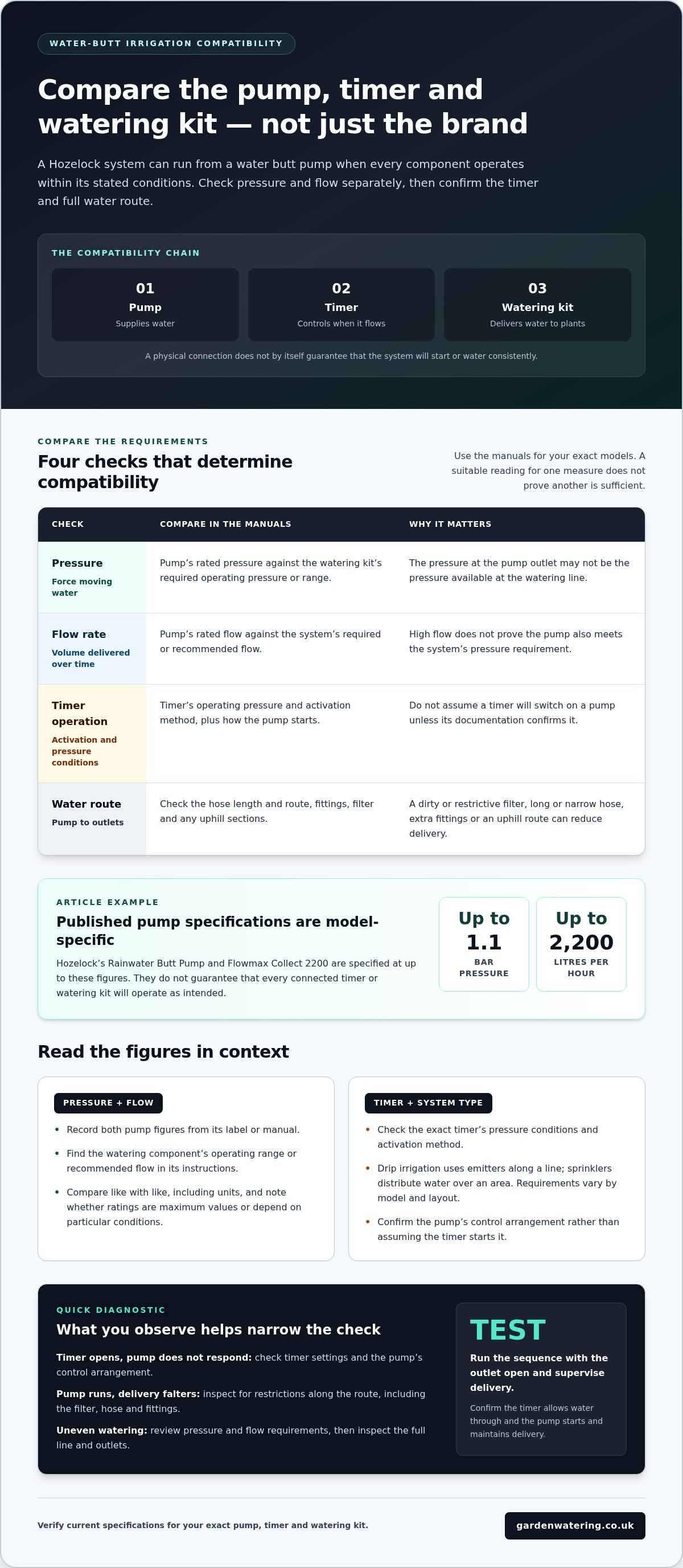
For example, Hozelock’s Rainwater Butt Pump and Flowmax Collect 2200 are specified at up to 1.1 bar and 2,200 litres per hour. These figures apply to those pump models. They don’t guarantee that every connected kit or timer will operate as intended. Check the manuals for your exact models before choosing or connecting components. For general background on pump types and how they move water, see Understanding Water Pumps.
To see a pump-preparation step in action, watch Hozelock’s instructions for priming a water butt pump:
What does a water butt pump need to do?
The pump must supply water under conditions suitable for the whole setup, including the timer, pipework and outlets. The pressure at the pump outlet may not be the pressure available at the watering line. Hose length, fittings and other restrictions can affect delivery. Find the specifications for your exact models and compare them with the requirements for every connected component. Don’t treat one pump’s figures as universal.
Why the Hozelock system type matters
Different watering methods place different demands on a pump. Drip irrigation feeds water through emitters along a line, while sprinklers distribute water over an area. Operating requirements vary by model and layout. Automatic timers also have their own limits and activation requirements, so check the timer instructions alongside the pump and kit manuals. For broader system context, explore this Hozelock automatic watering system guide.
Think of compatibility as a chain: the pump supplies the water, the timer controls when it flows, and the watering kit delivers it to plants. If one component falls outside its specified operating conditions, the system may connect physically but fail to start or water consistently. Compare each component’s requirements to judge whether a water-butt-fed setup is suitable.
How pump pressure, flow, and timers affect Hozelock compatibility
To answer “can I connect a hozelock system to a water butt pump” with confidence, compare the pump’s output with the needs of every connected component. Pressure is the force pushing water through the system; flow is the volume delivered over time. A suitable figure for one does not prove that the other is sufficient.
Use the table to find the information you need before connecting equipment. Record the figures for your exact models rather than relying on general guidance or specifications for a similar-looking product.
| Pump specification | System requirement | Where to find each figure |
|---|---|---|
| Rated pressure | Required operating pressure or range | Pump label or manual; watering kit or emitter instructions |
| Flow rate | Required or recommended flow | Pump label or manual; system instructions |
| Operating behaviour | Timer activation and pressure conditions | Pump and timer manuals |
How to compare pump output with system requirements
Start with the pump label or manual and note its rated pressure and flow. Then find the watering component’s stated operating range in its instructions. Compare like with like, including units, and check whether the pump’s figures are maximum ratings or values given under particular conditions.
The rating at the pump outlet may differ from the pressure or flow reaching the watering line. A dirty or restrictive filter, a long or narrow hose, extra fittings and an uphill route can all reduce delivery. Inspect the full route, not just the pump specification. For context on efficient watering, the EPA’s Water-Efficient Irrigation Practices covers irrigation methods and water use.
Can a water timer work with a pump?
It can, provided the timer is designed to operate under the conditions the pump supplies. Timer designs differ, so check the specific model’s instructions for its operating pressure and activation method. Find out how the pump starts, too. Some arrangements start when water is demanded; others may need separate switching or control. Don’t assume the timer will switch on a pump unless its documentation says so.
Test the sequence with the outlet open. Does the timer allow water through, and does the pump start and maintain delivery? If the timer opens but the pump doesn’t respond, check the pump’s control arrangement as well as the timer settings. If the pump runs but delivery falters, look for restrictions along the line.
For a closer look at timer options for garden watering, explore garden irrigation water timers and compare the relevant product instructions with your pump. Confirm numerical requirements in current manuals for your exact models, as specifications can vary between components and product versions.
Check before connecting Hozelock to a water butt pump
A few checks before assembly can help you spot a mismatch before it interrupts watering. Work through the components in order and follow the instructions for each exact model. If you’re asking, can I connect a hozelock system to a water butt pump, use this checklist to assess the complete setup, not just whether the hose fits.
- 1. Identify the models. Note the pump, timer and watering kit model names or numbers. This helps you find the right instructions, particularly when a product has different versions.
- 2. Read the specifications. Check that the pump is suitable for a water butt and your intended watering method. Compare its pressure and flow information with the requirements for the timer and watering components. Use figures from current manuals for those exact models.
- 3. Inspect the connections. Confirm that the pump outlet, hose and system inlet use compatible sizes and fitting types. Check seals and connectors for damage. Make sure each joint is firmly attached without forcing mismatched parts together.
- 4. Test the arrangement. Follow the manufacturer’s setup instructions and run a supervised test before relying on automatic watering. Look for leaks, steady delivery, and normal timer and pump operation.
Prepare the water butt, pump, and hose route
Check that the butt has enough water for the pump to operate as its instructions require. Keep the pump inlet clear of settled debris. If the manufacturer recommends raising the pump, do so to help prevent it drawing material from the bottom. Keep any filter accessible so you can inspect and clean it without dismantling the whole arrangement.
Plan a straightforward hose route from the butt to the watering system. Avoid sharp bends, kinks and unnecessary restrictions that can interrupt delivery. Secure the hose to reduce the chance of it pulling on the pump outlet or loosening a joint. Don’t alter the pump or attempt electrical or installation work beyond the manufacturer’s instructions.
Choose compatible fittings and watering components
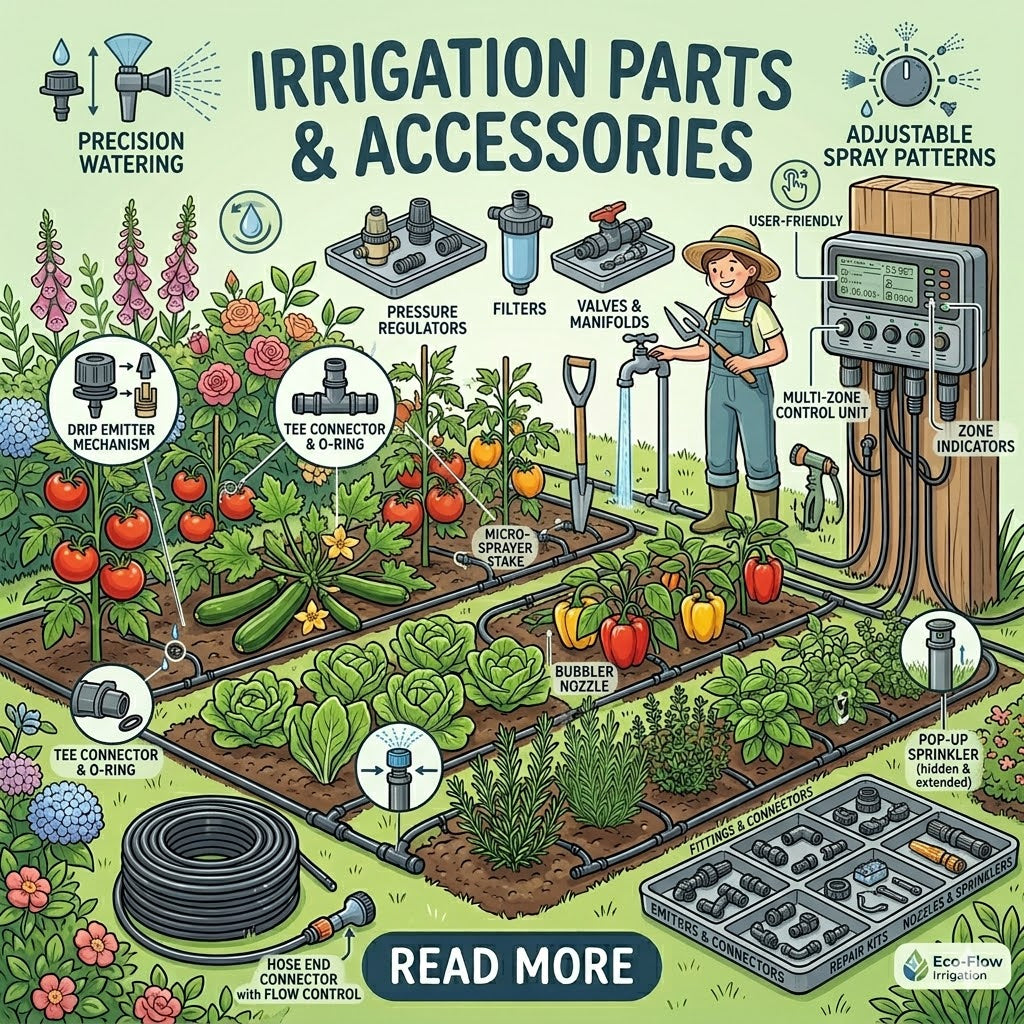
Match the fitting at each join: pump outlet to hose, then hose to timer or system inlet. Similar-looking connectors aren’t always the same size or type. If the ends don’t match, identify the required connection before adding parts. The right irrigation fitting adaptor can bridge a compatible difference, but it won’t correct a pressure or flow mismatch.
Choose watering components for your plants and layout, then check their requirements against the pump and timer documentation. Hozelock watering kits bring together components for garden watering, but suitability for a particular pump-fed arrangement still depends on the exact models and instructions. After assembly, watch the system run. Check that the pump stays supplied with water, the timer behaves as expected, and the hose and fittings remain secure. To compare options, explore Hozelock watering kits.
How to test and troubleshoot a pump-fed Hozelock watering system
Run the system while you can watch it before relying on automatic watering. Follow the pump and timer manuals, check that water reaches each outlet, and look for leaks or unexpected changes in sound. A short supervised test can help show whether a problem starts at the pump, timer or watering line, though the same symptom can have more than one cause.
If you’re checking whether you can connect a Hozelock system to a water butt pump, use the symptoms to guide your checks. Change one thing at a time, then test again. That makes it easier to see what improved and where the fault remains.
Why might the system have weak or uneven flow?
Work from the water source towards the outlets. Check that the butt has enough water, then inspect the pump inlet and filter for obstructions. Look along the hose for kinks or leaks, and check that connectors are secure. If the pump and line appear clear but some outlets still deliver poorly, inspect the emitters for blockages and clean them only as their manufacturer directs.
Compare what you observe with the requirements for the pump and watering components. A pump may run normally while a restriction in the filter or hose limits delivery. The layout can also affect how evenly water reaches outlets at different points or with different demands. If flow is weak throughout, focus first on the supply and restrictions near the pump. If only one section is affected, inspect that branch and its outlets.
Why might the timer or pump fail to start?
Check the timer settings and the pump’s power and controls using the manufacturer’s instructions. Confirm that the timer is set to run at the expected time and that its mode is correct. Then check how the pump is meant to activate. The timer and pump need compatible operating behaviour, and some arrangements may require separate pump control. Don’t assume a timer will switch a pump on unless its instructions say it will.
If the timer opens but the pump doesn’t start, focus on the pump’s control method and power supply. If the pump runs but no water passes, check the water level, inlet and filter before investigating the hose and outlets. Follow the model-specific steps for handling, priming or cleaning the pump. Don’t open or adjust it in ways its instructions don’t allow.
Stop testing if you notice damaged cables, exposed wiring, a burning smell or other signs of unsafe operation. Don’t handle electrical components while wet. Follow the manufacturer’s safety guidance and use a qualified professional for work beyond routine user checks. Once the fault is resolved, repeat a supervised run and confirm that water reaches the intended areas before leaving the timer to operate unattended.
For a dependable match between pump-fed watering and the rest of your setup, explore Hozelock watering systems and kits.
Choose a reliable Hozelock setup for water-butt watering
A dependable setup matches the pump’s verified output to the timer, fittings and watering components, then checks that the complete arrangement suits your plants and garden layout. The brand name alone doesn’t establish compatibility. If you’re deciding, “can I connect a hozelock system to a water butt pump?”, use exact model information to guide your choice instead of relying on assumptions.
Garden Watering specialises in Hozelock automatic watering systems and has more than 15 years of experience advising on garden watering. This specialist knowledge can help you compare components. Use the pump and system manuals for model-specific operating requirements.
Which watering setup suits your garden?
Start with what you want to water. Drip irrigation can suit targeted watering around plants or along beds, provided the pump meets the requirements of the chosen system and its outlets. Consider the line layout and where water needs to reach, not just the number of plants.
Sprinklers make a different demand because they distribute water over an area. Don’t assume a pump suitable for one watering method will also run another. Check the requirements for the exact sprinkler, timer and pump models before choosing components. The right method suits your planting and layout while operating within the equipment manufacturers’ stated conditions.
A simple compatibility decision before you buy
Write down the details of your proposed arrangement before adding equipment. That makes it easier to compare the complete system rather than focusing on one fitting or specification in isolation.
- Pump: Record the exact model, rated pressure and flow, and whether its instructions describe it as suitable for your water source and intended use.
- Outlet and hose: Note the pump outlet type and size, hose dimensions, and any fittings needed to connect the components securely.
- Timer: Check its operating requirements and how it interacts with the pump. Confirm the activation method in both manufacturers’ instructions.
- Watering components: List the kit, irrigation line, emitters or sprinkler you plan to use, then compare their requirements with the pump and timer documentation.
Before buying additional equipment, check the current instructions for every exact model. Product versions and requirements can differ, so specifications for a similar component are not a substitute. If a figure is missing or unclear, don’t guess. Get reliable, model-specific information before deciding.
Once the specifications and connections align, test the arrangement under supervision before relying on scheduled watering. Keep the setup focused on your garden’s needs, and adjust the watering method or layout if the intended outlets don’t receive consistent delivery.
Explore Hozelock watering systems and compare the available components with your pump’s verified specifications and garden layout.
Plan your next step with confidence
Once you know the pump and watering components suit one another, consider how your garden’s needs may change. New planting, containers or a reshaped bed can alter where water needs to go. Leave room to adjust the layout rather than treating the first arrangement as permanent. A setup that’s easy to inspect and adapt makes future changes simpler.
If you’re still asking, “can I connect a hozelock system to a water butt pump?”, use the model details and manuals as your guide before adding or changing components. Garden Watering’s specialist range of Hozelock automatic watering systems and kits offers options to explore, backed by more than 15 years of experience advising on garden watering.
Explore Hozelock watering systems and take the next step towards a watering arrangement that suits your garden. A considered choice and careful test can help you make better use of collected rainwater.
Frequently Asked Questions
Can a water butt pump run a Hozelock automatic watering system?
Yes, if the pump’s output suits the connected timer and watering components. Hozelock water-butt pumps are specified for micro-irrigation, but that doesn’t establish compatibility with every kit or layout. If you’re asking, “can I connect a Hozelock system to a water butt pump?”, compare the exact model instructions before connecting, then watch the first watering cycle to check that the outlets deliver as expected.
Will a Hozelock timer work with a water butt pump?
Some Hozelock automatic watering timers are designed for low-pressure use, so a water-butt-fed arrangement may be suitable. The timer still needs to work with the pump’s method of operation. Check whether the pump starts automatically when water is drawn or needs separate control, and confirm the timer’s requirements in its manual. If a scheduled cycle doesn’t begin, test the timer and pump separately according to their instructions.
What pump pressure do I need for a Hozelock watering system?
There isn’t one pressure figure that suits every Hozelock watering system. Hozelock gives a general operating range of 1 to 10 bar for its products, but individual components can have their own requirements. For example, Hozelock water-butt pumps are rated at 1.1 bar, while Superhoze needs at least 3 bar to extend fully. Check the manual for each exact component, especially when combining different product types.
Can I use a water butt pump with drip irrigation?
Yes, a suitable water-butt pump can supply drip irrigation. Hozelock’s Rainwater Butt Pump and Flowmax Collect 2200 are described as compatible with micro-irrigation, but performance still depends on the specific pump, timer, tubing and emitters. Check that the complete line operates within its stated requirements. If some plants receive less water, inspect their emitters and the layout rather than assuming the pump is the only cause.
Why does my water butt pump not start when the timer opens?
The pump and timer may not be set up to activate together. Check that the timer is in the correct programme, the pump has power and its controls are set as instructed. Then confirm whether the pump is designed to start when the timer opens the water path or requires a separate switching arrangement. If the pump remains silent, follow its fault-finding guidance instead of repeatedly running cycles without water.
Can a water butt pump run a garden sprinkler?
It depends on the sprinkler’s pressure and flow requirements. A water-butt pump rated at 1.1 bar may suit some watering tasks, but that figure doesn’t mean it will run every sprinkler effectively. Check the sprinkler’s manual and consider the whole arrangement, including hose length and any height the water must travel. If the spray is weak or uneven, compare delivery with the sprinkler’s stated requirements before changing components.
How do I stop debris blocking a water butt pump irrigation system?
Keep the pump inlet clear and clean its filter as directed in the pump manual. Raising the pump off the bottom of the butt, where the manufacturer’s instructions allow, can help reduce the amount of settled debris it draws in. Inspect the filter regularly and look for blocked emitters if only parts of the irrigation line are affected. Switch off and handle the pump only as its instructions specify.
`-
Posted in
automatic watering, can I connect a hozelock system to a water butt pump, garden irrigation, garden maintenance, Hozelock, micro irrigation, rainwater harvesting, water butt pump, watering tips