Hozelock Drip Irrigation: A Practical UK Guide
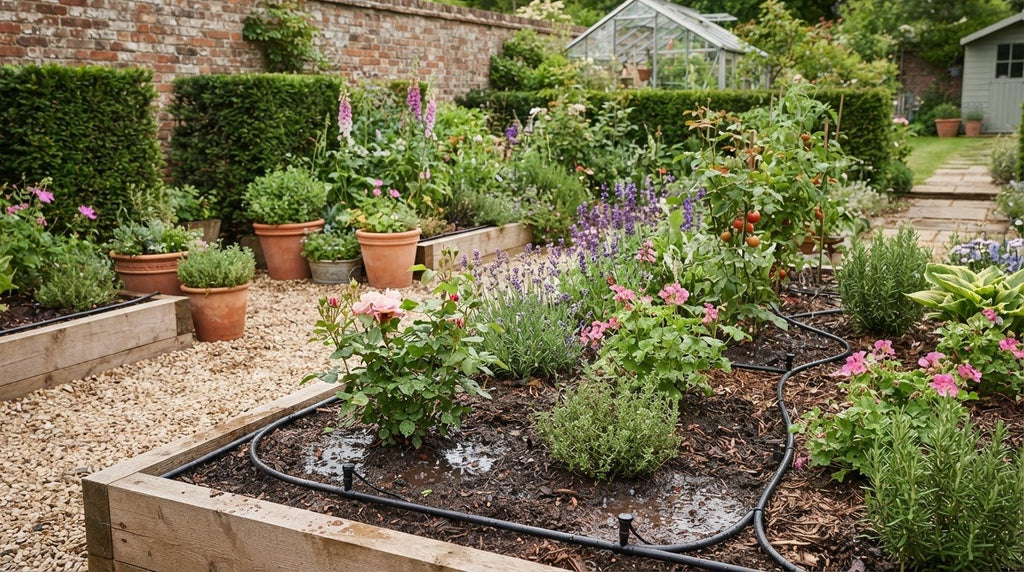
Could a better watering layout do more for your garden than simply watering for longer? Hozelock drip irrigation for water-efficient gardens delivers water close to plant roots, helping you direct it where it’s needed rather than across paths or bare soil. The key is matching the system to each planting area, not choosing a one-size-fits-all setup.
If you’re unsure whether drip irrigation will suit pots, borders or a mixed garden, you’re not alone. A practical system should fit your plants, layout and routine while helping you use water carefully and reduce the chance of runoff. Drip irrigation is often permitted during hosepipe restrictions, but rules vary, so check with your local water supplier before watering.
This guide explains how Hozelock drip irrigation works and what to consider when choosing a setup for different parts of your garden. You’ll learn how to plan a manageable watering routine and make informed product choices, with practical advice shaped by more than 15 years of experience with watering systems.
Key Takeaways
- See how supply pipework, distribution lines, connectors and outlets work together to deliver water around planting areas.
- Compare drip outlets, micro-sprays, lawn sprinklers and hand watering to find a suitable method for each part of your garden.
- Plan a practical layout by grouping plants, considering site conditions and testing delivery before settling on a watering routine.
- Choose hozelock drip irrigation for water-efficient gardens by weighing up coverage needs, automation preferences and possible changes to your planting.
- Use specialist product guidance to narrow your choice of Hozelock drip irrigation systems and watering kits.
Why choose Hozelock drip irrigation for a water-efficient garden?
Watering consistently without using more water than plants need can be difficult, especially when a garden includes borders, pots and greenhouse crops with different requirements. Hozelock drip irrigation for water-efficient gardens offers a way to target watering by planting area rather than treating every surface alike.
Drip irrigation delivers water slowly through outlets positioned near plant roots, instead of spraying it over foliage and surrounding ground. This targeted approach can help keep water away from paths and bare soil. The wider overview of drip irrigation explains the method and its components, but how well it works in your garden depends on the layout, plant needs, soil and watering control. There’s no universal saving to expect: a poorly planned or overlong watering cycle can still waste water.
Which garden areas can benefit from drip watering?
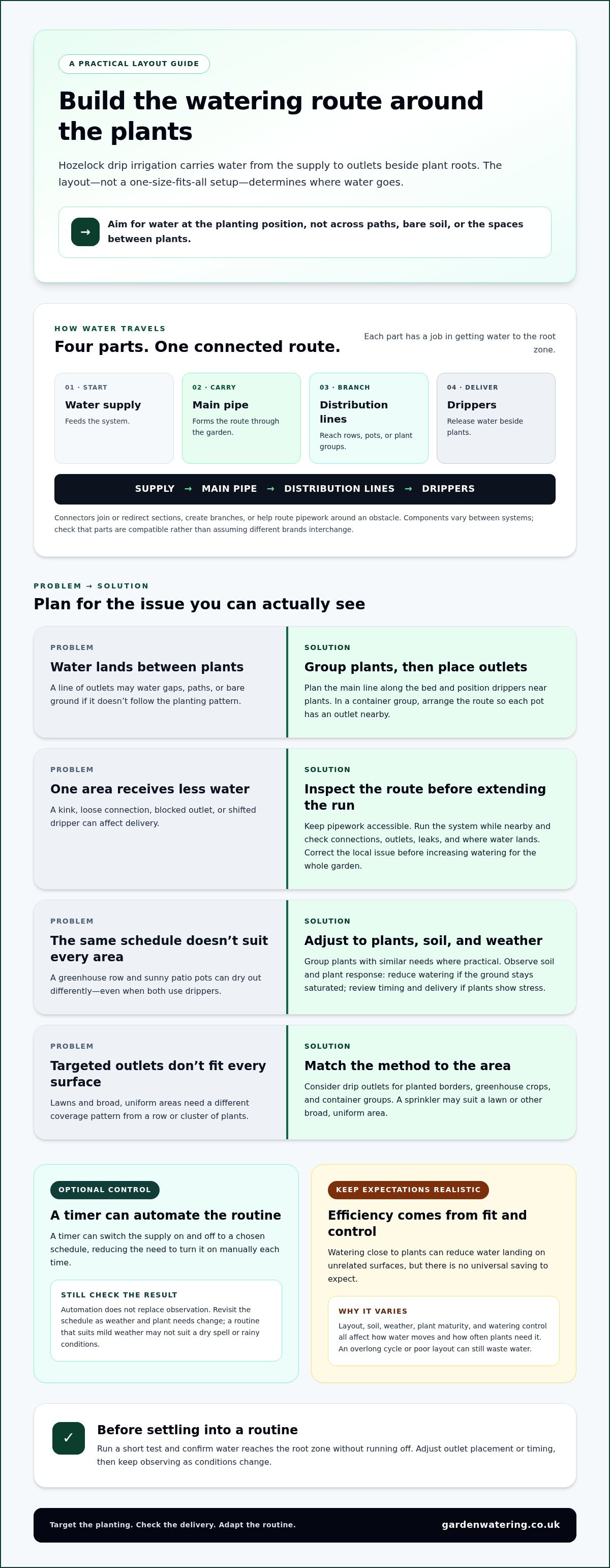
Drip watering can suit planted borders, greenhouse growing areas and groups of containers. It’s particularly practical where plants follow a row or sit in a defined cluster, because outlets can be positioned near the plants rather than watering the gaps between them. Consider how plants are spaced and whether they share similar watering needs before planning a line of outlets. Lawns and other broad, uniform areas often need a different coverage pattern, such as a sprinkler, rather than individual targeted outlets.
What makes watering more water-efficient?
Directing water close to plants can reduce watering on unrelated surfaces, but careful control matters too. Set a manageable routine, then observe how quickly the soil dries and how plants respond. If the ground stays saturated, reduce watering; if plants show signs of stress, review the timing and delivery. Soil type, weather, plant maturity and system setup all affect how water moves and how often plants need it. Adjust routines as conditions change rather than relying on one fixed schedule.
For example, a row of greenhouse crops may dry out differently from pots on a sunny patio, even if both use drip outlets. Group plants with similar needs where practical, and avoid assuming that the same duration will suit every area. A short test helps reveal whether water is reaching the root zone or running off, so you can adjust outlet placement or timing before settling into a routine.
Keep components matched when choosing a system: a separate Claber drip irrigation range shows why brand and fitting compatibility matter rather than assuming parts will interchange with Hozelock. With a suitable layout and regular observation, drip irrigation can support thoughtful watering through changing garden conditions.
How Hozelock drip irrigation delivers water to plants
A drip system works as a connected route, carrying water from the supply to the places where plants need it. Understanding that route makes it easier to plan a layout, spot where a connection is needed and adjust delivery if one area isn’t being watered as intended.
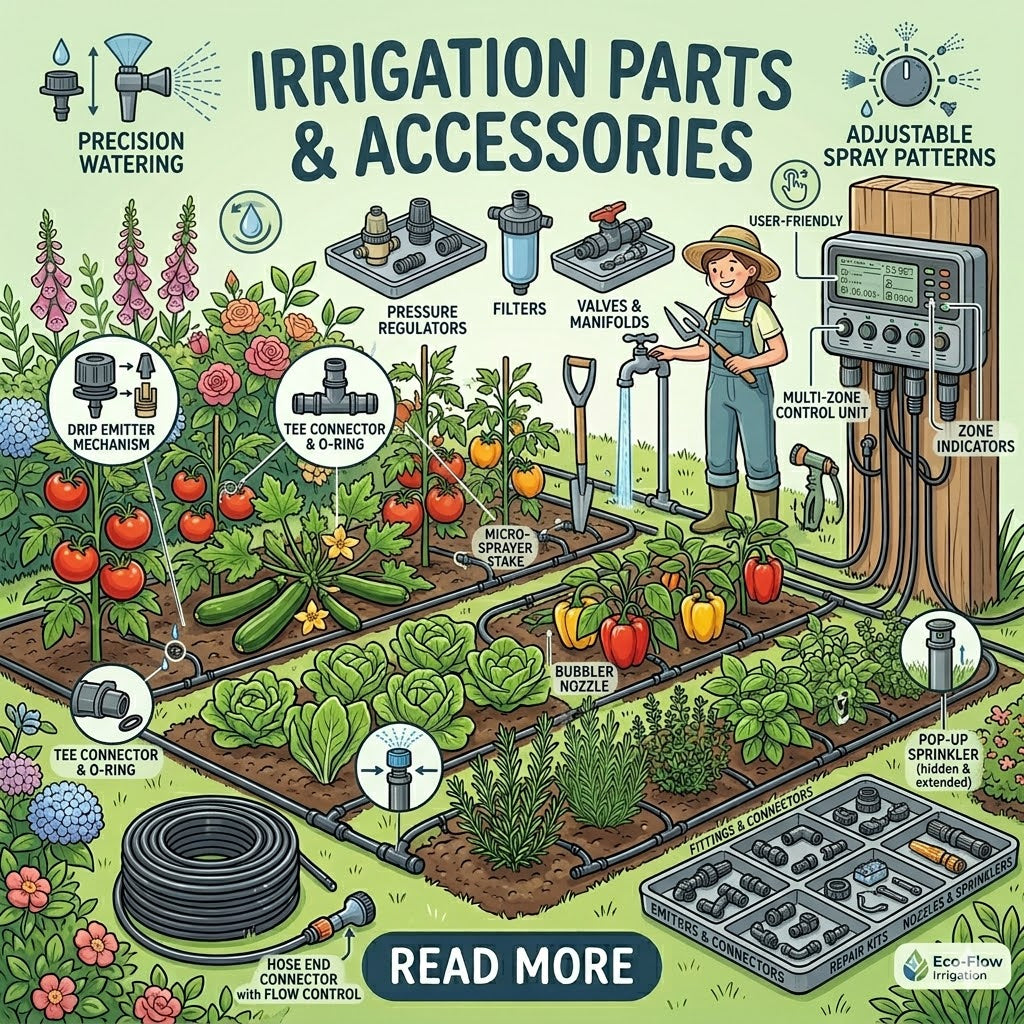
Water flows from the supply through the main pipe, along smaller distribution lines and out through drippers placed beside plants. In a Hozelock drip irrigation setup, each part has a job: the pipework carries water around the planting area, connectors join or redirect sections, and outlets deliver it close to the root zone. The layout determines where water goes, so position outlets with the planting pattern in mind.
What do the main drip irrigation components do?
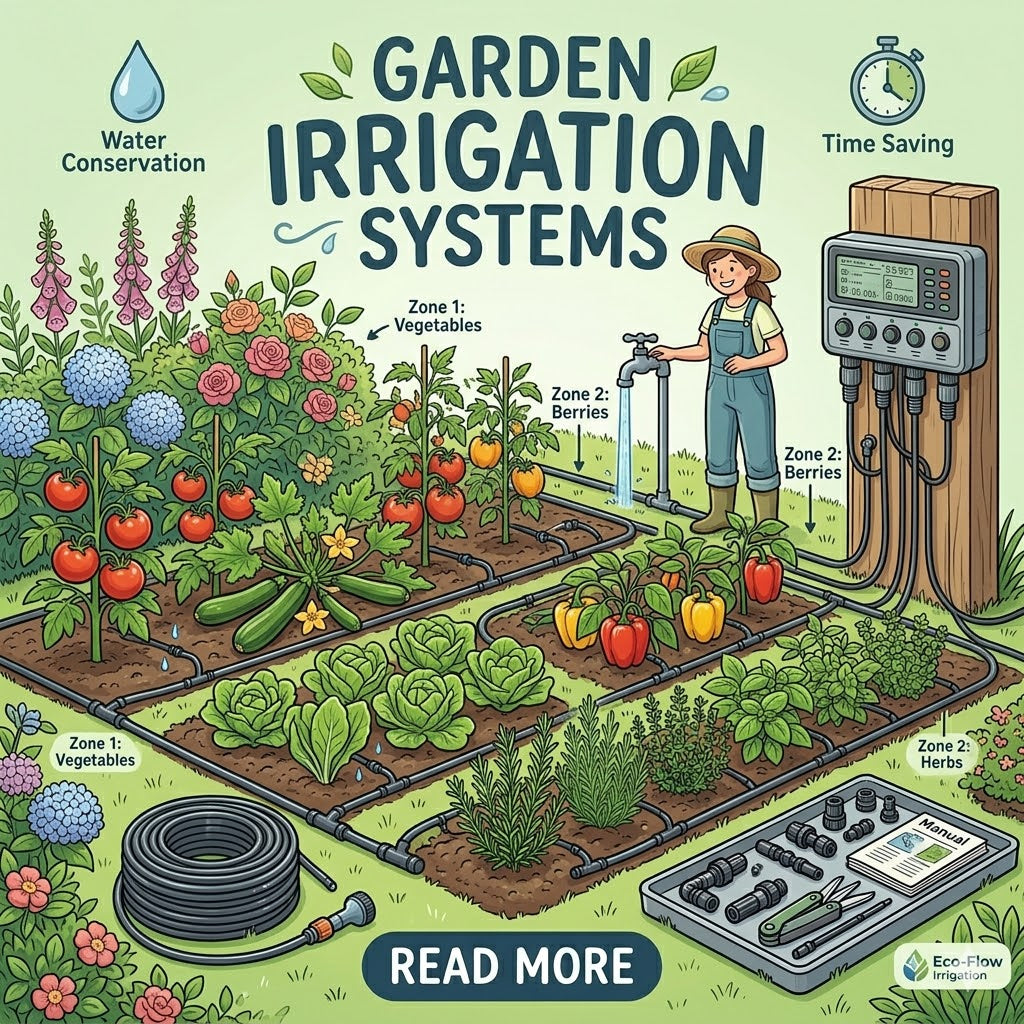
The main supply pipe forms the route through the garden. Smaller distribution lines can branch from it to reach individual rows, pots or groups of plants. Drippers release water at selected planting positions, while connectors join lines, create branches or help direct the route around an obstacle. Exact components vary between systems, so plan around the parts included with the setup you choose.
Think of a border with plants spaced along its length. The main line can follow the bed, with smaller lines or outlets positioned to serve the plants rather than the path beside them. In a container grouping, a route can be arranged so each pot has an outlet nearby. Keep pipework accessible enough to inspect; a kink, loose connection or shifted outlet can affect delivery. After arranging the lines, run the system and look for leaks, blocked outlets or water landing away from the intended planting position.
How does a timer support controlled watering?
A timer can switch the water supply on and off according to a chosen schedule, so you don’t have to turn it on manually each time. This can make a regular routine easier to manage, but automation doesn’t remove the need to observe plants and soil. A schedule that suits mild weather may provide too much or too little during a dry spell or after rain. Review it as conditions and plant needs change.
For a reliable first check, run the system while you’re nearby and observe how water reaches each outlet. If one area receives less, inspect its route and connections before extending the watering duration for the whole garden. This helps avoid overwatering plants that are already receiving enough. For a closer look at scheduling options, explore the garden irrigation water timers range.
Good control comes from combining a clear route with a schedule that reflects real conditions. That’s the practical basis of hozelock drip irrigation for water-efficient gardens: deliver water where it’s needed, then check the result instead of assuming every outlet or planting area behaves the same way. If you’re considering a complete setup, browse the Hozelock watering kits to explore options for organising garden watering.
Drip irrigation, micro-sprays or sprinklers: which suits your garden?
The right watering method depends on the shape of the area and how plants are arranged. A line of individual plants needs a different coverage pattern from a lawn or a close-packed group of pots. Compare where each method sends water before choosing; no single option suits every garden.
| Method | Coverage pattern | Suitable areas | Where water is directed and setup considerations |
|---|---|---|---|
| Drip outlets | Small, targeted points | Rows, borders and grouped containers | Near selected plants; outlets need positioning to match plant spacing. |
| Micro-sprays | Broader local spray | Close plantings needing coverage across a small area | Across nearby foliage and soil; consider spacing and wind exposure. |
| Lawn sprinklers | Wider, more uniform coverage | Lawns and open areas | Across a broad surface; place and adjust coverage to avoid paths and walls. |
| Hand watering | Directed manually | Small or changing planting areas | Where the gardener aims the water; flexible, but requires hands-on watering. |
When is drip irrigation a better fit than spraying?
Drip outlets can be a practical match for plants arranged in a row, a border with clear planting positions, or containers grouped together. You can plan outlets around the plants rather than wetting the entire bed. Micro-sprays may suit a compact planting where broader local coverage is useful. Before deciding, consider how far apart plants sit, whether wind could carry spray off target, and how much the plants may spread as they grow.
For example, widely spaced plants in a border may be easier to serve with outlets positioned individually, while closely planted young crops may benefit from a wider wetted area. Review the pattern at ground level, not just from above: leaves can grow into the spray path, and nearby surfaces may receive water unintentionally. The drip irrigation systems range offers a starting point for comparing targeted watering options.
When should you consider another watering method?
A lawn generally needs broad, even coverage rather than outlets placed beside individual plants, so a sprinkler approach may be a better fit. For a small group of pots or a newly changed planting area, hand watering offers control over where water goes, though it means doing the task manually. Hozelock watering options span different garden needs, so compare the coverage pattern with the area before settling on a method.
Choose by planting pattern, not by habit. For hozelock drip irrigation for water-efficient gardens, targeted outlets often make sense where plants have defined positions. Micro-sprays suit broader local coverage, sprinklers address open areas, and hand watering provides flexible control for small spaces. A garden with distinct zones may call for more than one approach. Match each zone to its plants, exposure and required coverage, then observe where the water lands during a test and adjust the layout if needed.
Plan a water-efficient Hozelock drip layout for your garden
A clear layout helps you direct water to the right planting positions and avoid unnecessary pipe runs. Before choosing a route, take time to map the garden and note which plants share similar conditions. This makes it easier to plan a system around real watering needs instead of applying one schedule to every bed, pot and greenhouse plant.
Map plant groups before choosing a route
Start with a simple sketch. Mark containers, beds, greenhouse growing areas and any other planting zones you want to water. Add plant positions or rows, then note spacing and whether outlets could reach each intended spot. Group plants with similar watering needs where practical, while keeping distinct groups separate if their conditions differ.
Next, note the conditions that may affect watering:
- Exposure: record areas that receive more sun, wind or shelter.
- Soil: note where the ground drains or dries at a different rate.
- Planting: identify new plants, established plants and containers that may need different attention.
- Route: sketch the shortest practical pipe path that reaches each group without crossing areas that don’t need watering.
This plan can reveal where one route serves a whole row and where a separate branch or watering zone makes more sense. It also helps prevent missed plants at the ends of beds or behind greenhouse staging. For visual inspiration, the garden design ideas and plans articles can help you think through how planting areas are arranged before settling on pipe routes.
Test and adjust watering without wasting water
Once the layout is in place, run the system and inspect each outlet. Check that water reaches the intended planting position, connections stay secure and no outlet is watering a path or other unused surface. If a plant is missed, adjust the outlet or route rather than simply extending the watering time for every area.
Check the soil near the roots after watering. The surface alone may not show whether moisture has reached the area plants use, so inspect the soil below it as well. If it remains very wet, reduce the schedule or review delivery. If it dries quickly, consider whether the plant group needs a different timing or outlet position. Adjust gradually and observe the result.
Build the routine around rainfall, season and visible soil moisture. A schedule that works during a dry spell may need changing after rain or as temperatures shift. Revisit the sketch as plants grow, containers move or beds change; outlets that once matched a young plant may no longer sit in the right place. That ongoing check is central to hozelock drip irrigation for water-efficient gardens: plan for the current planting, then adapt as the garden changes.
Use your map to match Hozelock watering products to each zone, and explore Hozelock drip irrigation options as you refine your setup.
Choose Hozelock drip irrigation products with specialist guidance
The right setup starts with your garden, not a product name. Decide which planting areas need watering, what coverage they require and whether you want a timer to manage the routine. Then consider whether plants or containers may move, or new areas may be added. These details help narrow the choice of Hozelock drip irrigation products without relying on assumptions about kit contents or specifications.
Match the system category to the garden
Use drip irrigation for defined planting positions, such as rows, borders or grouped containers. If an area needs broader coverage, compare it with other watering categories rather than stretching a drip layout beyond its intended use. The planned area, route and watering requirements all influence kit choice. For wider system-selection context, the Hozelock automatic watering guide explains how to think about different options.
Before choosing, work through this checklist:
- Planting areas: list the borders, pots, greenhouse plants and other zones you want to water.
- Coverage: identify whether plants need water at individual positions or across a broader area.
- Automation: decide whether a timer would help you keep a consistent routine, while remembering to adjust it as conditions change.
- Future changes: consider whether new plants, moved containers or expanding beds may alter pipe routes and outlet positions.
Once you know what each area needs, compare suitable system categories and the overall setup required. A compact container group has different coverage needs from a long border, while an open lawn calls for a different approach again. Browsing Hozelock watering kits can help you assess kit options against the areas you’ve mapped. Check the current product details when comparing options, and make sure your choice suits the intended layout.
Keep the system useful as the garden changes
A layout that fits today may need adjustment as plants mature or planting areas change. Reposition outlets if roots or containers move, and review pipe routes when you add a bed or rearrange pots. Periodically check for leaks and blocked outlets, then observe whether water still reaches the intended plants. Small reviews help keep delivery aligned with current needs.
Garden Watering draws on over 15 years of experience advising on watering systems, with specialist knowledge of Hozelock automatic watering. That practical perspective can help you match product categories to your planting areas and watering routine. For hozelock drip irrigation for water-efficient gardens, focus on suitable coverage, manageable control and a layout you can review as the garden evolves.
Explore Hozelock watering options to compare suitable categories for your garden.
Take the next step towards a better-matched watering setup
Start with one planting area you’d like to water more consistently. Note what grows there, how much coverage it needs and whether you want watering to run automatically. This gives you a clear starting point for choosing hozelock drip irrigation for water-efficient gardens, without trying to plan every part of the garden at once.
Matching products to a real garden takes more than comparing categories. Garden Watering brings over 15 years of specialist watering-system experience, with expert advice focused on Hozelock automatic watering systems. Use that knowledge to consider a practical setup for your planting areas and watering routine.
Explore Hozelock watering systems for your garden and take the next step towards a watering plan that suits your plants. A thoughtful start can make the routine easier to manage and help you care for your garden with confidence.
Frequently Asked Questions
Is Hozelock drip irrigation suitable for every garden?
No, Hozelock drip irrigation won’t be the best fit for every garden area. It can work well for planted borders, greenhouse growing spaces and container groups, but lawns usually need a broader coverage pattern. Before choosing, consider how plants are spaced, whether the soil drains quickly and how exposed the area is. A small trial in one zone can help you judge whether targeted delivery suits your planting.
Can drip irrigation reduce water use in a garden?
It may help by directing water towards plants rather than across paths or bare ground, but the result depends on how the system is planned and used. For hozelock drip irrigation for water-efficient gardens, check whether moisture reaches the root area and look for runoff or persistently wet patches. Adjust the schedule after rainfall and as plant needs change. A poorly positioned outlet or excessive watering time can still use water unnecessarily.
How often should I run a Hozelock drip irrigation system?
There’s no universal watering frequency. Plants in a sheltered bed may dry out more slowly than those in exposed containers, and soil type and seasonal weather also affect moisture levels. Check the soil near the roots before running the system, especially after rain. If it’s still damp, delay watering; if it’s drying out, review the schedule. Recheck after changing timer settings so the routine reflects actual conditions.
Does Hozelock drip irrigation work for pots and containers?
Yes, drip watering can suit pots when an outlet can be positioned to serve each container. For example, a row of patio pots may be easier to manage with a planned line than by watering each one separately. Check that no pot is missed, then inspect the compost in individual containers. Small pots, sunny positions and exposed locations may dry at different rates, so don’t assume one schedule will suit every container.
Can I use drip irrigation in a greenhouse?
Yes, it can be considered for greenhouse plants if outlets can be arranged to reach their growing positions. A practical first step is to identify which plants share a growing area and which may need separate attention. Check the soil around the roots regularly, as greenhouse conditions can differ from outdoor beds. Keep outlets visible and accessible so you can spot a blockage or uneven delivery during routine checks.
Should I choose drip irrigation or a sprinkler for garden beds?
Choose according to the shape of the planting and the coverage it needs. Drip outlets suit beds where plants have distinct positions, while a sprinkler or micro-spray can cover a more closely grouped area. For instance, widely spaced shrubs may be easier to water with targeted outlets, whereas a dense patch of young plants may need broader coverage. Consider wind and nearby paths, then observe where water lands during a test.
Can I extend a Hozelock drip irrigation system later?
Some setups may allow changes or additions, but this depends on the specific system and its requirements. Before adding components, read the current product instructions and check that the proposed layout remains suitable. Don’t assume parts will fit or that every system can be extended in the same way. If you add a bed or move containers, review the route and test the outlets to confirm the revised layout waters the intended plants.
`-
Posted in
drip irrigation, garden planning, garden watering, Hozelock, hozelock drip irrigation for water-efficient gardens, irrigation systems, plant care, UK gardening, water efficiency