Designing a Water-Neutral Garden Irrigation Plan: A Practical UK Guide
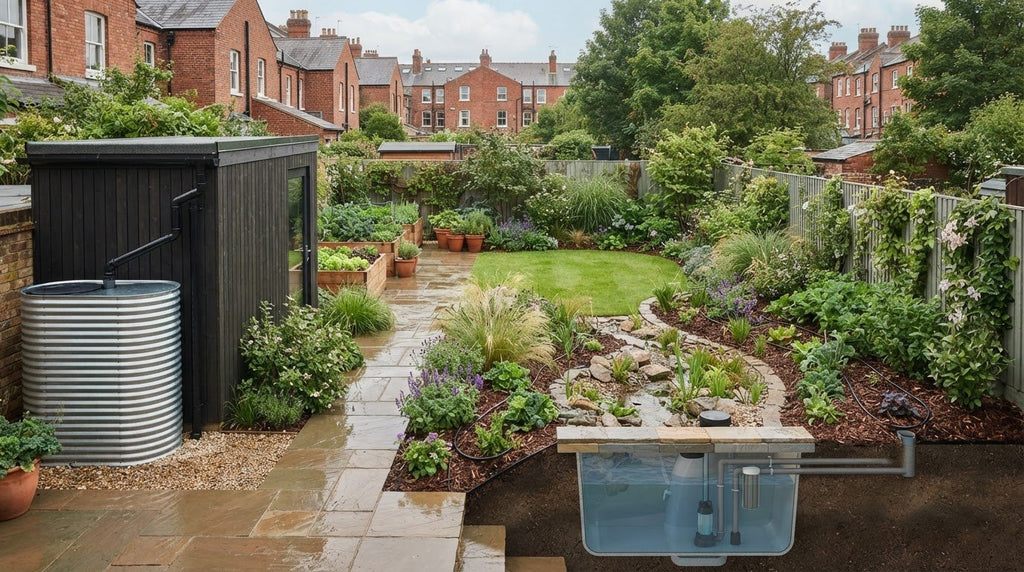
What if the best way to water your garden is to start by working out how much water it can provide for itself? Designing a water-neutral garden irrigation plan begins with a realistic budget: match the needs of different plants to rainfall, storage and efficient delivery. For an individual garden, water neutrality is a practical aim: reduce reliance on mains water without compromising plant health.
It’s understandable to wonder whether stored rainwater will last through a dry spell, or whether using less water means thirsty plants. The answer isn’t to water everything less. First, work out where, when and how much water each growing area needs, then plan around the supply you can collect and reuse.
This guide shows you how to estimate demand, account for seasonal rainfall and storage, and choose delivery methods such as drip irrigation where they suit your plants. You’ll also learn how to lay out a system you can monitor and adjust as conditions change. A measured plan helps you make better use of available water while keeping your garden thriving.
Key Takeaways
- Set a clear boundary and accounting period for your garden’s water-neutrality goal, including any mains-water top-up.
- Estimate demand by mapping planting areas and separating lawns, established beds, new plants and containers.
- Compare available water sources and match delivery methods to each area, considering control and potential overspray.
- Build a practical irrigation layout by dividing zones, testing coverage and adjusting schedules to soil and plant conditions.
- Use your water budget to guide system choices: designing a water-neutral garden irrigation plan means matching controls and delivery to supply, not expecting automation to create water.
What Does a Water-Neutral Garden Irrigation Plan Actually Mean?
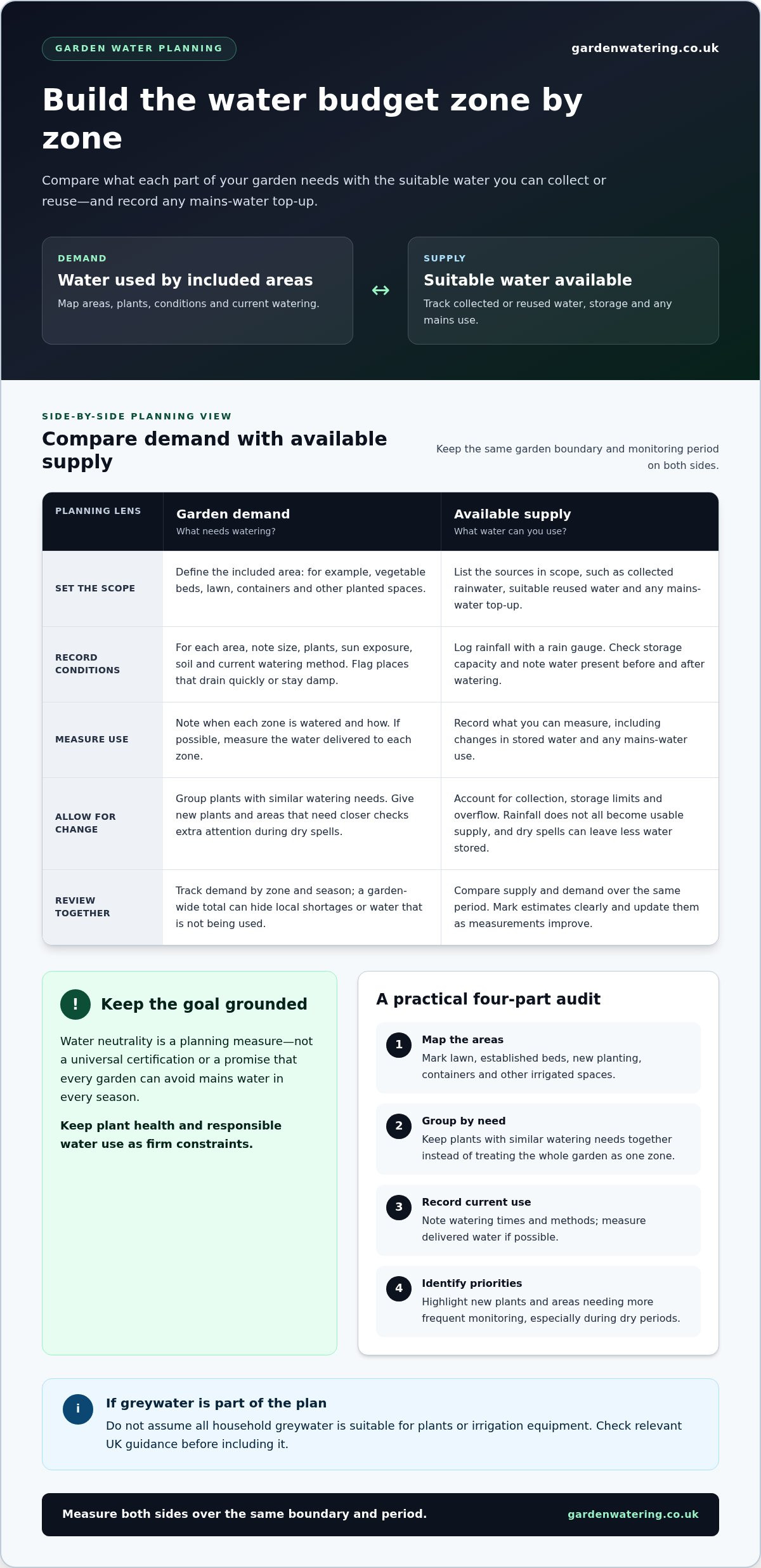
A water-neutral garden irrigation plan is a practical way to match watering demand with water collected or reused on site, while recording any mains-water top-up. It isn’t a universal garden certification or a promise that every garden can avoid mains water in every season. The useful question is whether you can define what the plan covers, track the balance and make informed adjustments without putting plants under stress.
In this guide, water-neutral means that, within a defined garden area and monitoring period, irrigation use is planned around captured or reused water, with any mains-water use measured and recorded. Rainwater collection is one possible part of that approach. Rainwater harvesting describes collecting and storing rain for later uses, including garden irrigation.
A short video can help illustrate how collected rainwater may be stored and reused for watering:
How Is Water Neutrality Different from Nutrient Neutrality?
For a garden, a water balance compares how much irrigation water the included areas use with how much suitable water is available from collection or reuse. It’s a planning measure, not a formal standard shared by every garden. Nutrient neutrality is a separate environmental-planning issue concerning nutrient impacts, not the supply used to irrigate beds or lawns. If your project involves a planning application, check the relevant local authority guidance rather than assuming the terms are interchangeable.
What Should a Garden Water-Neutrality Goal Include?
Start by drawing a boundary. For example, specify whether your plan covers only vegetable beds or also the lawn, containers and other planted areas. Choose a monitoring period, such as a growing season, and record rainfall, changes in stored water and irrigation use. A simple log can show when supply falls short and where adjustments may help. Keep plant health and responsible water use as firm constraints, not outcomes to sacrifice for a numerical target.
With the scope set, designing a water-neutral garden irrigation plan becomes a process you can review rather than a vague ambition. If drip delivery suits the plants and available supply, explore drip irrigation options as one possible system component. Next, estimate demand area by area and compare it with the water your garden can realistically collect or reuse.
How to Calculate Garden Water Demand and Available Supply
A useful water budget starts with what your garden actually needs and can collect, not a single estimate for the whole plot. When designing a water-neutral garden irrigation plan, record your assumptions as well as your measurements. You can then revise the budget as you learn how different zones respond to rainfall and watering.
How Can You Map Water Demand by Garden Zone?
Sketch the garden and mark each area’s size, plants, sun exposure, soil and current watering method. Note where water drains quickly or remains damp. Group areas with similar needs so you can plan watering more accurately, and flag plants that need closer checks during dry spells.
Use this simple audit to organise your notes:
- 1. Map the areas: Mark the lawn, established beds, new planting, containers and any other irrigated spaces.
- 2. Group by need: Keep plants with similar watering needs together, rather than treating the whole garden as one zone.
- 3. Record current use: Note when each area is watered and the method used. If possible, measure the water delivered to each zone.
- 4. Identify priorities: Highlight new plants and other areas that need more frequent monitoring, especially during dry periods.
Track demand and supply by zone and season. A garden-wide total can hide both local shortages and water that isn’t being used.
How Do You Estimate Rainwater and Reused-Water Supply?
List each water source available to you, such as collected rainwater or mains water, and record what you can measure. A rain gauge can help you log rainfall at your site. Check your storage capacity and note how much water is present before and after watering. Don’t assume that all rainfall becomes usable supply: collection, storage limits and overflow affect what’s available. A dry spell can also leave demand higher than stored water.
Compare your supply notes with demand records covering the same period. Mark estimates clearly, then update them as you collect better measurements. This turns a rough starting budget into a more realistic picture of seasonal supply and any mains-water top-up. For practical water-saving ideas, consult nidirect’s garden water-saving guidance.
Greywater, such as suitable water reused from household activities, is a separate option. Don’t assume all greywater is appropriate for plants or irrigation equipment. Check relevant UK guidance before including it in your plan.
Once you understand the zones and likely demand, assess delivery options to suit them. For example, drip irrigation systems may suit targeted watering in some planted areas, but the right choice depends on your plants and available supply.
Which Water Sources and Irrigation Methods Best Fit Your Plan?
Choose a water source and delivery method together. Rainwater can be useful for targeted watering, but its availability changes with weather and storage. The right irrigation method also depends on plant type, garden layout, soil and the water you can reliably access. No source or system removes all water loss or guarantees a water-neutral result.
| Water source | Reliability | Planning considerations |
|---|---|---|
| Collected rainwater | Variable, depending on rainfall and stored volume. | Track collection, storage levels and overflow. Allow for dry periods when rainfall may not meet demand. |
| Mains water | Generally available when needed, but remains a mains-water input. | Measure and record use as a top-up, rather than treating it as part of the rainwater supply. |
| Suitable reused water | Depends on how much is available and whether it is appropriate for the intended use. | Check relevant guidance on suitability, handling and use before including it in the plan. |
When Does Drip Irrigation Suit a Water-Conscious Garden?
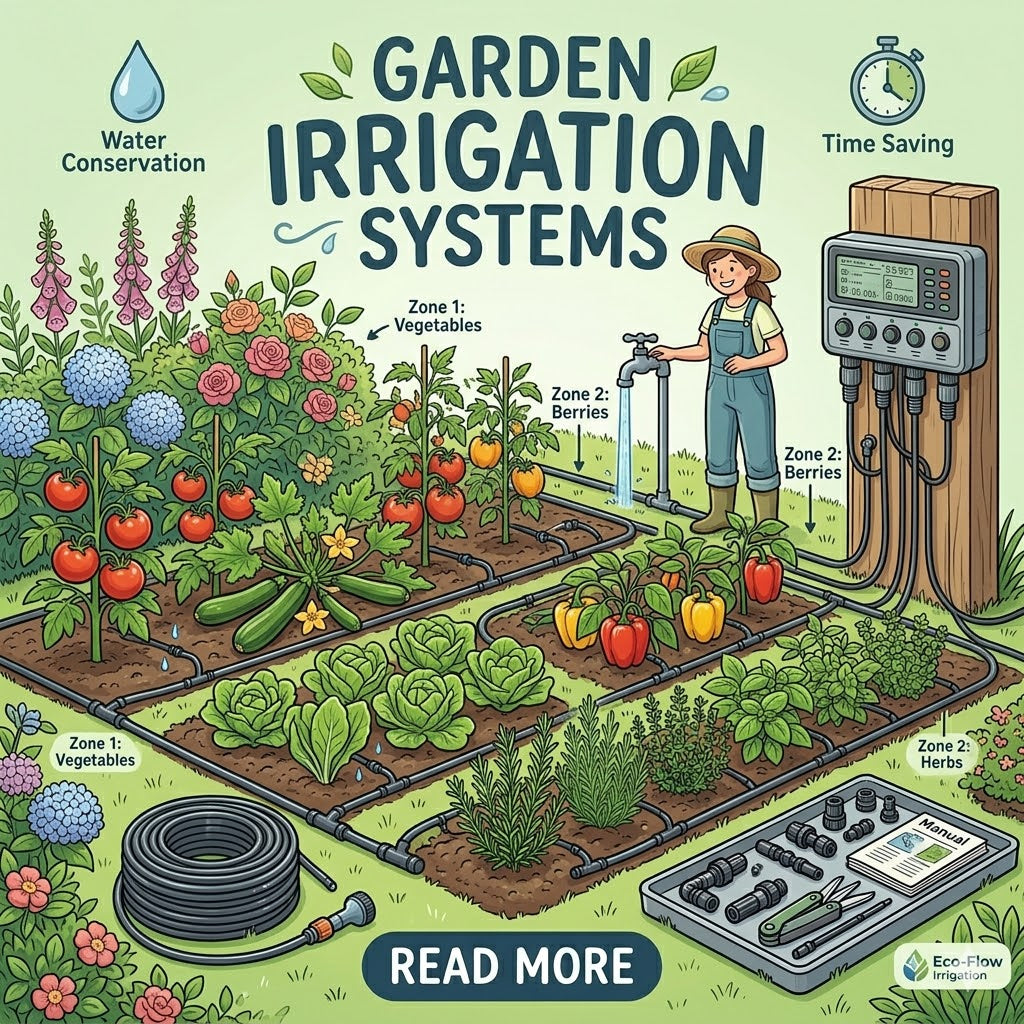
Drip irrigation can deliver water close to plants in beds and containers, making it a possible choice for targeted areas. Suitability depends on plant spacing, layout and system setup. Check that water reaches the root area and review performance as plants grow. Explore drip irrigation systems and the Claber drip irrigation range as options to compare with your plan.
When Should You Use Sprinklers or Hand Watering?
Lawns and broader planting areas may need a different approach from individual plants. Sprinklers can cover wider areas, while hand watering gives you direct control over individual pots or plants. With either method, observe where the water lands. Wind can carry spray away from the target, and poorly directed watering may wet paths or other unwanted areas. Adjust timing and coverage to conditions instead of assuming one setting suits every day.
| Method | Best suited to | What to monitor |
|---|---|---|
| Drip irrigation | Targeted watering in beds and containers | Whether water reaches the intended plants |
| Hand watering | Individual plants and small areas | Consistency and time needed to water each area |
| Sprinklers | Lawns and broader areas | Wind, overspray and coverage across the target |
Match the method to each zone, then review how well it delivers water before expanding the setup. For broader context on options, read this garden watering systems guide.
How to Lay Out, Schedule and Adjust Irrigation by Season
A good layout makes it easier to water each area according to its needs and available supply. Start with your garden zones, then choose delivery methods, route the lines and test where the water goes. Treat the first schedule as a starting point, not a fixed timetable: rainfall, soil conditions and plant growth all affect when watering is needed.
How Should You Organise Irrigation Zones?
Keep areas with different watering needs separate. A lawn, established border, containers and newly planted bed may need different delivery methods or schedules. Within each area, group compatible plants and note differences in sun exposure or soil that may affect how quickly it dries.
Once you’ve marked the zones, sketch the routes from the water source to each area. Choose a suitable delivery method for each zone and keep the layout accessible for checking and adjustment. Test the system before relying on it: look for missed patches, leaks, overspray and water landing on paths. For a useful layout, make sure the route reaches each planned zone without making routine checks difficult.
How Can You Monitor and Improve the Plan?
Check the soil and plants before increasing watering. Surface dryness alone may not show whether moisture is reaching the root area, so inspect the soil where practical and look for signs of plant stress. If a zone seems too dry, first check coverage and delivery, then adjust the schedule or method as needed.
Keep a simple record of rainfall, stored water, irrigation use and plant response. Review it regularly, especially after a change in weather or a long dry spell. Seasonal rainfall can replenish supplies and reduce watering needs, while warmer, drier conditions may call for closer checks. Avoid setting one schedule for the whole year.
Water-company restrictions can also affect how you water. Check your water company’s current restrictions and relevant official UK guidance before using irrigation during a restriction period. Record any change to your routine so you can account for it when reviewing the plan.
Small adjustments help keep the system aligned with actual conditions. If you’re considering automatic timing for planned watering, explore garden irrigation water timers as one possible component. A timer can help follow a schedule, but it still needs reviewing against rainfall, soil moisture, plant health and the water available.
Choosing Irrigation Products to Support a Water-Neutral Garden Plan
Your water budget and zone map give you a practical basis for choosing irrigation products. Before comparing systems, note which areas need watering, how each should be watered, what controls the schedule and which water source will supply it. An automatic system can help deliver planned watering consistently, but it can’t create water or make a limited supply go further than its capacity allows.
What Should You Look for in an Automatic Watering System?
Start with the areas you’ve mapped. A bed of closely spaced plants may call for a different delivery method from a lawn or a row of containers. Match the kit type and coverage to the zones you intend to water, and consider whether a timer and suitable fittings work with your planned layout and schedule. Check how each zone can be controlled, especially if areas have different needs.
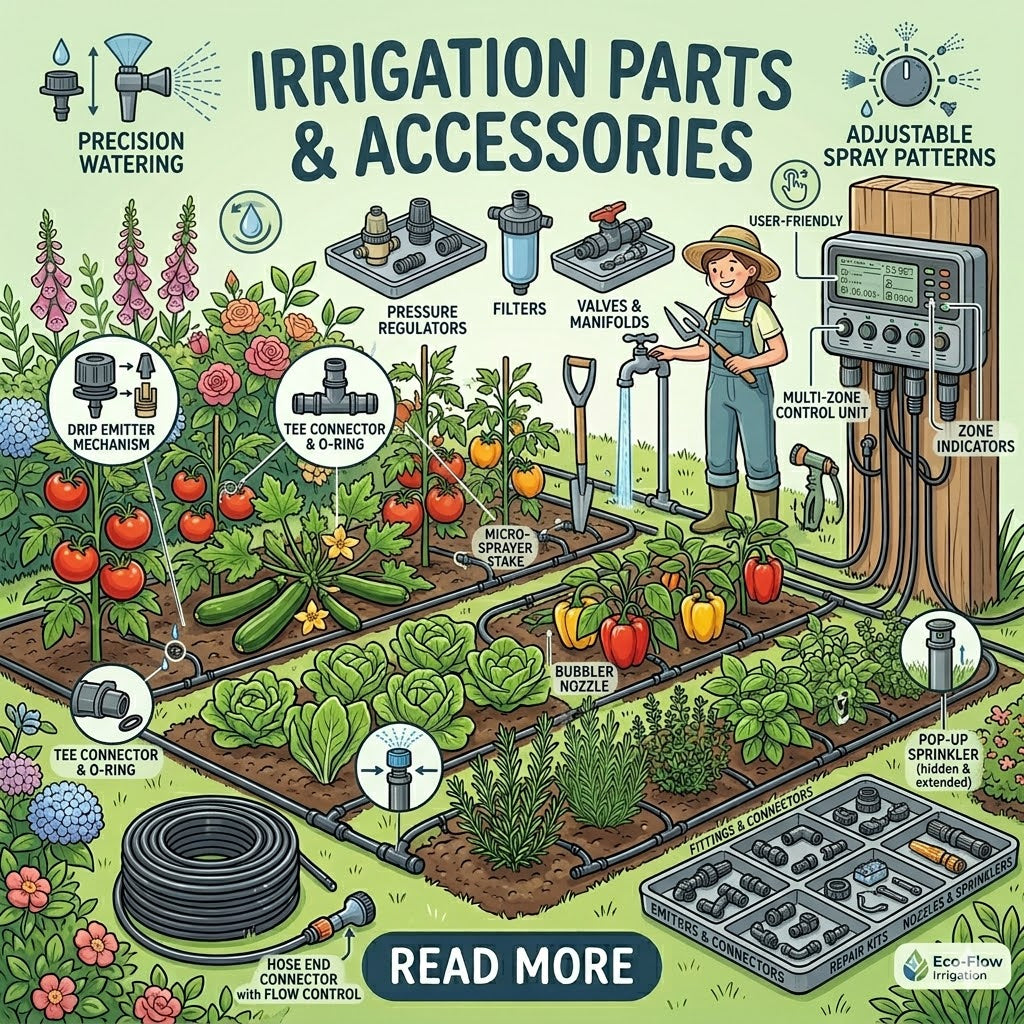
Drip irrigation, pop-up sprinklers, watering kits and automatic watering systems are options to assess against your plan. None is, on its own, a water-neutral solution: the result still depends on the water supply, plant demand and how the system is monitored. To compare options, explore Hozelock watering systems.
What Are the Next Steps Before You Start?
Before choosing components, bring your notes together. Confirm the boundary of the area you’re planning for, the zones to be watered, the intended water source for each zone and the schedule you want the system to follow. Review the components as a complete layout, including how fittings and controls need to connect, rather than selecting a kit based on one feature alone.
- Check the match: Does the delivery method suit the plants and area?
- Check the layout: Can the system reach each planned zone?
- Check the supply: Does your available water support the intended schedule, including any mains-water top-up?
- Plan to review: Leave room to adjust watering as weather and plant needs change.
Careful product selection supports the plan, but ongoing observation completes it. Use your water budget and zone map to guide the decision, and draw on specialist product advice when comparing system components. With over 15 years of experience advising on garden watering systems, Garden Watering can help you consider the available options. Explore Hozelock watering kits and identify options suited to your planned zones and supply.
Turn Your Water Budget into a Practical Garden Plan
A realistic water-neutrality goal begins with a clear boundary and a record of what your garden needs and what water is available. Match irrigation to individual zones, then adjust as rainfall, soil conditions and plant health change. A suitable watering method can help deliver water where it’s needed, but it can’t replace a limited supply.
With more than 15 years of experience advising on garden watering systems, Garden Watering offers options including drip irrigation, watering kits and pop-up lawn sprinklers. Use your water budget and layout to guide your choice, rather than expecting one product to achieve water neutrality on its own.
Ready to take the next step? Explore Garden Watering’s systems and choose a setup that fits your plan. Start with your garden’s needs, track how the plan performs and adjust it as conditions change.
Frequently Asked Questions
What does a water-neutral garden mean?
A water-neutral garden plan aims to match irrigation use with water collected or reused within a clearly defined area and period, while recording any mains-water top-up. For example, you might track water used for specified beds and containers over a growing season. It’s a practical accounting approach, not a universal garden certification. The goal is to reduce reliance on mains water while keeping plants healthy.
Can a garden be completely water-neutral in the UK?
It may be possible to meet a water-neutral target within a chosen boundary and monitoring period, but a garden can’t be assumed to avoid mains water in every season. Rainfall varies, storage is limited and plant needs change. Set a realistic goal, record any mains-water use and adjust your plan as conditions shift. Protecting plant health and using water responsibly should remain priorities, not sacrifices made to reach a target.
How do I calculate how much water my garden needs?
Map the garden into zones, then estimate or measure watering use separately for lawns, established beds, new planting and containers. Note plant types, sun exposure, soil and current watering methods, since these affect how quickly areas dry. Keep records over time and compare them with rainfall and available stored water. This gives you a working budget for designing a water-neutral garden irrigation plan, which you can refine as you gather better measurements.
Is rainwater enough to irrigate a garden all year?
Not necessarily. Rainwater supply depends on local rainfall, how much you can collect and the capacity of your storage. A wet period may refill storage, but a dry spell can arrive when plants still need water. Track rainfall and stored levels alongside irrigation use to see where supply may fall short. Plan for a measured mains-water top-up if needed, rather than assuming stored rainwater will cover every area throughout the year.
Is drip irrigation more water-efficient than a sprinkler?
Drip irrigation can target water to plants in beds or containers, while sprinklers can cover lawns and broader areas. Targeted delivery may reduce water landing on paths or unplanted spaces, but results depend on layout, setup and conditions. Wind can affect sprinkler coverage, and drip lines still need checking to make sure plants receive water. Choose the method that suits each zone rather than assuming one is always more efficient.
Can I use greywater to irrigate my garden?
Greywater may be suitable for some garden uses, but don’t assume all household wastewater is safe for plants, soil or irrigation equipment. Its suitability depends on what it contains, how it’s handled and where it will be used. Check relevant UK guidance before adding greywater to your water budget or irrigation setup. Treat it as a separate source from collected rainwater, and continue monitoring soil and plant condition.
Do water-company restrictions affect garden irrigation plans?
Yes. A water-company restriction may limit some garden watering, particularly use of a hosepipe connected to the mains supply. The rules and any permitted alternatives can depend on the restriction and the water company. Check current guidance from your supplier before watering during a restriction, and include possible limits in your plan. Keep a record of changes so your schedule reflects both available water and the rules in force.
`-
Posted in
designing a water-neutral garden irrigation plan, drip irrigation, garden irrigation, garden planning, rainwater harvesting, sustainable gardening, UK gardening, water conservation, water neutrality