Comprehensive Guide to Garden Watering
Drip Irrigation, Smart Solutions, and Seasonal Care
Effective garden watering is crucial for maintaining healthy plants and optimizing growth. This comprehensive guide explores various garden watering techniques, focusing on drip irrigation systems, smart solutions, and seasonal care strategies. Readers will learn about the benefits of efficient watering methods, how to implement them, and the latest trends in garden irrigation. Many gardeners struggle with overwatering or underwatering, which can lead to plant stress and reduced yields. By understanding the principles of effective garden watering, you can ensure your plants thrive throughout the year. This article will cover the benefits of drip irrigation, smart watering solutions, effective watering schedules, and the latest trends in garden watering for 2026 and beyond.
What Are the Benefits of Drip Irrigation Systems for Efficient Garden Watering?
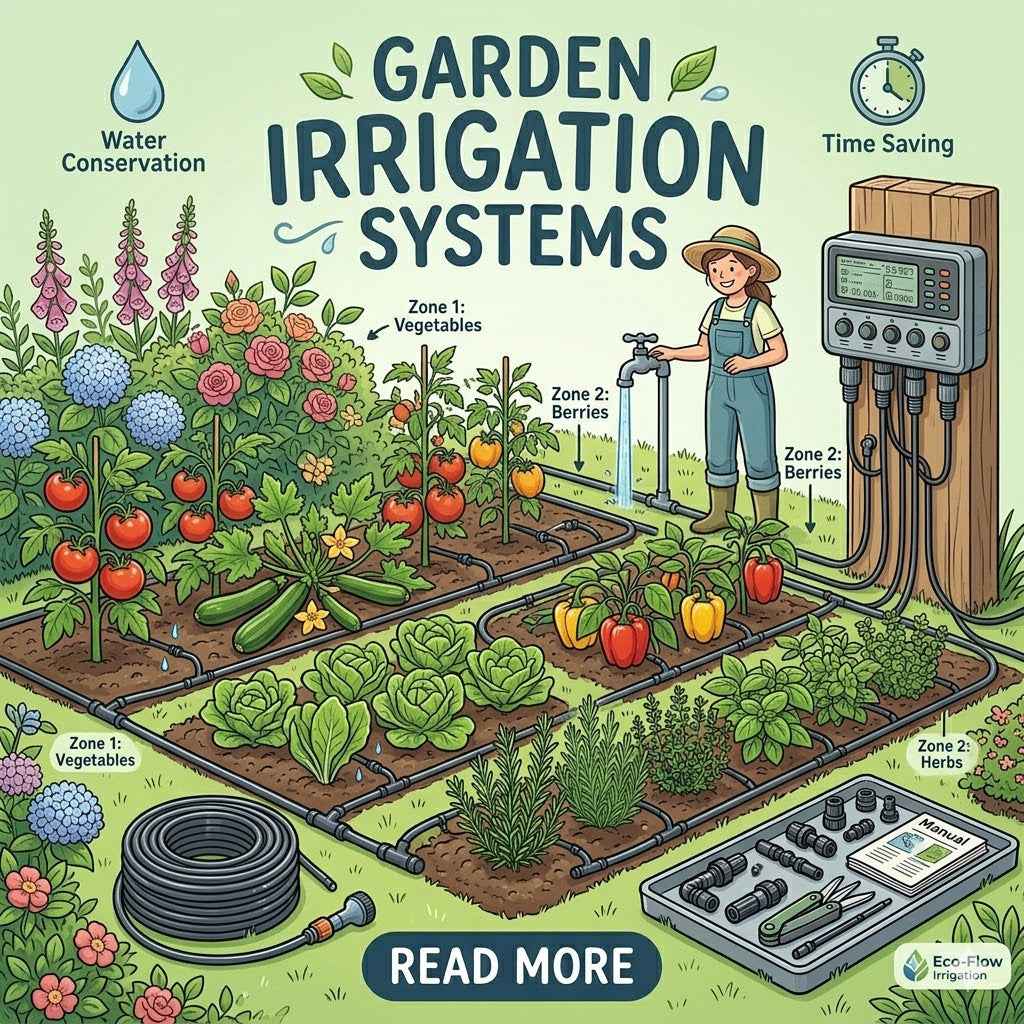
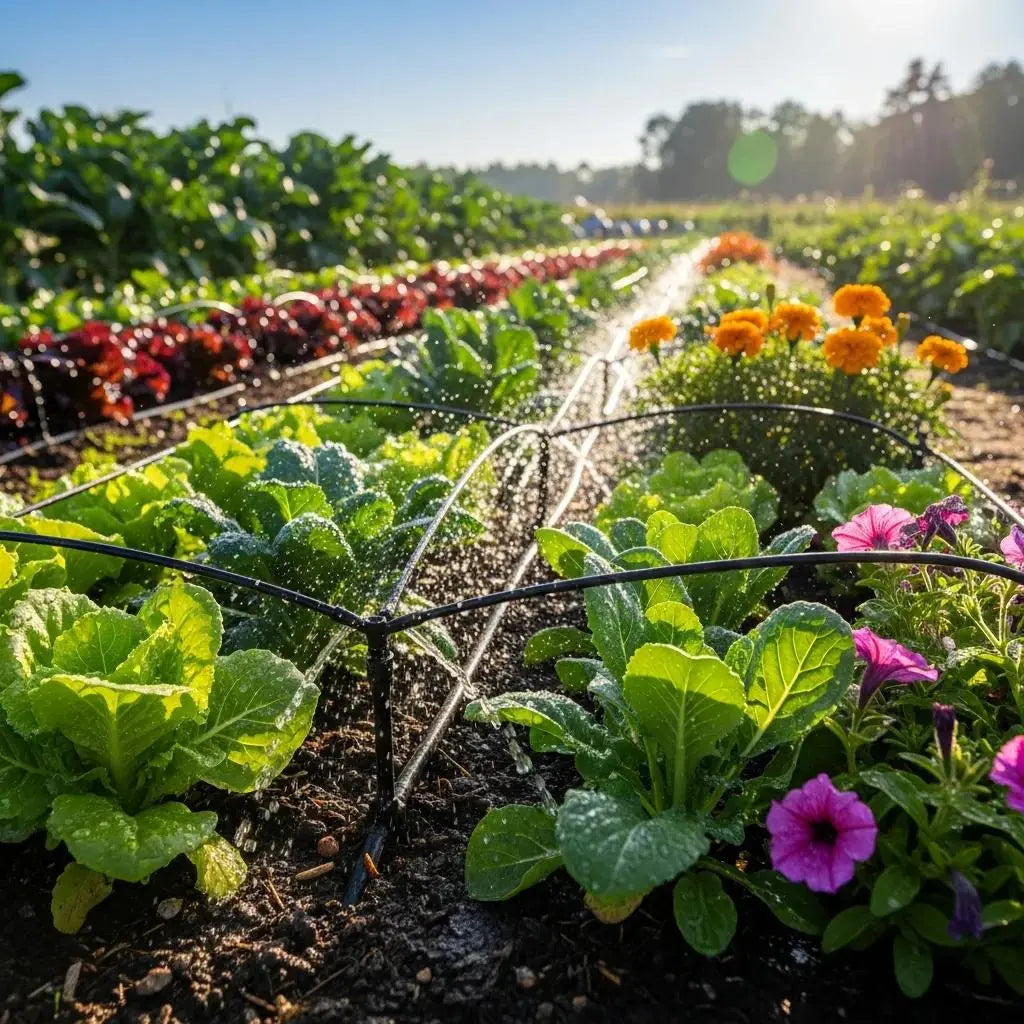
Drip irrigation systems offer numerous advantages for efficient garden watering, primarily by delivering water directly to the plant roots. This targeted approach minimizes water waste and promotes healthier plant growth. By using drip irrigation, gardeners can conserve water, reduce weed growth, and improve overall plant health. The system's design allows for precise control over water delivery, ensuring that plants receive the right amount of moisture without the risk of overwatering.
How Does Drip Irrigation Conserve Water and Improve Plant Health?
Drip irrigation conserves water by delivering it directly to the root zone of plants through a network of tubes and emitters. This method reduces evaporation and runoff, making it significantly more efficient than traditional watering methods. Studies show that drip irrigation can reduce water usage by up to 30-50% compared to conventional sprinklers. Additionally, by providing consistent moisture levels, drip irrigation enhances root health and promotes stronger, more resilient plants.
What Components Make Up a Drip Irrigation System?
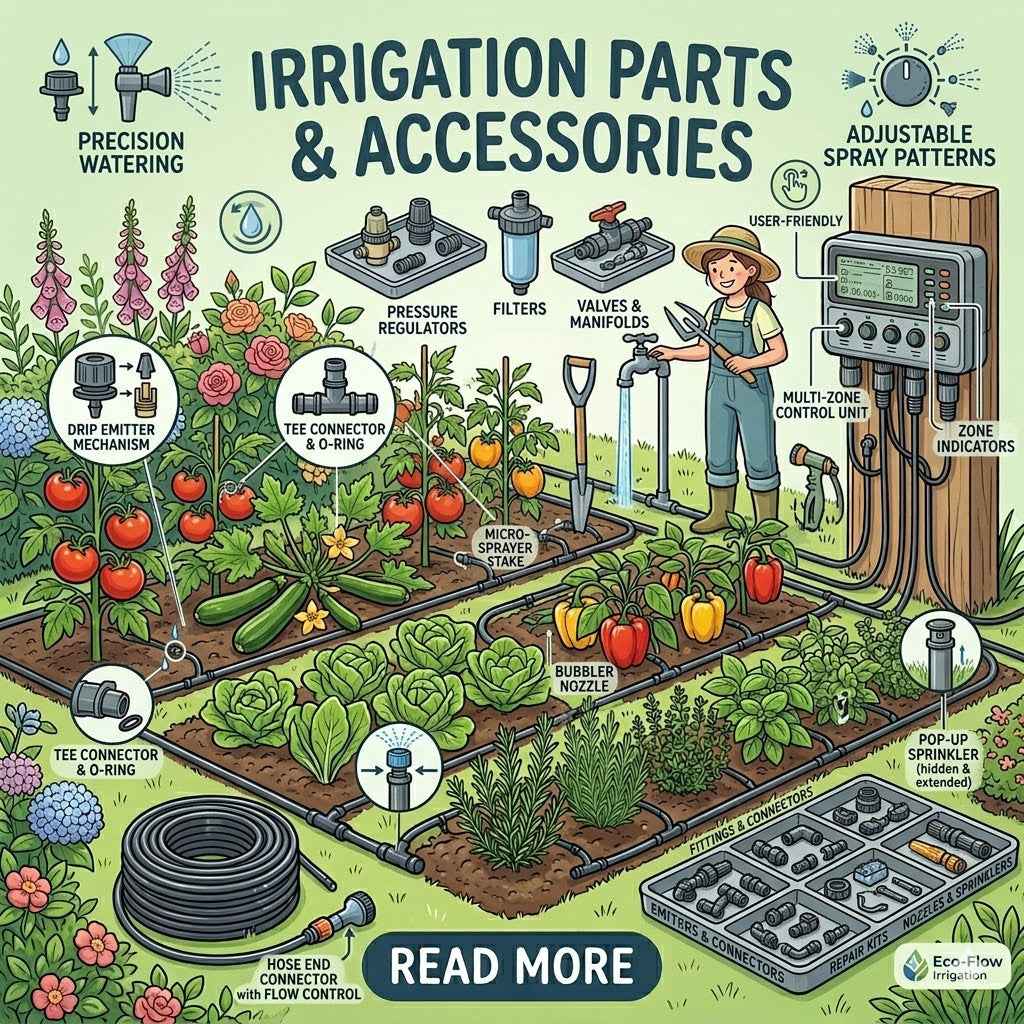
A typical drip irrigation system consists of several essential components, including:
- Emitters: These devices release water slowly and evenly to the plants.
- Hoses: Tubing that transports water from the source to the emitters.
- Timers: Automated devices that control when and how long the system operates.
Understanding these components is crucial for setting up an effective drip irrigation system that meets the specific needs of your garden.
How Can Smart Garden Watering Solutions Enhance Your Irrigation?

Smart garden watering solutions leverage technology to optimize irrigation practices, making them more efficient and user-friendly. These systems can automatically adjust watering schedules based on environmental conditions, ensuring that plants receive the right amount of water at the right time. By integrating smart technology, gardeners can save time and resources while promoting healthier plant growth.
What Features Do Automatic Watering Systems Offer for Convenience?
Automatic watering systems come equipped with various features that enhance convenience, including:
- Programmable Timers: Allow users to set specific watering schedules.
- Soil Moisture Sensors: Monitor soil moisture levels and adjust watering accordingly.
- Remote Access: Many systems can be controlled via smartphone apps, providing flexibility and ease of use.
How Do Soil Moisture Sensors and Smart Controllers Optimize Water Use?
Soil moisture sensors play a critical role in optimizing water use by providing real-time data on soil moisture levels. Smart controllers use this data to adjust watering schedules, ensuring that plants receive adequate moisture without overwatering. This technology not only conserves water but also promotes healthier plant growth by preventing root rot and other moisture-related issues.
Beyond static systems, innovative applications like smart irrigation mobile robots also leverage soil moisture sensors to precisely manage water delivery and reduce overall usage.
Smart Irrigation Mobile Robot: Weather Resilience & Water Saving
Uncertainty on the condition of the weather always give a major headache to the agricultural industry as the cultivated plant that is grown on a large scale commercially rely on the condition of the weather. Therefore, to reduce the interdependency on the weather itself, a recommendation to develop a prototypic mobile robot for smart irrigation is submitted. Smart irrigation system is an essential tool from yield point of view and scarcity of the water. This smart irrigation system adopts a soil moisture sensor to measure the moisture content of the soil and automatically provide a signal to switches the water pump when the power is on. The novelty of this study is to demonstrate that the smart irrigation mobile robot can be used, not only to provide water to the crops but also, to reduce water usage.
What Are Effective Plant Watering Schedules for Seasonal Garden Care?
Establishing an effective watering schedule is essential for maintaining healthy plants throughout the seasons. Different plants have varying water needs, and these needs can change with the seasons. Understanding how to adjust your watering frequency based on seasonal conditions is key to successful garden care.
How Should Watering Frequency Adjust Across Spring, Summer, Fall, and Winter?
Watering frequency should be adjusted according to seasonal changes:
- Spring: As temperatures rise, increase watering frequency to support new growth.
- Summer: During hot months, plants may require watering every 1-2 days, especially in dry conditions.
- Fall: Gradually reduce watering as temperatures cool and plants enter dormancy.
- Winter: Most plants need minimal water during winter; monitor soil moisture to avoid overwatering.
What Are Best Practices for Watering Newly Planted vs. Established Plants?
Newly planted and established plants have different watering requirements. For newly planted specimens, it is crucial to provide consistent moisture to help establish roots. Best practices include:
- Frequent, deep watering: This encourages root development.
- Mulching: Applying mulch helps retain soil moisture and regulate temperature.
Established plants, on the other hand, may require less frequent watering but should receive deeper irrigation to encourage deep root growth. Understanding these differences is vital for successful garden maintenance.
Which Garden Irrigation Methods Are Most Efficient: Drip, Soaker Hoses, or Sprinklers?
When it comes to garden irrigation, choosing the right method can significantly impact water efficiency and plant health. Drip irrigation, soaker hoses, and sprinklers each have their advantages and disadvantages.
What Are the Pros and Cons of Drip Irrigation Compared to Other Systems?
Drip irrigation offers several benefits over other systems, including:
- Pros: Water conservation through targeted delivery. Reduced weed growth due to minimal surface watering. Improved plant health from consistent moisture levels.
- Cons: Higher initial setup costs compared to simpler systems. Maintenance requirements to prevent clogging.
In contrast, soaker hoses are easier to install but may not provide the same level of precision as drip systems. Sprinklers cover larger areas but can lead to water waste through evaporation and runoff.
How to Choose the Right Irrigation System Based on Garden Type and Needs?
Selecting the appropriate irrigation system depends on various factors, including garden size, plant types, and water availability. For small gardens with delicate plants, drip irrigation is often the best choice due to its efficiency. Larger gardens may benefit from a combination of systems, such as using sprinklers for open areas and drip irrigation for flower beds. Assessing your garden's specific needs will help you make an informed decision.
How Can Water Conservation Techniques Improve Garden Watering Efficiency?
Implementing water conservation techniques can significantly enhance the efficiency of your garden watering practices. These methods not only save water but also promote sustainable gardening practices.
What Role Does Mulching Play in Retaining Soil Moisture?
Mulching is an effective technique for retaining soil moisture and reducing evaporation. By covering the soil with organic materials such as wood chips or straw, gardeners can create a barrier that helps maintain consistent moisture levels. Additionally, mulch suppresses weed growth, further enhancing water conservation efforts.
How to Implement Rainwater Harvesting and Drought-Tolerant Planting?

Rainwater harvesting involves collecting and storing rainwater for later use in irrigation. This practice can significantly reduce reliance on municipal water sources. To implement rainwater harvesting, consider installing rain barrels or cisterns to capture runoff from roofs. Pairing this technique with drought-tolerant planting can further enhance water efficiency. Selecting native plants that require less water can create a sustainable garden that thrives even in dry conditions.
What Are the Latest Trends and Technologies in Garden Watering for 2026 and Beyond?
As technology continues to evolve, new trends in garden watering are emerging, offering innovative solutions for gardeners. Staying informed about these advancements can help you optimize your watering practices.
How Is IoT and AI Integration Transforming Smart Irrigation Systems?
The integration of Internet of Things (IoT) and artificial intelligence (AI) into smart irrigation systems is revolutionizing garden watering. These technologies enable real-time monitoring and data analysis, allowing for precise adjustments based on environmental conditions. For example, AI can predict watering needs based on weather forecasts, ensuring that plants receive optimal moisture without waste.
Research further highlights how the integration of AI and IoT in smart irrigation systems delivers significant water savings and improved agricultural outcomes globally.
AI & IoT Smart Irrigation: Water Saving & Yield Benefits
Artificial Intelligence (AI) and Internet of Things (IoT) integration has established a new generation of intelligent irrigation systems that deliver sustainable water management solutions to address world water scarcity problems and agricultural requirements. Physical water conservation through AI-driven irrigation systems combined with IoT sensor surveillance and drone monitoring results in 20-35% water savings at the same time as improved yield outcomes across Australian regions together with Indian and Spanish territories.
What Are the Benefits of Solar-Powered and Modular DIY Watering Systems?
Solar-powered watering systems offer an eco-friendly solution for garden irrigation. By harnessing solar energy, these systems reduce reliance on traditional power sources and lower operational costs. Additionally, modular DIY watering systems allow gardeners to customize their irrigation setups according to specific garden needs, making them a versatile option for various gardening styles.
Studies confirm that optimizing solar-powered drip irrigation systems with soil moisture sensors can lead to substantial reductions in both water and energy consumption.
Solar Drip Irrigation Optimization: Water & Energy Savings`
The efficiency and installation costs of solar-powered drip irrigation systems depend on not only the efficiencies of the electrical motor, its driver, and the pump, but also the efficient usage of irrigation water. In this study, the initial installation costs and energy consumption of photovoltaic irrigation systems were decreased by obtaining the soil moisture level as a reference for optimizing energy and water consumption in a solar-powered drip irrigation system. The obtained experimental results indicated that the moisture rate at the end of the period of irrigation using the system developed was more homogeneous than that of traditional irrigation systems for each micro-region using only five soil moisture sensors in a non-homogeneous area. Thus, daily energy and water consumption were decreased by 32 %, while the moisture rate in the soil was maintained within the desired range.