Drip Irrigation Tips and Tricks: A Step-by-Step Installation Guide
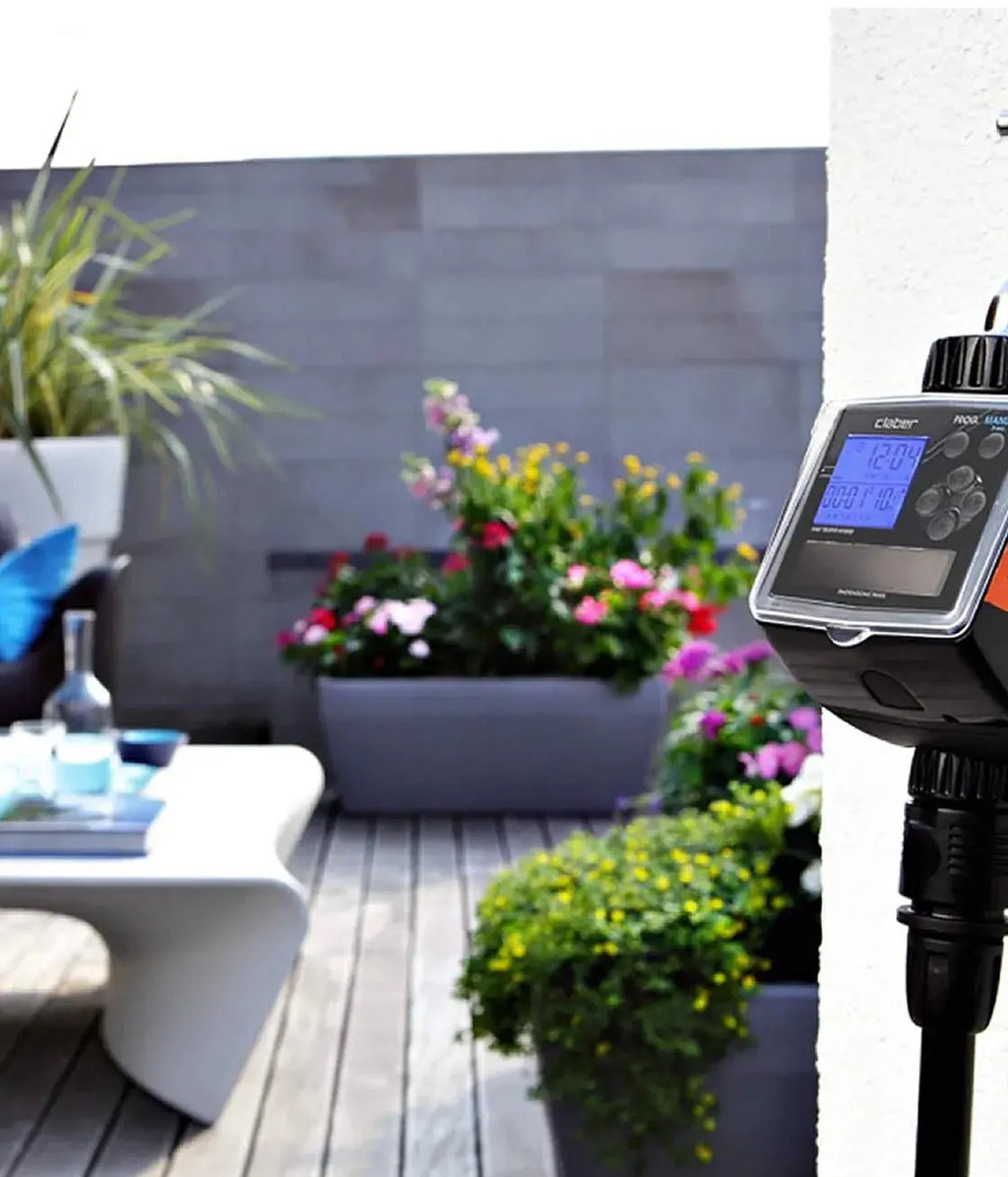
Looking for fool proof drip irrigation tips and tricks to keep your plants happy and your garden thriving? Installing a drip irrigation system might sound intimidating, but with a clear step-by-step guide, anyone can set up an efficient watering system that saves water and time. In this article, we’ll walk you through everything from gathering your tools to programming your system for automated watering. Whether you’re a newbie or have tried before without luck, you’ll find practical advice and insider hacks to get your drip irrigation up and running like a pro.
Essential Drip Irrigation Tips and Tricks to Know Before You Start
Understanding Why Drip Irrigation Works
Drip irrigation delivers water right to your plants’ roots slowly and efficiently, reducing evaporation and water waste. This targeted watering not only conserves resources but also promotes stronger root growth and healthier plants. Grasping the basics will help you tailor your system perfectly for your garden's needs.
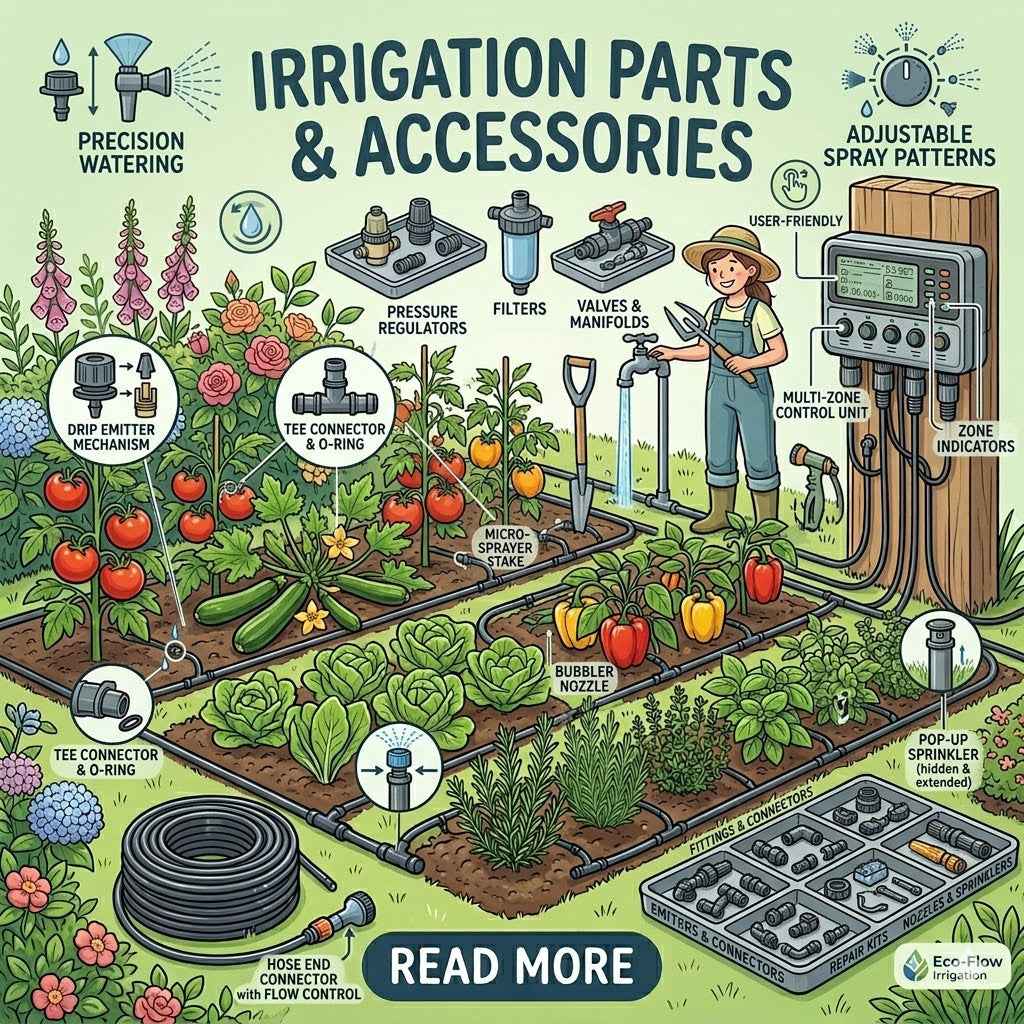
Choosing the Right Drip Components
Your system's success depends largely on the parts you select. From tubing sizes to drippers and connectors, each piece plays a role.
- Main Supply Tubing: Usually 13mm or 19mm diameter pipes that carry water from the source.
- Micro Tubing: Narrow 4mm tubes that deliver water directly from the main line to each plant.
- Drippers and Emitters: Choose between adjustable flow drippers for customized watering or fixed pressure compensating drippers for consistent flow.
- Connectors: Tees, elbows, and end caps help route your system neatly and securely.
- Filters and Pressure Regulators: Essential to keep your emitters clog-free and maintain steady water pressure.
Investing in quality components and matching them to your garden's scale will save headaches down the line.
Planning Your Drip Irrigation Installation Step-by-Step
Step 1: Map Out Your Garden
Begin by sketching your garden layout, marking out plants, obstacles, and water sources. Measuring distances precisely ensures you buy the right tubing lengths and avoid unnecessary waste.
Step 2: Calculate Water Needs and Flow
Different plants have unique watering requirements. Group those with similar needs together and calculate total flow required. Check your water source’s flow rate (liters per hour) to ensure it can supply your system adequately without pressure loss.
Gathering Materials and Tools for Installation
Tools You'll Need
- Sharp utility knife or pipe cutters
- Drip irrigation hole punch tool
- Measuring tape
- Pipe stakes and wall clips
- Optional: Thermos with hot water to soften tubing ends
Shopping List Essentials
- Main supply pipe (13mm)
- Micro tubing (4mm)
- Drippers (adjustable or fixed flow)
- Connectors (tees, elbows, end caps)
- Pressure regulator and filter
- Automatic water timer (for easy automation)
Step-by-Step Drip Irrigation Installation Process
Connect Your System to the Water Source
Start by attaching your water timer to the garden tap. If your water pressure is above 3 BAR, first install a pressure reducer, then connect your filter to prevent clogging. Next, affix the main irrigation supply pipe to the timer’s outlet using an appropriate nut and tail adaptor.
Create Your Pipe Network
Roll out the main pipe and warm it in the sun to make it more flexible for installation. Cut the pipe to length and use elbows, tees, and connectors to route the pipe neatly around your garden, avoiding kinks or tight bends. Secure the tubing with stakes or wall clips every 50–100cm for stability.
Connecting the Drippers
Use the hole punch to create holes in the main pipe where your micro tubing will branch off. Insert micro tube adapters and run the 4mm micro tubing to your plants. Attach your drippers to the end of these tubes, positioning them close to the plant roots. Use adjustable drippers if watering groupings of plants or fixed flow for individual plants requiring precise amounts of water.
Flush and Test Your System
Before sealing the pipe ends, run water through the system to flush out any debris caught during installation. Check every dripper for proper output and look for leaks or weak water flow. Adjust connections as necessary for even coverage.
Best Time to Water: Maximizing Efficiency
Drip irrigation systems work best when watering early in the morning after sunrise or in the late afternoon a few hours before sunset. This timing minimizes water loss from evaporation and gives plants ample time to absorb moisture before the temperature rises or falls, reducing stress and promoting healthy growth.
How to Automate Your Drip Irrigation System
Choosing the Right Timer
A programmable water timer is essential for a truly "set-and-forget" drip irrigation system. Look for timers that allow multiple daily watering schedules and are easy to program. Some models even have smartphone apps for remote control.
Setting Up Your Timer Schedule
Start by programming shorter watering sessions two or three times a week and adjust based on soil moisture and plant response. Avoid frequent short watering, which encourages shallow roots and evaporation losses. Aim for deep watering cycles that soak the root zone thoroughly.
Tips for Maintaining Your Drip Irrigation System
- Regularly inspect emitters for clogging — disassemble and soak in vinegar if buildup occurs.
- Flush the system at least once a month by opening end caps and running water to clear debris.
- Repair pipe damage with joiners immediately to avoid leaks and water loss.
- Replace worn tubing or fittings to maintain system integrity and water pressure.
- Before winter, drain water from your system and remove sensitive components such as timers and filters to prevent freeze damage.
Wrapping Up with Drip Irrigation Tips and Tricks
Installing your own drip irrigation system might seem like a big task, but with the right drip irrigation tips and tricks, step-by-step planning, and proper maintenance, your garden will reap the rewards of efficient, deep watering that conserves water and saves you time. From understanding the components to automating your watering schedule and timing your irrigation properly, this guide covers the essentials for beginners ready to dive into drip irrigation. Ready to start? Explore our range of drip irrigation kits and parts to find everything you need to create your perfectly watered paradise.
`