Automatic Garden Watering System: 2026 UK Guide
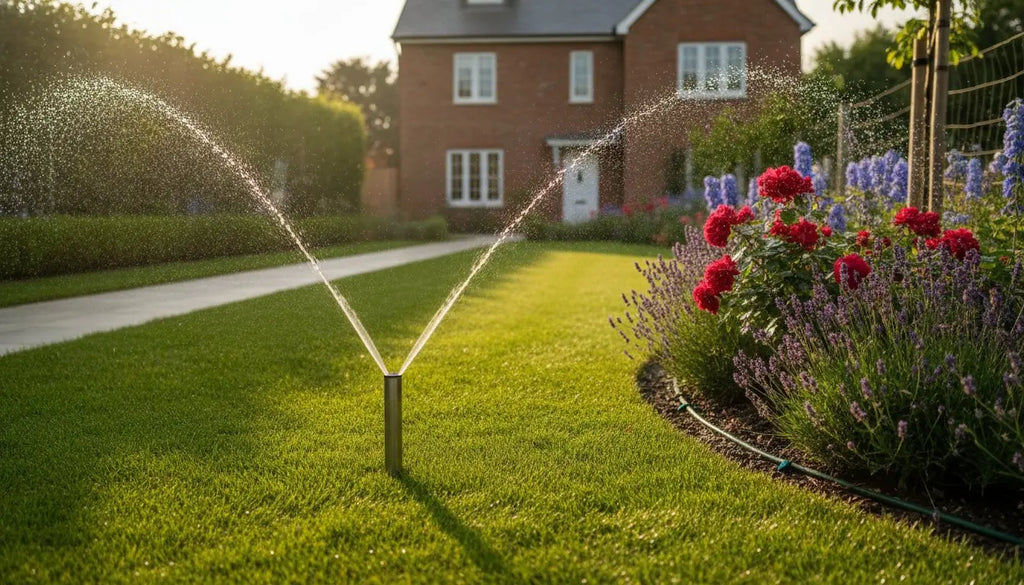
Did you know that an automatic watering system for garden use can reduce your water consumption by up to 70% compared to a traditional hosepipe? While many of us enjoy the ritual of tending to our plants, manual watering is often imprecise and leads to significant water waste. You've likely felt the frustration of returning from a summer holiday to find parched borders, or struggled to keep up with the demands of a heatwave while navigating local hosepipe bans.
We understand that the technical side of irrigation, from timers to pressure-reducing valves, can feel overwhelming. This 2026 guide is designed to replace that confusion with the quiet confidence of a specialist. You'll discover how to design and install a precision system that keeps your UK garden lush and green with zero daily effort. We will explore the latest Hozelock kits, explain essential WRAS regulations for 2026, and provide a clear roadmap to a more efficient, sustainable outdoor space that saves you both time and money.
Key Takeaways
- Learn how to conduct a simple "Bucket Test" to measure your tap's flow rate, ensuring your system has the power to reach every corner of your garden.
- Discover why an automatic watering system for garden use is often exempt from UK hosepipe bans when fitted with the correct timers and pressure-reducing valves.
- Understand the difference between drip irrigation for borders and pop-up sprinklers for lawns to choose the most efficient method for your specific layout.
- Master the concept of "Hydrozoning" to group plants by their water needs, preventing over-watering and promoting healthier, deeper root growth.
- Explore the benefits of choosing Hozelock systems, known for their modular design and standardized fittings that allow your irrigation network to grow with your landscape.
What is an Automatic Watering System and Why Does Your Garden Need One?
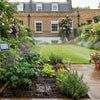
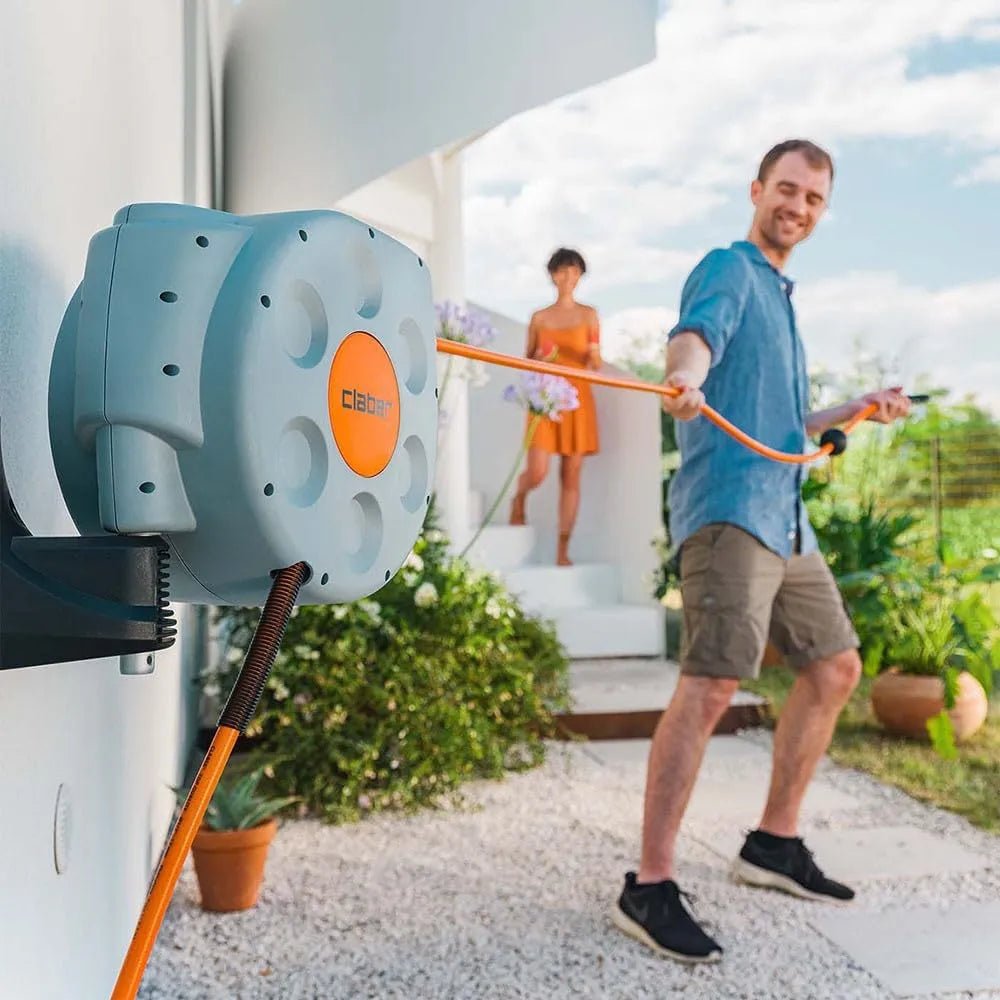
An automatic watering system for garden use is a carefully designed network of water timers, supply pipes, and emitters that work together to hydrate your plants without manual effort. Instead of standing with a hose for an hour every evening, you rely on a system that manages the flow for you. These setups range from simple drip lines for patio pots to sophisticated irrigation sprinkler systems for large lawns. The goal is always the same: delivering the precise amount of water exactly where it's needed, precisely when it's needed.
As we move through 2026, the British climate is becoming increasingly unpredictable. With hotter, drier summers now a standard expectation, water conservation is no longer a luxury; it's a necessity. Using an automatic watering system for garden beds allows you to comply with modern efficiency standards while keeping your borders lush. It's a strategic move for any gardener who wants to balance a thriving environment with environmental responsibility.
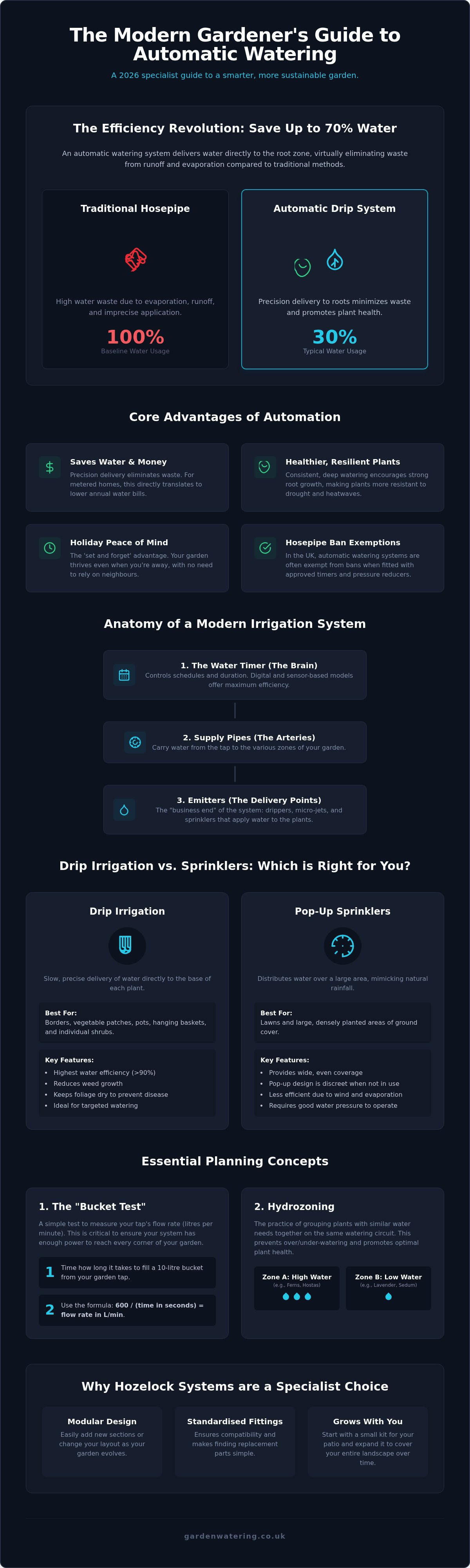
The Efficiency Factor: Saving Water and Money
Precision is the greatest enemy of waste. By delivering water directly to the root zone at a slow, steady rate, you virtually eliminate evaporation and runoff. This is a significant advantage over hand-watering, where a large percentage of water often ends up on leaves or paving rather than in the soil. For UK households on a water meter, this efficiency can lead to a reduction in annual bills. Beyond the financial aspect, the steady moisture levels prevent the soil from baking hard, which protects the vital microbiology that keeps your plants fed and growing. For readers who want to apply the same level of care to their home's internal supply, Great Water Filters offers professional-grade filtration systems that ensure high-quality water for the whole family.
Holiday Peace of Mind: The 'Set and Forget' Advantage
The anxiety of leaving a garden during a summer holiday is a common pain for many growers. You shouldn't have to rely on neighbours to keep your delicate seedlings or thirsty hanging baskets alive. Modern water timers act as the brain of your garden, managing schedules even when you are hundreds of miles away. These systems are designed to be dependable; they ensure that even during the peak of a July heatwave, your established plants receive the hydration they require to stay vibrant. It's about creating a self-sustaining sanctuary that doesn't demand your presence every single day.
The Anatomy of a Modern Garden Irrigation System
To build a reliable automatic watering system for garden success, you need to understand how individual components communicate. Think of it as a biological system where every part has a specific role. The water timer acts as the brain, the supply pipes are the arteries, and the emitters are the points of delivery. When these high-quality parts are combined correctly, you create a seamless loop that protects your plants without constant supervision. Understanding this architecture is the first step toward a professional-grade setup.
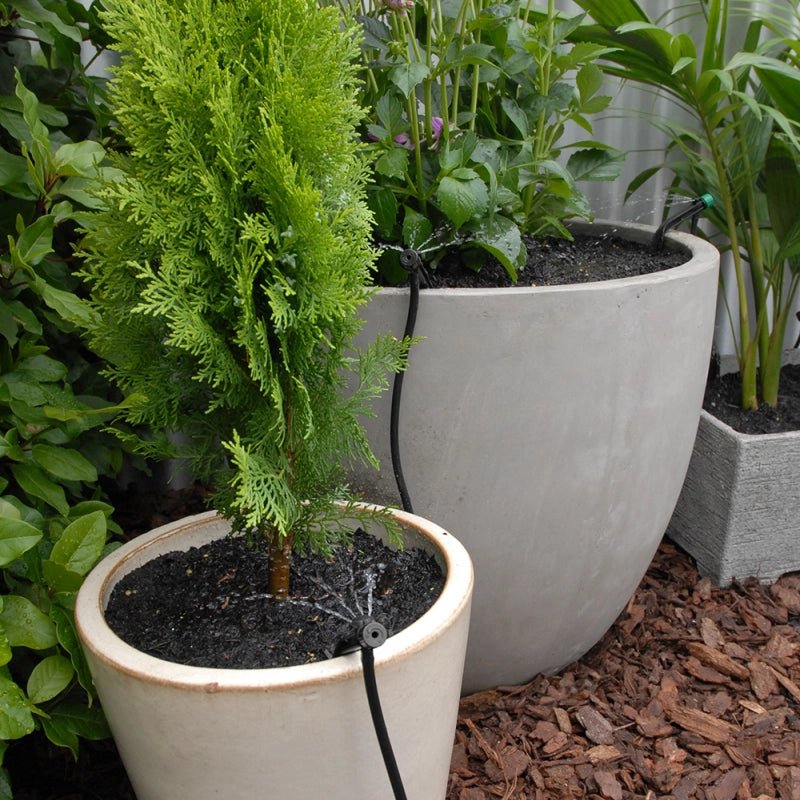
The business end of your system consists of emitters. These include drippers for targeted hydration, stakes for stability, and micro-nozzles for a fine mist. Matching the emitter to the plant type ensures that every drop is used effectively, following the best RHS advice on garden watering regarding precision and conservation. By choosing the right delivery method, you prevent the common issue of water pooling on leaves where it can cause fungal problems.
Choosing the Right Water Timer
Your choice of controller determines the intelligence of your irrigation. Mechanical timers are simple devices that you twist manually; they're useful for one-off sessions but don't offer true automation. Digital timers allow you to set specific days and times, which is essential for early morning watering when evaporation is lowest. For the ultimate efficiency, sensor-based controllers detect sunlight or soil moisture to skip watering cycles when they aren't needed. You can explore our range of options when choosing the best Hozelock water timer for your specific garden layout.
Pipes and Connectors: Building a Leak-Free Network
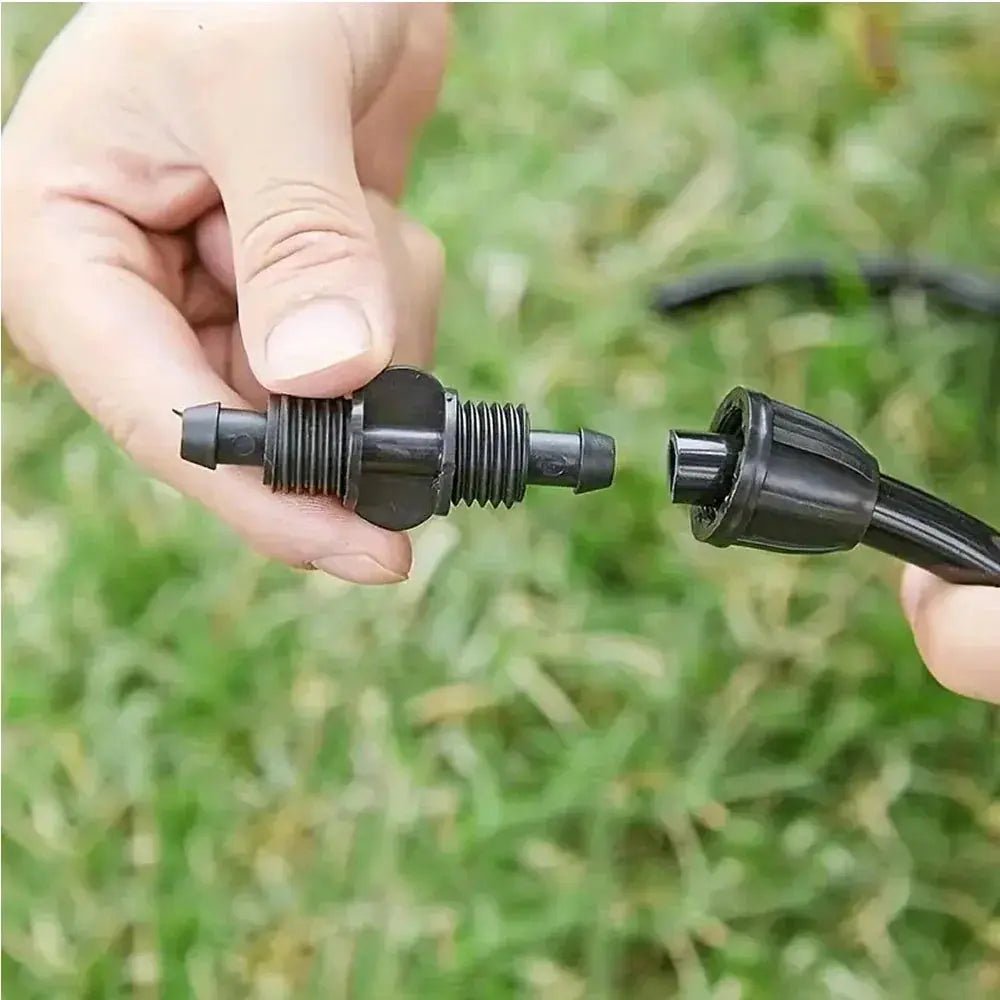
The integrity of your system depends on the quality of its connections. We always recommend using UV-stabilized 13mm supply pipes for the main runs across your garden. These won't degrade or crack under the intense summer sun. From these main lines, you use 4mm micro pipes to reach individual pots or plants. A common mistake is skipping a pressure regulator. Without one, the high pressure from a UK mains tap can cause fittings to pop off. Using specialist irrigation fitting adaptors ensures a secure, watertight seal that lasts for years. Barbed fittings offer a permanent solution, while quick-connect systems allow for easier dismantling during the winter months.
If you're ready to start building your network, selecting one of our pre-configured Hozelock watering kits is an excellent way to ensure all your components are perfectly compatible from day one.
Drip Irrigation vs. Sprinklers: Which Method is Best for You?
Choosing the right delivery method is the difference between a garden that merely survives and one that truly thrives. Not all plants drink the same way. While your lawn might require a broad, uniform soak, your patio pots and flower borders benefit from a more targeted approach. Designing a versatile automatic watering system for garden layouts often involves matching the specific irrigation method to the plant's environment. Precision is key to both plant health and water conservation.
Drip irrigation is the gold standard for precision. By using small emitters, you deliver water slowly and directly to the soil. This is particularly vital in 2026, as several UK water authorities have implemented temporary use bans due to unpredictable weather patterns. Fortunately, drip systems are frequently exempt from these restrictions when controlled by a timer and pressure-reducing valve, making them a resilient choice for the modern British gardener. They're perfect for borders, hanging baskets, and vegetable patches where every drop counts.
Soaker hoses offer an "invisible" alternative for dense flower beds and established hedges. These porous pipes seep water along their entire length, ensuring that even deep-rooted shrubs receive consistent moisture without the need for visible nozzles. For those managing diverse landscapes, a hybrid system using a multi-outlet timer allows you to run a drip line for your veg patch and a sprinkler for the grass on separate schedules. This modular approach ensures your automatic watering system for garden use can grow as your landscape evolves.
The Power of Drip Irrigation
This method is remarkably efficient because it places water exactly where the roots can reach it. By keeping the surrounding soil dry, you naturally reduce weed growth and prevent water from evaporating off leaf surfaces. It's a "buy once, buy right" solution for anyone looking to maintain vibrant displays with minimal waste. If you're looking to upgrade your borders, exploring our range of Drip Irrigation Systems is a smart place to start.
When to Choose Pop-Up Lawn Sprinklers
Lawns require a different strategy. To maintain a lush, green carpet without the clutter of trailing hoses, pop-up systems are the professional choice. These heads remain flush with the ground until the water pressure activates them, rising to provide uniform coverage. Achieving head-to-head coverage is essential for avoiding dry patches and ensuring every blade of grass stays healthy. For a deeper dive into these setups, read our Lawn Sprinkler Guide 2026 to find the perfect fit for your grass.
Step-by-Step: Planning Your Automatic Garden Layout
Planning your automatic watering system for garden beds is the most critical stage of the process. If you rush into buying parts without a map, you risk uneven pressure or underwatering distant plants. We recommend a methodical approach to ensure every zone receives the exact hydration it needs. A well-designed layout prevents the frustration of "popped" fittings and ensures your system remains reliable for years.
Start by sketching your garden on paper. Identify your main water source and trace the most direct path for your 13mm supply pipe. You want to minimize the number of tight turns, as every elbow joint slightly reduces water pressure. Once your main line is mapped, you can branch off with 4mm micro pipes to reach individual containers or specific shrubs. This "artery and capillary" design, as we discussed in the anatomy section, ensures a balanced flow across the entire network. Finally, calculate the total number of emitters and connectors needed to complete the circuit without leaving any gaps.
The Importance of Hydrozoning
Hydrozoning is the practice of grouping plants with similar water requirements together. It's inefficient to water a drought-tolerant lavender hedge on the same schedule as a thirsty tomato patch. By creating distinct zones, you can use multi-zone timers to deliver different volumes of water to different areas. This precision keeps your plants healthier and prevents water waste. For inspiration on how to divide your space effectively, explore our Design Ideas and Plans.
Calculating Your Flow Rate
Before you finalize your component list, you must perform the "Bucket Test." Place a 10-litre bucket under your outside tap and time how long it takes to fill. If it takes 60 seconds, your flow rate is 10 litres per minute. You cannot exceed this capacity. If your planned emitters require more water than your tap provides, you'll need to split the system into separate zones that run at different times. This is where a multi-outlet timer becomes essential.
The diameter of your hose also impacts the final output. A long, narrow pipe will lose more pressure than a shorter, wider one. If you find your pressure is low at the end of a run, consider using pressure-compensated drippers. These clever components ensure each plant gets the same amount of water regardless of its distance from the tap. To ensure you have all the necessary parts for a successful setup, browse our comprehensive range of Hozelock Automatic Watering Systems.
Why Hozelock and Garden Watering are the UK Specialist Choice
Hozelock has established itself as the premier innovator for British irrigation, providing reliable solutions that handle our unique weather patterns. When you choose an automatic watering system for garden use, compatibility is your greatest asset. Unlike generic components found in big-box retailers, Hozelock parts use standardized fittings. This modularity means your system can grow alongside your garden. You might start with a small patio setup this year and expand to a full border network next season without needing to replace your original investment.
At Garden Watering, we bring over 15 years of specialist experience to every customer interaction. We aren't just a retailer; we're a dedicated partner in your garden's success. We've seen every common pitfall, from incorrect flow rates to mismatched emitters, and our goal is to help you avoid them. Purchasing specialized kits offers significantly better value than buying individual pieces. These kits are curated by experts to ensure every connector, pipe, and dripper works in perfect harmony from the moment you turn on the tap.
Hozelock Watering Kits: The Perfect Starting Point
Starting your irrigation journey doesn't have to be complicated. Our range of Hozelock Watering Kits provides everything you need for specific areas like patio pots or flower borders. These kits are designed with the UK climate in mind, focusing on durability and water efficiency. They take the guesswork out of the selection process, providing a clear path to a thriving garden. By using a pre-configured kit, you ensure that your automatic watering system for garden borders has the correct pressure regulation and emitter spacing right out of the box.
Expert Advice and Support
We believe in a "buy once, buy right" philosophy. Investing in high-quality, UV-stable components prevents the frustration of brittle pipes and leaking joints after just one summer. Our 15 years of irrigation expertise allows us to offer tailored support that generalist suppliers simply cannot match. Whether you're troubleshooting a complex layout or choosing your first timer, we provide the quiet confidence that comes from deep product knowledge. For a comprehensive look at the full range of possibilities, see our Hozelock Automatic Watering System: The Ultimate 2026 UK Guide.
Start Your Journey to a Thriving, Effortless Garden
Designing a reliable automatic watering system for garden use is the smartest investment you can make for your outdoor space. By applying the principles of hydrozoning and selecting the correct emitters for your plants, you create a sustainable environment that survives even the most unpredictable UK heatwaves. You've learned how to measure your flow rate and why modular Hozelock components offer the best long-term value for a growing landscape.
We're dedicated to your success as a UK specialist retailer with over 15 years of expert experience. Our team is ready to help you troubleshoot your layout and select the high-quality, UV-stable parts your garden deserves. With next day delivery available, your transition to a precision-watered garden can begin immediately. Shop the Full Range of Hozelock Automatic Watering Systems today and enjoy a lush, green sanctuary with zero daily effort. It's time to let your garden look after itself.
Frequently Asked Questions
Can I install an automatic watering system myself or do I need a plumber?
You can certainly install an automatic watering system for garden use yourself without hiring a professional plumber. These systems use simple push-fit or barbed connectors that require no specialist tools or soldering. As long as your outside tap is fitted with a double check valve to meet WRAS standards, you're ready to begin. The process involves laying out your pipes and clicking the components together, making it a perfect weekend DIY project.
Are automatic watering systems allowed during a UK hosepipe ban?
Drip and trickle irrigation systems are frequently exempt from UK hosepipe bans provided they meet specific criteria. As of August 2026, several water authorities allow these systems if they're fitted with a timer and a pressure-reducing valve to deliver water directly to the soil. It's always best to check your local provider's current restrictions, but a well-configured automated setup is generally the most resilient way to keep plants alive during a dry spell.
How much water does an automatic drip system actually save?
An automatic drip system can reduce your outdoor water usage by up to 70% compared to traditional hosepipes. By delivering water directly to the plant roots at a slow rate, you eliminate the runoff and evaporation common with manual hosing. Research shows that a well-designed automatic watering system for garden beds can save a typical UK household between £50 and £150 annually on water bills while maintaining superior plant health.
What happens to the watering system in the winter? Do I need to take it down?
You don't need to dig up your pipes, but you must bring your water timer indoors during the winter months. To prevent frost damage, drain the system by opening the end caps and letting any trapped water run out. Freezing water expands and can crack plastic components or ruin the internal valves of a digital controller. Simply reconnect everything in the spring after the last frost has passed for a reliable start to the season.
How many drippers can I run off a single outside tap?
The number of drippers you can run depends entirely on your tap's flow rate, which you can determine using the bucket test mentioned earlier. A standard UK tap can typically support between 30 and 50 low-flow drippers on a single line. If your garden requires more, you should split the system into multiple zones using a multi-outlet timer. This ensures every plant receives consistent pressure regardless of its position in the network.
Do I need a water pump if I have low mains water pressure?
A water pump isn't usually necessary for drip irrigation, even with relatively low mains pressure. Drip emitters operate efficiently at lower pressures than traditional sprinklers. If your pressure is very low, the most effective solution is to divide your garden into smaller zones that run at different times. This concentrates the available pressure where it's needed most without the expense and complexity of installing an external pump system.
Can I use an automatic watering system with a water butt?
You can use these systems with a water butt, but you'll need a specific low-pressure timer designed for gravity-fed setups. Standard timers often require a minimum pressure to open their internal valves. Alternatively, you can install a small submersible pump inside the water butt to provide the necessary pressure for a standard irrigation network. This is an excellent way to combine the benefits of automation with sustainable rainwater harvesting.
How do I prevent my watering system from leaking at the connectors?
Preventing leaks starts with using a pressure regulator at the tap to stop fittings from being forced apart. High mains pressure is the most common cause of popped connectors in a domestic system. Ensure you're using high-quality, UV-stabilized fittings and that every pipe is pushed firmly onto the barb or into the connector. Using a hair dryer to slightly soften the pipe ends before fitting can create a much tighter, more permanent seal.
`-
Posted in
Automatic Watering, automatic watering system for garden, Drip Irrigation, Garden Tech, Gardening, Hosepipe Ban, Hozelock, Irrigation System, UK Gardening, Water Conservation