Automatic Watering System for Planters UK: How to Choose the Right Setup
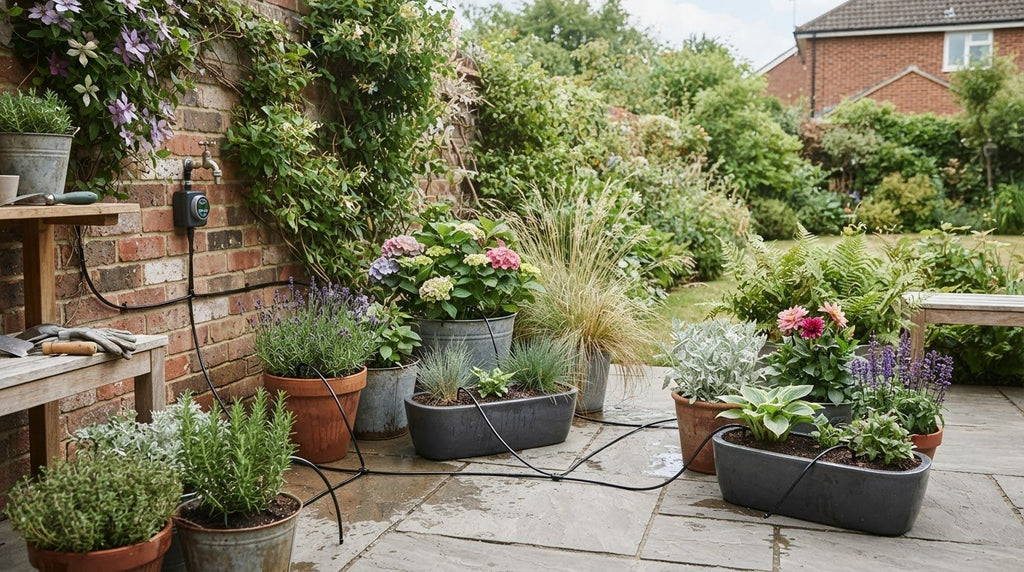
The best automatic watering system for planters UK gardens need is not necessarily the biggest kit. It is the one that suits each container’s position and water supply. A row of pots on a sheltered patio has different needs from planters exposed to sun and wind. If the layout does not account for those differences, some plants may dry out while others receive too much water.
If you’re tired of watering every pot by hand, an automatic system can make container care more manageable. Start by matching the setup to your planter count, container positions and water source. Then check and adjust it as British weather changes. This guide explains how to make those choices.
We’ll cover how drip irrigation and watering kits suit different planter arrangements, how to plan a practical tubing route, and how to adjust watering through warmer, wetter and windier spells. Garden Watering has over 15 years’ experience advising on irrigation choices, including Hozelock automatic watering systems.
Key Takeaways
- Choose an automatic watering system for planters UK setups by considering how your containers are grouped, how exposed they are, and how much control you want.
- Understand how water moves from its source through controls and tubing, and when targeted drip delivery is more suitable than broad spraying.
- Map your planters, group them by watering needs, and plan tubing routes before settling on a layout.
- Test water delivery at each container, then check the compost and adjust the schedule as conditions change.
- Explore Hozelock automatic watering systems, drip irrigation and garden watering kits with selection advice informed by over 15 years of irrigation experience.
Why an automatic watering system for planters helps with uneven drying
An automatic planter watering system delivers water to containers on a schedule, usually through tubing and outlets positioned by the plants. It reduces the need to water every pot by hand, but the schedule still needs to suit each planter’s position and how quickly its compost dries. A small pot on a sunny, exposed balcony is unlikely to need the same watering pattern as a large trough in a sheltered garden.
Container size and material affect how quickly compost loses moisture. Small pots hold less compost, so their moisture can be used up sooner. Larger containers usually hold more growing medium, while porous materials can lose moisture through their sides. Sun warms compost and encourages drying, and wind can increase moisture loss, particularly on balconies or beside exposed walls.
Plant type, maturity, compost and drainage matter too. A leafy, established plant may draw more water than a small new planting, and different growing media hold and release moisture at different rates. Drainage holes allow excess water to escape, but the balance between drainage and moisture retention affects how often you’ll need to inspect each container. Planter watering needs vary with the container, its position and the weather, so a reliable setup should be adjustable rather than based on one fixed routine.
Targeted delivery directs water to the compost instead of spraying a wider area. Drip irrigation uses this approach, delivering water gradually near plants. For a collection of pots, plan the layout around their different positions and needs, not just the number of containers that can be connected. Garden Watering’s Hozelock watering systems are one option to explore for scheduled container watering.
Why pots, troughs, and hanging baskets dry at different rates
A small pot can dry sooner than a large trough because it contains less compost to hold moisture. But size is only part of the picture: a large planter in full sun may dry faster than a smaller one in shade. Hanging baskets and containers on exposed balconies can be particularly affected by sun and wind. Plant maturity and growing medium also influence how quickly water is used or retained, so check containers individually rather than relying on a universal timetable.
What automation can and cannot do for container plants
Automation reduces routine hand-watering by delivering water at planned times, which can be useful when several planters need attention. A schedule does not automatically detect whether compost is already moist. Check the growing medium and plants regularly, then adjust delivery as rainfall, temperature and exposure change. This is especially useful in the UK, where conditions can shift between wet spells and warmer, breezier weather. Treat automation as a practical aid, not a substitute for observing your plants.
How automatic watering systems deliver water to planters
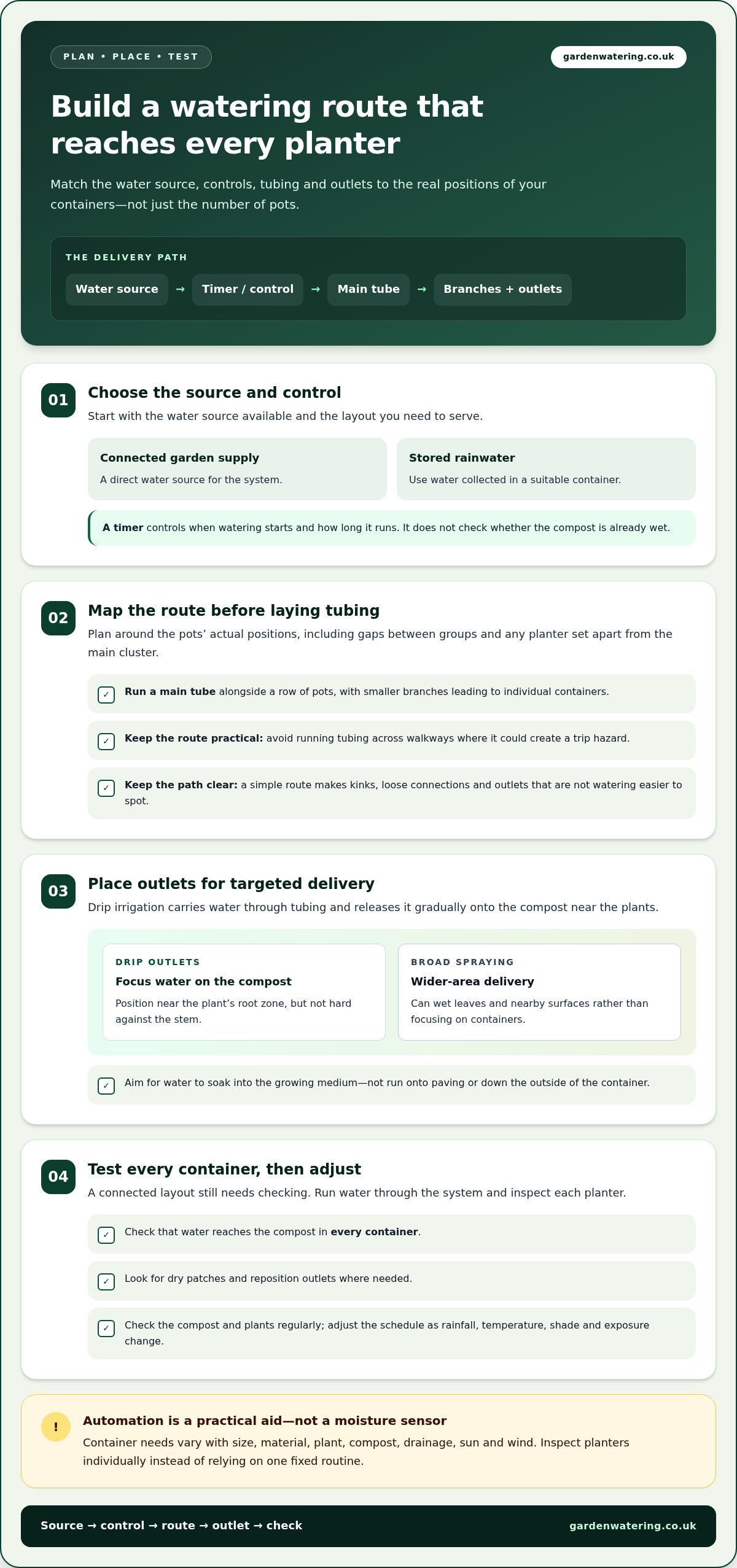
An automatic watering system carries water from a source to containers through connected parts. Water comes from a garden supply or a suitable stored-water source, passes through a control such as a timer, then travels along tubing to outlets positioned by the planters. The timer sets when water flows; the tubing and outlets direct it. For an automatic watering system for planters uk gardeners can use, matching these parts to the layout helps ensure every container receives water.
Drip irrigation is a targeted way to water: small outlets release water gradually onto the compost near plants instead of spraying a wider area. For container gardening, drip irrigation carries water through tubing to outlets placed by plant roots, directing it into the compost rather than across surrounding paving. Broad spraying can wet leaves and nearby surfaces, while well-positioned outlets focus delivery on the containers.
How drip irrigation reaches individual containers
A main tube can run alongside a row of pots, with smaller branches leading to individual containers. This can serve several planters in one layout, even when they differ in size or sit along a wall. Position each outlet near the plant’s root zone, but not hard against the stem. The number and arrangement of outlets depend on the system and the planter layout, so test that water reaches the compost in every container.
Plan the route before laying tubing. Follow the pots’ actual positions, including gaps between groups, and avoid routes across walkways that could create trip hazards. At each planter, place the outlet so water can soak into the growing medium rather than running onto paving or down the outside of the container. After a test run, look for dry patches and reposition outlets where needed.
Choosing a water source and control method
A connected garden water supply provides a direct source, while stored rainwater lets you use water collected in a suitable container. The practical choice depends on the source available and the planter layout. A timer can automate when watering starts and how long it runs, but it cannot check whether compost is already wet. Rainfall, shade and changing temperatures still call for occasional checks and schedule adjustments.
Keep the route simple: from the source to the control, then to the main tubing, branches and outlets at the containers. A clear layout makes it easier to spot a kink, loose connection or outlet that is not watering its planter. If a planter sits apart from the main group, work out how the tubing will reach it before settling on the route. Aim to distribute water to the containers without directing it onto hard surfaces.
For container layouts that benefit from targeted delivery, drip irrigation is one option. A well-planned route and well-placed outlets help make scheduled watering more consistent. Regular observation lets you respond when plants or weather conditions change.
Which automatic watering setup suits your planters?
The right choice depends on how many containers you have, where they sit and whether they share similar watering needs. A few pots close to the back door may be straightforward to water by hand, while a long row or several exposed groups can make scheduled delivery more convenient. Choose an automatic watering system for planters uk based on the layout, not the kit size alone.
Automation does not have to mean a complex arrangement. A simple approach may be enough for a small collection that is easy to water. If you often find it difficult to water evenly, a scheduled system or drip layout can reduce repetitive tasks. Use the comparison below to narrow down what suits your garden.
| Planter layout | Exposure and grouping | Approach to consider | Control to think about |
|---|---|---|---|
| A few containers | Grouped together in a sheltered spot | Hand-watering or a simple scheduled setup | Keep the arrangement straightforward and check each pot |
| A row of pots | Close together along a wall or railing | A drip layout with outlets at the containers | Consider whether the group has similar watering needs |
| Several separate groups | Different sun, wind or shelter conditions | Separate layouts or watering zones | Different groups may need different schedules |
| Hanging baskets and ground-level pots | Containers at different heights or positions | Plan tubing routes and outlet placement carefully | Check that water reaches each container without wetting nearby surfaces |
A few containers, a row of pots, or many planters?
For a few grouped containers, there may be little benefit in adding more distribution points than the layout requires. A row of pots can often be assessed as one route, while planters spread across a patio may be easier to manage as separate groups. If one group is sheltered and another catches sun and wind, they may need different schedules. Hanging baskets add a height and access consideration, so plan how water will reach them separately from ground-level pots.
When a drip setup is more suitable than broad watering
A drip layout directs water into individual containers rather than spraying a wider area. This can be useful when pots are tightly grouped or beside paving. Exposure still matters: sunshine and wind can affect how quickly compost dries, so targeted delivery does not remove the need to check plants. If you’re comparing kit formats for your planter arrangement, explore Hozelock watering kits as one option.
There is no single setup that suits every garden. Start with the simplest approach for your container count and placement, then add controls or separate groups where different growing conditions call for them.
How to plan and adjust planter watering through UK seasons
Build a reliable layout around the planters you have, not a preset watering calendar. UK rainfall and temperatures vary, so a schedule that suits a dry spell may deliver too much after sustained rain. Use these steps to set up the system, check that it reaches every container and adjust it as conditions change.
- Map each container. Note its position, sun and wind exposure, access to a water source, and whether it is a pot, trough or hanging basket. Include nearby paving and paths so you can plan a tubing route without creating an obstacle.
- Group planters by need. Mark containers together if they have similar exposure and watering requirements. Keep a sunny, exposed group separate from a sheltered one if they are likely to need different schedules.
- Plan the tubing route. Trace a practical path from the water source to each planter group. Keep tubing accessible for inspection, avoid awkward routes across walkways, and allow for pots that may move or be rearranged.
- Test water delivery. Run the system and check each container, not just the first outlet. Look for compost that remains dry and water landing on paving, then adjust the route or outlet position where needed.
- Review and adjust. Check compost moisture and plant condition regularly. After sustained rainfall, reduce or pause scheduled watering, then reassess rather than assuming every planter has received the same amount of rain.
Map containers and plan the tubing route
A quick sketch is enough. Mark where containers sit and note which areas are sheltered, sunny or exposed to wind. Add the water source and the route you expect tubing to follow. Keep the plan flexible: baskets may need to move for access, and containers may be rearranged as plants grow or displays change. A route that is easy to see and reach is simpler to inspect.
Before settling on the layout, consider whether separate groups need different watering schedules. A timer follows its settings; it does not respond to a planter’s position or detect a change in the weather. If two groups have noticeably different exposure, planning for them separately can make later adjustments easier.
Test, observe, and make seasonal adjustments
After the first run, check that water reaches each planter and soaks into the compost. Do not adjust the schedule based on the timer alone. Feel the compost and observe the plants, then make changes if the growing medium stays too wet or dries out. After a spell of rain, reduce or pause delivery and check again before returning to the previous routine.
Before freezing weather, disconnect or protect water-filled system components to reduce the risk of frost damage. Follow the care guidance for the system you use. Local water-use restrictions can vary, so check current advice from your water company or relevant local authority before watering if restrictions may apply. For help choosing a setup for your planter layout, explore the watering options at Garden Watering.
Choose an automatic watering system for planters with Garden Watering
Choosing a setup is easier when you start with the garden you have. Consider how your planters are arranged, where the water source is, which containers get the most sun or wind, and how often you’re prepared to check and adjust the system. These details help narrow down an automatic watering system for planters UK gardeners can manage, whether they’re caring for a small patio group or a larger collection of containers.
What to look for in a planter-watering kit
First, match the system category to the number and arrangement of your containers. A compact group may need a simpler layout than planters spread across separate areas. Trace how tubing could reach every pot from the water source, noting gaps, changes in height and awkward corners. Choose an arrangement that is accessible enough for you to inspect outlets and make adjustments as plants or containers move.
Consider exposure as well as reach. Planters in different conditions may need different watering schedules, so decide whether to manage them together or as separate groups. The setup should also fit your routine. If you’re comfortable checking compost and adjusting the schedule as the weather changes, a timed arrangement can reduce repeated hand-watering while leaving you in control of plant care.
Find a practical starting point for your garden
Make a simple map before comparing options. Mark each planter, the water source and the route tubing could take. Note which containers sit together and which are more exposed. This gives you a clear basis for deciding whether a watering kit or drip irrigation layout better suits your garden, rather than choosing a setup based on container count alone.
Garden Watering specialises in Hozelock automatic watering systems, and its team has over 15 years of experience advising customers on irrigation choices. For a broader explanation of Hozelock system options, read the Hozelock automatic watering guide. Compare relevant kits and drip irrigation systems with your planter map and water source in mind.
A good setup is one you can lay out clearly, inspect comfortably and adjust when conditions change. Start with the container group that is hardest to water by hand, then decide whether to extend the layout to the rest of your garden. Explore automatic watering options to find a practical starting point for your planters.
Start with a setup that fits your next step
Your first watering layout does not have to cover every container. Start with the planter group that is most difficult to keep watered, then see how well the arrangement fits your routine. This gives you a practical baseline before deciding whether to extend it to other pots or create separate watering groups.
As you compare an automatic watering system for planters uk gardens can use, look beyond the initial layout. Will it be straightforward to inspect? Can you adapt it if containers move or their conditions change? A system you can understand and adjust is easier to manage over time. Garden Watering’s specialist focus on Hozelock systems and irrigation advice can help you consider options suited to your garden.
Take the next step by mapping your planters and comparing the watering options that fit their layout. Explore automatic watering options for your planters and find a practical way to make container watering more manageable. With a considered setup and regular checks, you can care for your plants while spending less time repeating the same watering tasks.
Frequently Asked Questions
Can an automatic watering system for planters use water from a water butt?
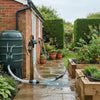
Yes, if the system is suitable for that water source and its operating requirements. A raised water butt may feed some gravity-based arrangements, while other setups need a pump or pressurised supply. Check the system’s instructions before connecting it, and consider how water will reach planters at different heights. If you use stored rainwater, keep the intake clear of leaves and debris that could obstruct water flow.
How often should an automatic system water planters in the UK?
There is no single schedule that suits every UK planter. Begin with the system’s instructions, then check the compost in different containers, including those in full sun and those sheltered from rain. If the surface looks dry, check below it too before changing the schedule. A mature plant in a small pot may use water differently from a recent planting in a larger container, so adjust based on what you observe.
Can I use an automatic watering system for hanging baskets?
Yes, hanging baskets can be included if the tubing can reach them and the outlets are positioned securely. Plan the route so it does not pull on the basket or obstruct access for feeding, pruning or taking it down. After testing, check that water reaches the compost rather than running over the edge. Baskets can dry differently from ground-level pots, so inspect them separately when assessing the system.
Will an automatic watering system stop my planters from drying out?
It can help supply water regularly, but it cannot guarantee that compost will never dry out. An outlet may shift, a container may be moved, or warmer and windier conditions may increase demand. Check the compost and plants, especially after a change in weather or after rearranging containers. If a planter is still drying too quickly, review its position and water delivery rather than assuming the timer alone will solve the problem.
Can I leave planter watering on while I am away?
You can use a scheduled system while away, but test it before you leave rather than relying on an untested setup. Run it and check that each planter receives water, connections remain secure and no outlet is watering a wall or path. Allow for rainfall and changing conditions during your absence. A timer follows its settings, so it will not respond automatically if the compost is already wet or the weather turns unusually dry.
Should I switch off automatic planter watering when it rains?
After useful or prolonged rainfall, consider pausing or reducing scheduled watering, then check the compost before restarting the usual routine. Rain may not reach containers beneath a roof, balcony or dense foliage, so do not assume every planter has received the same amount. Check each group and adjust accordingly. A timer will not detect rainfall or wet compost unless the system has a suitable sensing function.
Do automatic watering systems for planters need winter protection?
Yes, prepare the system before freezing weather to reduce the risk of frost damage. Shut off the water supply, drain water from tubing where practical, and store timers indoors if the system’s instructions recommend it. Check the manufacturer’s care guidance for specific components. Before using the system again, inspect tubing and connections for damage, then run a test to confirm water reaches the planters as expected.
`-
Posted in
automatic watering, automatic watering system for planters uk, container gardening, drip irrigation, garden irrigation, hozelock, patio planters, plant care tips, watering systems