Garden Soaker Hoses: Efficient, Targeted Watering for Beds & Borders
Imagine spending your entire Saturday evening hauling a heavy watering can across the garden, only to watch the water pool on the surface of your clay soil and run straight into the lawn. It's a common frustration for many UK gardeners who find that hand-watering takes far too much time and rarely reaches the deep roots of dense flower borders. You want a garden that thrives without the constant manual labour, but achieving that balance between hydration and efficiency often feels like a struggle. By investing in garden soaker hoses | efficient, targeted watering for beds & borders, you can finally bridge the gap between a basic manual hose and a professional irrigation system.
We understand that your time is valuable and your plants deserve consistent care. This guide will show you how to choose the ideal porous hose to deliver deep, efficient hydration directly to the root zone while significantly reducing your water consumption. We'll walk through how these systems solve the problem of surface runoff, explain their compatibility with standard Hozelock connectors, and help you design a set-and-forget layout that keeps your borders lush and healthy all season long.
Key Takeaways
- Understand how porous pipes deliver water directly to the root zone, preventing the evaporation and runoff common with overhead watering.
- Learn to select the best garden soaker hoses | efficient, targeted watering for beds & borders by comparing European-quality construction and choosing between 10-metre and 25-metre lengths.
- Master the "snake" layout method and optimal 30-50cm spacing to ensure every plant in your dense borders receives deep, consistent hydration.
- Discover how to integrate your soaker hose with Hozelock-compatible connectors and automatic timers for a hands-free system that saves water and time.
What is a Garden Soaker Hose and Why Use One?
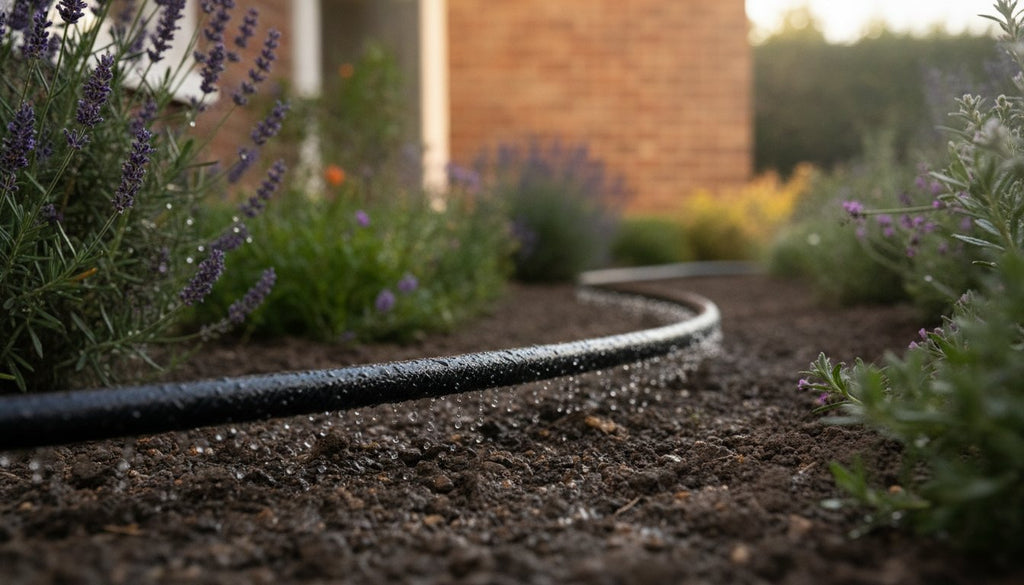
Understanding What is a Garden Soaker Hose involves looking at its unique porous design. Unlike a standard garden hose that delivers a single stream of water, a soaker hose is a specialist pipe that "sweats" moisture along its entire length. It functions as a continuous, flexible emitter that allows water to weep slowly and directly into the soil. This method provides garden soaker hoses | efficient, targeted watering for beds & borders that gardeners can rely on for consistent results. By delivering water at the base of your plants, you eliminate the waste associated with overhead watering, ensuring every drop reaches the root zone where it's most effective.
To better understand this concept, watch this helpful video:
Soaker Hose vs. Traditional Sprinklers
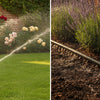
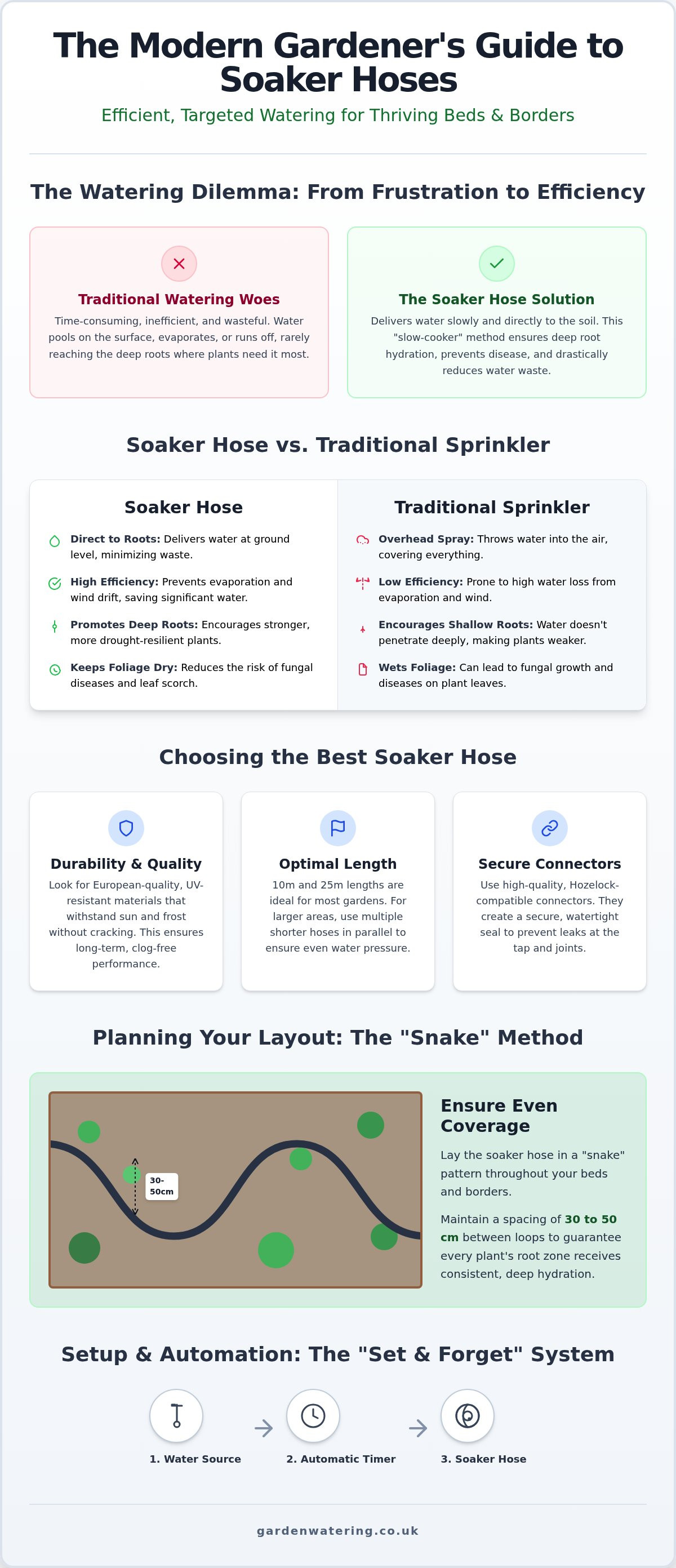
Traditional sprinklers often fail to deliver water efficiently to dense borders. They throw water into the air, where it easily evaporates or blows onto garden paths. This method also soaks plant foliage, which can lead to fungal diseases and leaf scorch in bright sun. Soaker hoses solve these issues by keeping the water close to the ground. This "slow and steady" delivery encourages deep root penetration. When roots grow deeper into the soil to find moisture, the plants become more resilient to dry spells and heatwaves. It's a much more sustainable approach for the long-term health of your landscape.
The "Slow-Cooker" of Irrigation
You can think of a soaker hose as the "slow-cooker" of irrigation. It operates at low pressure to provide high-efficiency hydration over several hours. This is a perfect match for the UK's varied soil conditions. If you have heavy clay soil, you've likely seen water pool and run off before it can sink in. The slow release from a porous hose gives the ground enough time to absorb the moisture properly. These hoses are also designed for easy integration with Hozelock automatic watering systems. By combining a reliable hose with an automatic timer, you create a hands-free system that manages itself. It's a dependable way to maintain intricate flower beds without the daily chore of hand-watering.
Choosing the Best Soaker Hose: Key Features to Compare
Selecting the right equipment is the first step toward a thriving garden. While they might look like simple black pipes, the best garden soaker hoses | efficient, targeted watering for beds & borders rely on precision engineering to deliver uniform hydration. High-quality porous hoses are designed to "sweat" consistently from the beginning of the line to the very end, preventing dry patches in your flower beds. This level of control is what makes these specialist systems so much more effective than simple perforated hoses that can often spray water unevenly.
Understanding Hose Length and Pressure
Length is a critical factor for performance. Most UK gardeners find that 10-metre and 25-metre lengths offer the best balance for standard borders and vegetable patches. However, you must consider your water pressure. If a hose is too long for the available pressure, you'll find the end stays dry while the start is saturated. For larger landscapes, it's often more effective to use several 10-metre hoses connected in parallel rather than one extremely long run. This ensures every plant receives the same amount of water regardless of its position in the border. You can find more detailed reviews on modern options in Top Picks: Standout Soaker Hoses for 2026.
Durability and Build Quality
European-quality construction is a hallmark of a reliable irrigation system. Look for hoses made from heavy-duty materials with UV-resistant properties. These materials withstand the intense summer sun and the freezing temperatures of a British winter without cracking or becoming brittle. A key part of a leak-free setup is using high-quality Hozelock connectors. These ensure a secure, watertight link between your main supply and the porous pipe, preventing water waste at the tap.
Unlike cheap alternatives, specialist hoses are less likely to clog with mineral deposits or algae over time. This keeps the pores open and ensures the flow rate remains consistent for many years. When you invest in a hose with a proven track record for durability, you're choosing a long-term solution for your garden's health. If you're ready to upgrade your garden borders, you can browse our range of porous hoses to find the perfect fit for your specific layout.
Planning Your Layout for Efficient Watering
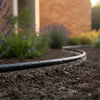
Designing an effective layout is just as important as selecting the right hose. For garden soaker hoses | efficient, targeted watering for beds & borders, the "Snake" method is the gold standard for established gardens. By weaving the hose back and forth between your plants, you ensure that the moisture reach is maximized without leaving dry pockets in the soil. This technique is particularly useful in dense borders where plants have different root spreads and hydration needs.
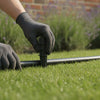
To achieve total coverage, follow the 30-50cm spacing rule. Keeping the runs of hose within this range allows the moisture to move laterally through the soil and meet in the middle. You should use ground pegs every metre or so to secure the hose in place. These pegs prevent the pipe from "wandering" or shifting as it expands with water pressure. Once your layout is fixed, you can hide the hose under a layer of bark or mulch. This creates a discreet look and significantly reduces evaporation, which are essential tips for uniform watering and water conservation.
Watering Vegetable Patches and Allotments
Straight-line layouts are usually the most practical choice for allotments and raised beds. Lay the hose directly alongside rows of thirsty crops like tomatoes, beans, or courgettes. These plants require deep root penetration to produce a healthy harvest, so a slow, steady soak is far better than a quick blast with a spray gun. Because the hose is flexible, it's easy to roll up and reposition when you rotate your crops or clear the beds at the end of the growing season.
Managing Borders and Flower Beds
Navigating around delicate perennials and large shrubs requires a bit more finesse. You don't want to crowd the crown of a plant, but you do want the water close enough to be effective. For high-value specimens or particularly thirsty shrubs, try creating a small loop around the base of the plant to provide extra hydration. If your garden has a complex shape or multiple levels, you can integrate garden irrigation fittings to split the line or navigate sharp corners. This allows you to extend your reach across the entire garden without kinking the porous pipe or losing pressure at the end of the run.
Top Picks: Standout Soaker Hoses for 2026
Selecting the right equipment for the 2026 season involves matching the specific needs of your landscape to the performance characteristics of the hose. High-quality garden soaker hoses | efficient, targeted watering for beds & borders provide a reliable foundation for any irrigation system. We prioritize European-manufactured hoses because they offer superior long-term reliability compared to budget alternatives. These products are built with high-standard materials that resist UV damage and handle the physical demands of being moved between different garden beds throughout the year.
For those looking for a quick and simple setup, "Ready-to-Go" kits are a standout choice. These hoses come pre-fitted with high-quality connectors, ensuring a secure and leak-free fit from the moment you take them out of the box. Whether you are managing a small patio border or a large country garden, choosing the right garden soaker hoses | efficient, targeted watering for beds & borders is essential for maintaining deep hydration and plant health.
The 10m Flexible Soaker Hose
The 10-metre flexible porous hose is an ideal match for standard UK flower borders and smaller allotments. Its shorter length makes it incredibly manageable, allowing you to weave it around tight corners and delicate perennials without the struggle of handling excess pipe. Because it connects securely to standard taps, you don't have to worry about water waste at the source. It is the perfect entry point for gardeners who want to move away from hand-watering and toward a more efficient, automated routine that saves time every week.
Heavy-Duty Professional Options
Professional landscapers often choose thicker-walled porous hoses for more demanding projects. These heavy-duty options are designed to handle higher water pressures, which is critical for maintaining a consistent "sweat" over longer distances. They offer increased durability against accidental damage and are less likely to kink during installation. If you are planning a large-scale project or have extensive borders to maintain, investing in professional-grade equipment ensures your system remains effective for many years. You can browse our full Garden Soaker Hoses collection to find the perfect size and specification for your specific garden layout.
Setup and Automation: Effortless Garden Hydration
Achieving a truly hands-free garden requires more than just laying down a pipe. To get the most out of your system, you must ensure a secure connection to your outside tap. A leak-free start is vital for maintaining the low pressure required for the hose to weep effectively. When your setup is airtight, you can transition from manual chores to a "set and forget" routine. This automation is the final step in mastering garden soaker hoses | efficient, targeted watering for beds & borders, allowing you to enjoy your outdoor space rather than constantly managing it.
Timing is a critical factor for both plant health and water conservation. We always recommend watering in the early morning, ideally just before or at sunrise. During these cooler hours, evaporation is at its lowest, which ensures that every drop of water stays in the soil. This practice also allows plants to hydrate fully before the midday sun peaks, reducing heat stress. By the time the afternoon heat arrives, the foliage remains dry, which significantly lowers the risk of mildew and other moisture-related diseases.
Integrating with Hozelock Water Timers
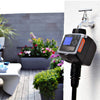
The best way to manage your schedule is by pairing your system with garden irrigation water timers. Unlike traditional sprinklers that might run for fifteen minutes, soaker hoses are slow emitters. They typically require longer run times, often between 30 to 60 minutes, to ensure the moisture penetrates deep into the root zone. Daylight sensor timers are particularly useful here. These smart devices automatically trigger the watering cycle at dawn or dusk by sensing light levels, removing the need for you to adjust settings as the seasons change and daylight hours shift.
Troubleshooting and Care
Maintaining your system is straightforward if you follow a few simple steps. If you notice a "clogged" section where the hose isn't sweating evenly, it's often due to trapped air or sediment. You can usually fix this by removing the end cap and flushing the hose with high-pressure water for a minute. To prevent physical damage, always be mindful of where the hose is laid when using mowers or edging tools. When the growing season ends, we recommend draining the hose and storing it in a garden shed or garage. This protects the porous material from the harshest winter frosts, ensuring it's ready for another year of proficiency. Get everything you need in our Garden Soaker Hoses collection today and start building your automated system.
Transform Your Garden with Precision Hydration
Transitioning to a professional irrigation setup shouldn't feel overwhelming. By implementing garden soaker hoses | efficient, targeted watering for beds & borders, you solve the dual challenges of surface runoff and time-consuming manual labor. You now understand how the "snake" layout ensures every root zone receives deep hydration and how simple automation with Hozelock-compatible timers creates a truly hands-free experience. These systems don't just save water; they protect the vitality of your soil and the long-term health of your most prized plants.
Our team brings over 15 years of specialist irrigation advice to help you select the most effective components for your unique landscape. We are dedicated specialists in Hozelock systems, focusing exclusively on durable, European-quality products that stand up to the unpredictable British climate. Whether you're nurturing a delicate perennial border or a high-yielding allotment, the right equipment makes a significant difference in achieving consistent success. It's time to reclaim your weekends and enjoy the peace of mind that comes with a garden that takes care of itself. Shop our full range of Garden Soaker Hoses and start building your perfect system today.
Frequently Asked Questions
Can I bury a soaker hose under soil or mulch?
Yes, burying your hose under a layer of mulch or bark is highly recommended. A shallow covering of 5 to 10cm helps to hide the pipe for a discreet look and significantly reduces water loss through evaporation. You shouldn't bury it deep within heavy soil, as the weight can compress the pores and restrict the weeping action. Mulch provides the perfect balance by protecting the material while allowing water to reach the roots.
How long should I run my soaker hose each day?
You should typically run your hose for 30 to 60 minutes, two or three times a week. Because these systems deliver water much slower than a traditional sprinkler, they need longer durations to ensure moisture reaches deep into the root zone. Your specific soil type will dictate the exact timing. Heavy clay soils benefit from longer, less frequent soaks, while sandy soils might require shorter, more regular cycles to stay hydrated.
Will a soaker hose work with low water pressure or a water butt?
Most porous hoses require a minimum pressure of around 1 bar to function effectively. While it's possible to use a water butt, you must elevate the tank significantly to create enough gravity-fed pressure for the water to "sweat" through the pipe. For the most consistent results, we recommend a mains-fed connection. This ensures even distribution across the entire length of your garden soaker hoses | efficient, targeted watering for beds & borders without dry spots.
Can I connect multiple soaker hoses together for a longer run?
You can connect multiple hoses, but it's best to keep the total length under 50 metres. If the run is too long, the water pressure drops toward the end, which leads to uneven watering. If you have a very large border, don't just add more length. Instead, use a "Y" connector at the tap to run two shorter hoses in parallel. This method maintains consistent pressure and ensures every plant receives the same amount of hydration.
Do soaker hoses work on sloping gardens?
They work well on slopes if you lay them horizontally across the incline. If you run the hose straight up and down a hill, gravity will pull the water to the lowest point, leaving the plants at the top dry. By snaking the hose along the contours of the slope, you keep the pressure balanced. This allows the water to seep into the soil evenly, preventing runoff and ensuring the entire bank stays healthy and lush.
How do I stop my soaker hose from getting clogged?
Regular maintenance is the best way to prevent clogs from mineral deposits or sediment. You should flush the hose twice a year by removing the end plug and running water through at full pressure for a minute. This clears out any internal buildup. Using a simple mesh filter at the tap connection also helps catch debris before it enters the system. These quick steps will keep your porous pipe performing at its best for years.
Is a soaker hose better than a drip irrigation system?
The choice depends on your specific layout. Drip systems are excellent for individual pots or widely spaced shrubs, but garden soaker hoses | efficient, targeted watering for beds & borders are often superior for dense flower beds and vegetable rows. They provide a continuous line of moisture that blankets the entire root area. For many UK gardeners, the soaker hose offers a simpler, more cost-effective solution that's much easier to install and reposition as the garden grows.
What connectors do I need to attach a soaker hose to my tap?
You only need a few basic components to get started. A standard threaded tap connector and a quick-connect hose end are essential for a secure link. Most of our specialist hoses are fully compatible with Hozelock connectors, ensuring a leak-free setup. If you want to automate your garden, we also suggest adding a water timer. This allows you to set a schedule that runs independently, giving you a professional-grade irrigation system with very little effort.
`-
Posted in
drip irrigation, garden maintenance, garden soaker hoses | efficient, garden watering, gardening tips, Hozelock, irrigation systems, porous pipe, soaker hose, targeted watering for beds & borders, water saving