Garden Systems Watering
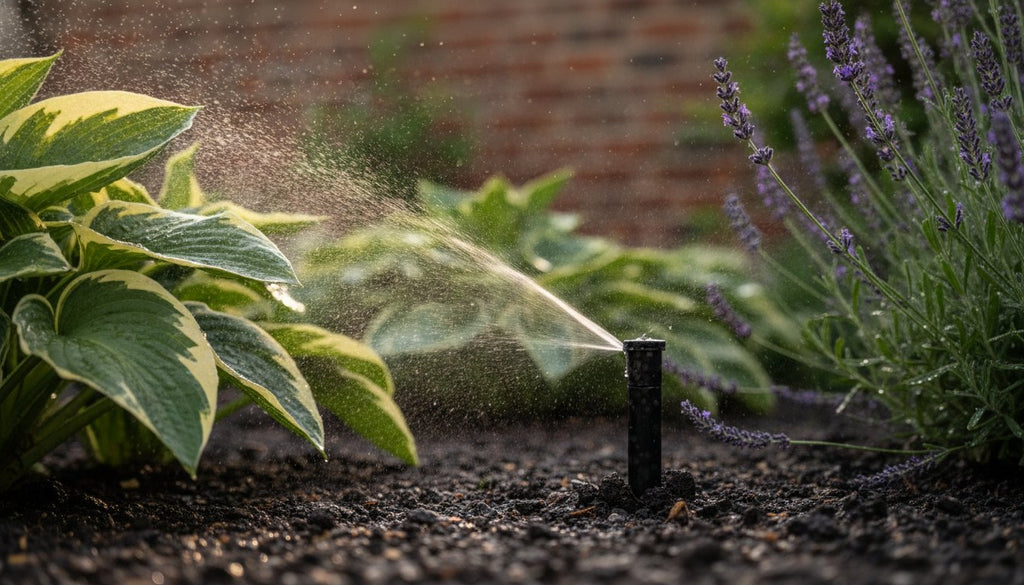
Could your high-pressure garden hose actually be the biggest threat to your flowerbeds? While a heavy spray might seem efficient, the reality is often soil erosion and uneven saturation that leaves some plants drowning while others wilt. Mastering garden systems watering is really about the art of matching flow to foliage, ensuring every drop serves a purpose rather than running off into the pavement. It's frustrating to watch your hard work undermined by inefficient tools or rising water bills that don't result in a healthier garden.
As specialists with over 15 years of irrigation experience, we know that the right setup makes all the difference to your landscape's long-term health. This article helps you discover how to choose the perfect mini sprinkler system to achieve precision watering and healthier plants without the waste. We'll explore how these specialized components provide a gentle touch that drip lines can't and traditional lawn sprinklers shouldn't. You'll learn how to integrate these high-efficiency tools with existing Hozelock setups for a professional, automated result. Our goal is to help you create a lush, thriving garden with minimal effort through targeted, expert-led solutions.
Key Takeaways
- Learn how low-volume mini sprinklers provide the precision needed to prevent soil erosion and promote healthier root systems.
- Understand how to select spray angles and flow rates so your garden systems watering setup perfectly matches your plant layout.
- Discover the "head-to-head" spacing technique to eliminate dry spots and ensure uniform moisture across every garden bed.
- Master a simple installation workflow that integrates seamlessly with Hozelock components for a reliable, automated irrigation solution.
- Gain insights from 15+ years of specialist experience to help you choose the right kit for long-term efficiency and plant health.
Understanding Garden Systems Watering and Mini Sprinklers
Mini sprinklers represent a specific category of low-volume irrigation designed for high-precision tasks. Unlike traditional irrigation sprinkler systems that throw large volumes of water across wide lawns, these mini versions focus on the delicate needs of flower beds, vegetable patches, and greenhouses. They bridge the gap between heavy-duty lawn irrigation and the pinpoint accuracy of drip lines. By delivering a fine mist or gentle spray, they provide the coverage needed for dense foliage without the destructive force of a standard hose.
This gentle application is vital for maintaining soil health. High-pressure sprays often compact the earth or wash away expensive topsoil and nutrients; mini sprinklers mimic light rainfall, allowing moisture to soak in slowly. In the context of modern garden systems watering, automation is no longer a luxury. It's the standard for maintaining a healthy landscape. By pairing these precise emitters with a reliable timer, you ensure your plants receive hydration at the optimal time, usually early morning, without ever lifting a finger.
Why Precision Watering Matters in 2026
Water efficiency has become a central focus for UK gardeners. With shifting weather patterns and a greater emphasis on environmental responsibility, using water wisely is essential. Precision watering isn't just about saving money on bills; it's about long-term plant vitality. When you target the root zone accurately, you encourage roots to grow deeper into the soil in search of moisture. This makes your plants significantly more resilient during dry spells. For a broader look at how these technologies are evolving to meet modern standards, you can explore our Garden Watering Systems UK: The Complete 2026 Irrigation Guide.
Mini Sprinklers vs. Drip Irrigation
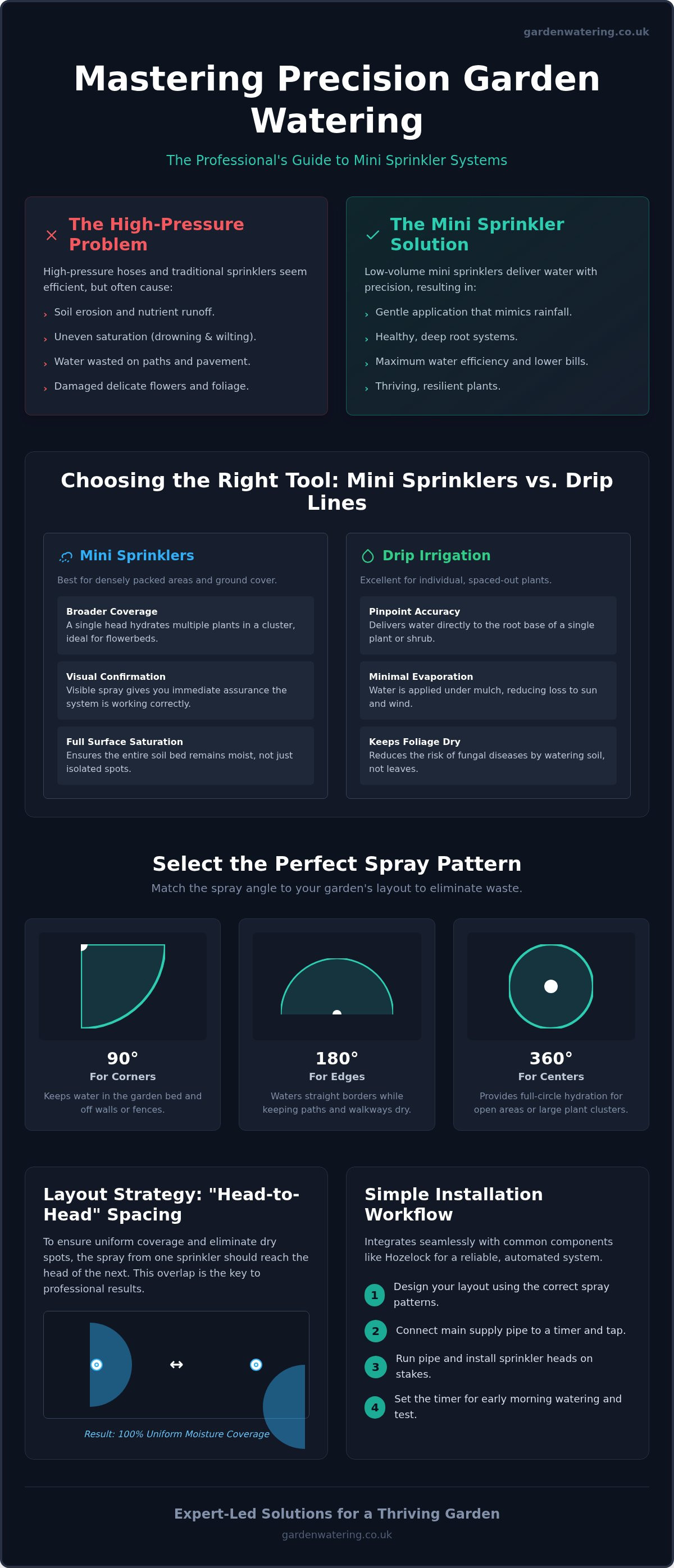
Choosing between a mini sprinkler and a drip system often depends on your specific garden layout. Drip irrigation is excellent for individual shrubs or potted plants where water needs to go directly to a single point. However, if you have low-growing ground cover or a densely packed flower border, a mini sprinkler is often the superior choice. They offer several distinct advantages for these areas:
- Broader Coverage: A single mini sprinkler can hydrate multiple plants in a dense cluster more effectively than several individual drippers.
- Visual Confirmation: You can clearly see the system in action. While drip lines are often hidden under mulch, the visible spray gives you instant reassurance that your garden systems watering setup is functioning perfectly.
- Surface Saturation: They are better at handling larger surface areas, ensuring the entire soil bed remains moist rather than just isolated spots around a pipe.
By selecting a spray over a drip for these specific zones, you create a more natural environment for your plants to thrive while maintaining the efficiency that a modern irrigation specialist expects.
Key Features to Compare in Mini Sprinkler Systems
Choosing the right components for your garden systems watering setup isn't just about getting the plants wet. It's about precision. You need to understand how specific features interact with your garden's unique layout to avoid wasting water on paths, fences, or walls. By selecting the right spray angle and flow rate, you ensure every drop reaches the soil where it's needed most. This level of detail is what separates a basic hose-end tool from a professional irrigation network.
Choosing Your Spray Pattern
The spray angle you choose determines exactly where the water lands. Most specialists offer three primary configurations to help you map out your coverage area with surgical accuracy. Using the wrong pattern often leads to water waste or dry spots that can kill sensitive plants.
- 90-degree sprinklers: These are essential for corners. They allow you to tuck the emitter into a tight 90-degree angle, keeping water off your house or garden shed while saturating the corner plants.
- 180-degree options: These work best along the edges of paths or straight garden borders. They project water in a semi-circle, ensuring your walkways stay dry while your flowerbeds get a thorough soak.
- 360-degree heads: Place these in the center of large beds or within clusters of shrubs. They provide a full circle of hydration, making them the most efficient choice for open, circular areas.
Flow Control and Radius
Flow rates are typically measured in litres per hour (LPH). These vary depending on the specific nozzle design and your home's water pressure. To calculate the radius you need, measure the distance from the intended sprinkler location to the furthest plant in that specific zone. While fixed-flow heads offer simplicity, adjustable flow heads give you the power to fine-tune the output. This is vital if you're managing a mixed border where some plants require more hydration than others.
When you're building your network, don't overlook the small details. Using high-quality irrigation fitting adaptors ensures that your connections remain watertight under pressure. For those who want to dive deeper into the technical aspects of layout design, this DIY guide to drip irrigation and micro-sprays provides excellent research on how to manage flow across different elevations.
You'll also need to choose between stake-mounted and direct-to-pipe installations. Stake-mounted sprinklers offer the best flexibility. You can easily move them as your plants grow taller or as you rearrange your garden. Direct-to-pipe options are more permanent and discreet, which is often preferred in formal landscapes. If you're unsure which components fit your space, browsing our curated Hozelock watering kits can help you see how these parts work together in a professional garden systems watering configuration.
Designing Your Layout: Greenhouse and Bed Strategies
Designing an effective layout begins with grouping plants by their specific needs. This creates distinct watering zones where you can control the frequency and volume of hydration. A vegetable patch might need daily attention, while established shrubs are happy with a deep soak once a week. By categorizing your garden this way, you avoid the common mistake of overwatering drought-tolerant species just to keep your leafy greens alive.
Expertly planned garden systems watering relies on "head-to-head" spacing to ensure uniform coverage. This technique involves placing sprinklers so that the spray from one emitter reaches the base of the next one. It eliminates the "donut effect," where the area directly under a sprinkler gets wet but the space between emitters stays bone-dry. Referencing the EPA guide to microirrigation can help you understand how these low-volume systems maintain precise moisture levels without the waste common in traditional methods.
Greenhouse and Nursery Setup
Greenhouse environments require a different approach than open garden beds because humidity is often as important as soil hydration. Overhead mini sprinklers are the gold standard here. They provide consistent moisture for delicate seedlings without the heavy impact of a watering can, which can often dislodge seeds or damage tiny stems. Fine-mist mini sprays also help manage ambient humidity, creating the tropical environment many indoor plants crave. This versatility is why mini sprinklers are considered a core component of modern garden systems watering. Since these systems are easy to install, you can quickly reconfigure the layout as you move from spring seed-starting to summer growing.
Flower Borders and Vegetable Patches
Outdoor flower borders and vegetable patches present their own set of obstacles, primarily foliage obstruction. You must position your sprinklers where taller plants won't act like umbrellas, leaving smaller neighbours dry. Integrating these components into a Hozelock automatic watering system allows for early morning hydration. This is the most efficient time to water, as it reduces evaporation and gives plants a chance to drink before the sun hits its peak. If you're struggling to visualize the pipework, our design ideas and plans offer several templates to get you started. Combining these layouts with a digital timer ensures your garden thrives even when you're away from home.
Installation Best Practices and Common Mistakes
Setting up a professional garden systems watering network is straightforward if you follow a logical sequence. Many DIY enthusiasts rush into cutting pipes only to find they've miscalculated the distance or ignored local water pressure. By following a few expert-led steps, you can avoid these pitfalls and ensure your system lasts for many seasons. Each step is designed to build a foundation of reliability, from the tap out to the furthest flowerbed.
- Step 1: Start at the tap. Always install a high-quality water timer first. This acts as the brain of your system, managing schedules so your plants never miss a drink, even when you're away.
- Step 2: Map the layout. Lay out your supply pipe across the garden before making any cuts. This allows you to visualize the route and ensures you have enough length to reach every zone without stretching the plastic.
- Step 3: Flush the pipes. Before you attach your final mini sprinkler heads, run the water through the open pipes for a minute. This clears out plastic shavings or grit that could immediately clog your new emitters.
- Step 4: Conduct a dry run. Once everything is connected, turn on the system. Check for proper overlap and identify any dry spots that need a slight adjustment in sprinkler placement or angle.
Managing Water Pressure
UK domestic water pressure can be unpredictable. If your pressure is too high, you risk blowing the heads right off your pipework during a cycle. Conversely, low pressure results in a poor spray radius that won't reach the target plants. Most garden systems watering setups require a pressure regulator at the start of the line to maintain a steady, safe flow. Using genuine Hozelock connectors is essential here. These fittings are designed to withstand domestic supply fluctuations while maintaining a watertight seal under pressure.
Maintenance and Winterisation
Even the best systems need occasional care to perform at their peak. Over time, mineral deposits or fine debris can clog small nozzles, distorting your spray pattern. Simply unscrewing the heads and rinsing them in clean water usually solves the problem. Winter is the biggest threat to your investment. You must drain your system before the first UK frost hits. Water trapped inside pipes expands as it freezes, which can split the plastic or ruin your timer's internal valves. Using "quick-click" fittings makes it easy to disconnect components and move them into a shed for safe winter storage.
Ready to build a reliable network? Explore our full range of garden irrigation water timers to find the perfect foundation for your automated setup.
Why Expert Advice Makes the Difference
Choosing the right components for your garden systems watering setup requires more than just picking a box off a shelf. General DIY stores often stock a wide variety of generic tools, but they frequently lack the deep technical understanding of how these parts interact in a real-world environment. At Garden Watering, we bring over 15 years of specialist irrigation experience to every customer interaction. We've seen how poorly designed systems fail and how a well-considered setup can transform a landscape. This background allows us to offer more than just products; we provide the quiet confidence of a specialist dedicated to your garden's success.
Instead of overwhelming you with hundreds of incompatible options, we've carefully curated a specific collection of 12 high-efficiency mini sprinklers. Every item in this range has been selected for its performance, durability, and ease of use. This focused approach gives you the peace of mind that no matter which component you choose, it will meet professional standards and integrate seamlessly with your existing infrastructure. We believe in quality over quantity, ensuring that every product we sell contributes to a more sustainable and healthy garden.
Standout Products in Our Mini Sprinkler Collection
Our collection features tools designed for specific gardening challenges. For those with large, circular flower beds, our 360-degree adjustable flow sprinkler is a versatile choice. It allows you to fine-tune the output to match the exact radius of your planting area, preventing any overlap onto paths. If you manage a vegetable patch where plant heights and positions change throughout the season, our spike-mounted kits are ideal. These allow for easy repositioning, so you can move the water source as your crops grow. Every head in our range is professional-grade, built to withstand the rigours of the UK climate while maintaining a consistent spray pattern year after year.
Get Started with Targeted Watering Today
Transitioning to targeted watering is one of the best decisions you can make for your garden's health and your own time. By automating the process, you could significantly reduce water waste while seeing a noticeable improvement in plant vitality. We encourage you to explore the Irrigation Mini Sprinklers collection to find the right tools for your space. Our final expert tip for any new garden systems watering project is simple: start small. You don't need to overcomplicate your first setup. Begin with one or two zones, observe how they perform, and expand your network as your garden grows and your confidence increases.
Achieve Precision in Your Garden Today
Mastering garden systems watering is the most effective way to ensure your plants thrive while protecting your soil's long-term health. By choosing the right mini sprinkler angles and following a methodical installation plan, you eliminate the waste and erosion caused by traditional, high-pressure methods. Whether you're managing a delicate greenhouse or a sprawling flower border, the right technology makes the maintenance effortless. It's about working with nature rather than against it.
As a specialist Hozelock retailer with over 15 years of irrigation expertise, we're here to help you get it right. We offer free expert advice for your garden layout to ensure your new system performs at its peak from day one. You don't have to guess which components you need; we've already curated the best tools to save you time and water. Our team is dedicated to helping you achieve professional results with ease.
Browse our Irrigation Mini Sprinklers for Targeted Watering and take the first step toward a more efficient, lush landscape. We're excited to help your garden reach its full potential.
Frequently Asked Questions
What is the difference between a micro spray and a mini sprinkler?
Micro sprays provide a static, fine mist over a fixed area, whereas mini sprinklers often involve specific nozzle designs to throw larger droplets over a wider radius. Micro sprays are better for high-humidity environments like greenhouses or seed trays. Mini sprinklers excel in open flower beds where you need consistent garden systems watering across a larger surface area without the mist drifting away in the wind.
How many mini sprinklers can I run off a single outside tap?
Most standard UK outside taps can support between 10 and 15 mini sprinklers on a single line, depending on your home's specific flow rate and pressure. To find your limit, fill a 10-litre bucket and time how long it takes. If it takes 60 seconds, you have a flow of 600 litres per hour. Divide this by the LPH rating of your chosen sprinkler heads to calculate your maximum capacity.
Do I need a special pump for a mini sprinkler system?
You generally don't need a special pump if your mains water pressure is between 1.5 and 4 bar, which is typical for most UK households. These systems are designed to operate efficiently on standard domestic pressure. If you are drawing water from a rain butt or a low-pressure tank, you might require a small booster pump to ensure the sprinklers reach their intended spray radius and maintain a consistent, effective pattern.
Can I use mini sprinklers with a hosepipe ban in place?
You must check your local water provider's specific terms, as regulations vary by region. Often, micro-irrigation systems are exempt from temporary use bans if they are fitted with a timer and meet specific efficiency criteria. Because garden systems watering using mini sprinklers is highly targeted and low-volume, it is frequently viewed more favourably than using a manual hosepipe, but it's essential to verify current local restrictions before operating your system.
How far apart should I space my mini sprinklers for best results?
Space your sprinklers so that the spray from one emitter reaches the base of the next one, a technique known as "head-to-head" spacing. For a sprinkler with a 2-metre radius, you should place the next head approximately 2 metres away. This ensures uniform coverage and prevents dry patches. If you space them too far apart, the edges of the spray patterns won't overlap, leading to uneven growth in your beds.
Are mini sprinklers compatible with standard Hozelock fittings?
Yes, our mini sprinklers are fully compatible with standard Hozelock connectors and supply pipes. These components are designed to work together within a unified ecosystem, making it easy to expand or modify your setup. Using genuine fittings ensures a watertight seal and maintains the correct pressure throughout the network. This compatibility allows you to integrate precision emitters into your existing automatic watering system without needing any proprietary adaptors or specialized plumbing tools.
What is the best way to clean a clogged mini sprinkler head?
The most effective way to clean a clogged head is to unscrew the nozzle and soak it in a mild descaling solution or white vinegar. This dissolves mineral deposits that often build up from hard water. After soaking, rinse the part thoroughly with clean water and use a soft brush to clear any remaining grit. Avoid using needles or wires to poke the holes, as this can permanently damage the precision spray pattern.
Should I use mini sprinklers or drip irrigation for my vegetable garden?
Use mini sprinklers for leafy greens and densely planted beds where you need to saturate the entire soil surface. Drip irrigation is better for individual, larger plants like tomatoes or pumpkins where you want to target the roots directly. Mini sprinklers provide the added benefit of cooling the foliage on hot days, which can prevent heat stress in certain vegetable varieties. Many successful gardeners find success using a combination of both.
`-
Posted in
Automated Watering, DIY Irrigation, Garden Care, garden systems watering, Gardening, Hozelock, Irrigation, Mini Sprinklers, Soil Health, Watering Systems